The importation process can be overwhelming. Many importers struggle with regulations and compliance issues that can lead to costly delays.
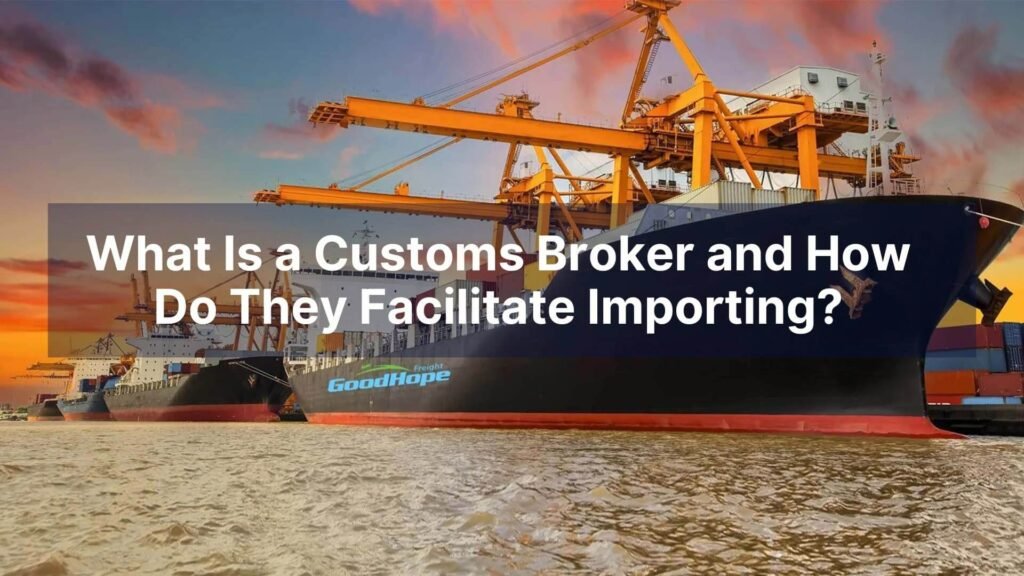
A customs broker1 is a licensed professional who helps importers navigate the complexities of U.S. customs regulations. They ensure compliance with all legal requirements, file necessary paperwork, calculate duties, and facilitate clearance. Brokers save time, reduce the risk of penalties, and ensure that goods move efficiently from port to final destination.
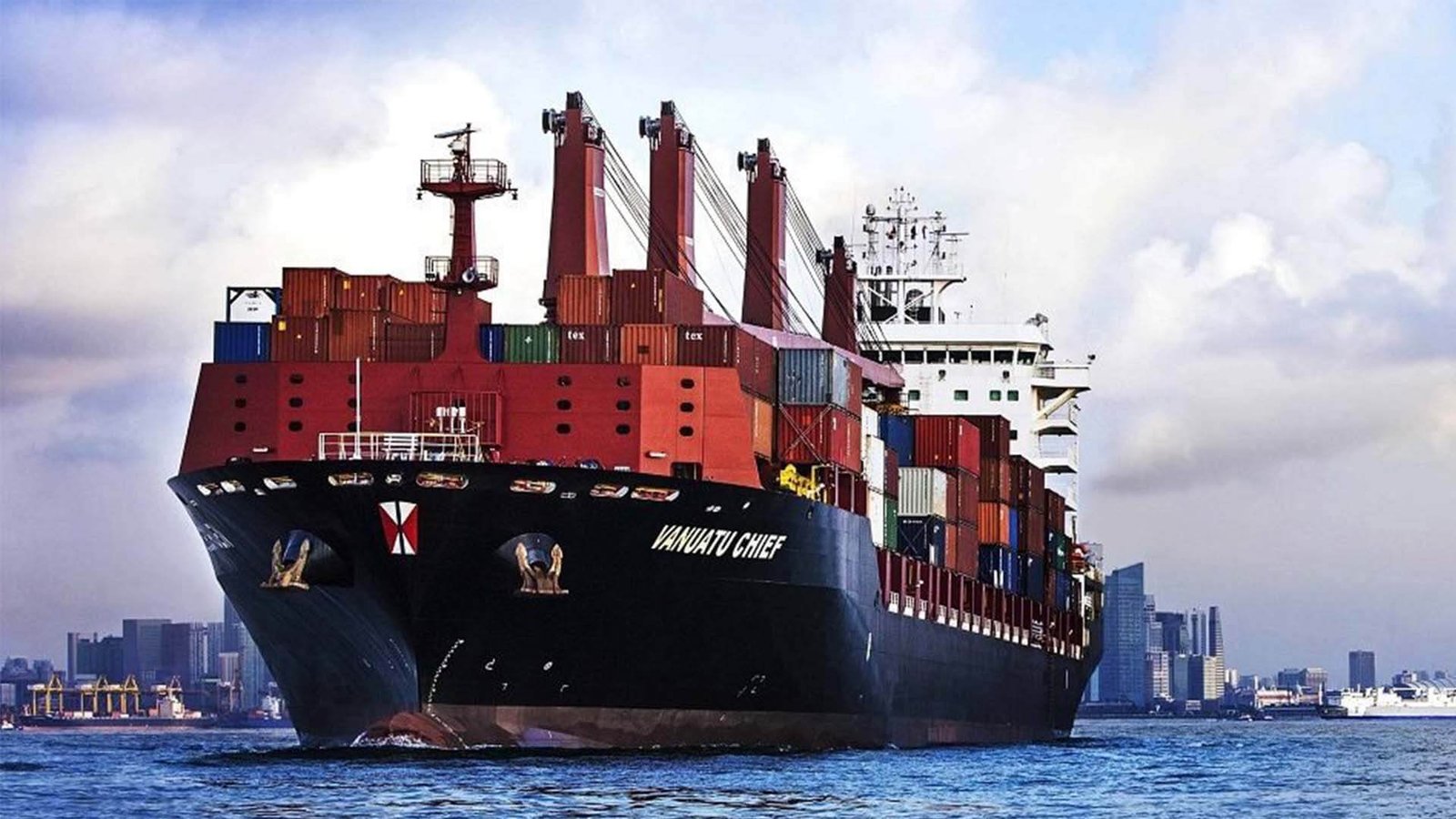
Navigating the world of importing can be daunting without the right support. A customs broker1 plays a critical role in simplifying the process and ensuring compliance with regulations.
What Does a Customs Broker Do and How Do They Simplify the Import Process?
Customs brokers perform several core functions essential to the importing process. They act as intermediaries between importers and U.S. Customs and Border Protection (CBP)2. By filing necessary documents, calculating duties, and ensuring compliance with customs regulations3, they streamline the entire process for importers.
An essential part of their job is to reduce delays and penalties. Brokers have the expertise to handle potential issues that may arise during clearance. They assist importers in completing accurate declarations, which decreases the likelihood of customs holds. By working closely with CBP, brokers ensure timely communication and resolution of any problems that might occur.
Brokers provide specific services, including duty calculations4 and document filing, which are critical for successful imports. They help identify the right tariff classifications5 to avoid overpaying duties or facing penalties. In essence, customs broker1s simplify the import process, making it more manageable for importers.
Why Do U.S. Importers Need a Customs Broker for Compliance and Clearance?
U.S. importers need a customs broker1 to ensure compliance with U.S. regulations enforced by U.S. Customs and Border Protection (CBP)2. Brokers help navigate complex tariff classifications5, calculate proper duties, and file all required import documents6, ensuring smooth and timely clearance. Without a broker, importers risk delays, fines, and goods being held at customs.
Regulatory compliance is essential for any importer. When goods arrive in the U.S., they must meet specific legal requirements. Failure to comply can lead to severe penalties or even seizure by customs authorities. Importers without a broker might find themselves facing unexpected inspections or delays due to non-compliance.
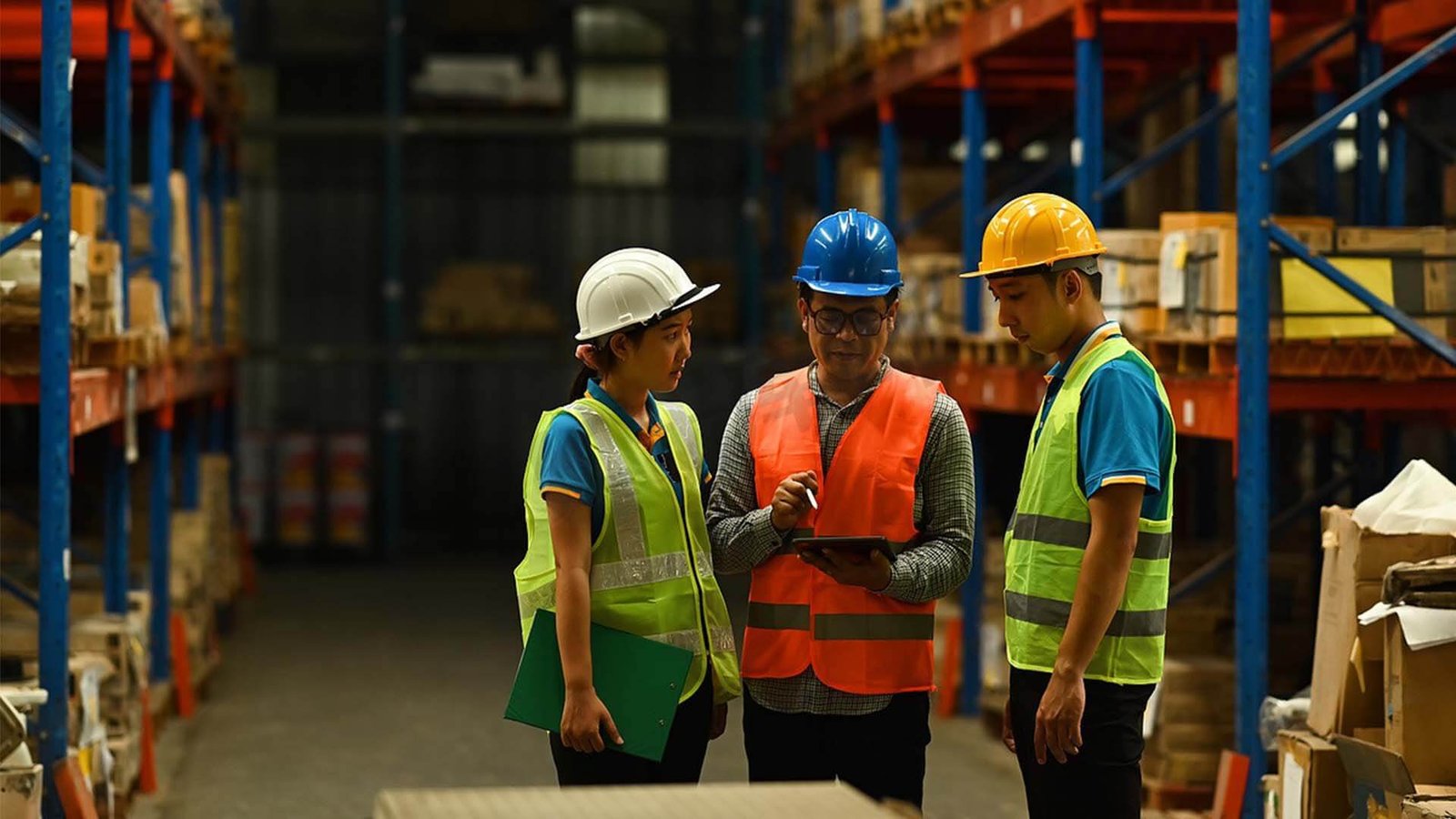
A customs broker1 minimizes these risks by ensuring that all paperwork is accurate, complete, and submitted on time. They provide invaluable support in understanding the requirements and making sure that goods are cleared without issue.
Customs Broker vs. Freight Forwarder: Key Differences Every U.S. Importer Should Know
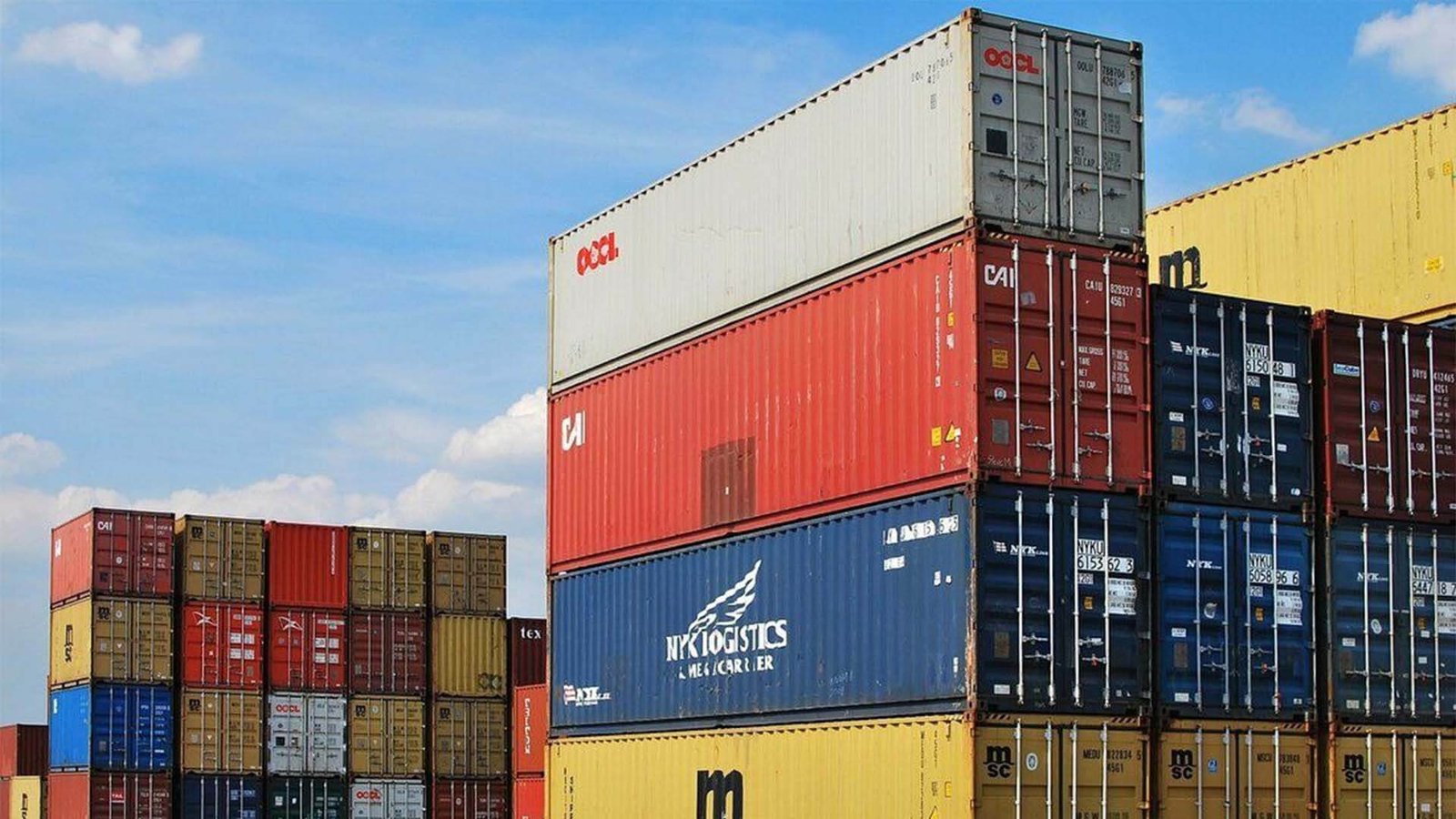
While both customs broker1s and freight forwarder7s facilitate imports, a customs broker1 specializes in handling the compliance and customs clearance process, while a freight forwarder7 manages logistics and transportation. Importers often need both to ensure smooth transit and compliance throughout the import process.
| Function | Customs Broker | Freight Forwarder |
|---|---|---|
| Regulatory compliance | Yes | No |
| Tariff calculation | Yes | No |
| Freight management | No | Yes |
| Documentation filing | Yes | Limited |
Understanding these differences is crucial for U.S. importers. Engaging both services ensures that compliance and logistics are efficiently managed, ultimately saving time and reducing risks.
Customs brokers assist importers in determining the applicable tariffs and duties for their goods. They ensure that the right duties are paid and help importers avoid overpaying or facing penalties due to misclassification of products. Brokers are also vital in keeping up-to-date with changing trade laws and regulations8.
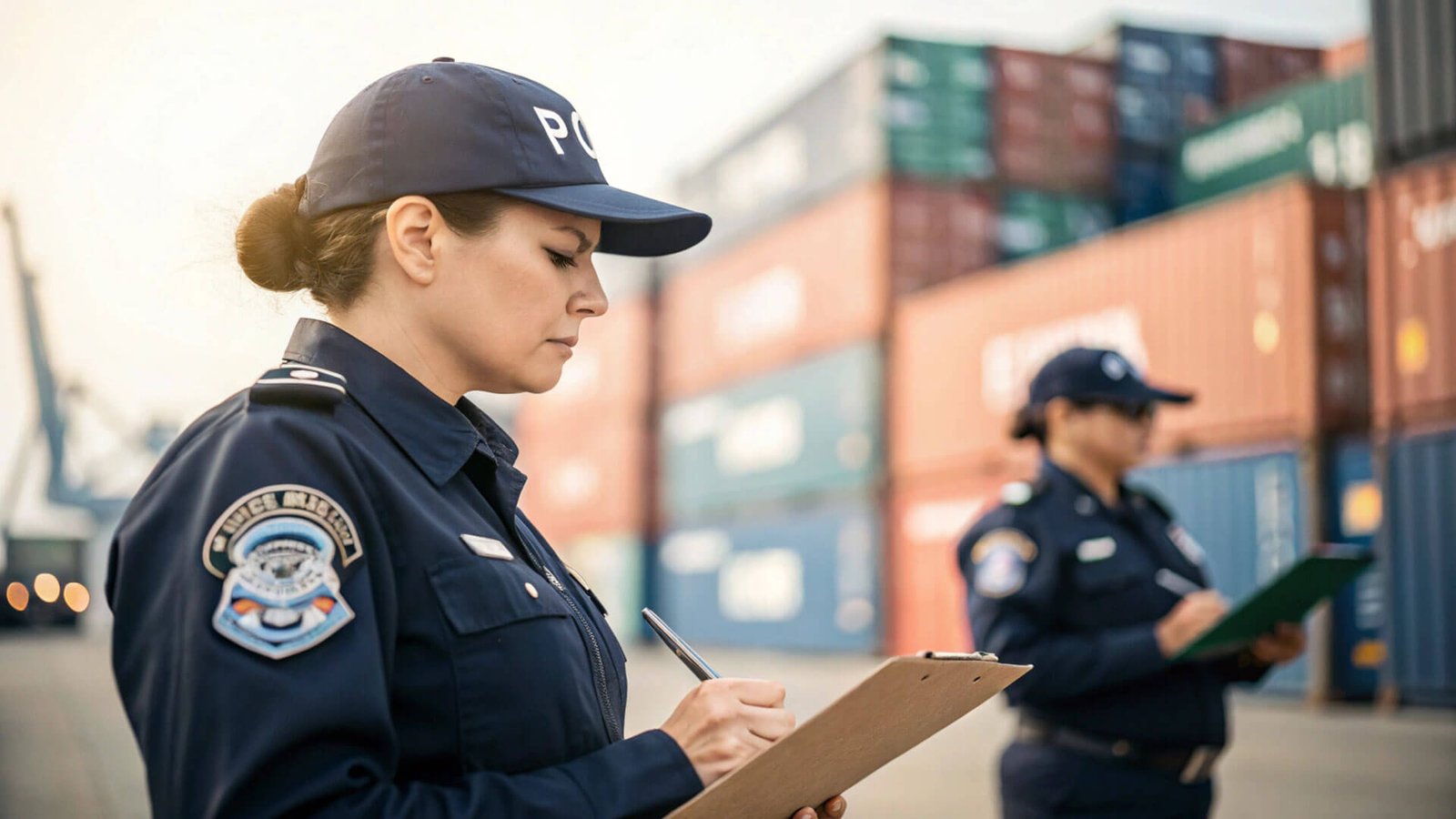
Brokers assess tariff classifications5 based on product descriptions and specifications. This expertise prevents costly mistakes that can arise from incorrect classifications. Additionally, brokers play a crucial role in mitigating duty overpayment by ensuring that the correct duties are calculated and applied.
They stay informed about current trade law changes and adjustments to tariffs, including impacts from measures such as Section 3019 and antidumping/countervailing duties (AD/CVD)10. This knowledge helps importers adapt and comply with the ever-changing landscape of trade laws.
The Role of a Customs Broker in Handling Documentation, Declarations, and Inspections
Customs brokers are responsible for preparing and submitting all required documentation to ensure timely clearance. This includes filing entry summaries11, declarations, invoices, and other necessary documents. Brokers also liaise with U.S. Customs and Border Protection (CBP)2 to address any inspection or hold requirements.
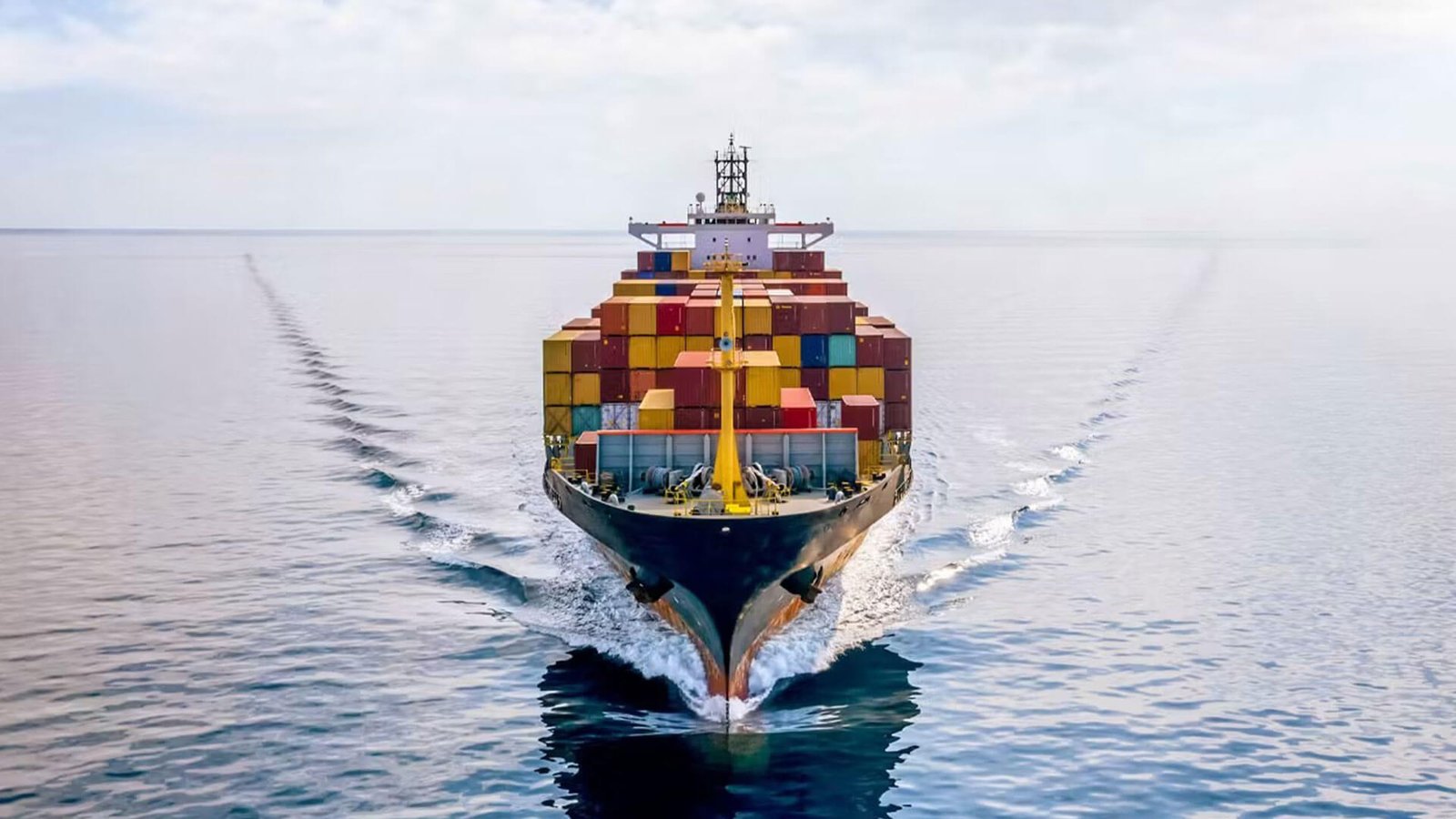
Common import documents6 include entry forms, invoices, and packing lists. Proper handling of these documents is critical for smooth clearance. A broker's expertise in dealing with inspection holds12 or issues is invaluable in maintaining the flow of goods.
Accurate declarations are vital for avoiding delays and fines. Brokers ensure that all information provided is correct and complete, which increases the likelihood of successful clearance without complications. Importers benefit from their knowledge of required documents and processes.
How Customs Brokers Charge Fees and How to Choose the Right One for Your Import Needs
Customs brokers typically charge a fee for services based on the complexity of the shipment, the value of the goods, and the volume of paperwork involved. Fees may include a flat rate or be calculated per shipment or entry. Choosing the right broker depends on their experience, reputation, and ability to handle specific import needs.
| Service Type | Fee Structure | Notes |
|---|---|---|
| Entry filing | Per entry | Most common fee |
| Tariff classification | Per item | Based on complexity |
| Freight forwarding coordination | Percentage of value | If included |
| Additional documentation | Per document | For special filings (e.g., permits) |
Choosing the right customs broker1 requires careful consideration. Importers should weigh the broker's experience, reputation, and the specific services they offer to find the best fit for their import needs.
| Risk | Cause | Impact | Prevention |
|---|---|---|---|
| Non-compliance | Incorrect documentation | Delays, fines | Broker audit |
| Tariff misclassification | Incorrect HS code | Overpayment/penalty | Broker classification check |
| Documentation error | Missing or incorrect filing | Seizure, delays | Broker review |
Conclusion
Customs brokers are essential partners for U.S. importers, ensuring compliance and smooth clearance throughout the import process.
Understanding the role of a customs broker is crucial for importers to ensure compliance and smooth import processes. ↩
Knowing the role of CBP helps importers understand the regulatory environment and the importance of compliance. ↩
Compliance is key to avoiding penalties and delays, and brokers play a vital role in this process. ↩
Accurate duty calculations prevent overpayment and ensure correct tariff application, saving money for importers. ↩
Correct tariff classifications prevent costly errors and ensure proper duty payments. ↩
Knowing the necessary documents helps importers prepare and avoid delays in the clearance process. ↩
Understanding the distinct roles of brokers and forwarders helps importers manage logistics and compliance effectively. ↩
Brokers keep importers informed about changes in trade laws, ensuring compliance and avoiding penalties. ↩
Section 301 impacts tariffs and duties, and understanding it helps importers manage costs and compliance. ↩
AD/CVD measures can significantly impact import costs, and understanding them is crucial for compliance. ↩
Entry summaries are vital for customs clearance, and understanding them helps ensure smooth processing. ↩
Brokers' expertise in handling inspection holds ensures timely clearance and reduces delays. ↩