The logistics world can be complex. When dealing with international shipments, confidentiality is essential. A double blind shipment1 offers a unique solution.
A double blind shipment1 is a shipping method in which both the shipper and the consignee are kept anonymous from each other. All documentation and labels are managed by an intermediary, allowing goods to move without revealing supplier or customer identities, commonly used in B2B trade and distribution models2.

The topic of double blind shipment1s may seem technical, but understanding its mechanics can greatly benefit importers. They can protect their relationships and confidential information while ensuring smooth transactions.
A double blind shipment1 is a logistics arrangement where neither the shipper nor the consignee sees the other party’s identity on shipping documents?
Logistics is all about connections and trust. When you don’t know your partner's identity, it can raise questions. But a double blind shipment1 protects both parties.
Importers use double blind shipment1s to prevent suppliers and customers from bypassing them or accessing sensitive pricing information. This approach is especially valuable in private-label distribution3, third-party fulfillment4, and multi-vendor sourcing5, where maintaining commercial control and confidentiality is critical to the business model.
In a double blind shipment1, anonymity is key. This method allows businesses to manage their relationships without revealing sensitive details. Whether you’re a supplier or a customer, this arrangement can keep your pricing confidential. It ensures that sensitive information stays private and that all parties stick to their agreements.
Double blind shipments are commonly used by importers to protect supplier relationships, customer data, and pricing confidentiality?
Why do businesses need to keep their identities hidden? This is essential for maintaining competitive advantages.
The freight forwarder or broker6 manages all shipping documents, labels, and routing instructions in a double blind shipment1. By replacing shipper and consignee details with their own information, the intermediary ensures cargo moves correctly while preserving anonymity between all trading parties involved.
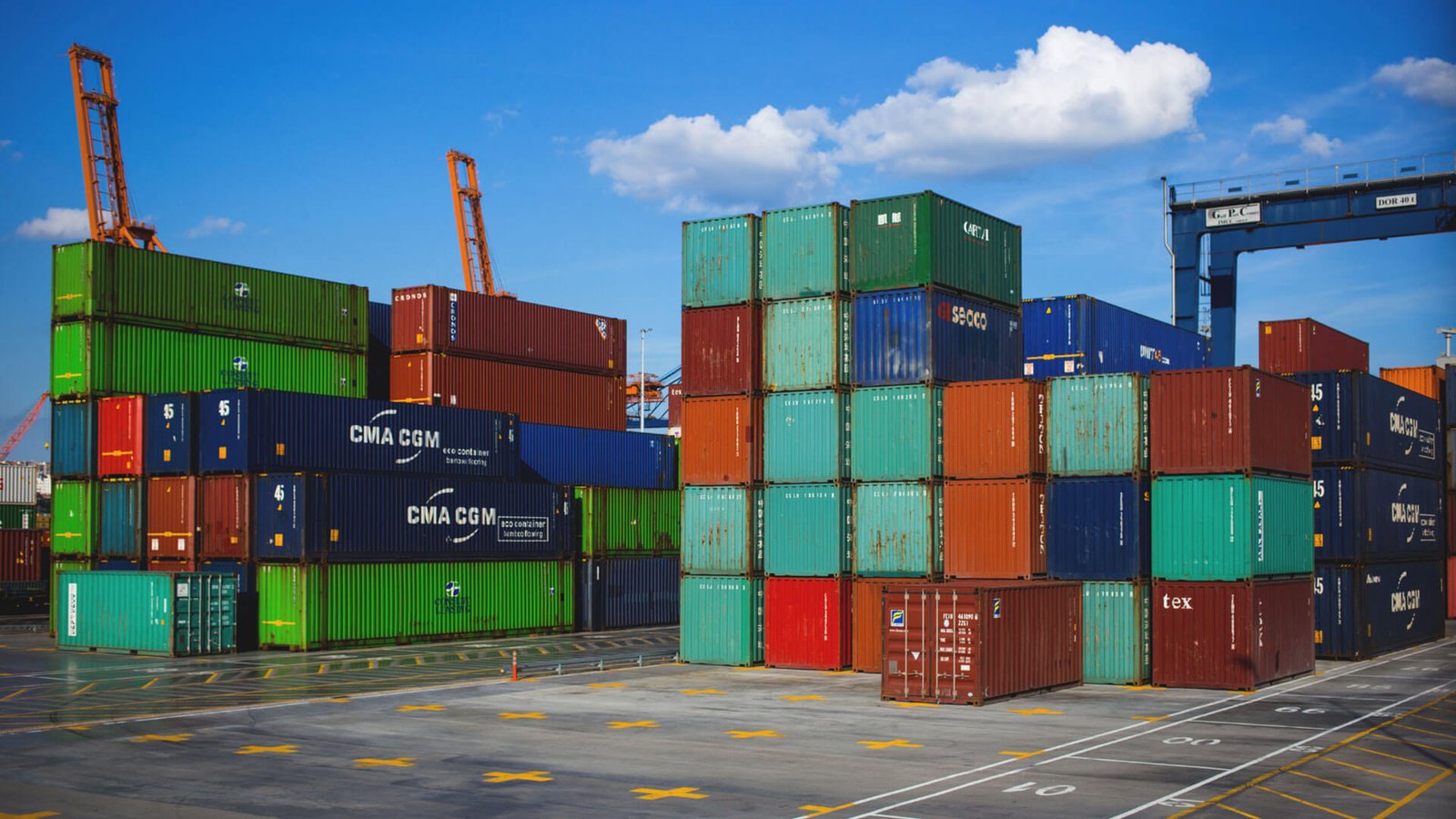
Double blind shipments are practical for various sectors. Importers, especially, benefit from maintaining the integrity of their supply chains. Using a trusted logistics partner allows for smoother operations and maintains essential relationships. These shipments are often utilized in industries like drop shipping7 and multi-party sourcing where control is crucial.
In a double blind shipment1, the freight forwarder or broker6 acts as the intermediary controlling documentation, labels, and communication?
Using a freight forwarder or broker6 changes the way shipments are handled. They take on the role of managing everything.
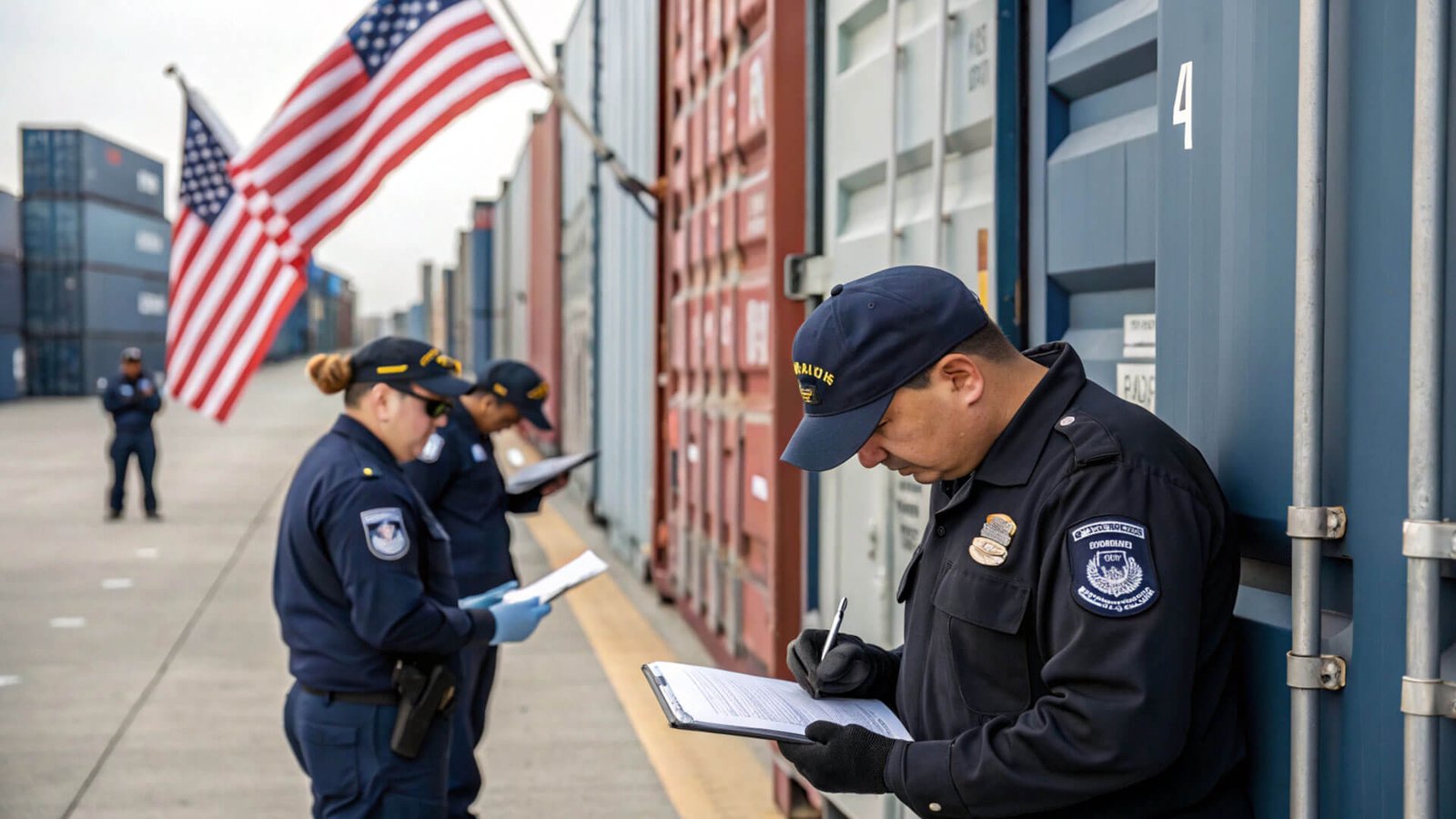
Double blind shipments are legal in the U.S. and international trade when customs filings accurately reflect the true importer, exporter, and transaction details. While commercial invoices and labels may be masked for logistics purposes, regulatory authorities must still receive complete and accurate information to avoid compliance violations.
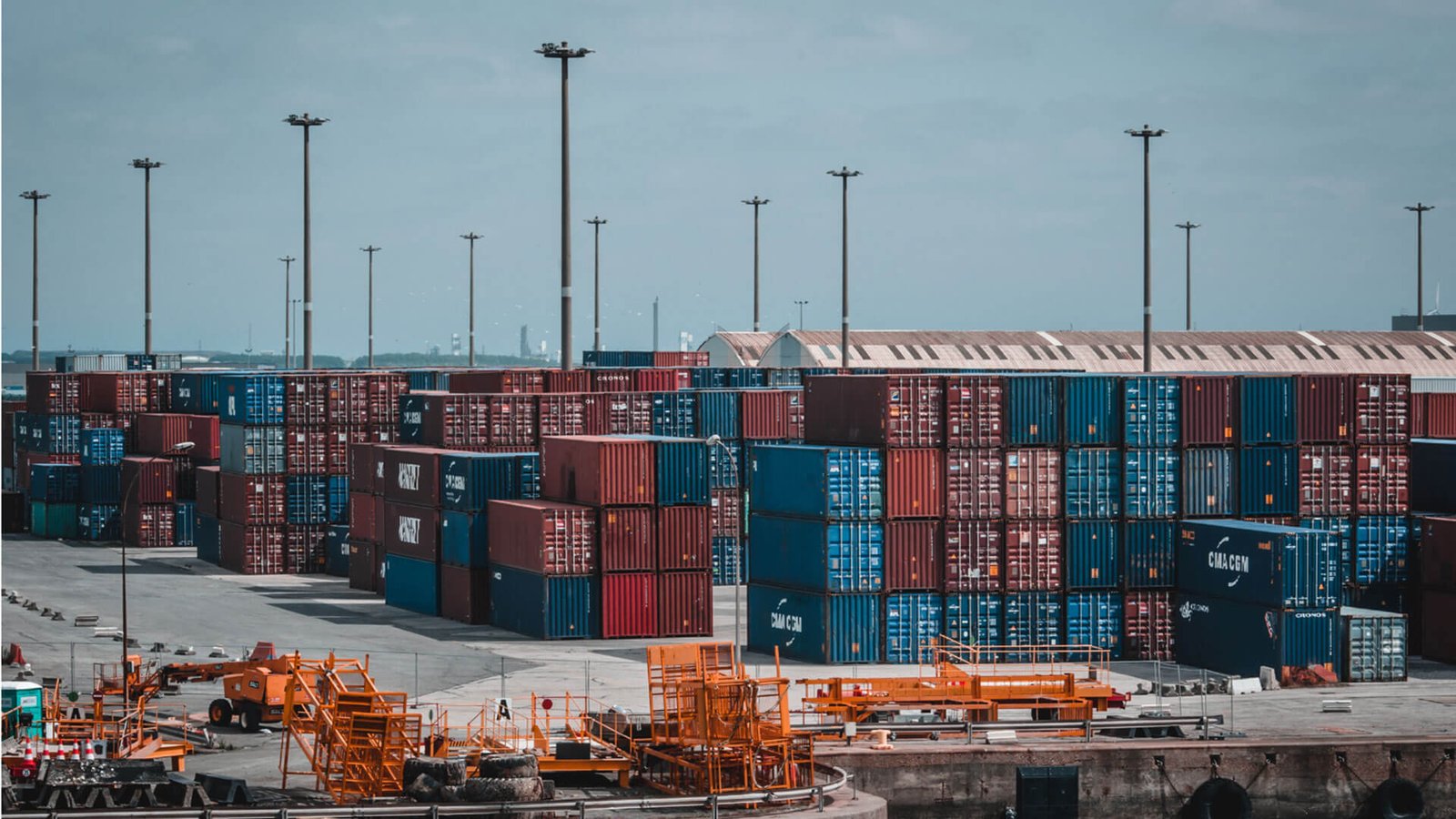
So, what about the legal side? Double blind shipments are allowed, but they must follow strict documentation rules. The intermediary must ensure that all paperwork is accurate to comply with customs regulations. This is where the complexity comes in. Proper documentation is critical for avoiding delays, penalties, or worse.
Double blind shipping is legal when executed correctly, but requires strict documentation accuracy and compliance with customs regulations8?
Legal issues can be daunting, but understanding the laws can help you navigate them.
Double blind shipping is widely used in drop shipping7, contract manufacturing9, and global sourcing networks where multiple parties are involved. Importers rely on this method to maintain control over supplier and customer relationships while coordinating cross-border transportation10 and fulfillment.
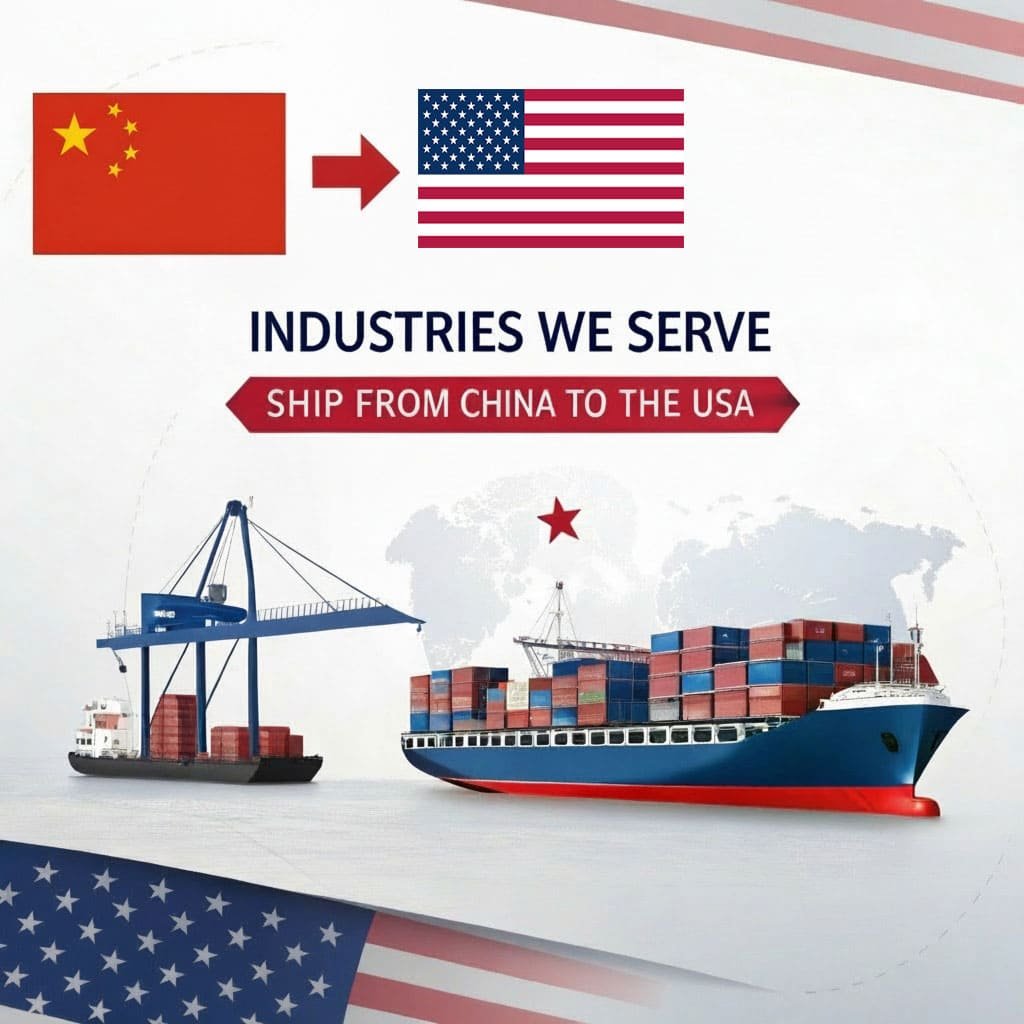
The double blind method is especially useful for businesses involved in drop shipping7. In these cases, the supplier ships products directly to the customer without revealing who they are. This keeps relationships intact and maintains competitive pricing.
Double blind shipments are frequently used in drop shipping7, multi-party sourcing, and complex international supply chains?
When should you consider using a double blind shipment1? Various scenarios may call for this level of confidentiality.
Executing double blind shipment1s requires precise coordination of documents, labels, and carrier instructions. Experienced logistics partners help importers manage these details while ensuring compliance with customs regulations8, reducing the risk of delays, delivery errors, or regulatory penalties.

For businesses looking to use double blind shipment1s, partnering with experienced logistics providers is essential. They can help navigate the complexities and simplify the process. This includes managing documentation and ensuring compliance with customs rules, which minimizes risks.
Experienced logistics partners help importers execute double blind shipment1s while avoiding delays, misrouting, and compliance risks?
Double blind shipments can be an excellent choice in specific situations. But understanding when to use them is crucial.
Google-Friendly Process Flow
- Supplier – Produces and releases goods without consignee visibility.
- Freight Forwarder/Broker – Issues blind documentation and manages routing.
- Carrier – Transports goods using intermediary information only.
- Consignee – Receives goods without supplier identity disclosure.
This process guarantees confidentiality while ensuring that shipments move smoothly.
Shipment Type Comparison (Importer View)
| Shipment Type | Visibility of Identities | Use Case |
|---|---|---|
| Standard Shipment | Full visibility (both identities visible) | Common shipments, no confidentiality needed |
| Blind Shipment | One identity hidden (usually shipper) | Basic confidentiality for shippers |
| Double Blind Shipment | Both identities hidden | High confidentiality and control11 |
As the complexity increases, so do the risks. Choosing the right shipment type is crucial for maintaining control and confidentiality.
Conclusion
Double blind shipments provide a vital solution for importers seeking confidentiality and control11 in their logistics operations.
Understanding double blind shipments can help businesses maintain confidentiality and control in their logistics operations. ↩
Exploring this can reveal how businesses protect sensitive information and maintain commercial control. ↩
Learn how this method helps maintain confidentiality and control in private-label distribution. ↩
Discover how businesses use this method to protect relationships and sensitive information. ↩
Understanding this can help businesses manage complex supply chains while maintaining confidentiality. ↩
Learn how intermediaries manage documentation and ensure smooth logistics operations. ↩
Explore how this method helps maintain supplier and customer confidentiality in drop shipping. ↩
Learn about the legal aspects and documentation needed to avoid penalties and delays. ↩
Understand how this method helps protect business relationships and sensitive information. ↩
Understand how this method ensures smooth international logistics operations. ↩
Learn how this method helps businesses protect sensitive information and maintain control. ↩