Logistics can be a maze for importers. Many face barriers that slow down their operations and increase costs. What if there was a way to navigate this maze effectively?
Supply chain management (SCM)1 coordinates suppliers, transportation2, inventory3, and data across the end-to-end import process. For U.S. importers, SCM ensures logistics activities4 are planned as a connected system5, improving speed, reliability, and cost control rather than treating shipping and warehousing as isolated tasks.

SCM has the power to transform logistics for U.S. importers. It aligns sourcing6, transportation2, inventory3, and information flows7. This integration is crucial for enhancing logistics performance. Without it, importers may struggle with delays and escalating costs. The following sections will explore how SCM contributes to better logistics outcomes.
Supply chain management (SCM)1 integrates sourcing6, transportation2, inventory3, and information flows7 to improve logistics performance across global imports?
Logistics is more than just a series of tasks. It’s about how well those tasks connect. Many U.S. importers grapple with the intricacies of managing these connections.
SCM coordinates suppliers, transportation2, inventory3, and data across the end-to-end import process. For U.S. importers, SCM ensures logistics activities4 are planned as a connected system5, improving speed, reliability, and cost control rather than treating shipping and warehousing as isolated tasks.

In today's global trade environment8, U.S. importers must manage multiple moving parts—from sourcing6 products in China to ensuring timely delivery to customers in the USA. SCM improves logistics performance significantly by creating a more synchronized operation. This includes everything from selecting reliable suppliers to managing the transportation2 and customs processes9 effectively.
Key Components of SCM Integration
| Component | Description |
|---|---|
| Sourcing | Finding suppliers with the right product quality and price. |
| Transportation | Choosing the best routes and carriers for shipping. |
| Inventory | Maintaining optimal stock levels to prevent shortages or overstock. |
| Information Flow | Ensuring all stakeholders have access to real-time data. |
This structured approach allows importers to not only manage their logistics more effectively but also to anticipate challenges and respond proactively.
SCM improves logistics performance by reducing transportation costs10ps://afplus.com/critical-role-transportation-supply-chain-management/)2 costs, shortening lead times11, and increasing shipment reliability12?
Transportation is often the largest cost for importers. Understanding how SCM can reduce these costs is essential.
Effective SCM reduces logistics costs by optimizing freight modes, consolidating shipments, and aligning schedules across suppliers and carriers. It also shortens lead times11 and improves on-time delivery by eliminating handoff delays, enabling importers to meet service targets while protecting margins.

By consolidating shipments and optimizing freight modes, SCM minimizes unnecessary expenses. Importers can save significantly by evaluating which carriers and routes will provide the best value. For instance, using data analytics to choose the right shipping method can lead to both cost savings and faster delivery.
Benefits of Reducing Transportation Costs
- Higher Profit Margins: Lower shipping expenses mean more money per sale.
- Improved Competitive Edge: Cost savings can be passed on to customers, making products more appealing.
- Enhanced Customer Satisfaction: Faster delivery times lead to happier customers, ultimately boosting repeat business.
These benefits highlight the critical role SCM plays in logistics performance. When importers manage their transportation2 effectively, they can lower costs and enhance service levels.
Effective SCM aligns suppliers, carriers, warehouses, and customs processes9 to eliminate bottlenecks13 in imported goods movement?
Bottlenecks can derail the entire logistics process. Recognizing this is vital for U.S. importers.
SCM improves logistics by synchronizing supplier readiness, transportation2 planning, customs clearance, and warehouse operations. This alignment prevents common bottlenecks13 such as port delays, documentation errors, or warehouse congestion, ensuring imported goods move smoothly from origin to final delivery.
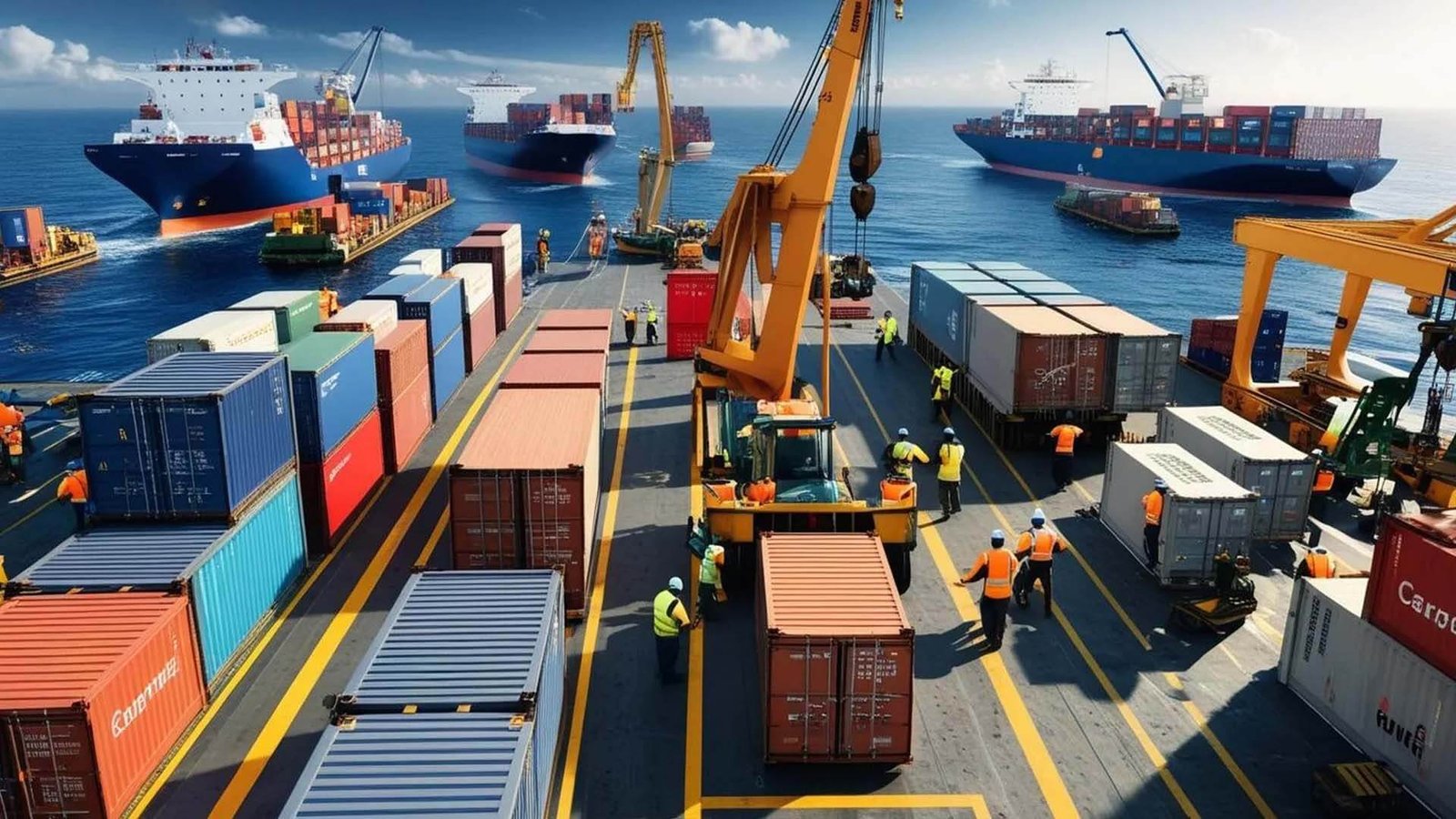
A well-coordinated SCM strategy ensures that every participant in the logistics chain is working together. For example, aligning customs clearance with transportation2 schedules minimizes delays at ports. This synergy reduces the risk of products arriving late or becoming stuck in customs.
Overcoming Common Bottlenecks
| Bottleneck | SCM Solution |
|---|---|
| Port Delays | Schedule transportation2 based on real-time port status. |
| Documentation Errors | Implement automated documentation systems to reduce human error. |
| Warehouse Congestion | Use data analytics to forecast inventory3 needs and optimize storage. |
By addressing these issues, SCM streamlines the movement of goods, resulting in a more efficient supply chain.
Data-driven SCM enables importers to optimize carrier selection14, routing15, and inventory placement16/haslam.utk.edu/gsci/news/inventory-management-in-supply-chain/)3 placement across international trade lanes?
Data is a powerful tool in the logistics toolbox. Leveraging it can revolutionize decision-making.
Modern SCM uses data and analytics to improve logistics decisions, such as selecting reliable carriers, choosing cost-effective routes, and positioning inventory3 closer to demand. This visibility allows importers to balance freight cost, transit time, and service levels across global trade lanes.

When importers have access to real-time data, they can make informed choices that positively impact logistics performance. For example, analyzing past shipping data can reveal which carriers have the best on-time records. This insight allows importers to select partners that will enhance their overall performance.
Key Metrics for Data-Driven SCM
| Metric | Importance |
|---|---|
| Carrier Performance | Evaluates reliability, speed, and cost. |
| Routing Efficiency | Identifies the best paths to minimize transit times. |
| Inventory Turnover | Measures how often inventory3 is sold and replaced. |
Data-driven decision-making is crucial for U.S. importers aiming to optimize their logistics operations.
Strong SCM practices help U.S. importers mitigate logistics risks17 such as disruptions, compliance errors, and demand volatility?
Risks are an inevitable part of logistics. However, effective SCM can help manage these challenges.
SCM improves logistics resilience by identifying risks across suppliers, transportation2, and customs processes9. Importers using structured SCM can respond faster to port congestion, regulatory changes, or demand swings, reducing costly disruptions and maintaining continuity in global shipping operations.

A robust SCM strategy enables importers to anticipate problems before they escalate. For instance, by monitoring changes in tariffs, importers can adjust their strategies proactively. This foresight helps minimize disruptions in supply chains.
Strategies for Risk Mitigation
| Risk | SCM Approach |
|---|---|
| Disruptions | Build relationships with multiple suppliers to diversify sources. |
| Compliance Errors | Ensure all documentation is current and accurate to avoid fines. |
| Demand Volatility | Utilize demand forecasting tools to adjust inventory3 levels. |
By integrating these practices, U.S. importers can better navigate the complexities of global trade.
Importers that invest in end-to-end SCM18 gain better visibility, faster decision-making, and more predictable landed costs19?
Finally, let’s talk about visibility. It’s crucial for any importer looking to enhance their logistics performance.
End-to-end SCM gives importers a unified view of costs, timing, and performance across the logistics lifecycle. This visibility improves forecasting, supports faster decisions, and makes landed costs19 more predictable, helping companies protect margins while scaling international trade operations.

When importers have a complete view of their operations, they can optimize every aspect of the supply chain. This not only aids in cost control but also ensures that every decision is informed. For example, knowing the total landed costs19 allows for better pricing strategies.
Benefits of End-to-End Visibility
| Benefit | Description |
|---|---|
| Improved Forecasting | Anticipates customer demand accurately. |
| Faster Decision-Making | Allows quick responses to market changes. |
| Predictable Costs | Ensures better budget planning and profitability. |
Investing in end-to-end SCM18 is a smart move for U.S. importers aiming to enhance their logistics capabilities.
Conclusion
SCM is vital for improving logistics performance by offering a cohesive strategy that allows U.S. importers to navigate the complexities of global trade with ease.
Understanding SCM is crucial for importers to streamline logistics and reduce costs, enhancing overall business efficiency. ↩
Transportation is a key component in SCM, impacting costs and delivery times, essential for importers to manage effectively. ↩
Proper inventory management prevents shortages and overstock, optimizing supply chain efficiency. ↩
Exploring logistics activities helps importers optimize operations, ensuring timely delivery and cost-effective solutions. ↩
A connected system ensures seamless integration of logistics tasks, improving speed and reliability for importers. ↩
Effective sourcing strategies can lead to better product quality and pricing, crucial for competitive advantage. ↩
Real-time data access improves decision-making and coordination among stakeholders, vital for importers. ↩
Understanding global trade challenges helps importers navigate complexities and improve logistics performance. ↩
Efficient customs processes prevent delays and compliance issues, crucial for importers. ↩
Reducing transportation costs is essential for maintaining profit margins and competitive pricing. ↩
Shorter lead times enhance customer satisfaction and operational efficiency, crucial for importers. ↩
Reliable shipments ensure timely delivery, boosting customer trust and repeat business. ↩
Addressing bottlenecks ensures smooth movement of goods, reducing delays and improving efficiency. ↩
Choosing the right carrier impacts cost, reliability, and transit times, essential for logistics success. ↩
Efficient routing minimizes transit times and costs, improving overall logistics performance. ↩
Strategic inventory placement reduces transit times and costs, enhancing supply chain efficiency. ↩
Identifying and mitigating risks ensures continuity and resilience in global shipping operations. ↩
End-to-end SCM provides visibility and control over logistics, improving forecasting and decision-making. ↩
Predictable landed costs aid in budget planning and profitability, crucial for importers. ↩