The process of importing leather goods to the US can be daunting for many. With strict regulations and compliance requirements, understanding what’s needed is crucial.
Importing leather goods involves navigating complex regulations from U.S. Customs and Border Protection1, wildlife restrictions, and ensuring product compliance. Understanding these requirements will streamline your import process and reduce delays.
Importing leather products requires careful planning and execution. Missteps can lead to costly delays and penalties. This guide will walk you through the essential steps, ensuring compliance and smooth customs clearance.
U.S. Import Regulations for Leather Goods: CBP Rules, Wildlife Restrictions, and Product Compliance?
Leather goods imports must meet customs requirements enforced by U.S. Customs and Border Protection1 and, when animal species are involved, wildlife protection rules2 overseen by U.S. Fish and Wildlife Service. Importers must ensure correct material identification, species compliance3, and accurate declarations to avoid seizures or delays.
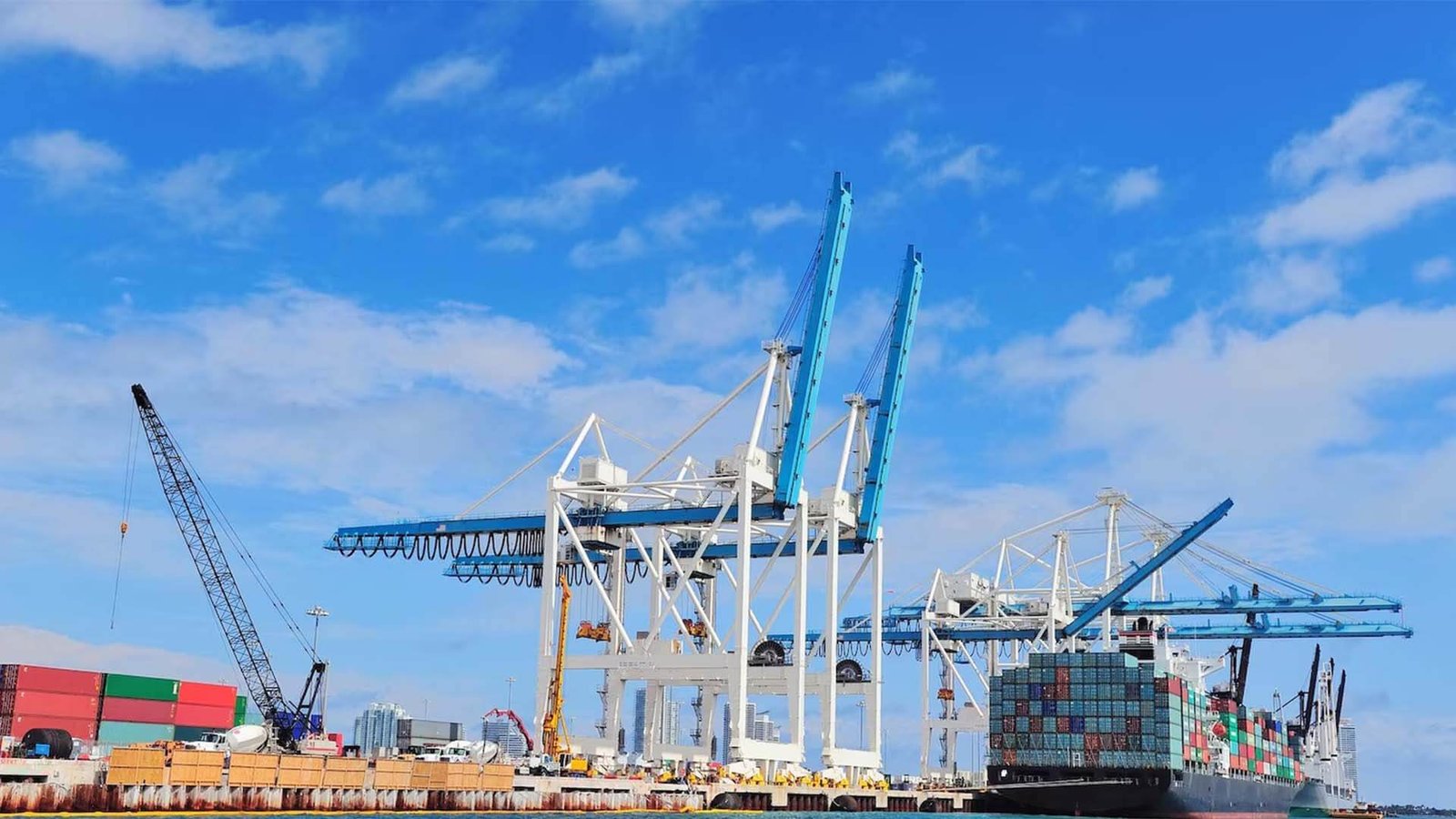
When you import leather goods, you must understand the admissibility basics. Every leather product needs to be assessed for its compliance with U.S. regulations. This includes confirming that the materials used are acceptable under U.S. law. A broker plays a crucial role in reviewing classification and ensuring that all species involved are appropriately identified. This helps mitigate risks of non-compliance.
Duties, Tariff Classification, and Cost Factors When Importing Leather Products?
Leather goods often carry varying duty rates depending on product type, construction, and material composition. Proper tariff classification4 determines duty liability and prevents costly reclassification penalties.
💰 Leather Goods Duty Consideration Table
| Factor | Impact |
|---|---|
| Product type (bags, belts, footwear) | Duty rate varies |
| Material composition | Affects classification |
| Country of origin | Trade remedy risk |
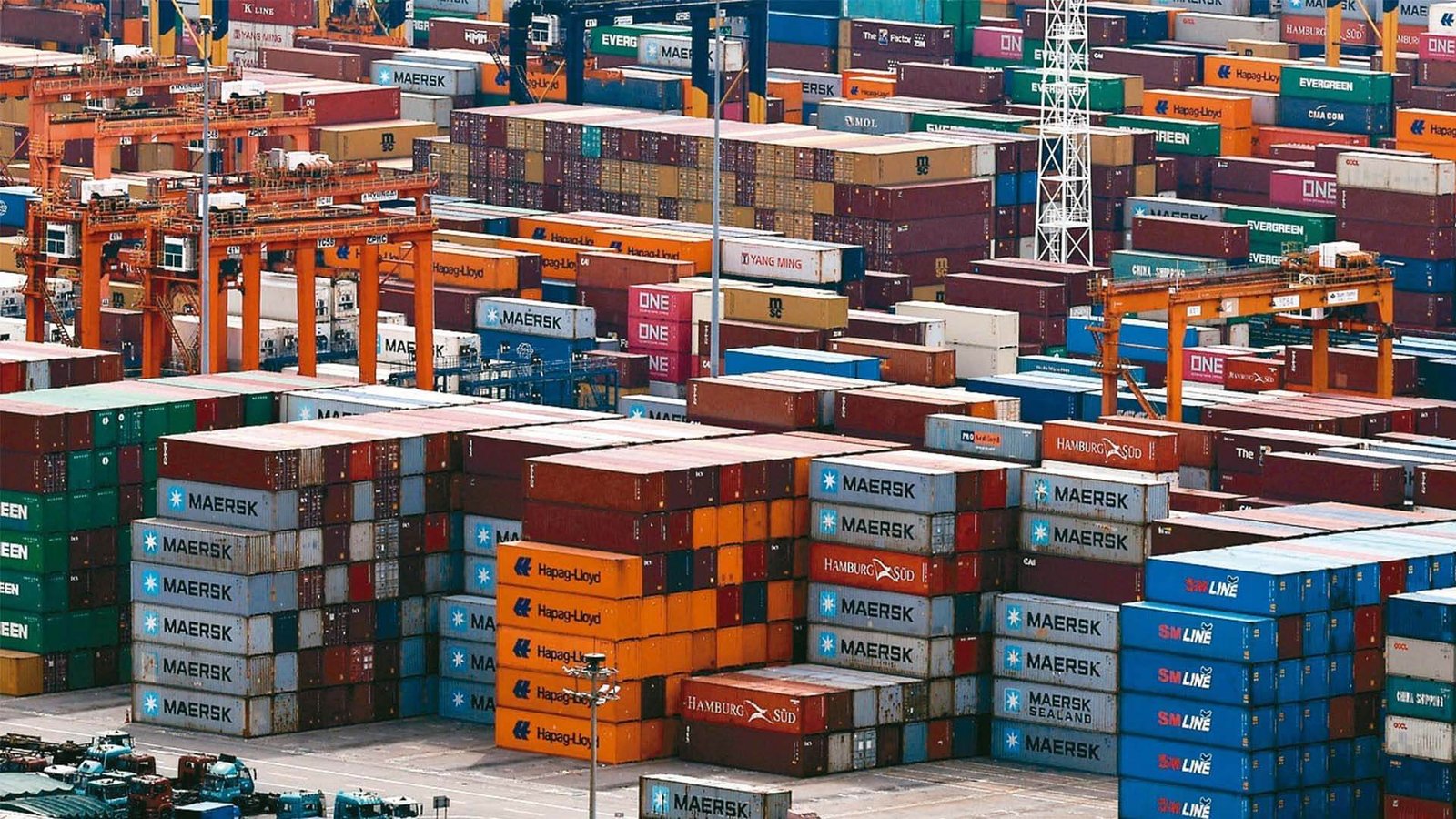
Understanding the duties associated with your products is vital. Each item may fall under different tariff classification4s, which can significantly impact your overall costs. Misclassifications can lead to penalties that can be avoided with proper documentation and classification review.
Required Documents and Customs Clearance Steps for Leather Goods Imports?
Accurate documentation supports smooth customs clearance for leather goods. Invoices must describe materials clearly, and entries must match shipment details to prevent holds or inspections.
| Document | Purpose | Risk if Wrong |
|---|---|---|
| Commercial Invoice5 | Product/value declaration | Delay |
| Packing List6 | Cargo breakdown | Inspection |
| Bill of Lading | Transport contract | Release delay |
| Entry Filing | Customs declaration | Penalties |
Having the right documents is essential for a smooth import process. Each document serves a specific purpose, and discrepancies can lead to significant delays. Ensuring that your paperwork is accurate will help facilitate a quick customs clearance.
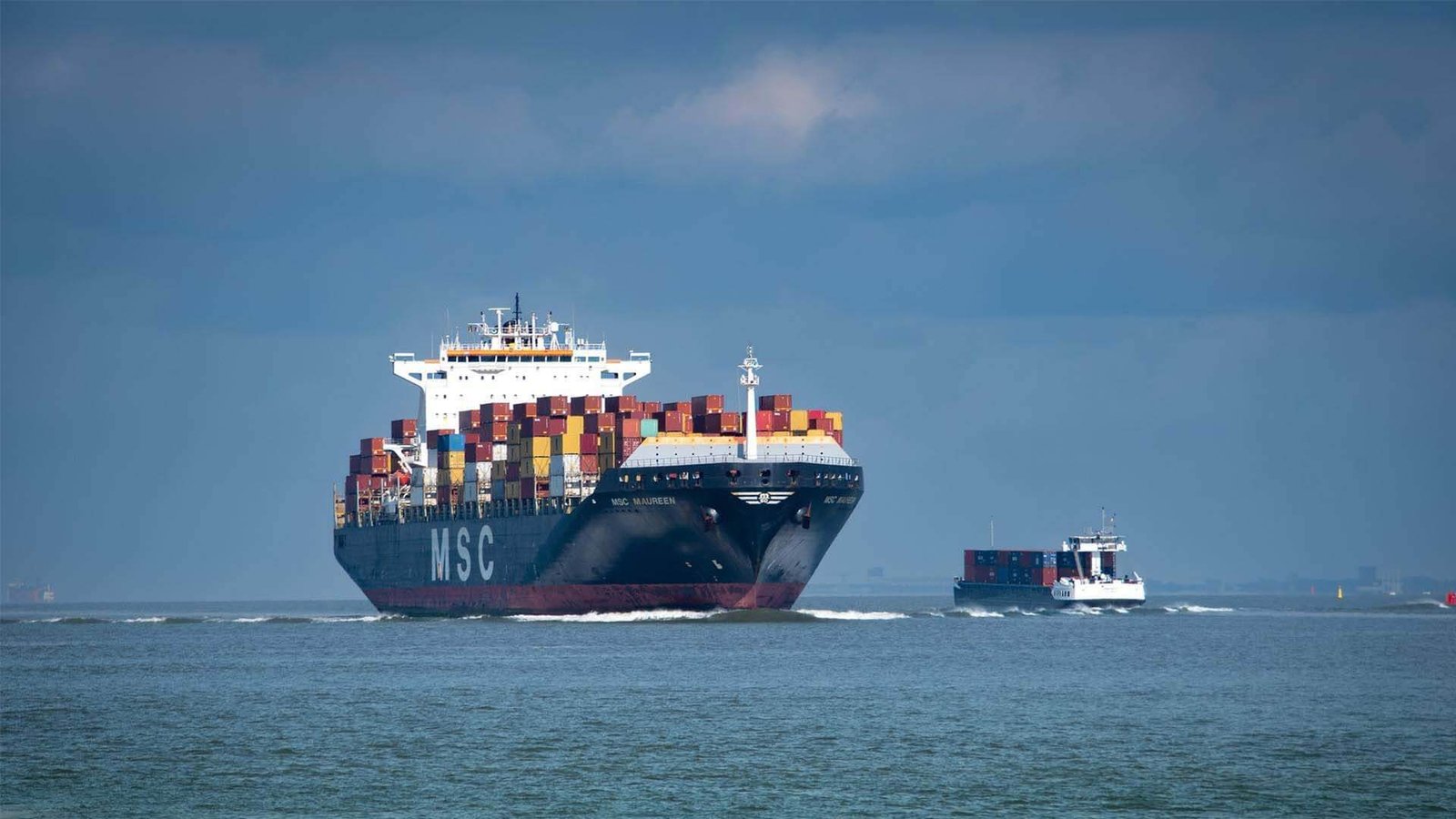
Material Origin, Species Restrictions, and Labeling Rules That Can Trigger Holds?
Certain leathers derived from protected species may require special permits or may be restricted. Incorrect labeling or undeclared materials can trigger inspections, penalties, or seizure.
🐄 Leather Compliance Checklist
- Confirm species legality7
- Accurate material description
- Proper labeling
- Avoid misdeclaration
- Supplier documentation control8
Labels provide vital information about the materials in your leather goods. If there are any inaccuracies, it may lead to inspections by customs officials. It’s necessary to have a thorough compliance checklist to ensure that all materials are legal and properly documented.
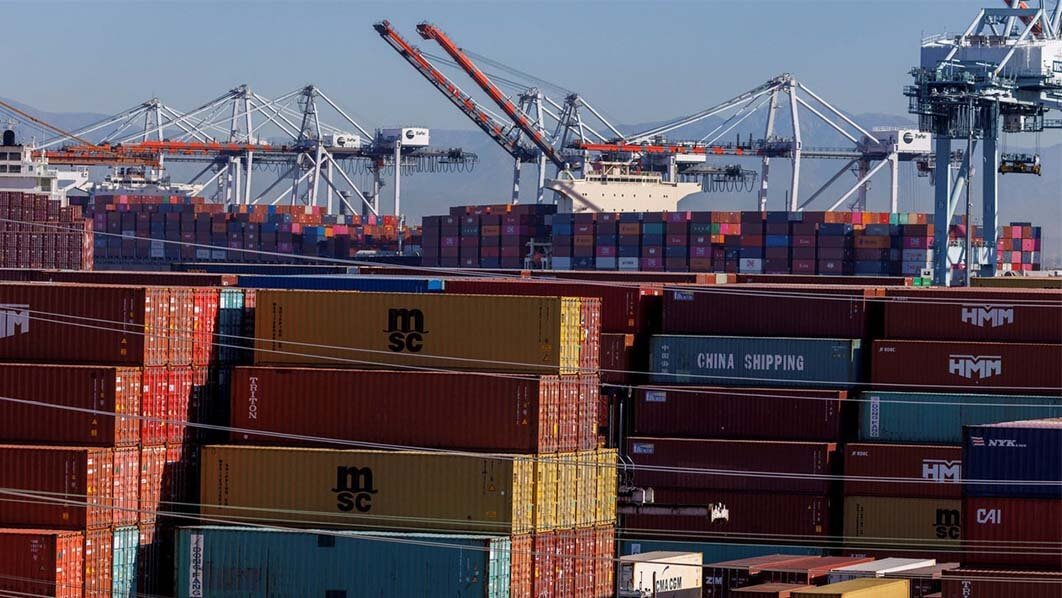
End-to-End Import Workflow: Supplier → Production → Ocean/Air Freight → Customs Clearance → Distribution?
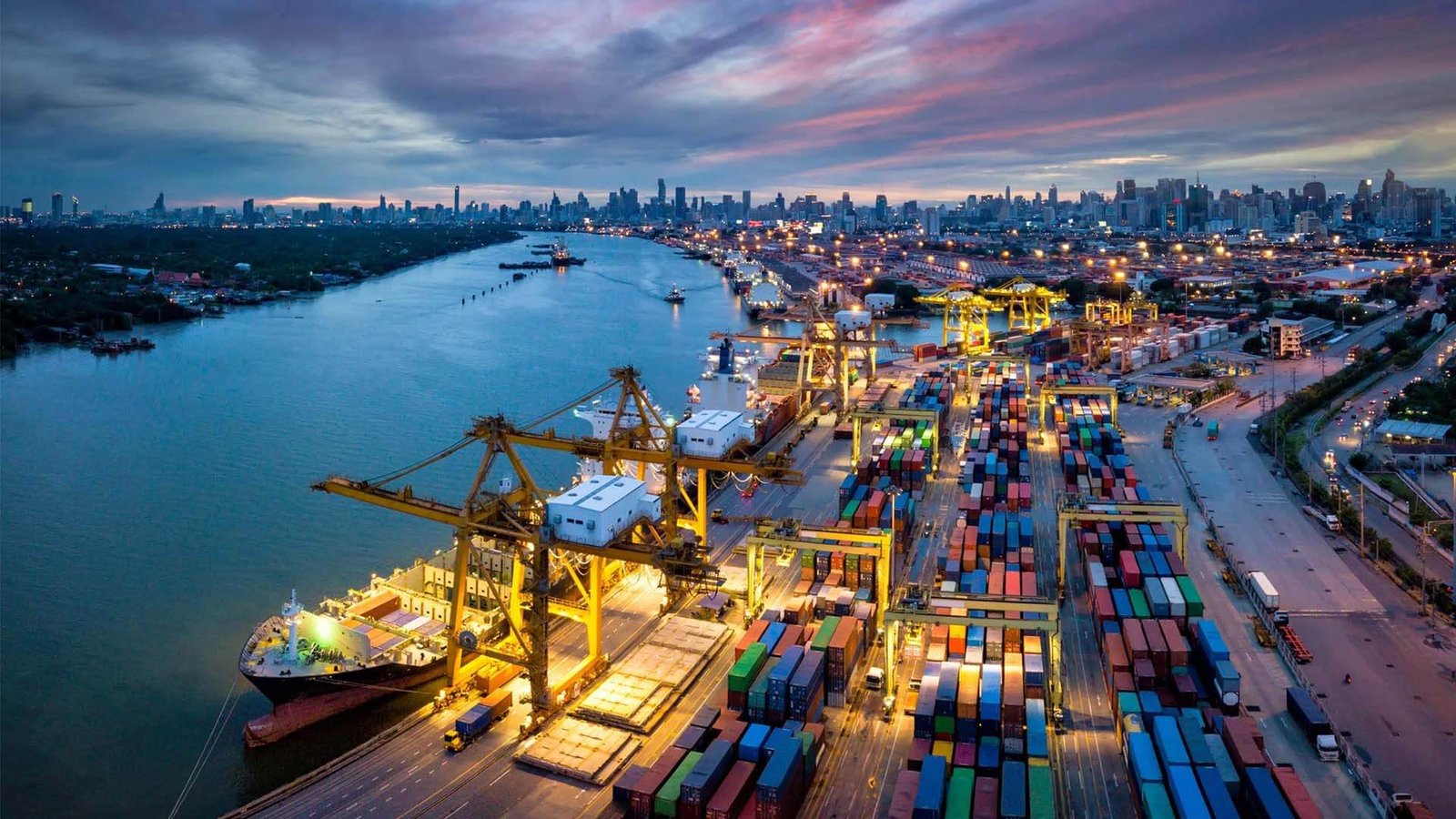
Leather goods imports require coordination from supplier production and packaging through freight movement9, customs entry, and final distribution. Structured workflow management helps reduce compliance risk and transit delays.
🚢 Workflow Diagram (Text)
- Supplier production
- Material verification
- Export docs
- Freight movement
- Arrival
- Customs entry
- Release
- Delivery
⚠️ Importer Risk Matrix
| Risk | Cause | Impact | Prevention |
|---|---|---|---|
| Species violation | Wrong material | Seizure | Pre-check |
| Misclassification | HS error | Duty increase | Broker audit |
| Doc mismatch | Invoice error | Delay | Review |
| Labeling issue | Missing info | Inspection | Supplier control |
The end-to-end workflow for importing leather goods is complex. Ensuring that each step is handled correctly minimizes risks associated with customs. By working closely with your freight forwarder and customs broker10, you can manage documentation, classification, and compliance effectively.
Conclusion
In summary, successfully importing leather goods to the US involves understanding regulations, accurate documentation, and effective workflow management to avoid delays and ensure compliance.
Understanding CBP regulations is crucial for smooth import processes and avoiding penalties when importing leather goods. ↩
Exploring wildlife protection rules helps ensure compliance and avoid legal issues when importing leather goods involving animal species. ↩
Species compliance is vital to prevent seizures and delays, ensuring that leather goods meet legal requirements regarding animal materials. ↩
Proper tariff classification can prevent costly penalties and ensure accurate duty rates for leather goods imports. ↩
A Commercial Invoice is essential for declaring product value and ensuring smooth customs clearance, preventing delays. ↩
A Packing List provides a cargo breakdown, helping prevent inspections and ensuring accurate shipment details. ↩
Confirming species legality is crucial to avoid penalties and ensure compliance with wildlife protection regulations. ↩
Supplier documentation control helps prevent misdeclaration and ensures accurate material descriptions, reducing compliance risks. ↩
Freight movement is a key part of the import workflow, ensuring timely delivery and reducing transit delays. ↩
A customs broker plays a vital role in managing documentation, classification, and compliance, minimizing import risks. ↩