Unexpected port fees are wrecking your budget. The Traffic Mitigation Fee (TMF)1 appears on invoices, leaving you confused and overcharged. Let's break it down and control your costs.
The Traffic Mitigation Fee (TMF)1 is a port charge for containers moving through the Ports of Los Angeles and Long Beach2. It funds off-peak terminal operations3 to reduce daytime truck traffic, improve cargo flow, and increase overall port efficiency, especially during high-volume periods.
I've worked with many U.S. importers, like my client Mark, who get blindsided by these charges. They think they have calculated their total landed cost4, only to find a TMF fee added at the last minute. This fee isn't random. It has a specific purpose, and understanding it is the first step toward managing it effectively. This fee is a direct response to a real-world problem at two of America's busiest ports. Let's dive deeper into what the TMF really is and how it directly impacts your business.
What is the Traffic Mitigation Fee (TMF)1 and Why Was It Created?
Port congestion at LA and Long Beach creates huge delays. These delays cost you time and money. The TMF was created as part of a program to fund a solution.
The Traffic Mitigation Fee (TMF)1 is a congestion-related port charge applied to containers moving through the Ports of Los Angeles and Long Beach2. It funds off-peak terminal operations3 designed to reduce daytime congestion, improve truck flow, and increase port efficiency during high-volume shipping periods.
The TMF is a core component of the PierPASS program5. I remember years ago when the ports of Los Angeles and Long Beach were an absolute nightmare during the day. Truck lines could stretch for miles, and wait times were unpredictable, causing massive disruptions in supply chain6s. The ports needed a way to encourage truckers to pick up and drop off containers during less busy times, like nights and weekends. The solution was to create a second shift, but that costs money. Terminal operators need to pay for labor and equipment to run these off-peak gates. The TMF is the mechanism that funds these extended hours. By charging a fee for containers moved during peak daytime hours, it creates a financial incentive to shift traffic to the off-peak shifts. This isn't a carrier fee; it's a port-level operational fee passed on to the cargo owner to improve the entire ecosystem.
Who Actually Pays the TMF and Why Does the Cost Vary?
You see the TMF on your bill, but who is responsible for it? This variable fee can be a surprise, making it hard to budget your landed cost4s accurately.
TMF is paid by U.S. importers and exporters on a per-container basis, typically charged by terminal operators or passed through by carriers. The fee varies by container size and timing, making it a variable landed cost4 that can significantly affect total import expenses.

Ultimately, the beneficial cargo owner (BCO)7—that's you, the importer—is responsible for paying the TMF. While the fee is collected by PierPASS from the drayage company8 that hauls your container, they will bill this cost back to you. It's a pass-through charge. A common mistake I see importers make is assuming the TMF is included in their ocean freight quote. It is almost never included. It is a destination port charge. The cost varies for a few key reasons. First, it depends on when your container is moved out of the terminal. If your trucker picks it up during peak hours (Monday-Friday, 7 AM to 6 PM), the fee applies. If it's picked up during an off-peak shift, there is no TMF. Second, the cost is different for a 20-foot container versus a 40-foot or 45-foot container. This variability is why it's a risk to your landed cost4 model; you can't always predict it if your logistics aren't tightly managed.
How Do TMF Rate Changes Affect My Shipments from China?
Your shipping budget9 from China was set. Suddenly, TMF rates at LA/Long Beach increase, and your costs go up. This volatility makes planning difficult for importers.
TMF rates at the Ports of Los Angeles and Long Beach2 are adjusted periodically and tend to rise during congestion peaks. For China–U.S. importers, these increases directly impact freight budgets, especially when combined with longer transit times and terminal delays.
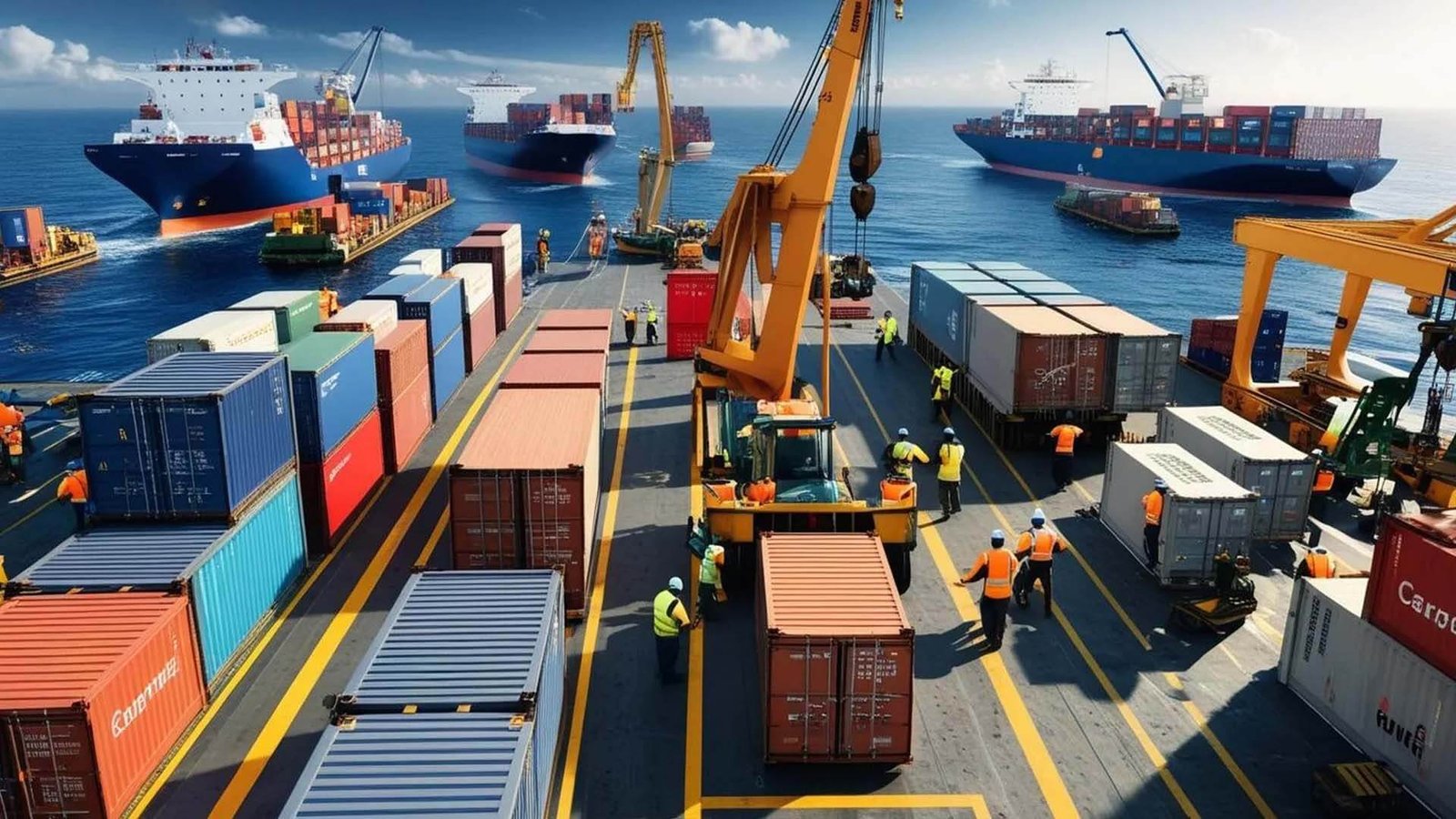
For importers sourcing goods from China, the LA/Long Beach ports are the main gateway to the U.S. This makes the TMF a critical cost factor in your supply chain6. The rates are not static. PierPASS and the port authorities10 review and adjust them periodically, usually once a year. These changes are announced publicly. The adjustments are based on the costs of running the off-peak gates and the volume of traffic. During periods of heavy port congestion11, like the peak seasons we've seen in recent years, the strain on port infrastructure increases. This can lead to higher operational costs and, consequently, higher TMF rates. For a business importing hundreds of containers a year from China, even a small increase per container adds up to a significant expense. It's another layer of uncertainty. Not only do you face potential delays from congestion, but you also have to budget for a fee that can rise with that same congestion.
What's the Difference Between TMF, PierPASS, and Other Port Fees?
TMF, PierPASS, Clean Truck Fee12... the list of port charges is confusing. Misunderstanding these fees can lead to compliance issues and unexpected expenses. Let's clear up the confusion.
TMF is often confused with PierPASS and other port-related fees, but they serve different purposes. TMF focuses on congestion mitigation, while PierPASS is the system managing traffic timing. Other charges like clean truck fees cover separate operational and environmental costs.

I constantly get questions from clients trying to understand their terminal invoices. The number of acronyms and fees can be overwhelming. It's important to break them down because they are not the same. The TMF is a specific fee collected under the PierPASS system. Think of PierPASS as the organization that runs the program, and TMF as the fee that funds it. But there are other fees that have nothing to do with traffic mitigation. For example, the Clean Truck Fee12 is an environmental charge aimed at phasing out older, high-polluting trucks. A Terminal Handling Charge (THC)13 is a cost from the ocean carrier for a wide range of services performed at the port terminal. Understanding the differences is crucial for accurate budgeting and for knowing who to talk to if you have a question about a charge. Here is a simple table to help clarify:
| Fee Type | Who Charges It | Purpose | Applies To | Who Pays | Key Importer Impact |
|---|---|---|---|---|---|
| Traffic Mitigation Fee (TMF)1 | Port terminals / PierPASS | Reduce congestion via off-peak operations | LA & Long Beach containers | Importer / Exporter | Variable landed cost4, congestion-driven |
| PierPASS Fee | PierPASS Inc. | Shift truck traffic to off-peak hours | Drayage moves | Importer / Trucker | Timing-sensitive cost |
| Clean Truck Fee12 | Port authorities | Fund low-emission truck programs | Older drayage trucks | Trucker (passed on) | Environmental compliance cost |
| Port Truck Pass | Terminals | Access control & security | Truck entry | Trucker | Minor access fee |
| Terminal Handling Charge (THC)13 | Ocean carriers | Terminal loading/unloading | All containers | Importer / Shipper | Included or itemized freight cost |
How Can I Strategically Reduce My TMF Costs?
Paying high TMF fees feels unavoidable. You feel stuck with the costs of port congestion11. But there are smart strategies to minimize your exposure and save money.
U.S. importers can reduce TMF exposure by working with experienced logistics partners14 who optimize port selection15, schedule off-peak appointments, and manage shipments holistically from origin to final delivery, improving cost predictability and reducing congestion-related surcharges16.
You are not powerless against the TMF. With proactive planning, you can significantly reduce or even eliminate this fee. This is where having a strong logistics partner makes a huge difference. The first strategy is appointment scheduling17. An experienced partner with good relationships with drayage companies can secure off-peak appointments to retrieve your containers. This directly avoids the fee. Second is end-to-end shipment planning18. We don't just look at the ocean voyage. We coordinate with the factory bottleneckerseas, the carrier, the trucker, and the warehouse. This holistic view allows us to time the shipment's arrival and pickup to align with off-peak availability. Finally, for some importers, port selection15 can be a viable strategy. If your final destination is flexible, routing a shipment through an alternative port that doesn't have a TMF, like Oakland or a Gulf/East Coast port, might be more cost-effective, even with higher inland freight costs. It's about looking at the total landed cost4, not just one fee in isolation.
Conclusion
The Traffic Mitigation Fee doesn't have to be a surprise cost. By understanding its purpose and using smart logistics, you can manage this fee and protect your import budget.
Understanding TMF is crucial for managing unexpected port fees and improving your import budget. ↩
These ports are key entry points for imports, and understanding their operations can help manage costs. ↩
Exploring off-peak operations can reveal strategies to minimize congestion-related fees. ↩
Understanding landed cost helps in budgeting and managing unexpected fees like TMF. ↩
PierPASS is integral to understanding TMF and its role in port fee structures. ↩
Congestion can disrupt supply chains, leading to delays and increased costs. ↩
Knowing your role as a BCO helps in understanding responsibilities for port fees like TMF. ↩
Drayage companies are key in managing container movement and associated fees. ↩
Effective budget management helps in anticipating and mitigating unexpected fees like TMF. ↩
Port authorities set and adjust fees like TMF, impacting your shipping expenses. ↩
Port congestion leads to delays and increased fees, affecting your shipping budget. ↩
Differentiating between port fees like Clean Truck Fee and TMF is essential for accurate budgeting. ↩
Understanding THC helps in distinguishing various port fees and managing costs. ↩
Working with experienced logistics partners can optimize shipping routes and reduce fees. ↩
Choosing the right port can avoid fees like TMF, optimizing your shipping budget. ↩
These surcharges can significantly impact your budget, understanding them is key to cost control. ↩
Scheduling off-peak appointments can help avoid TMF, saving on shipping costs. ↩
Comprehensive planning can align shipments with cost-saving opportunities like off-peak times. ↩