Are you struggling to understand the complex FDA rules for importing dietary supplements1? A single mistake can lead to costly detentions, turning your profits into losses. Let's clarify your responsibilities.
Dietary supplements do not require pre-market FDA approval2, but they must comply with extensive food and supplement regulations enforced by the U.S. Food and Drug Administration. U.S. importers must ensure products meet all safety, labeling, and filing requirements3 before entering the United States.
I've seen many importers, just like you, get tangled in the web of FDA regulations. It's a common misconception that importing supplements is simple because they don't need "approval" like prescription drugs. The reality is far more complicated. The FDA holds you, the importer, to a very high standard. Getting this right from the beginning is not just good practice; it's essential for protecting your business. Let's walk through what you absolutely need to know to import supplements successfully and avoid the common pitfalls that I see trip up even experienced business owners.
Do dietary supplements really not need FDA pre-approval?
Heard "no FDA pre-approval" and thought importing supplements would be easy? This common misunderstanding is a dangerous trap that can cost you thousands in seized goods and legal fees.
Dietary supplements do not require pre-market FDA approval2, but they must comply with extensive food and supplement regulations enforced by the U.S. Food and Drug Administration. U.S. importers must ensure products meet all safety, labeling, and filing requirements3 before entering the United States.

Let's be very clear about this. The term "FDA Approved4" is a specific status reserved mostly for new drugs and high-risk medical devices. The FDA has reviewed their clinical trial data and has determined that the benefits outweigh the known risks. Dietary supplements do not go through this process. However, this does not mean they are unregulated. Far from it. Under the Dietary Supplement Health and Education Act (DSHEA) of 19945, the FDA regulates supplements as a special category of food. This means you must comply with a different, but still very strict, set of rules. The FDA monitors the market6 for unsafe products, mislabeled items, and improper claims. They can and will take action after the product is on the market, which is why your upfront compliance work is so critical. Thinking "no pre-approval" means "no rules" is the first and most expensive mistake an importer can make.
Are you legally responsible for your foreign supplier's mistakes7?
Your supplier in China sent you an "FDA certificate8" and assured you everything is compliant. This piece of paper feels like a safety net, but it will not protect you.
U.S. importers are legally responsible for ensuring dietary supplements comply with FDA regulations, even when products are manufactured overseas. Manufacturer claims, test reports, or “FDA certificate8s” do not transfer liability away from the importer of record.
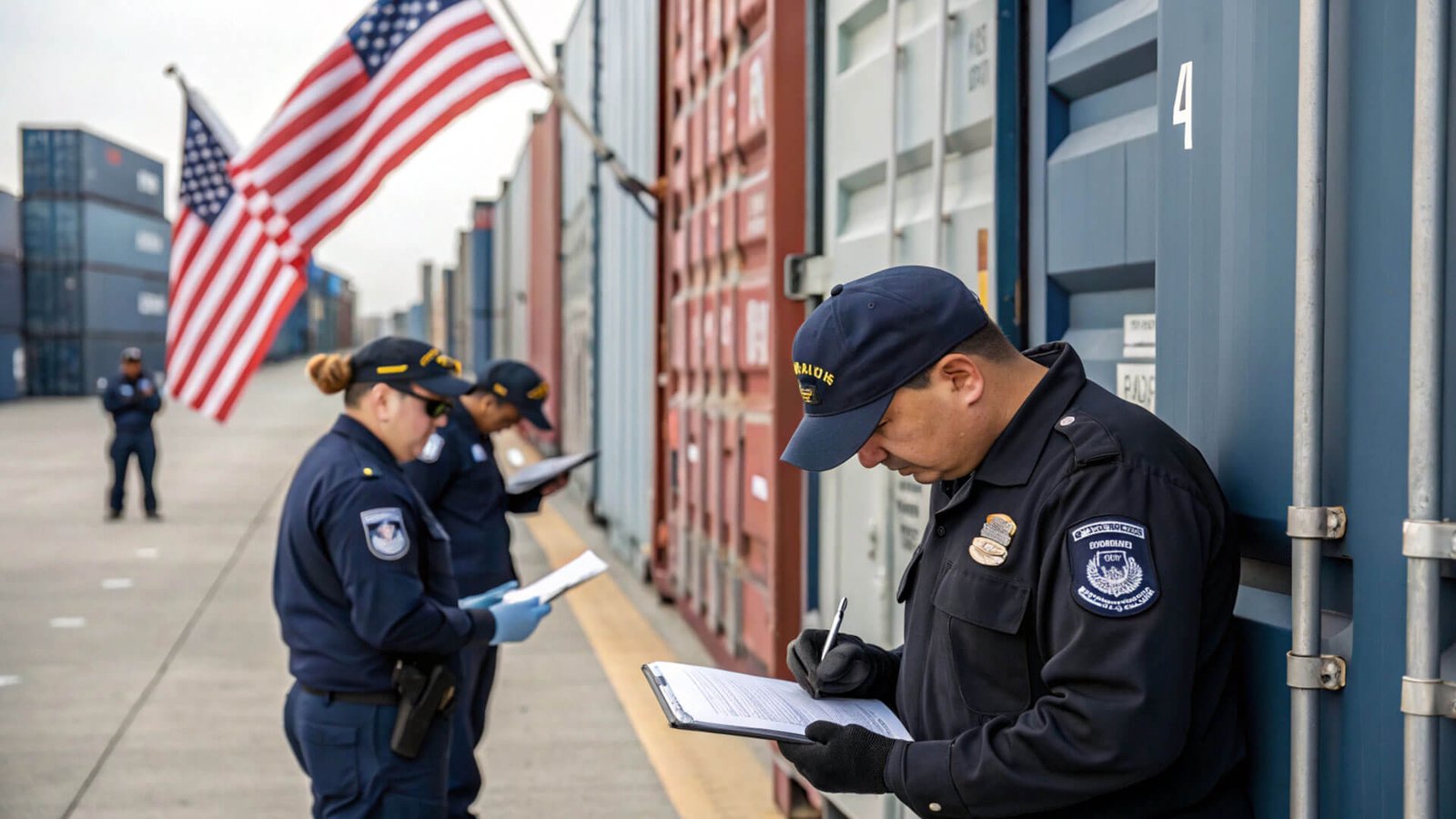
The FDA is very direct about this: if you are the U.S. importer of record, you are legally responsible. It doesn't matter what your foreign manufacturer says, promises, or "certifies." I once had a client, Mark, who learned this the hard way. He imported a container of supplements based on his supplier's guarantee and a fancy-looking certificate. The shipment was detained because of an unapproved ingredient. The FDA didn't care about the supplier's certificate; they held Mark responsible. He lost the entire shipment. Your name is on the customs entry, so you own the compliance risk. This means you must do your own due diligence. You cannot outsource this responsibility. Understanding this is fundamental to building a sustainable import business.
Your Core Responsibilities as the Importer
| FDA Requirement | What It Covers | Your Responsibility as the Importer |
|---|---|---|
| Facility Registration9 | Manufacturing and packing sites. | You must verify the foreign facility has an active and valid FDA registration. |
| Product Labeling10 | Supplement Facts, claims, warnings. | You must ensure every part of the label meets strict FDA rules before printing. |
| Ingredient Safety11 | Lawful and approved ingredients. | You must confirm every single ingredient is lawful for sale in a U.S. supplement. |
| Prior Notice | Pre-arrival FDA notification. | You must file an accurate Prior Notice with the FDA before the shipment arrives. |
| FSVP | Supplier safety verification. | You must create and maintain a Foreign Supplier Verification Program for your supplier. |
| FDA Inspection12 | Shipment review and sampling. | You must be prepared to respond to FDA requests and remediate any issues. |
What are the core FDA requirements you must meet?
You know there are rules for importing supplements, but the specific details can feel overwhelming. Missing just one of these core requirements is enough to get your entire shipment stopped.
FDA compliance for dietary supplements includes facility registration, accurate product labeling, lawful ingredients, and prior notice submission before arrival. Missing or incorrect filings frequently trigger FDA holds, especially for first-time importers or new products.

Let's break down the absolute must-haves. These are the non-negotiable pillars of your import process. First, the foreign facility where your supplements are made or packaged must be registered with the FDA. You must verify this registration is active. Second is your product labeling. The label is not a marketing tool; it's a regulatory document. It must have a compliant "Supplement Facts" panel, and you cannot make disease claims (e.g., "cures," "treats," "prevents"). Third, every ingredient must be lawful for use in a supplement in the U.S. An ingredient popular in Asia may be banned in the U.S. Finally, you must file a "Prior Notice" with the FDA before your shipment arrives at the U.S. port. This electronic filing tells the FDA what's coming. Failure on any of these four points is a red flag and a common reason for FDA detention.
What is the Foreign Supplier Verification Program and why does it matter?
You've probably heard the term FSVP, but you might not be sure what it requires from you. Ignoring your FSVP obligations is a direct violation that can land you on an FDA import alert.
Under the Foreign Supplier Verification Program, U.S. importers must verify that foreign manufacturers meet U.S. safety standards. FSVP is mandatory for most dietary supplement imports and requires documented supplier approval, hazard analysis, and ongoing verification activities.

The Foreign Supplier Verification Program, or FSVP, is a critical regulation that fundamentally shifts safety responsibility onto you, the importer. The FDA requires you to have a formal, written program to verify that your foreign suppliers are producing food (including supplements) with the same level of public health protection as required of U.S. producers. This is not a simple checklist. You must perform a hazard analysis for the supplement, evaluate your foreign supplier's performance and risks, and conduct supplier verification activities. These activities could include onsite audits of the foreign facility, reviewing their food safety records, or periodic product testing. You are required to document all of this in your FSVP plan and keep records. The FDA can and does conduct FSVP inspections13 at importers' places of business. Not having a compliant FSVP is one of the fastest ways to lose your importing privileges.
What are the most common reasons the FDA detains supplement shipments?
Your container is on the water, and you're just hoping it clears customs without a problem. Then, the dreaded FDA hold notice arrives, and your costs and stress levels begin to skyrocket.
Dietary supplement shipments are commonly detained or refused due to non-compliant labels14, prohibited ingredients, unsupported claims, or missing FDA filings15. Once flagged, products may face extended holds, relabeling requirements, or export or destruction orders.
In my experience, almost all FDA detentions come down to a few common, preventable mistakes. The number one reason is non-compliant labeling. This includes everything from an incorrectly formatted Supplement Facts panel to making illegal disease claims on the packaging. The second major issue is the presence of unapproved or undeclared ingredients. The FDA maintains lists of substances that are not permitted in dietary supplements, and they actively test for them. The third is simply a failure of paperwork. This could be a missing Prior Notice filing or the FDA discovering you have no FSVP in place for your supplier. When the FDA detains your shipment, it's frozen. You can't touch it. Your options are limited: you might be able to pay to have it relabeled in a bonded warehouse (if it's a label issue), re-export it, or have it destroyed. All of these options are extremely expensive.
A Step-by-Step Workflow to Avoid FDA Holds
- Confirm Product Classification: Ensure your product legally qualifies as a dietary supplement under U.S. law.
- Verify All Ingredients: Check that every ingredient is lawful and permitted for sale in the U.S.
- Review Labels: Scrutinize all labels for FDA-compliant Supplement Facts, net contents, and claims.
- Confirm Facility Registration9: Verify your foreign manufacturer's FDA registration is active and current.
- Establish FSVP: Create and document your Foreign Supplier Verification Program for each foreign supplier.
- File Prior Notice: Accurately file your FDA Prior Notice before the shipment arrives at the port.
- Submit Customs Entry: Ensure your customs broker submits the entry with all correct FDA data.
- Be Ready to Respond: If a hold occurs, respond quickly and completely to all FDA requests.
- Retain Records: After release, keep all compliance and import records for potential future audits.
How can you streamline compliance to avoid FDA delays?
Juggling foreign suppliers, complex FDA rules, and international shipping can feel like a nightmare. If you drop any one of these balls, you face stressful delays and unexpected costs.
End-to-end compliance and logistics coordination allows importers to align FDA filings, customs clearance, and transportation planning. This integrated approach reduces clearance time, minimizes enforcement risk, and prevents costly supply chain disruptions.

The secret to smooth importing is to stop thinking about compliance and logistics as separate tasks. They must be integrated. An end-to-end approach means your compliance work is aligned with your physical shipping schedule from the very beginning. Here's a key insight I've gained over the years: most FDA supplement failures happen before the shipment even leaves the foreign port. They happen because the label was designed incorrectly, an ingredient wasn't vetted, or the supplier's registration lapsed. By the time the container is on the water, it's often too late. Working with a partner who deeply understands both FDA compliance and international logistics is a game-changer. We can help you front-load the compliance work—reviewing labels, verifying suppliers, and preparing filings—long before the container is booked. This proactive, integrated strategy is the single most effective way to ensure your shipments clear customs efficiently and predictably.
Conclusion
Successful supplement importing isn't about luck. It's about taking full responsibility for compliance from start to finish. Proactive, expert-guided planning is your best defense against costly FDA problems.
Understanding FDA rules is crucial to avoid costly detentions and ensure compliance when importing dietary supplements. ↩
Learn why dietary supplements don't need pre-market FDA approval but must comply with strict regulations to avoid import issues. ↩
Ensure your dietary supplements meet all safety, labeling, and filing requirements to prevent costly detentions. ↩
Discover the difference between FDA approval and compliance for dietary supplements to avoid common misconceptions. ↩
Understand the DSHEA of 1994 to learn how dietary supplements are regulated as a special category of food. ↩
Explore how the FDA monitors dietary supplements for safety and compliance to protect your business from penalties. ↩
Learn why U.S. importers are legally responsible for compliance, even if the products are manufactured overseas. ↩
Find out why an FDA certificate from a foreign supplier may not protect you from compliance issues. ↩
Ensure your foreign manufacturing facility has an active FDA registration to comply with import regulations. ↩
Learn about the strict FDA rules for product labeling to avoid shipment detentions. ↩
Verify that all ingredients in your dietary supplements are lawful to prevent FDA detentions. ↩
Prepare for FDA inspections by understanding what they entail and how to respond to requests. ↩
Understand the role of FSVP inspections in maintaining compliance and avoiding import alerts. ↩
Avoid costly detentions by ensuring your dietary supplement labels comply with FDA regulations. ↩
Learn the importance of accurate FDA filings to prevent shipment holds and compliance issues. ↩