Ecommerce fulfillment1 is essential for online success. It involves a variety of processes to ensure customer orders are efficiently managed and delivered.
Ecommerce fulfillment1 covers everything required to deliver an online order—receiving inventory2, storing it, picking/packing orders3, shipping4, and managing returns5. Third-party fulfillment (3PL)6 means outsourcing these warehouse and shipping4 operations to a fulfillment partner. Importers use 3PLs7 to scale faster, reduce fixed warehouse costs, and improve delivery speed without building their own operations.

When starting a business, choosing the right fulfillment strategy8 is crucial. The right decisions can save you time and money, allowing you to focus on growth. Let's dive deeper into the world of ecommerce fulfillment.
Explain what eCommerce fulfillment and third-party fulfillment (3PL) mean in practice, and why U.S. importers use them to scale without building warehouses?
Ecommerce fulfillment1 involves the complete process of receiving, storing, and delivering products to customers. When businesses choose third-party fulfillment, they outsource these processes to specialized providers. This is particularly beneficial for U.S. importers.
What is third-party logistics in e-commerce? Third-party logistics (3PL) refers to the outsourcing of logistics and fulfillment processes to a third-party provider. They handle storing, packing, and shipping4 your products.
What is third party fulfillment? Third party fulfillment is similar to 3PL but emphasizes the actual order fulfillment processes, including managing returns5 and inventory.
What is the fulfillment process in e-commerce? The fulfillment process includes receiving products, storing them, picking, packing, shipping4 them to customers, and managing returns5.
Key Definitions
- Fulfillment: The overall process of delivering a product from the supplier to the customer.
- 3PL: A service provider that manages logistics and fulfillment for businesses.
- Freight Forwarder9: A company that arranges the shipping4 of goods on behalf of the importer.
- Customs Broker10: A professional who assists in navigating the regulations involved in importing goods.
Map the end-to-end fulfillment workflow11 for importers (supplier → freight → U.S. customs → 3PL receiving → storage → pick/pack → ship → returns).
For import-based ecommerce, fulfillment starts long before the order is placed. Inventory must move from supplier to the U.S. through international freight and customs clearance, then be received into a 3PL warehouse for storage and order processing. A reliable workflow prevents stockouts, late deliveries, and costly warehouse exceptions during receiving and shipping4.
Supplier → Freight Forwarder9 → U.S. Customs Clearance → 3PL Receiving → Putaway/Storage → Pick → Pack → Ship → Returns / Reverse Logistics

Failure Points
- Customs Holds
- Missing Labels
- Receiving Delays
- Inventory Mismatch
- Carrier Cutoff Misses
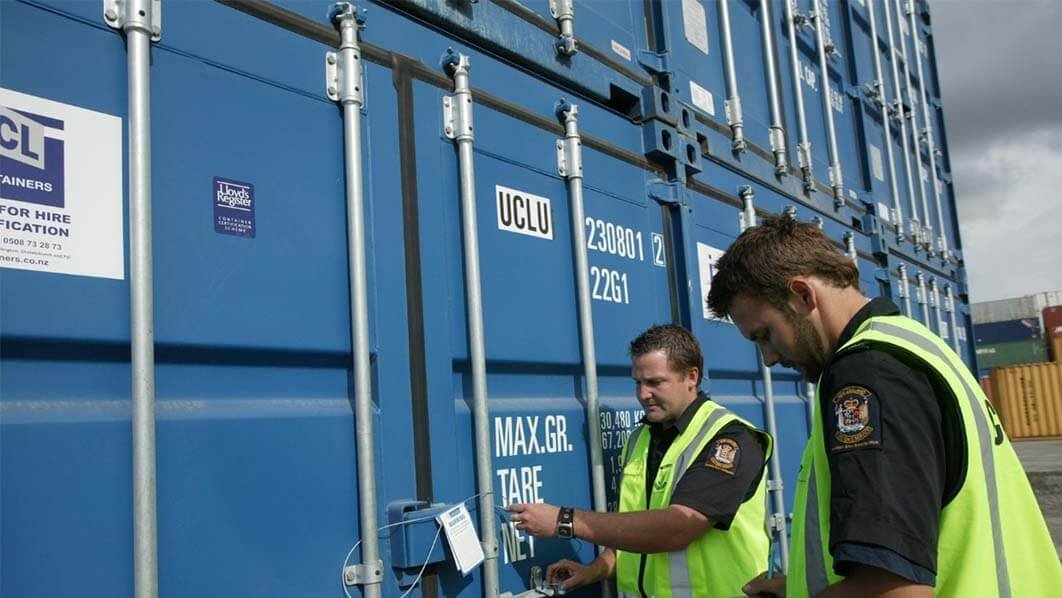
Compare the three main fulfillment models—In-house vs 3PL vs Amazon FBA12—so importers can choose based on cost, control, and delivery speed.
There are three main ways to fulfill ecommerce orders: in-house fulfillment (your warehouse), third-party fulfillment (3PL), and Amazon FBA. In-house gives control but high fixed costs. 3PL improves scalability and multi-channel flexibility. FBA provides Prime-speed delivery but has strict inbound rules and fees.
| Model | Best for | Pros | Cons | Typical Risks | Best KPI Focus |
|---|---|---|---|---|---|
| In-house | High volume orders | Total control | High fixed costs | Stockouts | Order Accuracy |
| 3PL | Scalability | Flexibility across channels | Less control | Handling errors | On-time Shipping Rate |
| Amazon FBA | Prime customers | Fast delivery, trusted branding | High fees, strict rules | Inventory limits | Inventory Turnover |
Decision Rules
- If order volume > 500 units per month, consider 3PL or FBA.
- If SKU complexity > 50 distinct products, evaluate 3PL.
- If multi-channel > 2, 3PL may be the best option.

3PL costs are not just “pick and pack.” Pricing typically includes receiving, storage, picking/packing, shipping4 label costs, and returns handling. Hidden fees often come from carton non-compliance, labeling fixes, storage minimums, kitting, and special handling. Importers control cost-to-serve by standardizing inbound packaging, improving inventory accuracy, and aligning SLAs to realistic operations.
| Fee Type | What it Covers | How it’s Charged | What Increases It | Control Lever |
|---|---|---|---|---|
| Receiving | Pallet/Carton/Unit | Per item received | Delayed arrivals | Label compliance |
| Storage | Pallet/Bin/Cubic Ft | Monthly fee | Overcapacity | Inventory management |
| Pick/Pack | Order + Unit Pick | Per order processed | Volume spikes | Process efficiency |
| Packaging Materials | Inserts & Materials | Per order picked | Special requests | Standardization |
| Returns Processing | Handling returned items | Per return | Volume of returns | Return policy clarity |
| Account Management | Account oversight | Monthly minimums | Service issues | Regular communication |
| Accessorials | Additional services | Per service request | Complexity | Clear agreements |
Hidden Fee Prevention List
- Carton Labeling
- Advance Shipping Notice (ASN)
- Appointment Compliance
- Stackability
- Master Carton Rules
List the key operational requirements to run successful 3PL fulfillment (SKU setup14, barcode/labeling15, packaging compliance, inventory accuracy, and order routing16).
The most common 3PL failures are setup failures, not warehouse performance. Importers must prepare clean SKU master data, consistent barcodes/labels, packaging rules, and clear receiving documentation (PO, ASN). Inventory accuracy and order routing16 are critical for preventing oversells, split shipments, and high return rates. Standardized SOPs reduce chargebacks and exceptions.
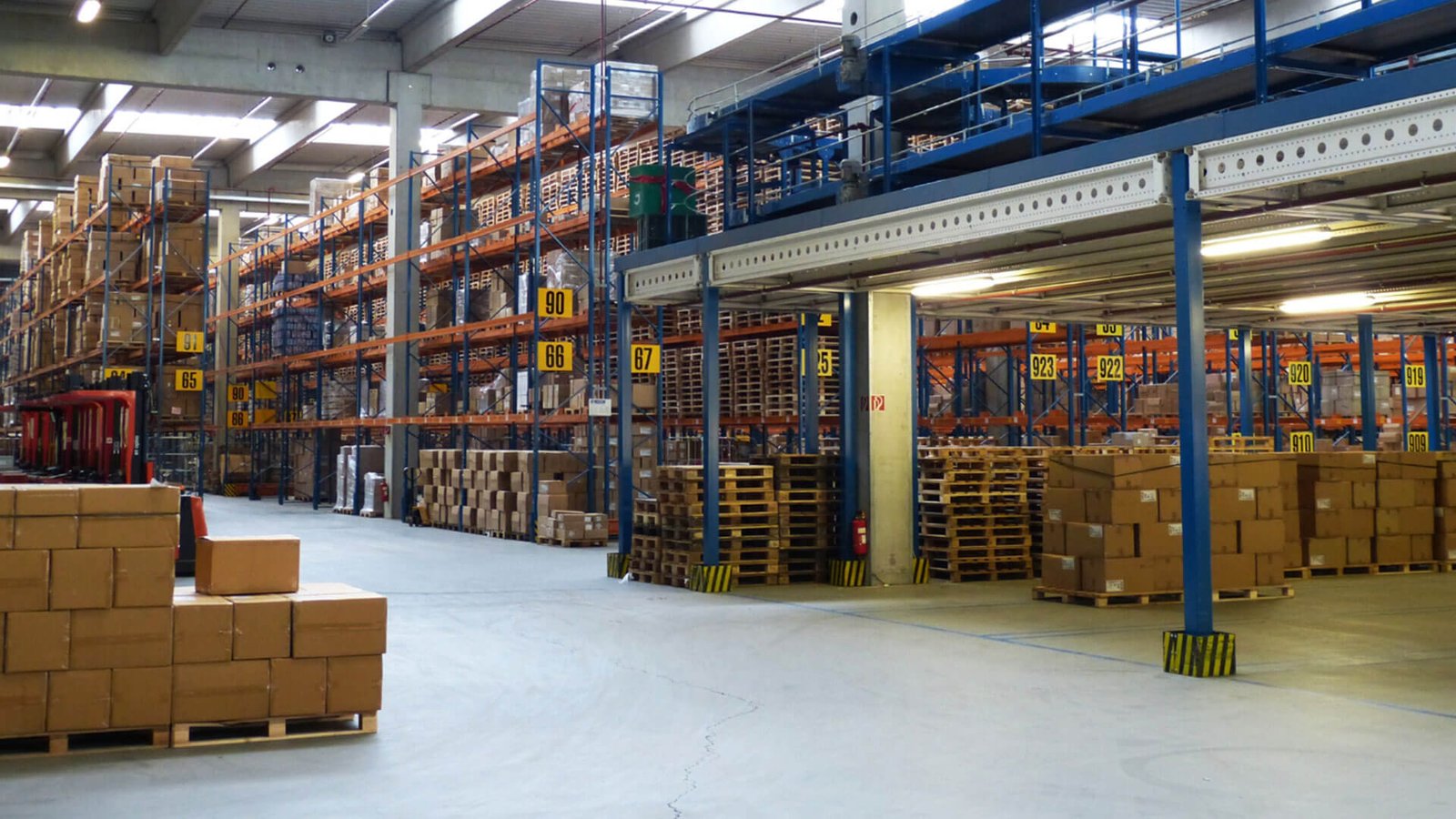
3PL Onboarding Checklist for Importers
- SKU master data
- Barcode rules
- Carton labeling
- Inbound ASN
- PO mapping
- Packaging specs
- Order cutoffs
- Shipping carrier rules
- Returns rules
- Customer service escalation
| Requirement | Why it Matters | Owner | KPI |
|---|---|---|---|
| SKU Setup | Accurate inventory management | Importer | Inventory Accuracy |
| Labeling Accuracy | Smooth receiving processes | 3PL | Receiving Cycle Time |
| Inbound Compliance | Prevents delays | Importer | On-time Receiving Rate |
| Inventory Accuracy | Prevents overselling | 3PL | Order Accuracy Rate |
| Order Routing | Efficient shipping4 | 3PL | Fulfillment Cycle Time |
| Returns Processing | Customer satisfaction | 3PL | Return Cycle Time |
Provide a 3PL selection and performance scorecard17 with KPIs (order accuracy, cut-off time, on-time ship rate, shrinkage, return handling, and chargeback risk).
Selecting a 3PL requires more than comparing rates—it’s a service reliability decision. Importers should score providers on order accuracy, on-time shipping4 performance, receiving speed, shrinkage, return processing, and invoice accuracy. A KPI dashboard and monthly performance reviews ensure the 3PL stays aligned with service goals while controlling cost-to-serve over time.
| KPI | Definition | Target | Trigger Action |
|---|---|---|---|
| Order Accuracy % | Correct orders per total orders | 99% | Review processes |
| On-time Ship Rate % | Orders shipped on time | 95% | Reassess shipping4 methods |
| Same-day Fulfillment % | Orders fulfilled same day | 70% | Optimize processes |
| Receiving Cycle Time | Time taken to receive inventory | 24 hours | Improve receiving methods |
| Inventory Accuracy % | Correct inventory records | 98% | Audit inventory systems |
| Shrinkage Rate | Lost or damaged inventory | <1% | Improve storage security |
| Return Cycle Time | Time to process returns | 48 hours | Streamline return processes |
| Invoice Accuracy % | Correct invoices | 99% | Improve billing methods |
| Chargeback / Exception Rate | Rate of chargebacks | <1% | Review chargeback policy |

3PL Selection Scorecard
| Category | What to Verify | Evidence | Weight |
|---|---|---|---|
| Network Coverage | Locations and accessibility | Maps and data | 25% |
| Tech/WMS | Technology and systems | Demos and reviews | 20% |
| SLAs | Service level agreements | Documentation | 20% |
| Peak Season Readiness | Capacity during busy times | Historical data | 15% |
| Compliance Programs | Standard compliance checks | Certifications | 10% |
| References | Previous client satisfaction | Testimonials | 5% |
| Scalability | Ability to grow with demand | Future plans | 5% |
Top ecommerce fulfillment mistakes importers should avoid:
- Poor SKU master data
- Missing barcodes
- Inbound carton non-compliance
- No ASN
- Unrealistic cutoff expectations
- Ignoring returns
- No KPI governance18
- Unclear chargeback rules
- Peak season unpreparedness
Conclusion
By understanding these aspects of 3PL fulfillment, U.S. importers can make informed decisions. I invite importers to request a fulfillment model assessment19, a 3PL pricing audit, or KPI dashboard and onboarding SOP templates to streamline their operations.
Understanding ecommerce fulfillment is crucial for optimizing online order management and delivery processes. ↩
Learn how efficient inventory receiving can streamline the fulfillment process and reduce errors. ↩
Discover how picking and packing orders accurately can enhance customer satisfaction and reduce returns. ↩
Effective shipping strategies can improve delivery speed and customer satisfaction. ↩
Efficient return management is key to maintaining customer trust and reducing operational costs. ↩
Exploring 3PL can help businesses scale efficiently without the need for their own warehouse operations. ↩
Find out how 3PLs help importers scale faster and reduce costs without building their own infrastructure. ↩
Selecting the right fulfillment strategy can save time and money, allowing businesses to focus on growth. ↩
Understanding the role of freight forwarders can help streamline the shipping process for importers. ↩
Learn how customs brokers assist in navigating import regulations and ensure smooth customs clearance. ↩
A clear understanding of the fulfillment workflow can prevent stockouts and late deliveries. ↩
Comparing these models helps businesses choose the best option based on cost, control, and delivery speed. ↩
Understanding 3PL pricing can help businesses control costs and avoid unexpected fees. ↩
Proper SKU setup ensures accurate inventory management and prevents overselling. ↩
Accurate labeling is crucial for smooth receiving processes and inventory management. ↩
Efficient order routing ensures timely delivery and reduces shipping errors. ↩
A performance scorecard helps in selecting reliable 3PL providers and maintaining service quality. ↩
KPI governance ensures that fulfillment operations align with business goals and improve over time. ↩
A fulfillment model assessment helps businesses optimize their fulfillment strategy for better efficiency. ↩