Importing from China to the United States has never been more complex — or more critical to get right.
Since tariffs and trade regulations changed dramatically in 2025, importers have faced rising costs, tighter compliance checks, and longer customs clearance times. Amid these challenges, many U.S. buyers rely on Delivered Duty Paid (DDP) shipping because it promises simplicity: the seller or their logistics partner takes care of everything until the goods arrive at the buyer’s door.
On paper, DDP sounds worry-free. But in practice, the process involves multiple handoffs — from factory pickup and China customs clearance to ocean freight, U.S. customs brokerage, and domestic delivery. Each step introduces potential risks that can delay your shipment, increase your costs, or even put your import record at risk with U.S. Customs.
If you’re an American importer who buys products from China under DDP terms, understanding and managing these risks is key to maintaining profitability and supply chain stability.
Below are 10 proven strategies to help you avoid costly surprises and take control of your DDP shipments — from factory to your warehouse door.
1. Verify the True Customs Declaration Value
One of the most common hidden risks under DDP lies in the declared customs value.
To reduce import duties, some forwarders or exporters may under-declare the product’s value when submitting U.S. customs entry paperwork. While this may appear to save costs at first, it puts the U.S. importer (you) at risk — not the Chinese shipper.
U.S. Customs and Border Protection (CBP) has the right to audit import records and verify declared values against purchase invoices, shipping documents, and payment evidence. If the declared value is found to be inaccurate, CBP can issue fines, demand back duties, and even seize shipments.
What can go wrong:
- CBP fines or back duty payments.
- Shipment delays during inspection.
- Loss of importer credibility or customs privileges.
What to do:
- Ask your forwarder for a copy of CBP Form 7501 (Entry Summary).
- Ensure the declared value matches your commercial invoice.
- Keep all supporting documents in case CBP requests proof.
Strategy:
Always insist that your DDP partner declare the true commercial value of your goods. Request a copy of the CBP Form 7501 (Entry Summary) for each shipment. This ensures transparency and keeps your import record clean.
2. Double-Check the HS Code Accuracy

Another frequent problem arises when freight forwarders use the wrong HS (Harmonized System) codes to classify products.
Since 2025, many tariff rates on goods imported from China have risen sharply — some jumping from 0% to 35%, 60%, or even 100%. Using an incorrect HS code could cause you to pay the wrong duty rate or be flagged for misclassification.
Incorrect classification can also delay customs clearance, especially if the code triggers FDA, FCC, or EPA inspections.
Strategy:
Ask your customs broker or DDP partner to provide the HS codes they plan to use and verify them with your product details. You can even request a binding ruling from CBP for long-term consistency. Accurate classification prevents surprises and ensures you’re paying the right amount of duty.
Since 2025 tariff updates, many categories have jumped from 0% to 35–60% or higher. Incorrect codes can also trigger holds or additional inspections.
How to manage this risk:
- Review HS codes with your DDP provider before shipment.
- Cross-check them using the U.S. International Trade Commission (USITC) database.
- Request a Binding Ruling from CBP for high-value or repeat imports.
Authoritative sources:
➡ USITC Tariff Database (HTS Search)
➡ CBP Binding Rulings Search
3. Work with a Licensed U.S. Customs Brokerage Team
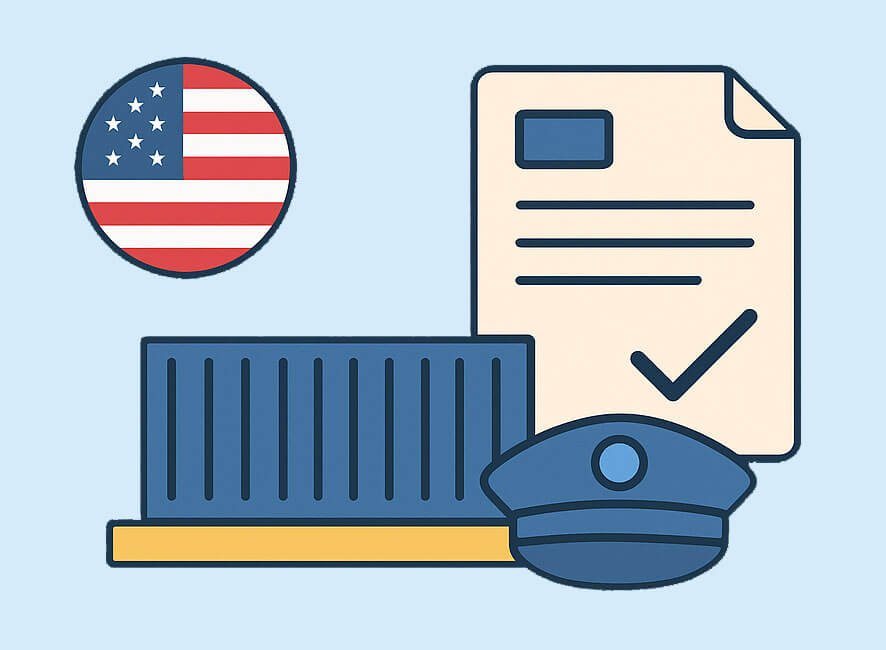
Under DDP terms, the logistics company or forwarder is responsible for handling U.S. customs clearance. However, not all DDP providers are licensed to do so legally in the U.S. Some rely on third-party brokers or informal agents, which increases the risk of delays, mistakes, or compliance issues.
A professional DDP provider should not only manage China-side logistics but also handle U.S. customs brokerage legally.
If they use unlicensed middlemen, you risk incorrect filings or delayed release.
Why this matters:
- Only licensed U.S. customs brokers can communicate with CBP directly.
- Misfiled entries cause customs holds or fines.
- Professional brokers maintain compliance and file ISF on time.
Checklist for importers:
- Ask your logistics partner for their U.S. customs broker license number.
- Confirm they use their own bond and entry filer code.
- Check their history of “no ISF penalty” or “zero-hold clearance.”
Authoritative source:
➡ CBP – Customs Broker License Information
A U.S.-registered customs brokerage company is authorized by CBP to file entries and interact directly with customs officers on your behalf. This not only speeds up clearance but also ensures that your shipment follows the proper procedures.
Strategy:
Choose a DDP provider who owns or directly operates a licensed U.S. customs brokerage arm. Verify their credentials and ask for proof of bond and license numbers. A professional brokerage can mean the difference between smooth clearance and costly demurrage fees.
4. Demand a Transparent DDP Quote
One major reason importers lose trust in DDP shipping is the lack of cost transparency. Some forwarders advertise low “all-inclusive” DDP rates but later add hidden charges such as chassis fees, terminal handling, or extra delivery costs.
Remember — the cheapest DDP quote is not always the best value. If the provider cuts corners on compliance or insurance, your shipment could face serious problems at customs.
Some “all-inclusive” DDP quotes are anything but. Hidden fees — like port congestion surcharges, chassis rental, or inland delivery add-ons — can turn a cheap rate into an expensive surprise.
How to protect yourself:
- Request a line-by-line quote detailing:
- Ocean freight
- Duty and taxes
- Customs clearance
- Delivery costs
- Any surcharges or optional services
- Clarify Incoterms and responsibility at each stage.
- Confirm whether the quote includes insurance and delivery to your exact address.
Pro tip: The best DDP partners offer flat, transparent pricing with no post-delivery billing.
Strategy:
Ask for a clear, itemized quote that lists each cost component: ocean freight, customs duties, clearance service, inland delivery, and any surcharges. Avoid providers who can’t explain what’s included. True DDP means no hidden costs and full visibility before the goods leave China.
5. Confirm Cargo Insurance Coverage
Even though DDP includes delivery to your door, it doesn’t automatically mean your cargo is insured. Many shipments travel uninsured, leaving importers with losses if damage, theft, or container accidents occur.
Sea transit exposes cargo to numerous risks — from rough handling at ports to extreme weather or container stack collapses. A minor oversight in insurance can lead to massive financial loss.
Even under DDP, cargo is not always insured automatically. Damage, loss, or theft can happen anywhere — from Chinese warehouses to U.S. inland trucking. Without coverage, you bear the cost.
How to reduce the risk:
- Ask if your quote includes All-Risk Marine Cargo Insurance.
- Confirm the coverage value equals 110% of your invoice value.
- Ensure the policy covers both sea and inland legs.
- Get a copy of the insurance certificate before shipping.
Authoritative source:
➡ International Chamber of Commerce – Cargo Insurance Clauses
Strategy:
Always confirm whether your DDP service includes All-Risk Marine Cargo Insurance. Ideally, your logistics provider should be able to include insurance as part of your quote, covering the entire route from the China warehouse to your U.S. delivery address.
6. Ensure Product Compliance and Documentation
Not all products can enter the U.S. freely. Certain categories — such as electronics, toys, food, cosmetics, or medical devices — require certifications or pre-approvals from U.S. agencies like the FDA, FCC, or CPSIA.
Shipments that arrive without proper documentation may be detained or destroyed at port, with all costs charged to the importer.
Many product types must meet U.S. regulatory standards. For example:
- Electronics: FCC certification
- Toys: CPSIA compliance
- Cosmetics or food: FDA approval
Non-compliant goods may be detained or destroyed at port — with all costs charged to the importer.
How to manage it:
- Check compliance requirements before production.
- Work with your forwarder to confirm documentation like test reports, safety data sheets, and labels.
- Register with the appropriate U.S. agency if needed.
Authoritative sources:
➡ U.S. Food and Drug Administration (FDA) Import Requirements
➡ Federal Communications Commission (FCC) Equipment Authorization
➡ CPSC – Consumer Product Safety Rules
Strategy:
Before production or shipment, check with your DDP logistics provider about compliance requirements for your category. A reliable partner will help you review labels, test reports, and declarations to prevent clearance delays. Being proactive about compliance avoids unnecessary risks and extra costs later.
7. Track and Communicate During Transit
Even though your DDP partner handles the logistics, you still need visibility. Lack of communication is one of the most frustrating parts of global shipping. Importers often don’t hear from their forwarder until something goes wrong.
Good communication means more than tracking numbers — it means knowing what’s happening at each stage: pickup, departure, customs clearance, and final delivery. Timely updates allow you to prepare inventory and plan sales more effectively.
DDP shouldn’t mean “out of sight, out of mind.”
Lack of communication is one of the biggest frustrations importers face. You should always know:
- When goods leave the factory
- When they clear China customs
- When they arrive and clear in the U.S.
- When final delivery is scheduled
What to expect from a good partner:
- Online or app-based tracking
- Email updates at every milestone
- A dedicated operations contact for questions
Pro tip: Continuous visibility builds trust and lets you plan inventory confidently.
Strategy:
Work with a company that offers real-time tracking tools or a dedicated account manager who provides regular updates. Clear communication avoids surprises and strengthens your confidence in every shipment.
8. Plan for Port and Delivery Delays
Global logistics is unpredictable. Even the most experienced shipping companies can’t control port congestion, weather, or customs inspections. What you can control, however, is how you plan for them.
Many importers underestimate total lead time, expecting door-to-door delivery within an unrealistic schedule. When delays happen, production schedules and promotions are affected — causing stress and loss.
Even the best-managed shipments can face delays — due to congestion, weather, strikes, or customs exams. Rigid schedules often lead to stress and extra costs.
How to plan smarter:
- Always build 5–7 working days of buffer into your delivery timeline.
- Avoid scheduling critical promotions immediately after expected arrival.
- Choose providers with U.S. warehouse or truck resources who can respond quickly if ports delay your containers.
Bonus tip: Use weekly sailings or LCL consolidation options if your cargo is time-sensitive — they’re easier to reroute than full containers.
Strategy:
Always include a buffer of 5–7 working days in your shipping plan, especially for peak seasons or shipments to inland U.S. locations. Ask your forwarder for realistic timelines rather than optimistic promises. A proactive plan helps you avoid downstream disruptions.
9. Review U.S. Duty Rate and Tax Changes Regularly
Import duties are not fixed forever. The 2025 tariff adjustment demonstrated how quickly U.S. import costs can shift. Some products that were duty-free are now taxed at 35% or more. Staying informed helps you make smarter purchasing and shipping decisions.
Import costs don’t stay fixed. In 2025, new tariff adjustments increased duties on thousands of products from China — some up to 100%.
Importers who didn’t track these changes faced unexpected tax bills.
What to do:
- Review tariff updates every quarter.
- Subscribe to trade news or alerts from CBP or the Office of the U.S. Trade Representative (USTR).
- Work with your logistics partner to plan around high-duty periods — sometimes delaying shipment by even one week can save thousands.
Authoritative sources:
➡ USTR – Section 301 Tariff Actions and Updates
➡ CBP Trade Policy Updates
Strategy:
Regularly review tariff updates for your HS codes or subscribe to CBP’s trade bulletin. A competent DDP partner should also alert you when new duties or trade rules may impact your shipments.
Timing your imports or adjusting product sourcing based on tariff forecasts can save significant costs.
10. Build a Long-Term Partnership with Your DDP Provider
Finally, success in global trade isn’t about one shipment — it’s about consistent reliability. The best logistics relationships are partnerships built on trust, transparency, and mutual growth.
A strong DDP shipping partner will not only deliver your cargo but also help you optimize customs strategy, reduce costs, and navigate policy changes. When you find a team that truly controls both sides — China and the U.S. — you gain stability and efficiency across the whole supply chain.
Logistics is not a one-time transaction — it’s a long-term relationship.
A reliable DDP partner helps you navigate customs changes, manage risks, and grow your import business sustainably.
What to look for:
- A company that operates in both China and the U.S.
- Its own customs brokerage license and bond
- Clear communication and transparent pricing
- Proven experience in handling DDP for your product type
Why it matters:
When your logistics provider controls both ends — China pickup, customs, ocean shipping, U.S. clearance, and inland trucking — you avoid the “multiple hands” problem that causes delays and hidden fees.
Strategy:
Evaluate potential partners beyond price. Look at their operation scale, customs experience, and customer feedback. Ask how many years they’ve been handling DDP to the U.S., and whether they own local assets like bonded warehouses or trucking fleets. Long-term collaboration leads to lower risks and smoother imports.
Conclusion
DDP shipping is designed to make importing easier — but without proper risk management, it can just as easily become a source of hidden costs and compliance troubles.
By applying these 10 strategies, you can protect your business from the most common pitfalls U.S. importers face: undervalued customs entries, misclassified HS codes, uninsured cargo, and communication breakdowns.
The key to success lies in working with a professional DDP partner who manages both ends of the trade — from factory pickup in China to final delivery in the U.S. When your logistics partner controls customs clearance, ocean shipping, and inland trucking under one system, your imports stay compliant, cost-effective, and fully under control.
At the end of the day, shipping under DDP should be about peace of mind — knowing that every link in your supply chain is handled by experts who understand how to protect your business.
From factory to your door, risk management starts with choosing the right partner.