The logistics industry can be complex, especially when it comes to terminology. Understanding terms like "destinataire1" can save time, money, and stress.
In logistics, “destinataire1” is the French term for the party designated to receive goods, commonly equivalent to the consignee2 in international shipping. While often used interchangeably, the destinataire1 designation can carry legal and operational implications in customs documents3, making clarity essential for U.S. importers managing cross-border shipments4.
Misunderstanding these terms can lead to a host of problems. As someone who deals with logistics daily, I often see the confusion that arises from not knowing the distinctions between the consignee2, the destinataire1, and other related terms.
What Does “Destinataire” Mean in Logistics and How Does It Relate to the Consignee in International Shipping?
The term "destinataire1" originates from the French language and translates to "recipient" in English. In logistics, it refers to the party designated to receive goods. This is typically the same as the consignee2 in international shipping. However, there are nuances that can affect shipping operations.
The destinataire1 or consignee2 is not always the importer of record5 or the physical delivery address. In U.S. imports, these roles may be split across different entities, each with separate responsibilities. Misunderstanding these distinctions can lead to customs delays, billing disputes6, or compliance violations7.
The key here is clarity. An importer of record5 is the entity responsible for ensuring that goods comply with local laws and regulations. The delivery address could be different from both the destinataire1 and the consignee2. Each role carries different responsibilities, and it's critical to identify them correctly on shipping documents8.
Is the Destinataire the Same as the Consignee, Importer of Record, or Delivery Address?
A common question in logistics is whether the destinataire1 is the same as the consignee2. The short answer is no—these terms can imply different responsibilities.
A consignee2 or destinataire1 may be responsible for accepting delivery, paying certain charges, and cooperating with customs clearance. If documentation lists them incorrectly, they may face unexpected financial liability, shipment holds, or compliance exposure, especially when customs authorities rely on consignee2 data to identify accountable parties.
When shipping internationally, the consignee2 may not be the same as the importer of record5. Each has its specific duties. The consignee2 is primarily responsible for receiving the goods, while the importer of record5 handles customs clearance and payment of duties. This separation can lead to complications if the roles are not clearly defined.
What Legal, Financial, and Customs Responsibilities Does a Consignee or Destinataire Hold?
Understanding the responsibilities associated with being a consignee2 or destinataire1 is crucial for U.S. importers. The legal and financial implications can be significant.
Whether the destinataire1 or consignee2 pays freight, duties, or local charges depends on Incoterms9, contracts, and carrier agreements. However, listing an entity as consignee2 often makes them the default billing and enforcement target, which is why U.S. importers must align commercial terms with shipping documentation.

For instance, the consignee2 needs to accept delivery and may be responsible for additional charges like freight and duty payments. If issues arise, such as incorrect paperwork, the consignee2 could face unforeseen costs or legal problems. Each entity's responsibilities need to be clearly outlined in shipping documents8 to avoid complications.
Who Pays Freight, Duties, and Charges When the Destinataire Is Listed as the Consignee?
In logistics, who pays for what can be complicated, especially when different parties are involved.
Incorrect or unclear destinataire1 and consignee2 details can trigger customs holds, misdelivered cargo, unpaid charges, and legal disputes. For U.S. importers, these errors often result in demurrage, storage fees, and delayed inventory availability, turning a paperwork issue into a costly operational disruption.
The payment for freight, duties, and other charges is often determined by Incoterms9 and the shipping contract. Typically, the party listed as the consignee2 may be held responsible for these costs, making it vital that importers verify this information before shipment. Any discrepancies can lead to costly delays and complications in customs.
What Are the Biggest Risks When the Destinataire or Consignee Information Is Incorrect or Unclear?
Errors in consignee2 information can have serious consequences.
Freight forwarders and customs brokers10 help U.S. importers manage consignee2 and destinataire1 roles by aligning contracts, shipping documents8, and customs filings. This coordination reduces liability exposure11, ensures proper billing, and keeps shipments moving smoothly from origin pickup through customs clearance and final delivery.

An incorrect consignee2 detail can result in delayed shipments and additional costs. For example, customs may hold shipments for clarification, leading to demurrage fees12. Ensuring that the consignee2 and destinataire1 information is accurate is crucial to avoid legal disputes and financial losses.
How Freight Forwarders and Customs Brokers Help Importers Manage Consignee and Destinataire Responsibilities End to End.
Understanding and managing the roles of consignee2 and destinataire1 can be daunting, but it doesn't have to be.
Freight forwarders and customs brokers10 help U.S. importers manage consignee2 and destinataire1 roles by aligning contracts, shipping documents8, and customs filings. This coordination reduces liability exposure11, ensures proper billing, and keeps shipments moving smoothly from origin pickup through customs clearance and final delivery.
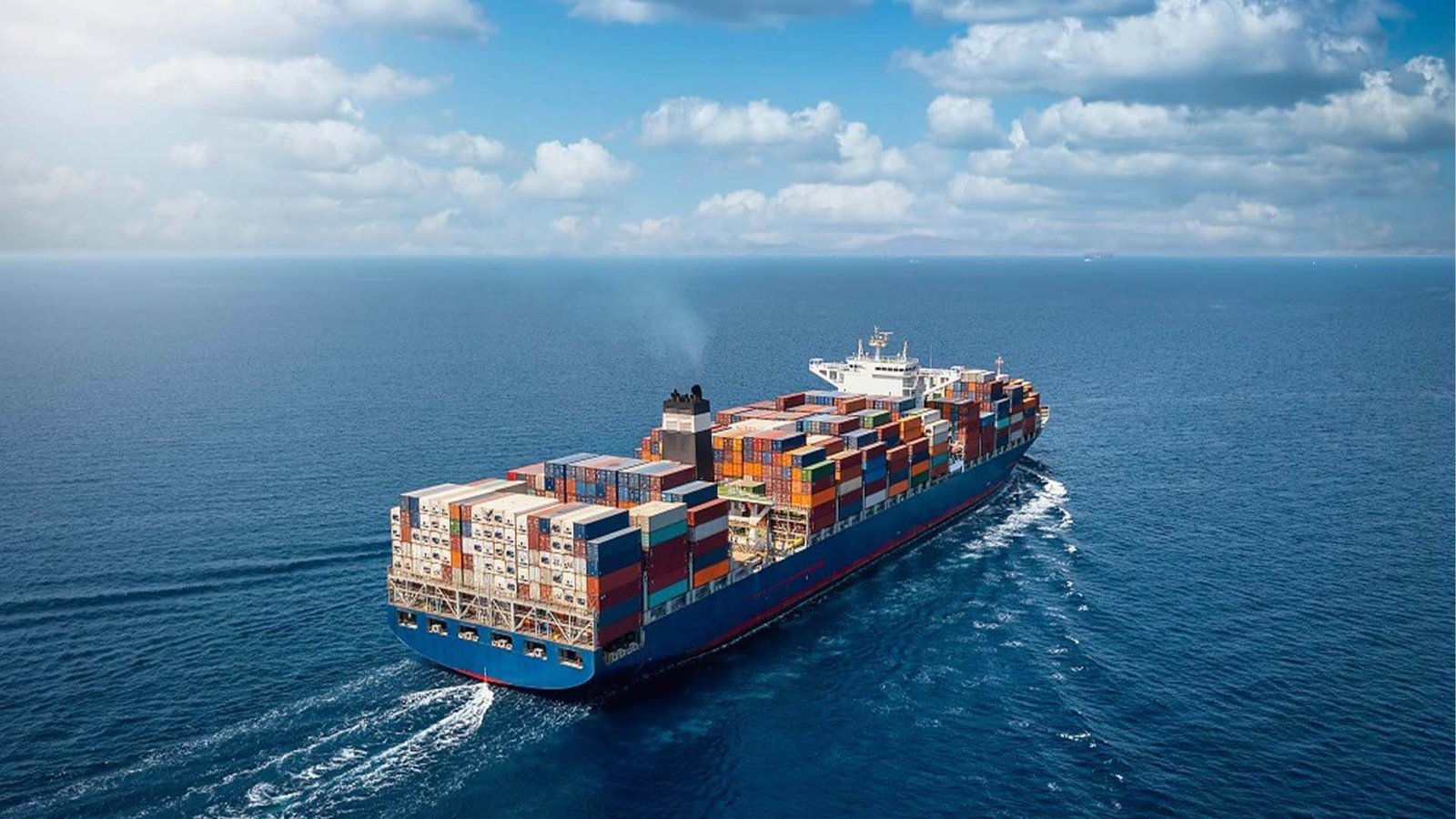
They offer invaluable services that streamline the shipping process. By coordinating all the necessary documentation and communication, they minimize the risks associated with incorrect consignee2 information. This support allows importers to focus on their core business while ensuring compliance with customs regulations.
Conclusion
Understanding the role of the destinataire1 in logistics is essential for U.S. importers to avoid costly mistakes.
Understanding 'destinataire' is crucial for importers to avoid legal and operational issues in international shipping. ↩
Knowing the consignee's responsibilities helps prevent customs delays and billing disputes. ↩
Proper customs documentation is vital to avoid shipment holds and legal complications. ↩
Efficient management of cross-border shipments can save time and reduce operational costs. ↩
Clarifying the importer's role ensures compliance with local laws and smooth customs clearance. ↩
Resolving billing disputes quickly can prevent financial losses and maintain good business relationships. ↩
Understanding compliance violations helps avoid legal issues and ensures smooth operations. ↩
Accurate shipping documents are key to avoiding delays and ensuring smooth delivery. ↩
Understanding Incoterms helps define who pays for freight, duties, and charges, reducing disputes. ↩
Customs brokers help navigate complex regulations, ensuring compliance and smooth customs clearance. ↩
Reducing liability exposure protects businesses from unexpected legal and financial risks. ↩
Avoiding demurrage fees can save significant costs and prevent shipment delays. ↩