Automation in warehouses is becoming a game-changer for many businesses. It offers significant cost savings, reduces labor dependency1, and enhances efficiency. Understanding the potential of warehouse automation can help importers make informed decisions.
Warehouse automation uses technology such as automated storage and retrieval systems2, conveyors, robotics, and warehouse management software3 to reduce manual handling and inefficiencies. For importers, the biggest cost savings come from systems that directly lower labor dependency1, improve space utilization4, and increase throughput5 without disrupting inbound freight and inventory flow.
Many importers see automation as a daunting prospect. However, the reality is that it can streamline processes and enhance productivity. As we explore further, I will break down how automation can lower warehousing costs across multiple dimensions.
What Is Warehouse Automation and Which Systems Actually Reduce Warehousing Costs for Importers?
Warehouse automation encompasses various technologies aimed at automating processes within warehouse operations. This includes automated storage and retrieval systems2, conveyors, and warehouse management software3. For importers, understanding how these systems work is crucial for reducing costs.
Warehouse automation employs various systems to improve efficiency and reduce warehousing costs. Importers benefit from these solutions by minimizing manual labor, optimizing space usage, and enhancing inventory management, ultimately leading to substantial cost savings.
Automation technologies can significantly impact the bottom line by reducing labor costs and increasing efficiency. For instance, automated storage systems allow for denser packing of goods, while robotics can manage repetitive tasks that would otherwise require manual labor. Importers should consider the total cost of ownership6 when evaluating these systems. It’s not just about the upfront investment but also the long-term savings on labor and operational efficiencies.
How Warehouse Automation Cuts Labor Costs, Improves Productivity, and Reduces Staffing Risk?
Labor costs continue to rise in the logistics sector, putting pressure on importers to find solutions that stabilize expenses. Warehouse automation offers a viable path to reducing these costs.
By minimizing manual picking, walking time, and repetitive tasks, warehouse automation reduces labor costs. It increases pick accuracy7 and output per worker, making operations more efficient, especially for U.S. importers facing labor shortages and wage inflation.
Automation does more than just cut costs; it enhances productivity. For example, by automating picking and put-away processes, warehouses can operate with fewer staff members. This not only reduces labor costs but also mitigates staffing risks during peak seasons. Importers can maintain throughput5 and better manage seasonal fluctuations in demand. Moreover, as labor shortages continue to be a pressing issue, automation provides a reliable solution to ensure that operations run smoothly.
How Automation Improves Space Utilization and Lowers Storage Costs in High-Volume Import Warehouses?
High-volume import warehouses often face challenges with space utilization4. This is where automation shines, allowing for improved storage solutions.
Automation enhances space utilization4 through vertical storage8, denser racking, and precise inventory placement. Importers handling large volumes benefit from reduced space requirements, lower lease costs, and improved inventory visibility9.
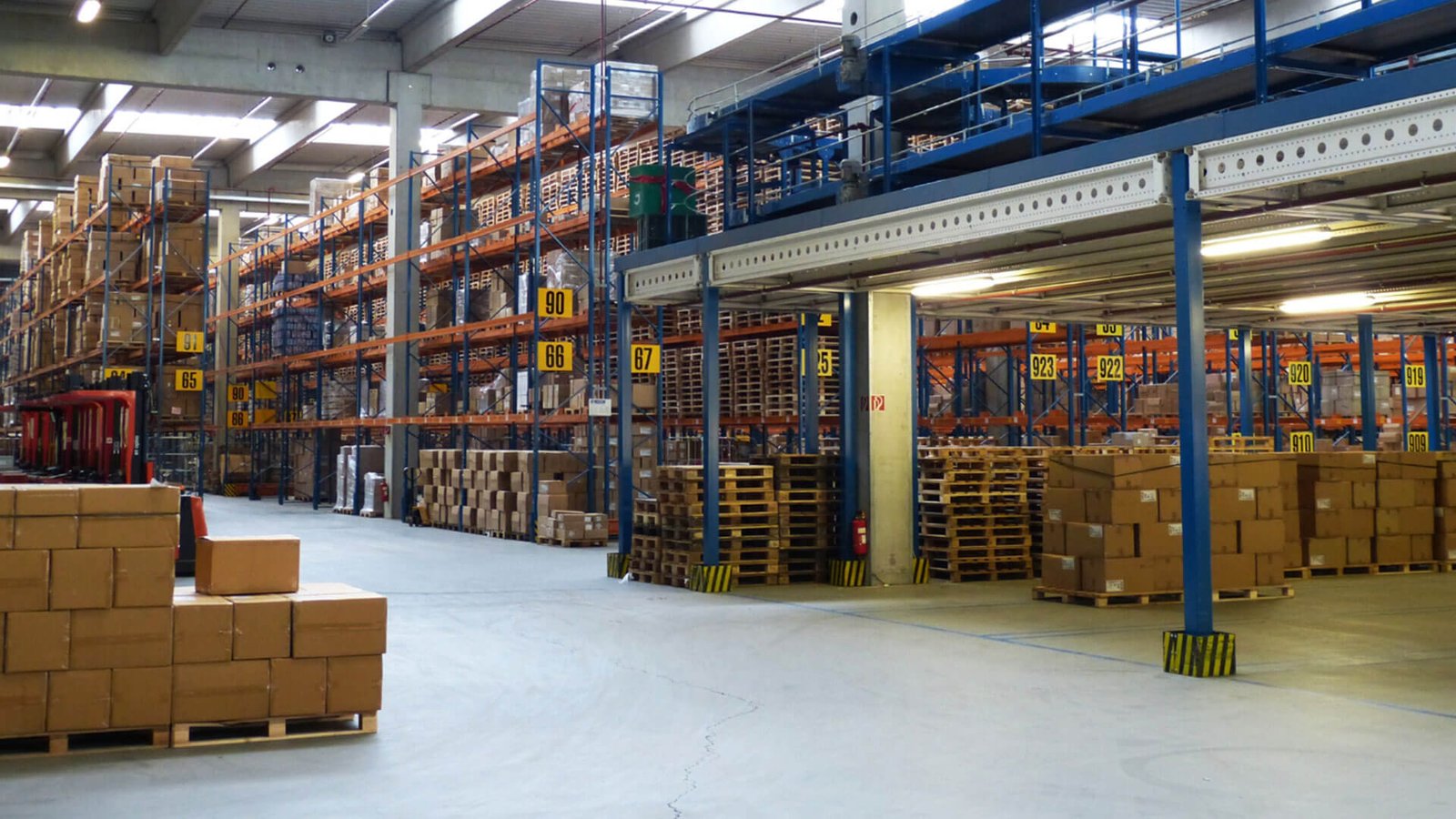
By implementing automated storage systems, warehouses can utilize vertical space more effectively. This means that importers can store more goods without needing larger facilities. The reduction in required square footage leads to lower leasing costs, creating significant financial savings. Additionally, with better inventory visibility9, importers can manage their stock levels more efficiently, further reducing costs associated with excess inventory.
What Is the Real ROI of Warehouse Automation When Factoring In Freight, Inventory, and Throughput Gains?
When discussing warehouse automation, the return on investment (ROI) is often a primary concern for importers.
The true ROI of warehouse automation includes not just labor savings but also faster inventory turnover, reduced dwell time, and higher order throughput10t](https://www.qbasistech.com/warehouse-efficiency-and-increased-throughput-through-automation/)%%%FOOTNOTE_REF_5%%%. By aligning automation with freight schedules11, importers often experience lower total landed costs.
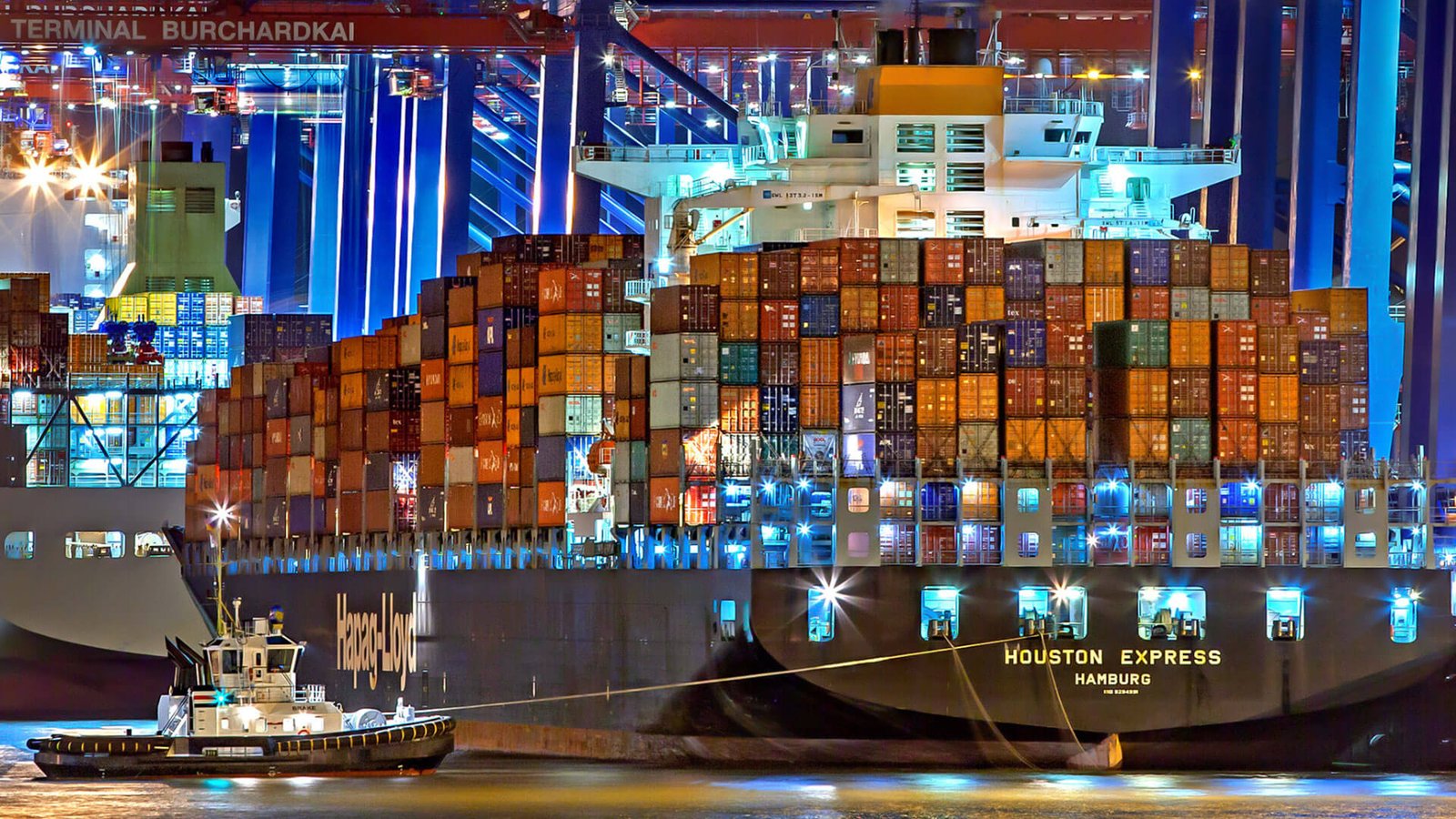
Calculating the ROI of warehouse automation involves considering various factors, including freight costs, inventory holding costs, and throughput5 rates. For instance, when automation speeds up inventory turnover, it minimizes the time goods spend in the warehouse, leading to lower carrying costs. By strategically timing automation investments with inbound freight schedules11, importers can maximize efficiency and reduce expenses across the board.
Which Warehouse Processes Should Be Automated First to Avoid Overinvestment and Operational Disruption?
To avoid costly mistakes, importers need a clear strategy on which processes to automate first.
Prioritizing the automation of high-volume, repetitive tasks12 like picking, put-away, and replenishment can help mitigate risks associated with overinvestment. A phased approach minimizes disruption and aligns automation efforts with actual operational needs.
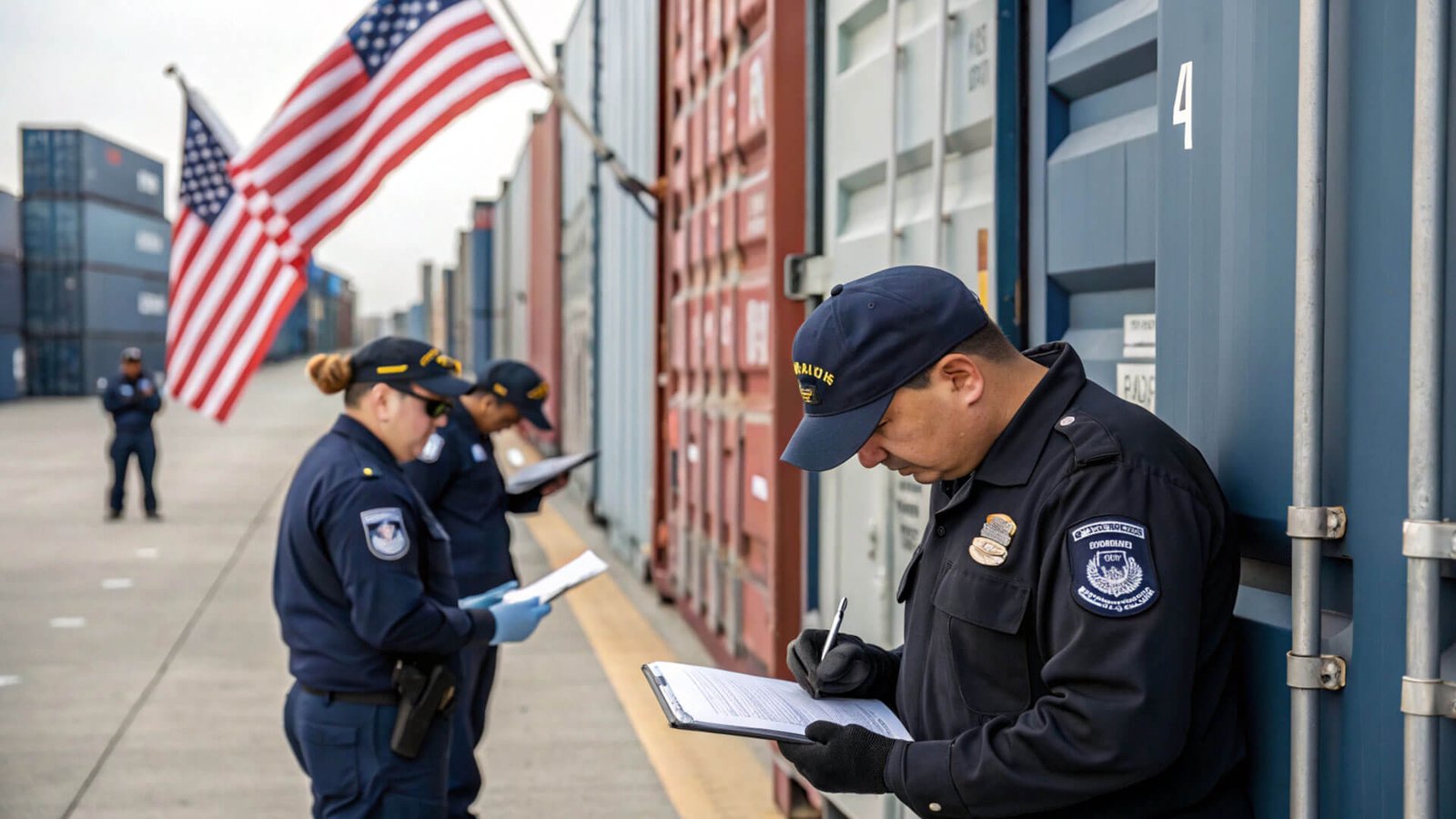
Starting with simple, high-impact processes allows importers to assess the effectiveness of automation before making larger investments. By focusing on these areas, businesses can minimize disruptions while maximizing the benefits of automation. Gradually scaling automation efforts ensures that the systems implemented genuinely support operational goals rather than complicating logistics.
How Warehouse Automation Fits Into an End-to-End Import Strategy From Port Drayage to Final Fulfillment?
The integration of warehouse automation into the overall supply chain is vital for maximizing benefits.
For U.S. importers, warehouse automation is most effective when it aligns with inbound freight, drayage, customs clearance, and outbound fulfillment. This integrated approach reduces congestion and enhances overall efficiency.
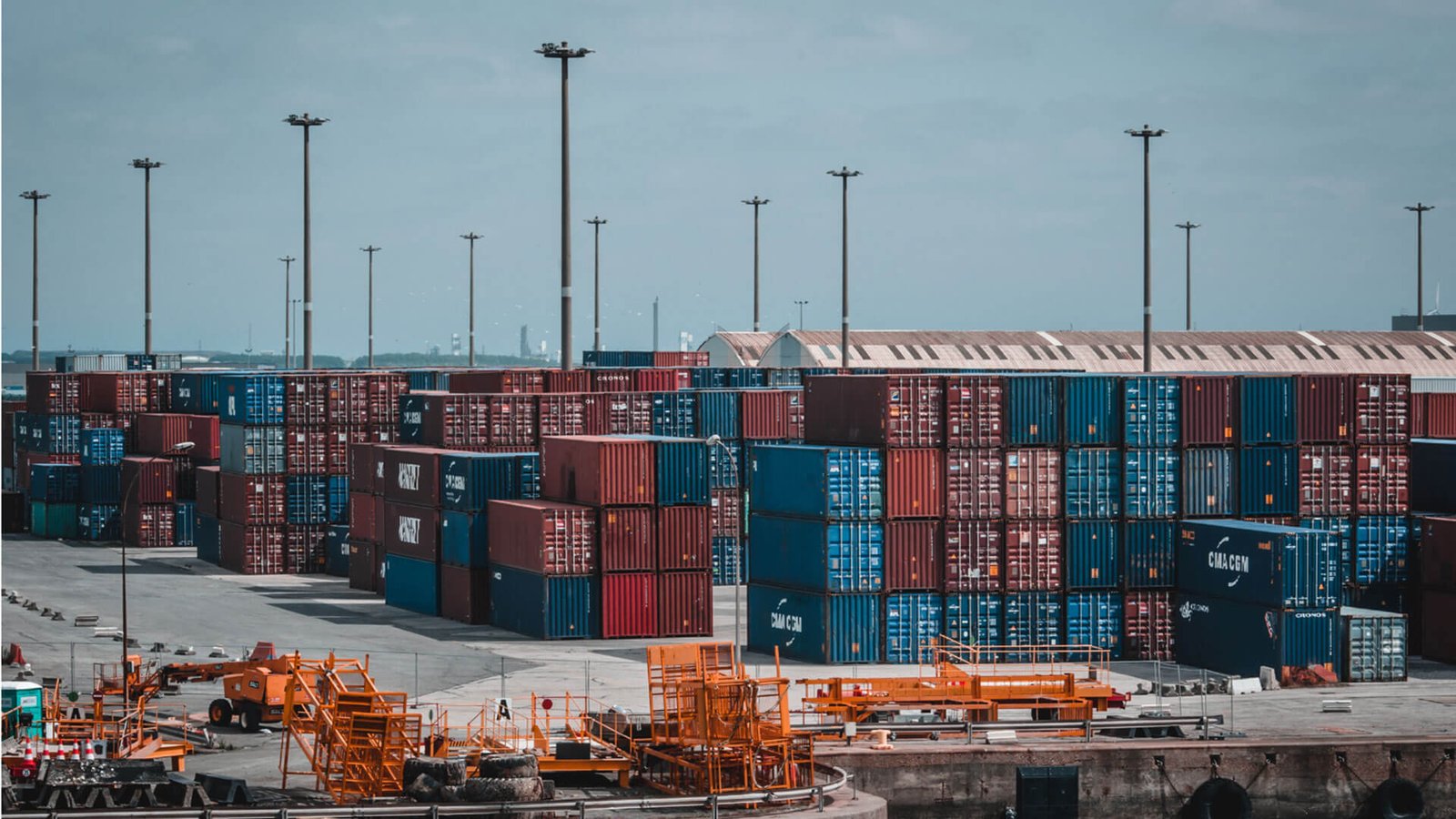
Integrating automation into an end-to-end import strategy13 allows for smoother operations from the moment goods arrive at the port to their final delivery. By synchronizing warehouse operations with freight movements, importers can optimize inventory flow and reduce bottlenecks. This holistic view of logistics enhances not just warehouse efficiency but the entire supply chain, ensuring that automation serves as a facilitator rather than a hindrance.
Conclusion
Warehouse automation offers a pathway to significant cost reductions across labor, space, and throughput5, making it an essential consideration for U.S. importers.
Reducing labor dependency can lead to cost savings and increased efficiency, crucial for importers facing labor shortages. ↩
Understanding these systems can help importers optimize space and reduce manual labor, leading to significant cost savings. ↩
Exploring this software can reveal how it enhances inventory management and reduces warehousing costs for importers. ↩
Improved space utilization can lower storage costs and enhance inventory management, benefiting high-volume import warehouses. ↩
Increased throughput can lead to faster inventory turnover and reduced dwell time, improving overall efficiency. ↩
Understanding the total cost of ownership helps importers evaluate long-term savings beyond initial investments. ↩
Improved pick accuracy can enhance productivity and reduce errors, leading to cost savings for importers. ↩
Vertical storage allows for better space utilization, reducing the need for larger facilities and lowering leasing costs. ↩
Enhanced inventory visibility can lead to better stock management and reduced costs associated with excess inventory. ↩
Higher order throughput can lead to faster fulfillment and reduced operational costs, benefiting importers. ↩
Aligning automation with freight schedules can maximize efficiency and reduce total landed costs for importers. ↩
Automating these tasks can mitigate risks of overinvestment and ensure operational efficiency. ↩
Integrating automation into the entire supply chain can enhance efficiency from port drayage to final fulfillment. ↩