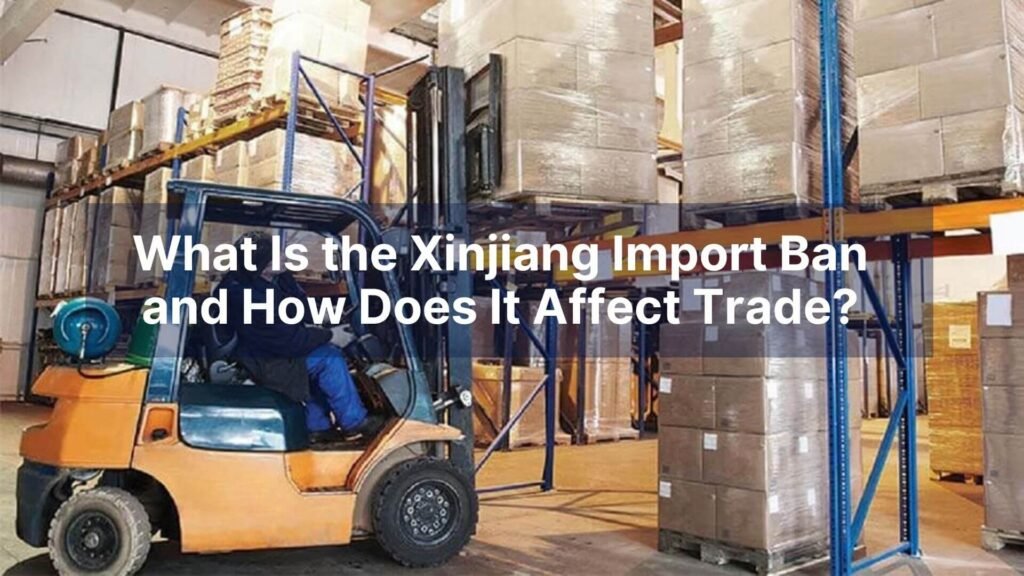
The Xinjiang import ban1 is a significant regulatory change affecting global trade. It’s essential for importers to understand this ban and its implications.
The Xinjiang import ban1 restricts entry of goods suspected of being produced with forced labor in China’s Xinjiang region2. It aims to prevent products linked to human rights concerns3 from entering the U.S. market and places greater compliance responsibility on importers.
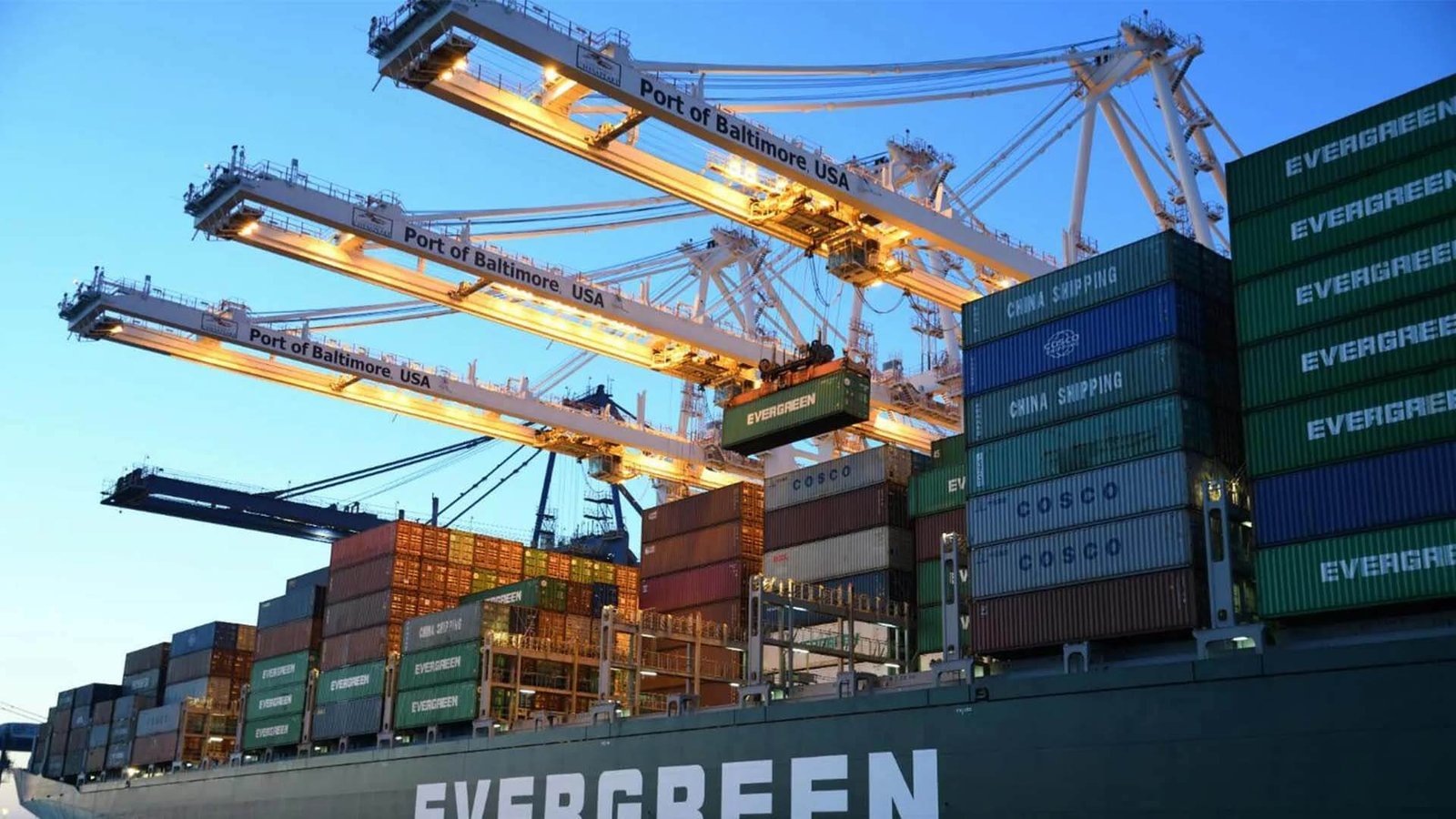
Importers face a new reality with increasing scrutiny over their supply chains. Understanding these changes is crucial for navigating compliance and avoiding potential pitfalls.
What the Xinjiang Import Ban Is and Why It Was Enacted?
The Xinjiang import ban1 is a U.S. government measure aimed at preventing products made with forced labor in the Xinjiang region from entering the U.S. market. It was enacted due to widespread reports and concerns regarding human rights abuses in Xinjiang, particularly involving the Uyghur population.
The Xinjiang import ban1 restricts entry of goods suspected of being produced with forced labor in China’s Xinjiang region2. It aims to prevent products linked to human rights concerns3 from entering the U.S. market and places greater compliance responsibility on importers.
The context of this ban lies in the global movement towards ethical sourcing and corporate responsibility. Companies are now faced with the challenge of ensuring their supply chains do not involve forced labor, making compliance more crucial than ever.
How the Uyghur Forced Labor Prevention Act4 Enforces the Ban on Goods from Xinjiang?
The Uyghur Forced Labor Prevention Act4 (UFLPA) enhances the Xinjiang import ban1 by establishing a strong presumption against the admissibility of goods linked to Xinjiang. This means that importers must provide proof that their products are not made with forced labor.
The Uyghur Forced Labor Prevention Act4 (UFLPA) establishes a presumption that certain goods tied to Xinjiang are not admissible unless importers can demonstrate compliance through supply-chain documentation and due diligence.

The impact of the UFLPA is significant. It places the onus on importers to prove their goods are compliant. This requirement means establishing robust documentation practices and monitoring supply chains closely.
Which Products and Sectors Are Most Affected by the Xinjiang Import Ban?
Several sectors are particularly affected by the Xinjiang import ban1. Understanding which products are at risk can help importers take necessary precautions in their sourcing strategies5.
Sectors commonly impacted include textiles, apparel, agriculture, and certain industrial materials where supply chains may trace back to Xinjiang.
| Sector | Typical Risk Factor | Importer Concern |
|---|---|---|
| Textiles | Fiber sourcing traceability | Documentation scrutiny |
| Apparel | Fabric origin verification | Entry review delays |
| Agriculture | Raw material origin | Supply chain transparency |
| Industrial inputs | Multi-tier suppliers | Due diligence burden |
Each of these sectors has unique challenges. For instance, the textiles sector faces scrutiny on fiber sourcing. Apparel importers must verify fabric origins. Agriculture often deals with raw material origins, while industrial inputs need to manage multi-tier supplier relationships.
How the Xinjiang Ban Impacts U.S. Importers and Supply Chain Operations
The Xinjiang import ban1 adds layers of complexity to import operations. Importers must now navigate increased documentation demands6 and heightened scrutiny from customs authorities.
Importers face increased documentation demands6, shipment reviews, and supply chain transparency7 requirements. Failure to meet due diligence expectations can lead to shipment holds or enforcement actions.
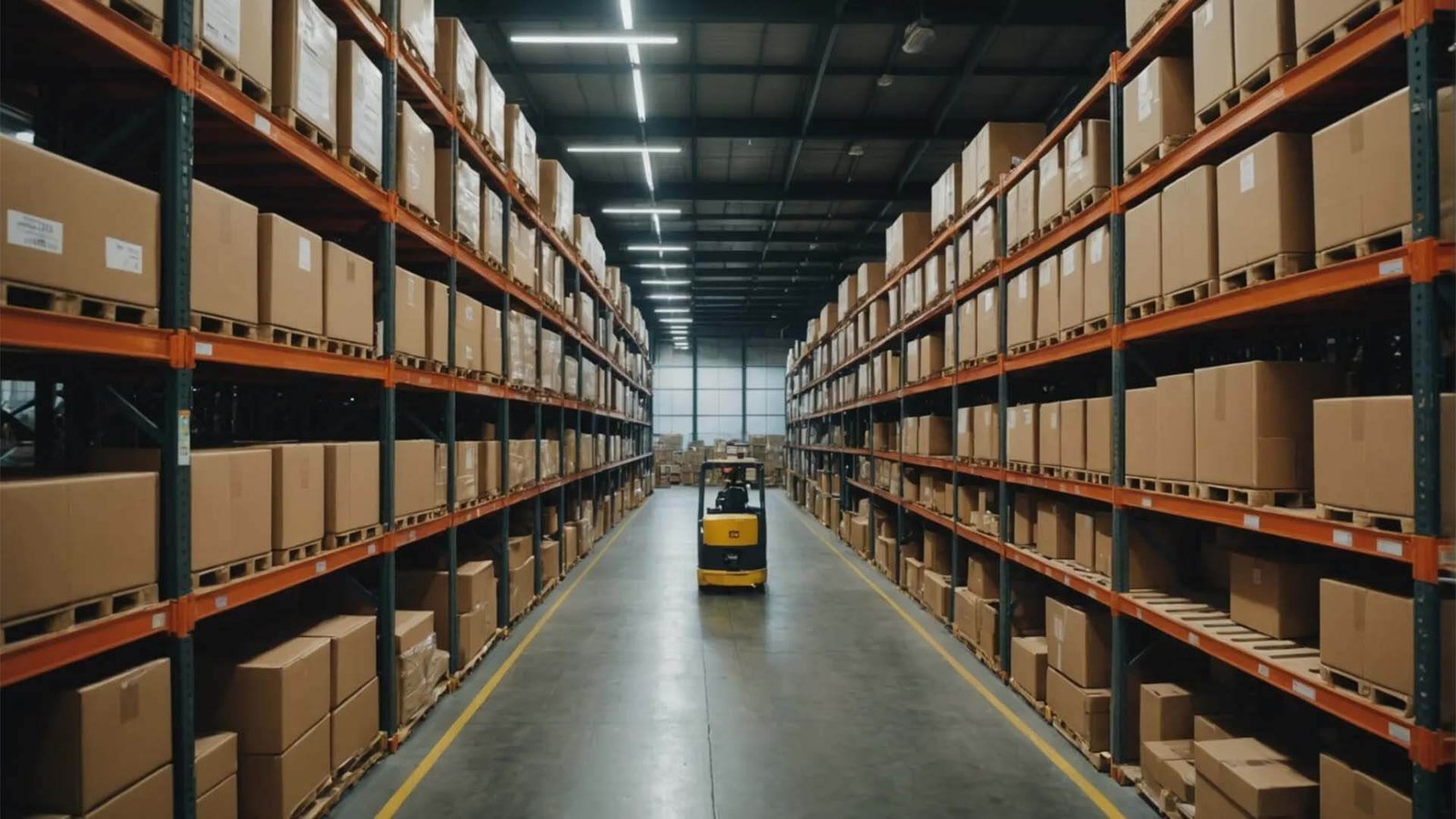
As a result, many importers are reevaluating their sourcing strategies5. Those who do not have clear visibility into their supply chains may face significant disruptions. It's crucial for businesses to adapt quickly to these changes to maintain compliance and ensure smooth operations.
Steps U.S. Importers Must Take to Ensure Compliance with the Xinjiang Import Ban
To navigate the Xinjiang import ban1, U.S. importers need to take proactive steps to ensure compliance. This involves thorough documentation and supply chain management.
Compliance involves mapping supply chains, maintaining supplier documentation, and implementing internal review procedures to verify product origin and production conditions.
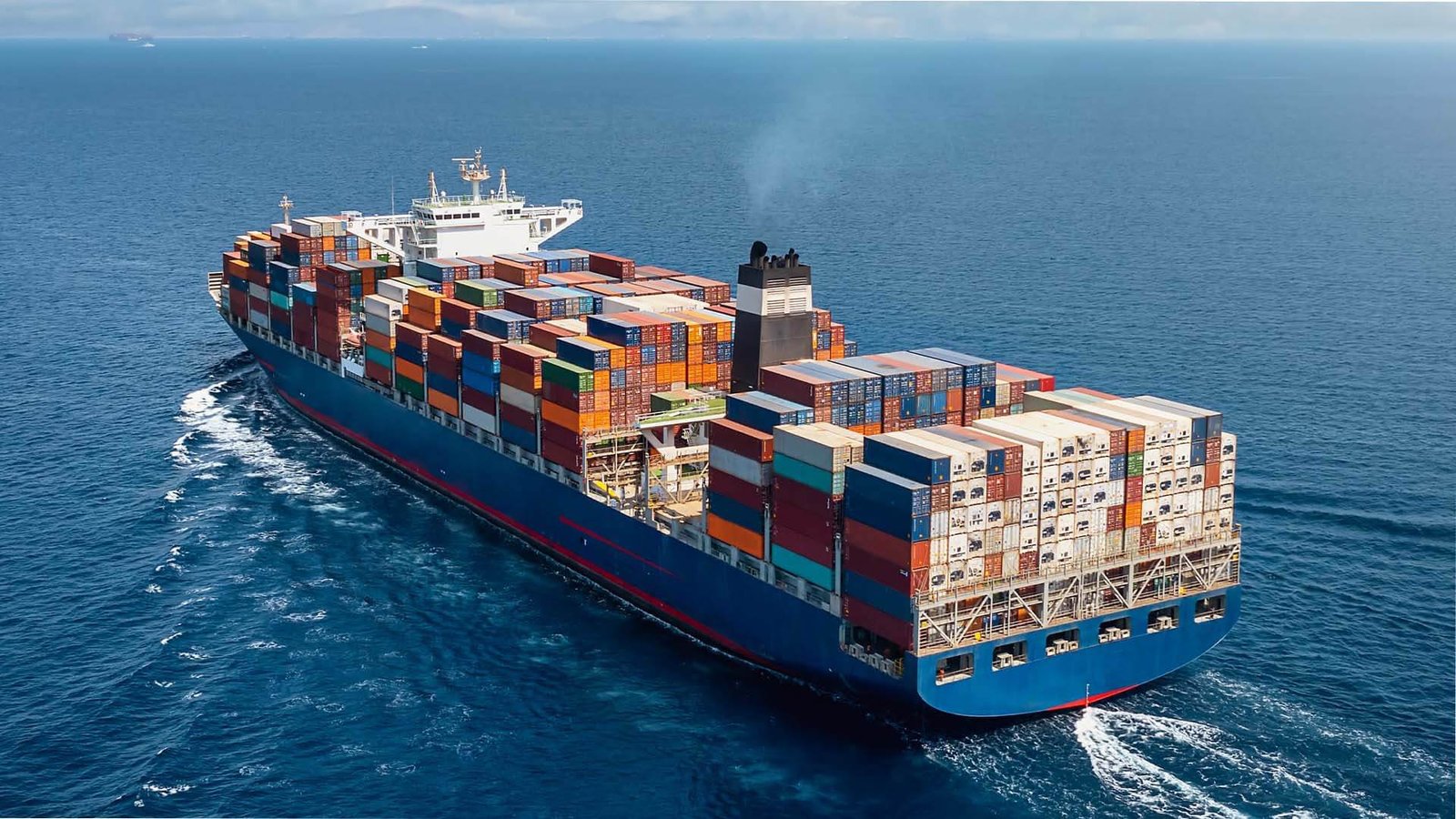
Compliance Steps Checklist
- Supplier origin verification
- Supply chain mapping
- Supporting documentation retention
- Internal compliance review
These actions help create a clearer picture of where products originate. It also aids in demonstrating compliance if questioned by authorities.
⚠️ RISK MITIGATION WORKFLOW
- Supplier Vetting
- Supply Chain Mapping
- Documentation Collection
- Pre-Entry Review
- Entry Filing
- Post-Entry Monitoring
This workflow can help manage risks effectively. It allows importers to anticipate potential issues before they arise.
Conclusion
The Xinjiang import ban1 reshapes the landscape of U.S. trade, making compliance a priority for importers.
Understanding the Xinjiang import ban is crucial for importers to navigate compliance and avoid potential pitfalls in global trade. ↩
Exploring the issue of forced labor in Xinjiang helps importers understand the ethical and legal implications for their supply chains. ↩
Delving into human rights concerns in Xinjiang provides context for the import ban and its significance in ethical sourcing. ↩
Learning about the UFLPA is essential for importers to understand the legal framework enforcing the Xinjiang import ban. ↩
Adjusting sourcing strategies is crucial for importers to maintain compliance and ensure smooth operations under the Xinjiang import ban. ↩
Understanding documentation demands helps importers prepare for compliance and avoid shipment holds or enforcement actions. ↩
Supply chain transparency is key to compliance, helping importers ensure their products are not linked to forced labor. ↩