The logistics world can be complex. Understanding who moves our goods is crucial.
A freight hauler1 is a licensed transportation provider that moves commercial cargo by truck across short or long distances. In U.S. imports, freight hauler1s transport containers and palletized goods from ports or rail ramps to warehouses, fulfillment centers, or final delivery locations, ensuring cargo moves efficiently after arrival.
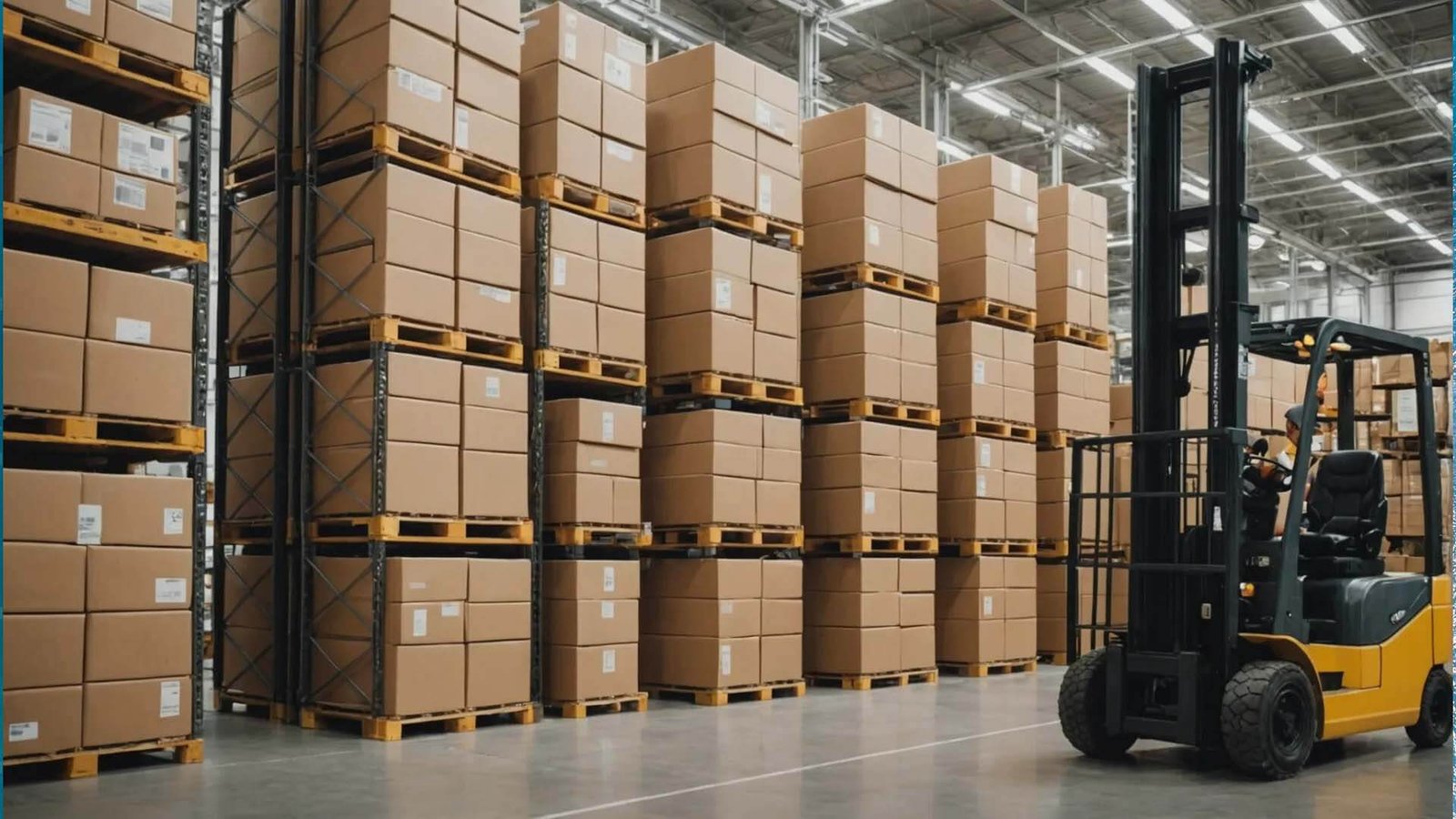
Freight haulers are essential in the supply chain. They ensure that your cargo moves from one point to another. Without them, delays and complications would rise. Let's explore more about their role.
Freight haulers play a critical role in the U.S. import supply chain2 by connecting ocean, rail, and air shipments to inland destinations.
The importance of freight hauler1s can't be overstated. They bridge vital connections in our supply chain.
Freight haulers bridge the gap between international transport and domestic delivery by moving cargo from ports, rail terminals, and airports to inland facilities. For importers, this link ensures timely inventory flow3 after customs clearance4 and prevents congestion, demurrage, and storage delays that increase total landed cost.
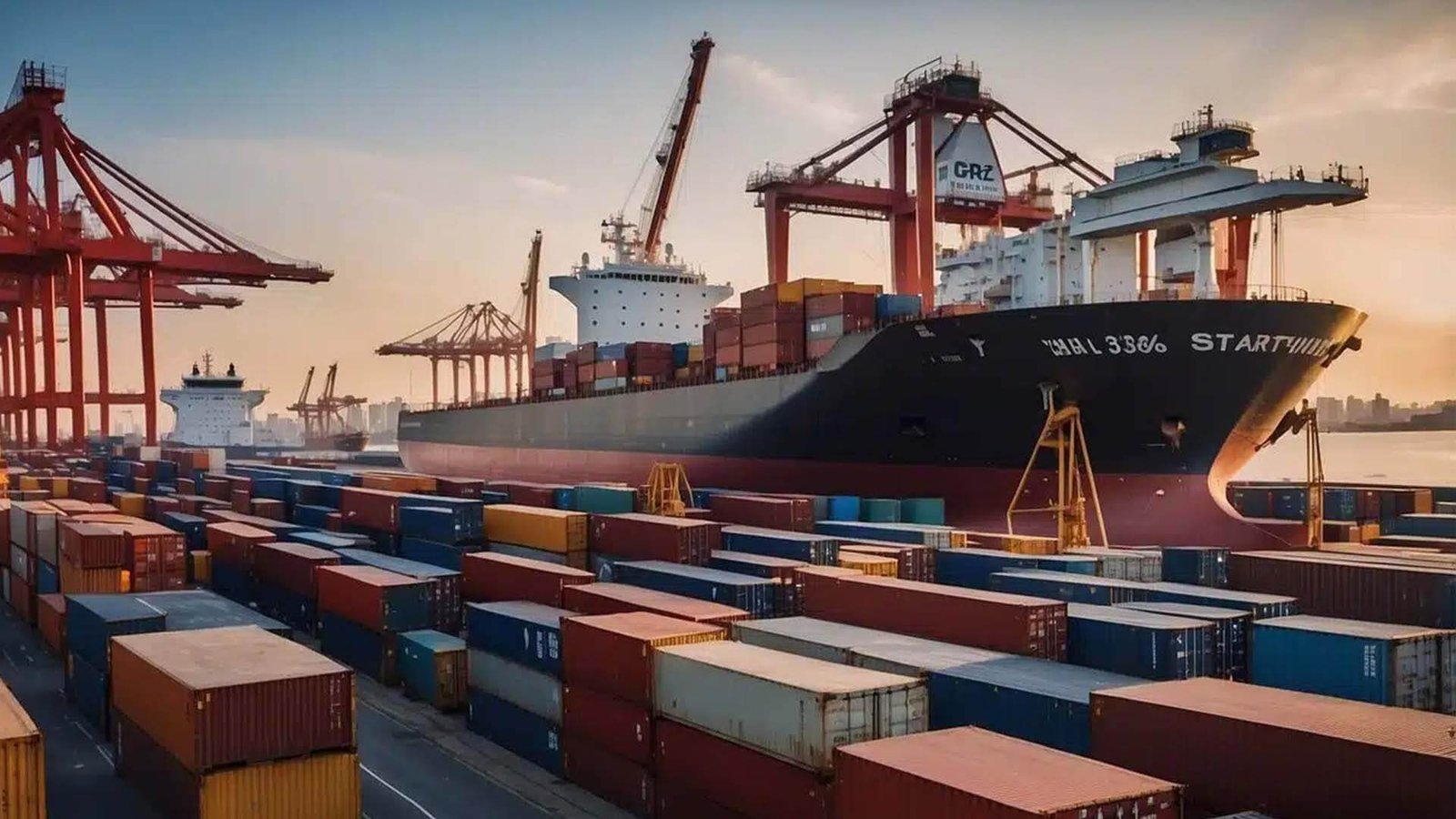
Understanding the role of freight hauler1s is key for any importer. They are the link between the ocean and your doorstep. When goods reach the port, they need to flow into the supply chain quickly. Freight haulers manage this flow. They prevent delays that can lead to increased costs and lost sales. They coordinate between various transportation modes, ensuring seamless transitions.
The logistics process is straightforward but crucial:
- Port or Rail Terminal Arrival: Cargo clears customs and is released for inland transport.
- Freight Hauler Pickup: Licensed trucker collects containers or cargo using proper equipment.
- Warehouse or DC Delivery: Goods are unloaded, stored, or cross-docked.
- Final Delivery: Cargo moves to retail, manufacturing, or fulfillment locations.
This seamless process illustrates how freight hauler1s keep the supply chain on track.
Importers rely on freight hauler1s to manage truck types5, equipment, routing, and compliance based on cargo size, weight, and delivery urgency.
Importers face many choices. Selecting the right freight hauler1 is one of them.
Freight haulers handle equipment selection, route planning, weight limits, and delivery scheduling6 based on shipment requirements. Importers depend on haulers to match cargo with the correct truck type, meet appointment windows, and comply with federal and state regulations to avoid delays, penalties, or rejected deliveries.
Importers must consider various factors while choosing a freight hauler1. The right hauler can manage the complexity of cargo requirements. They need to assess the size, weight, and urgency of the cargo and select the right truck type. For example, a time-sensitive shipment may require expedited services, while oversized cargo needs specialized equipment. Compliance with regulations is also critical to avoid penalties.
The main types of freight hauling trucks include dry van, flatbed, refrigerated, and specialized equipment used for standard and oversized imports.
Knowing truck types5 can help you choose wisely.
Freight hauling commonly uses dry vans for general cargo, flatbeds for oversized or project freight, refrigerated trucks for temperature-controlled goods, and specialized equipment for heavy or non-standard imports. Selecting the correct truck type is essential for protecting cargo integrity and maintaining delivery timelines.
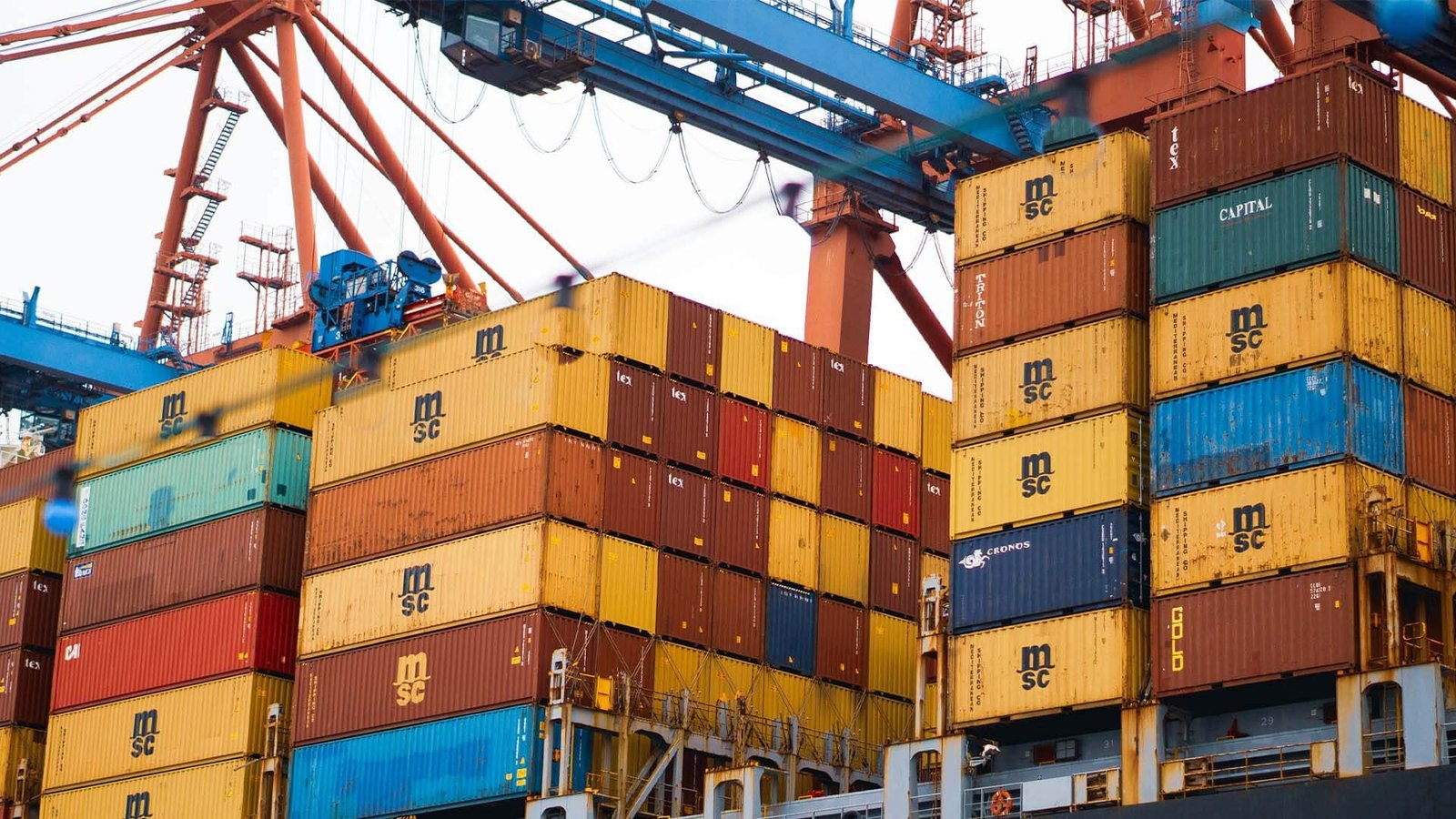
Different types of freight require different types of trucks. Here’s a breakdown:
| Truck Type | Description | Use Case |
|---|---|---|
| Dry Van | Enclosed truck for general cargo | Most standard shipments |
| Flatbed | Open truck with no sides | Oversized or project freight |
| Refrigerated | Temperature-controlled trucks | Perishable goods |
| Specialized | Custom equipment for unique transport needs | Heavy or non-standard imports |
Choosing the right truck type is crucial. It ensures that your goods arrive in the same condition they left.
Freight hauling costs are driven by distance, fuel, equipment type, accessorials, and port or warehouse constraints that directly affect landed cost.
Understanding costs can save you money.
Freight hauling costs depend on mileage, fuel prices, truck type, labor, and accessorial charges7 such as detention, chassis use, or port congestion fees. For importers, understanding these cost drivers is critical to controlling landed cost and preventing unexpected charges after cargo arrives in the U.S.
The costs associated with freight hauling are determined by various factors. Some of the key cost drivers include:
- Distance: Longer hauls typically incur higher costs.
- Fuel Prices: Fuel cost fluctuations can significantly impact overall expenses.
- Equipment Type: Specialized equipment can be more costly than standard trucks.
- Accessorial Charges: Fees for detention, special handling, or congestion can add up.
Awareness of these factors helps importers manage their budgets effectively.
Choosing the right freight hauler1 reduces delays, detention, and compliance risks while keeping imported goods moving smoothly after customs release.
The right partner can make a big difference.
A reliable freight hauler8r](https://www.freightos.com/glossary/what-is-a-freight-hauler/)%%%FOOTNOTE_REF_1%%% helps importers avoid port delays, missed delivery appointments, and regulatory issues9. By coordinating closely with customs brokers, terminals, and warehouses, the right hauling partner ensures cargo moves promptly after release, protecting inventory flow3, customer commitments, and overall supply chain performance.
Choosing a freight hauler1 is not just about cost. Reliability matters significantly. Importers should look for partners who communicate well and understand their specific needs. This ensures that goods flow smoothly after customs clearance4, which is critical for maintaining customer satisfaction. You should also evaluate their track record with compliance and their ability to adapt to changing regulations.
Conclusion
Understanding freight hauler1s helps streamline the import process and avoid costly delays.
Explore this link to understand the essential role freight haulers play in logistics and supply chain management. ↩
This resource will provide insights into the complexities of the import supply chain and the role of freight haulers. ↩
Learn strategies to ensure smooth inventory flow, crucial for customer satisfaction. ↩
Understanding customs clearance is crucial for importers to ensure smooth cargo flow. ↩
Explore this resource to understand various truck types and their specific applications in freight hauling. ↩
This link offers valuable tips on effective delivery scheduling to avoid delays. ↩
Understanding accessorial charges can help you avoid unexpected costs in your logistics operations. ↩
This link provides tips on selecting a dependable freight hauler to ensure timely deliveries. ↩
This resource will help you navigate the regulatory landscape affecting freight transport. ↩