Hazardous materials present unique challenges in international shipping1. As an importer, understanding UN Numbers is crucial for compliance and safety2 in your shipments.
A UN Number is a four-digit identifier used to classify hazardous materials3 during transport. It links a substance to specific safety, packaging, labeling, and documentation rules. For importers, the UN Number determines whether cargo is regulated as dangerous goods4 and whether carriers and customs will accept the shipment.
If you are new to the world of hazardous materials3, you may wonder why UN Numbers matter. Missteps in identifying and declaring hazardous materials3 can result in severe consequences. It's essential to grasp the significance of these identifiers and their role in your shipping process.
What a UN Number Is and Why It Matters for Hazardous Materials in International Shipping?
Navigating the world of hazardous materials3 in shipping can be daunting. Many importers often ignore the importance of UN Numbers, which can lead to costly errors and delays.
A UN Number is required whenever goods meet hazardous material criteria under international transport regulations5. This applies to ocean, air, road, and rail shipments. If a product is classified as dangerous goods4, the UN Number must appear on shipping papers6 and declarations before carriers or customs will release the cargo.
Understanding what constitutes a UN Number is vital for any importer. The United Nations has established a coding system for hazardous materials3 to ensure safety and compliance. Each UN Number corresponds to a specific material, providing essential information about how it should be handled.
Importance of UN Numbers
UN Numbers are not just random codes. They serve several functions in the shipping process:
- Identification: They clearly identify hazardous materials3, which helps carriers and regulatory authorities recognize risks.
- Safety Procedures: The UN Number is linked to safety guidelines, ensuring that the material is handled properly throughout its journey.
- Legal Compliance: Failing to include the appropriate UN Number can result in severe legal repercussions and financial losses.
Understanding these aspects is crucial for maintaining smooth shipping operations.
When a UN Number Is Required for Importing, Transporting, and Declaring Goods?
Knowing when a UN Number is necessary can save you time and money. Many importers underestimate the situations where these numbers are legally mandated.
A UN Number is required whenever goods meet hazardous material criteria under international transport regulations5. This applies to ocean, air, road, and rail shipments. If a product is classified as dangerous goods4, the UN Number must appear on shipping papers6 and declarations before carriers or customs will release the cargo.

Understanding when a UN Number is required is vital, especially for importers new to hazardous materials3. The criteria for determining if a UN Number is needed include:
Criteria for Requirement
- Hazard Class7ification: If the material is deemed hazardous based on its chemical and physical properties, a UN Number is mandatory.
- Transport Mode: Whether shipping by sea, air, rail, or road, if the goods fall under dangerous goods4 classification, a UN Number is needed.
- Documentation: The UN Number must be present on all relevant shipping documents and declarations.
Neglecting to declare a UN Number can lead to shipment refusal8s and penalties, making it imperative to recognize when these identifiers are necessary.
How UN Numbers Are Assigned and Linked to Hazard Class7, Packing Group9, and Proper Shipping Name10?
Importers often ask about the assignment of UN Numbers and their link to hazard classification11. This understanding is essential for ensuring compliance.
UN Numbers are assigned based on a material’s chemical and physical hazards. Each UN Number is tied to a Proper Shipping Name10, Hazard Class7, and often a Packing Group9. These elements work together to define how the product must be packaged, labeled, declared, and handled throughout the transport process.
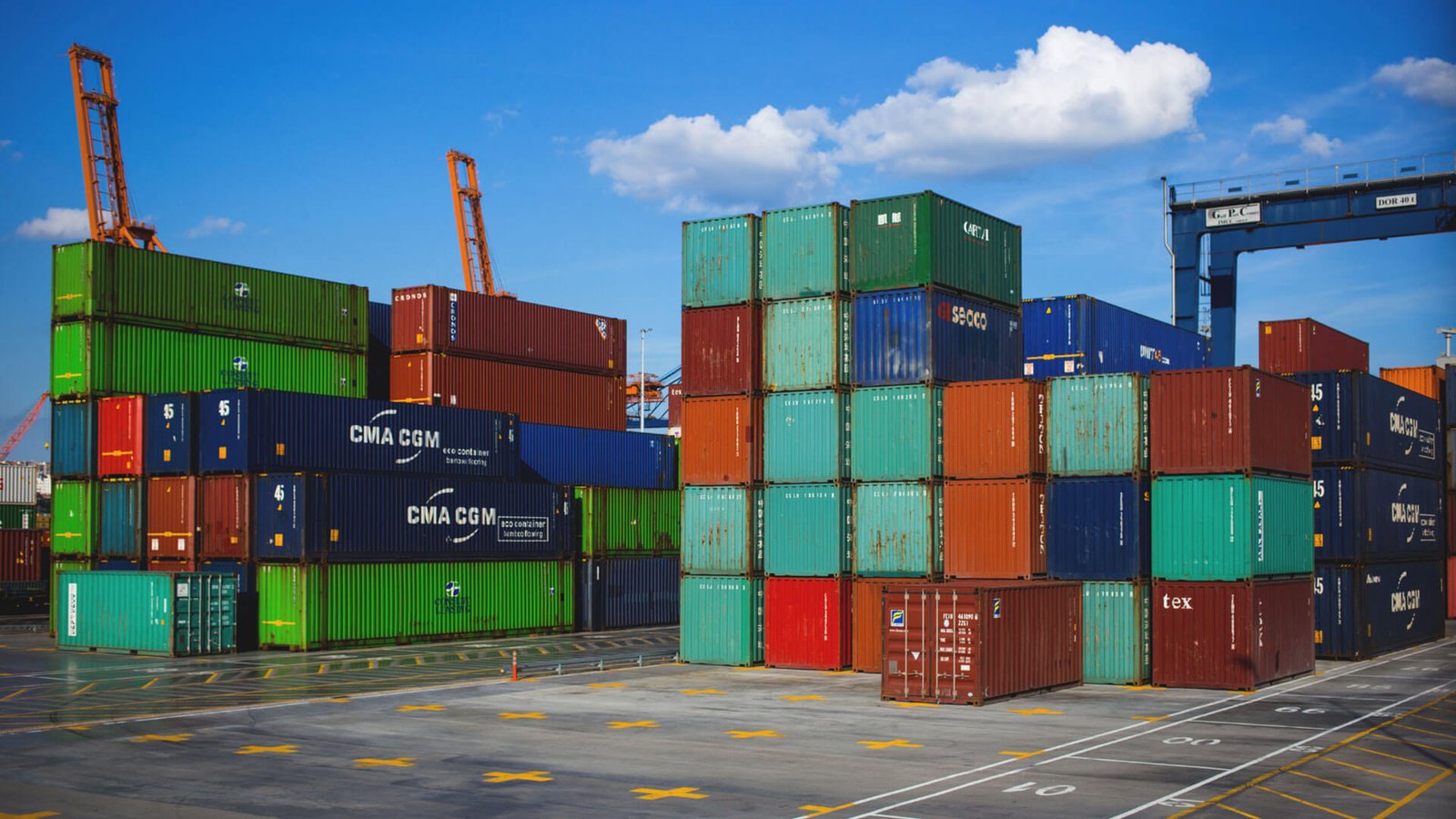
The assignment process of UN Numbers is systematic and methodical. It ensures that each hazardous material is categorized appropriately, allowing for safe transportation.
Assignment Process Breakdown
- Hazard Class7: Each UN Number corresponds to a specific hazard class, which indicates the type of risk associated with the material (e.g., flammable, corrosive).
- Packing Group9: The packing group determines the degree of danger and the required packaging standards for safe transport.
- Proper Shipping Name10: This provides a standardized name for the material, ensuring clarity in communication and documentation.
Table: Relationship Between UN Number and Hazard Class7
| Element | Purpose | Example |
|---|---|---|
| UN Number | Identifies the hazardous substance | UN 1203 (Gasoline) |
| Proper Shipping Name10 | Standardized description of the material | Gasoline |
| Hazard Class7 | Defines type of hazard | Class 3 (Flammable) |
Understanding this relationship is crucial for ensuring that your shipments are compliant and safe.
Where UN Numbers Must Appear on Packaging, Labels, Documents, and Transport Units?
When shipping hazardous materials3, knowing where to display UN Numbers is key. Proper placement can help avoid barriers in your shipping process.
UN Numbers must appear on outer packaging12, hazard labels13 or placards, shipping documents, and dangerous goods4 declarations. Placement and size depend on the transport mode. Missing or incorrectly displayed UN Numbers are a common reason for carrier rejection or customs inspection during import clearance.

The visibility of UN Numbers on packaging and documents is a legal requirement. Failing to meet these marking requirements can lead to serious consequences.
Placement Requirements
- Outer Packaging: The UN Number should appear on the outer container, ensuring that it is visible and legible.
- Labels and Placards: Hazard labels must include the UN Number as part of the required markings.
- Shipping Documents: All shipping papers6, including dangerous goods4 declarations, must clearly state the UN Number for proper identification.
Being meticulous about where and how to display UN Numbers can prevent delays and ensure your shipment is processed efficiently.
What Happens If a Shipment Has the Wrong UN Number or Is Not Declared Properly?
Mistakes regarding UN Numbers can have dire consequences. Understanding the implications is vital for any importer handling hazardous materials3.
Incorrect or missing UN Numbers can result in shipment refusal8, cargo holds14, fines, or forced re-export. Authorities treat undeclared or misdeclared dangerous goods4 as a serious safety risk. For importers, errors often lead to delays, additional inspections, storage charges, and compliance scrutiny.
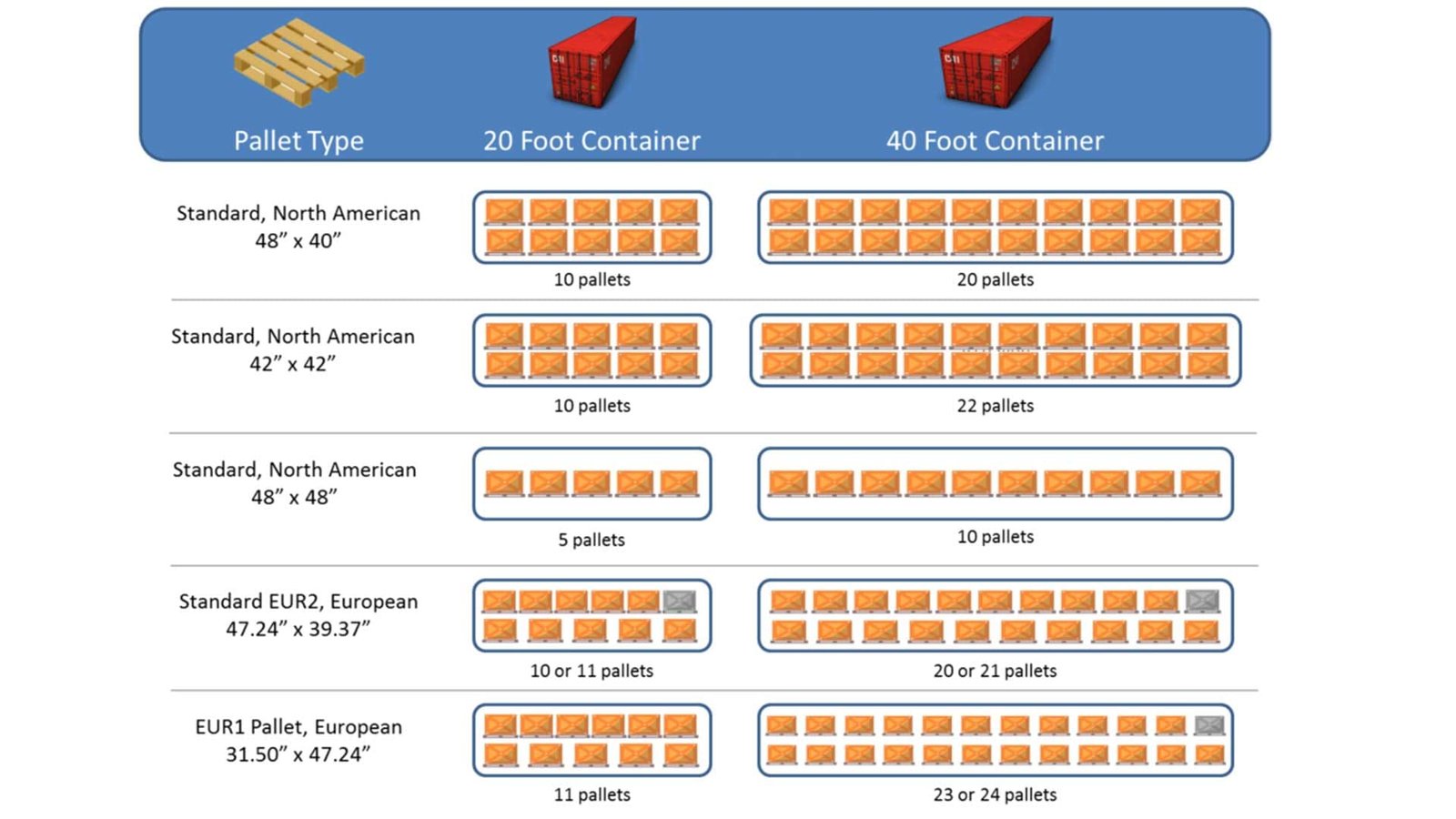
The risks of improper UN Number declaration cannot be overstated. The repercussions can disrupt your business operations significantly.
Consequences of Errors
- Shipment Refusal: Carriers often refuse to ship cargo that lacks proper documentation, leading to delays.
- Fines and Penalties: Regulatory authorities impose fines for improper declarations, which can be substantial.
- Cargo Holds: Incorrect declarations can lead to cargo being held for inspection, incurring additional storage costs.
Proper management of UN Numbers is essential for avoiding these pitfalls.
How Importers Can Use UN Numbers to Manage Hazmat Compliance Across the Entire Shipping Process?
For importers, managing UN Numbers effectively is crucial for maintaining compliance and ensuring smooth operations.
Importers should treat the UN Number as the starting point for hazmat compliance. Validating classification early ensures correct packaging, labeling, carrier acceptance, and customs declaration. Integrating UN Number checks into supplier onboarding15 and booking workflows reduces last-minute disruptions and regulatory risk.

Establishing a proactive approach to UN Number management is key to successful hazardous materials3 shipping.
Best Practices for Management
- Early Validation: Confirm the classification of materials early in the shipping process to avoid delays later.
- Supplier Onboarding: Integrate UN Number checks into your supplier onboarding15 process to ensure compliance from the start.
- Documentation Control: Maintain organized records of UN Numbers, hazard classification11s, and shipping documents to streamline the shipping process.
By implementing these practices, you can mitigate risks and enhance your compliance efforts.
Conclusion
Understanding UN Numbers is essential for importing hazardous materials3 successfully. Proper management ensures compliance and smooth shipping processes.
Learn how international shipping regulations affect the transport of hazardous materials. ↩
Ensuring compliance and safety prevents legal issues and ensures smooth shipping operations. ↩
Knowing what constitutes hazardous materials helps in identifying and declaring them correctly. ↩
Identifying dangerous goods is essential for applying the correct UN Numbers and safety measures. ↩
Knowing these regulations ensures that shipments meet legal requirements and avoid penalties. ↩
Proper documentation is key to avoiding shipment refusals and ensuring legal compliance. ↩
Identifying the Hazard Class is crucial for determining the risks and handling procedures. ↩
Avoiding shipment refusal is crucial for preventing delays and additional costs. ↩
The Packing Group indicates the level of danger and required packaging standards for safe transport. ↩
A Proper Shipping Name ensures clarity in communication and documentation for hazardous materials. ↩
Understanding hazard classification helps in assigning the correct UN Numbers and safety protocols. ↩
Proper outer packaging ensures that UN Numbers and hazard labels are visible and legible. ↩
Correct hazard labeling is essential for safety and compliance in transporting dangerous goods. ↩
Knowing the reasons for cargo holds can help in preventing delays and extra charges. ↩
Integrating UN Number checks in supplier onboarding ensures compliance from the start. ↩