Retailers face constant pressure to reduce costs while maintaining efficiency. Understanding retail consolidation services1 can help you navigate these challenges effectively.
Retail consolidation services combine inbound shipments2 from multiple suppliers into fewer, fuller moves before delivery to a distribution center or store network. Retailers use consolidation to reduce per-unit freight costs3, minimize accessorials, and improve inbound visibility—turning fragmented supplier freight into predictable, lower-cost flows.

Retailers often struggle with managing inbound freight costs. Traditional shipping methods can lead to high expenses and inefficient operations. By focusing on consolidation services, retailers can create a more economical and streamlined supply chain process. Let's explore how these services work and the significant benefits they offer.
What Retail Consolidation Services Are and Why Retailers Use Them to Control Inbound Freight Costs?
Retailers today seek efficient ways to manage logistics and reduce costs. Retail consolidation services provide a solution that combines the shipments from different suppliers into fewer, optimized loads. This approach helps retailers cut down on shipping expenses.
Retail consolidation aggregates multiple suppliers’ POs at an origin or near-port facility, validates compliance, and builds optimized loads for onward transport. By synchronizing cutoffs and destinations, retailers reduce partial loads and gain tighter control over inbound schedules, labeling, and appointment performance.

The retail consolidation process helps to streamline operations. It reduces the number of shipments and maximizes load sizes. By consolidating shipments, retailers can also minimize empty space in trucks, which is a significant factor in reducing costs. Retail consolidation services offer a structured method for managing inbound freight costs effectively.
How Retail Consolidation Works Across Multiple Suppliers, Purchase Orders, and Destinations
When you have multiple suppliers and orders, managing logistics can become complicated. Retail consolidation simplifies this by coordinating shipments across various suppliers to create full loads. This process not only saves money but also enhances reliability.
Savings typically come from higher cube utilization4, fewer LTLs, and reduced DC dwell. Costs can rise if consolidation adds extra handling, storage, or delays that inflate inventory carrying costs. Retailers must evaluate consolidation on total landed cost, not line-haul alone.
As shipments are consolidated, the retailer gains better control over logistics. It can lead to improved scheduling, fewer delays, and a more organized approach to managing shipping. Understanding how these processes intersect is crucial for retailers looking to enhance their logistics operations.
Where Retailers Actually Save Money Through Consolidation—and Where Costs Can Increase
Retail consolidation does not come without its costs. While there are clear savings in many areas, some retailers may incur additional expenses. Higher cube utilization4 and fewer less-than-truckload (LTL) shipments5 generally lead to cost savings. However, added handling fees or delays can increase total expenses.
Consolidation centers pre-screen labels, cartons, and ASNs, improving PO compliance6 before freight hits the DC. Fewer inbound appointments reduce congestion and dwell, enabling smoother cross-dock or put-away. The result is faster receiving, better inventory accuracy, and fewer chargebacks.

It's essential to assess these trade-offs when implementing retail consolidation services1. Not every retailer will experience the same savings, so a thorough analysis of the costs associated with consolidation is necessary. This helps to ensure that the benefits outweigh any potential downsides.
How Retail Consolidation Improves PO Compliance, DC Efficiency, and Inventory Flow
PO compliance6 is vital for maintaining a smooth supply chain. Retail consolidation improves compliance by ensuring that shipments meet established requirements before reaching distribution centers. With fewer shipments to handle, the efficiency of the distribution center (DC) can significantly improve.
Retail consolidation makes sense for multi-supplier networks7, high PO counts, and DC bottlenecks. Successful programs define clear cutoffs, service-level expectations, cost transparency, and exception handling. Retailers should pilot lanes, measure compliance gains, and scale where savings and service improvements persist.
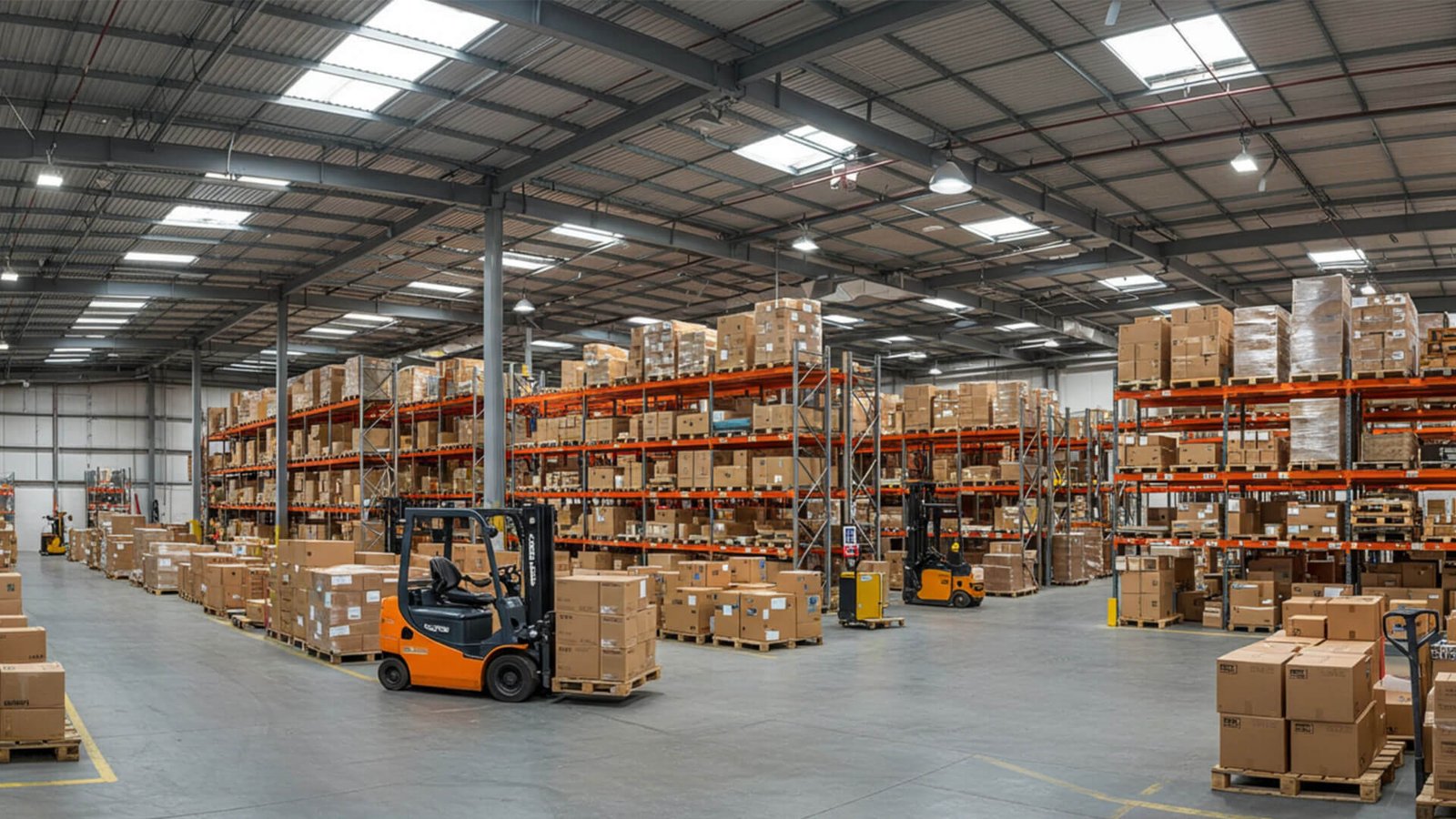
By pre-screening shipments, retailers can mitigate issues that lead to chargebacks or penalties. This proactive approach fosters better inventory flow8, resulting in timely replenishment and fulfillment. Understanding how consolidation can enhance these aspects will empower retailers to make informed decisions.
When Retail Consolidation Makes Sense for Importers and How to Implement It Successfully
Retail consolidation is not a one-size-fits-all solution. It works best for retailers dealing with multiple suppliers and high PO counts. For those facing challenges such as congestion in their DC, consolidation offers a viable solution.
Retail consolidation typically increases efficiency for those with significant shipping volumes9. Implementing it successfully requires clear communication about cutoffs, service standards, and the sharing of costs. Retailers should also be prepared to analyze data to identify areas where savings can be maximized.
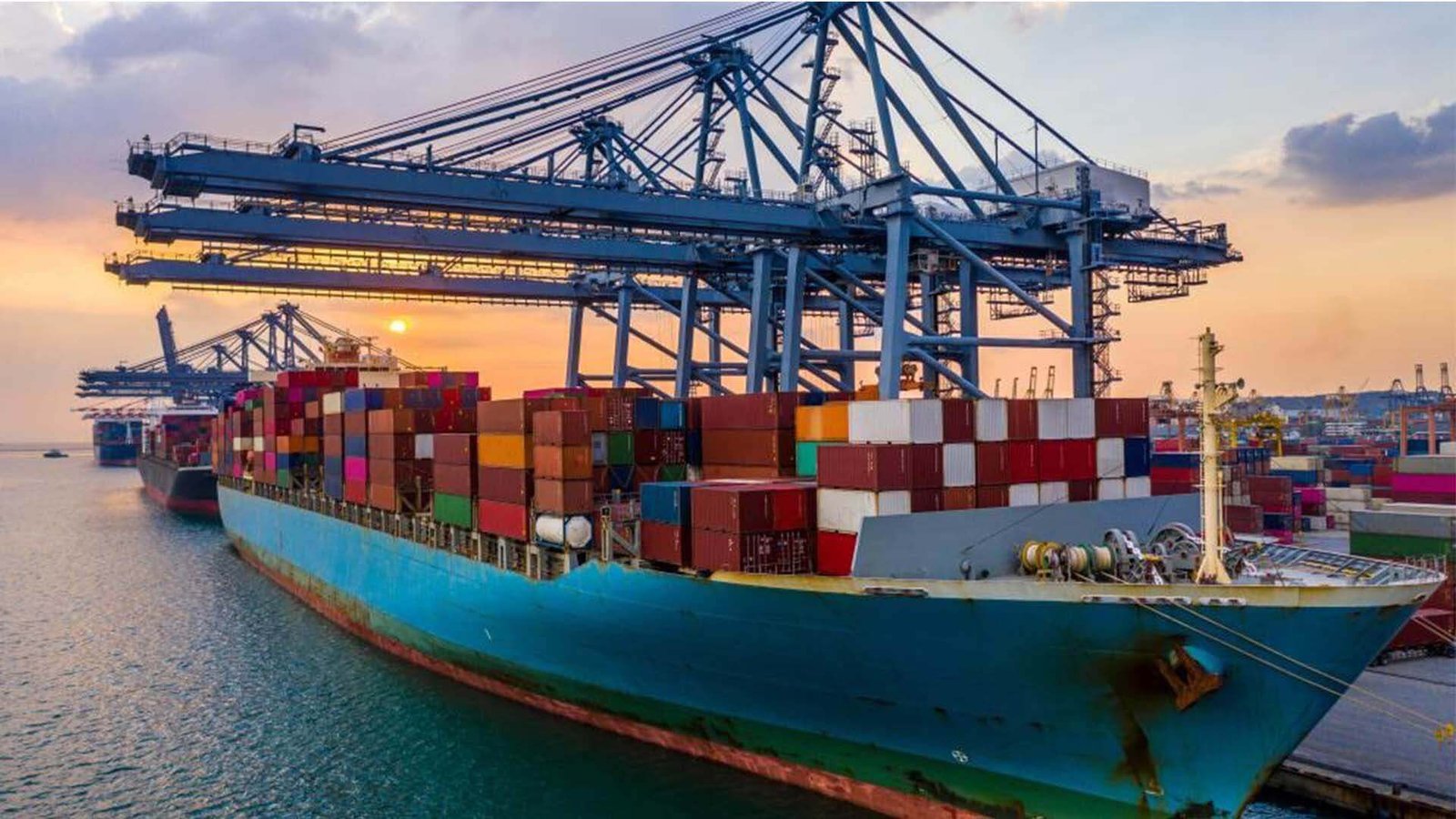
Establishing best practices is crucial for effective implementation. Retailers should pilot consolidation for select routes, measure outcomes, and adjust as necessary. By focusing on continuous improvement, retailers can unlock the full potential of retail consolidation services1.
Conclusion
Retail consolidation services are pivotal for retailers aiming to cut shipping costs while enhancing operational efficiency. By understanding this process, retailers can make informed choices in their logistics strategies.
Understanding retail consolidation services can help retailers reduce costs and improve efficiency, making it a crucial strategy for modern logistics. ↩
Inbound shipments are a key component of retail logistics, and managing them effectively can lead to significant cost savings and efficiency improvements. ↩
Reducing per-unit freight costs is essential for retailers to maintain profitability, and exploring strategies to achieve this can be highly beneficial. ↩
Higher cube utilization can significantly reduce shipping costs, making it an important factor for retailers to consider in their logistics strategy. ↩
Understanding LTL shipments and their cost implications can help retailers make informed decisions about their shipping strategies. ↩
Ensuring PO compliance can prevent chargebacks and penalties, leading to smoother operations and cost savings for retailers. ↩
Retail consolidation can streamline operations in multi-supplier networks, leading to cost savings and improved logistics efficiency. ↩
Improved inventory flow ensures timely replenishment and fulfillment, which is vital for meeting customer demands and maintaining sales. ↩
High shipping volumes can enhance the efficiency of retail consolidation, making it a key consideration for retailers. ↩