The Federal Maritime Commission (FMC)1 plays a crucial role in regulating international ocean transportation. This ensures fair practices for importers while navigating the complexities of shipping from China to the USA.
The Federal Maritime Commission (FMC)1 is the U.S. agency that regulates international ocean transportation to protect shippers and ensure fair practices. FMC oversight includes ocean common carriers2, marine terminal operators3, and certain intermediaries, and it enforces rules related to unreasonable practices, service contract behavior, and billing disputes. For importers, FMC matters most when costs or service become unfair.

FMC's role is vital for importers, addressing concerns around costs and transparency in shipping practices. However, many are unaware of the extent of its authority and the boundaries of its jurisdiction. This article will guide you through what FMC regulates, what it does not, and how recent changes, like OSRA 20224, have impacted enforcement.
What the Federal Maritime Commission (FMC)1 actually does for importers?
The FMC oversees various stakeholders in the ocean transportation sector, ensuring fair practices and transparency. Importers benefit primarily from this regulatory oversight to avoid unreasonable charges and service failures.
FMC = economic/regulatory oversight of ocean shipping, enforcing fairness in practices and billing. Importers should care because it provides a pathway for cost recovery and dispute leverage against unfair practices.
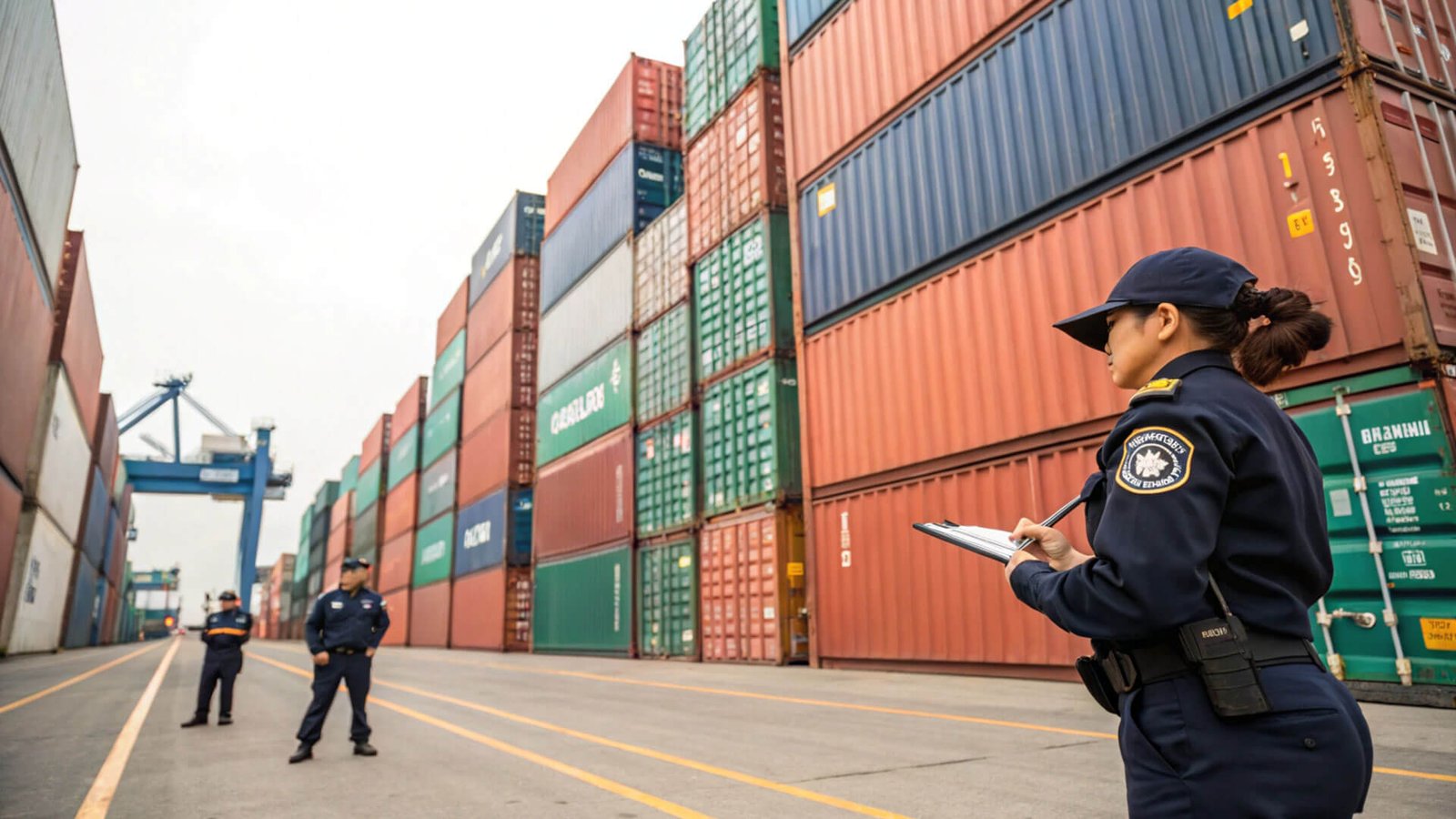
| Entity Type | Examples | FMC Relationship | Importer Impact | Common Problem |
|---|---|---|---|---|
| Ocean Common Carriers | Shipping lines | Regulate service contracts, practices | High impact on shipping costs and service | Unreasonable delays, high billing |
| Marine Terminal Operators | Ports, terminals | Oversees terminal operations | Affects cargo handling and release times | Demurrage charges, lack of transparency |
| Ocean Transportation Intermediaries (OTIs)5 | Freight forwarders, NVOCCs | Must comply with FMC regulations | Influences shipping efficiency and costs | Misleading contract terms, uncompetitive rates |
What FMC regulates vs what it doesn’t?
FMC regulation focuses on fairness in ocean transportation. Importers should understand the boundaries of FMC's authority to avoid misdirecting their complaints.
FMC regulates ocean service contracts, carrier conduct, and certain billing disputes. In contrast, CBP controls customs compliance while DOT covers other transport sectors. Understanding these boundaries helps prevent incorrect escalation of issues.
| Issue | Responsible Authority | Example | What Importer Should Do |
|---|---|---|---|
| Detention/Demurrage Dispute | FMC | Unfair charge billing | File a dispute with FMC |
| Carrier Refusal to Deal | FMC | Carrier won’t accept cargo | Contact FMC for intervention |
| Customs Holds | CBP | Goods held for duty compliance | Resolve with CBP |
| Safety/Transport Licensing | DOT | Vehicle licensing issues | Work with DOT for compliance |
How OSRA 20224 expanded FMC enforcement power and why it matters to importers?
OSRA 20224 has brought significant changes to FMC's enforcement capabilities, particularly regarding detention and demurrage billing6. The new regulations lead to increased transparency in billing and faster dispute resolution7.
OSRA 20224 strengthens FMC authority, emphasizing greater transparency in detention and demurrage billing6. Importers can now leverage clearer standards and structured dispute pathways to address and challenge unreasonable charges effectively.
| Invoice Requirement | Why It Matters | What "Non-Compliant" Looks Like | Importer Action |
|---|---|---|---|
| Correct Shipment Identifiers | Ensures accurate charge calculations | Missing B/L or container numbers | Verify shipment identifiers8 on invoices |
| Charge Basis and Dates | Clarifies billing expectations | Vague charge descriptions | Request specific charge breakdowns |
| Container Details | Helps identify billing discrepancies | No mention of container specifics | Confirm container details are included |
| Free Time Reference | Establishes allowable free time | No reference to allowed free time periods | Ensure free time is explicitly noted |
How importers can use FMC processes to fight unfair charges?
Importers facing unfair charges can utilize FMC's processes effectively by preparing detailed evidence packages and following a structured complaint submission pathway.
To file a complaint, importers must document facts and organize evidence to support their claims. Strong cases include complete shipment histories, invoice discrepancies, and communication records. The aim is to substantiate why the charges are unreasonable.
FMC Complaint Evidence Checklist9
- Shipment Identifiers
- B/L number, container numbers, voyage, terminal, dates
- Operational Timeline
- Arrival date, availability date, last free day, holds, release date
- Appointment & Pickup Proof
- Appointment screenshots, gate messages, trucker attempts
- Terminal Constraints
- Closures, congestion notices, system outages
- Billing Proof
- Invoice copy, charge calculation, free time reference10, errors
- Communications Record
- Emails/tickets with carriers, terminals, NVOCCs, forwarders
Importer playbook11: FMC compliance best practices to reduce cost and delays
Fostering a proactive approach towards compliance allows importers to minimize detention and demurrage costs effectively. Implementing strong controls and maintaining thorough documentation can significantly streamline operations.
Essential FMC-related practices include defining clear contract controls, instituting invoice audits12, and establishing an efficient escalation workflow13. Importers need to ensure they maintain an organized evidence trail to support any disputes that arise.
Importer Dispute Workflow
- Invoice received
- Validate shipment timeline & free time
- Check invoice fields (OSRA table)
- Gather evidence package
- Send dispute to billing party within X days
- Escalate to carrier/MTO management
- If unresolved: FMC pathway/formal complaint step
- Document outcome & update SOP
Compliance Risk Checklist14
- D&D policy + owner assigned
- Pre-clearance readiness (customs/broker)
- Appointment scheduling SOP
- Terminal availability monitoring
- Evidence folder automatically created per container
- Weekly invoice audit
- Contract clause review cadence
- Escalation matrix (forwarder → carrier → terminal)
Conclusion
Understanding FMC regulations and processes is crucial for importers to navigate unfair charges and improve shipping outcomes effectively.
Understanding the FMC's role helps importers navigate international shipping regulations and protect against unfair practices. ↩
Learn how ocean common carriers influence shipping costs and service quality, crucial for importers managing logistics. ↩
Explore how marine terminal operators affect cargo handling and release times, impacting importers' operations. ↩
Learn about OSRA 2022's impact on FMC enforcement, enhancing transparency and dispute resolution for importers. ↩
Discover the role of OTIs in shipping efficiency and cost management, essential for importers to understand. ↩
Understanding these charges helps importers manage costs and avoid unexpected fees in international shipping. ↩
Explore effective dispute resolution strategies to handle unfair charges and improve shipping outcomes. ↩
Accurate shipment identifiers ensure correct billing and help importers verify charges, preventing discrepancies. ↩
Gathering the right evidence is crucial for importers to successfully dispute unfair charges with the FMC. ↩
Learn about free time allowances in shipping to avoid unnecessary detention charges and manage logistics efficiently. ↩
Implementing best practices helps importers reduce costs and delays, ensuring smooth shipping operations. ↩
Regular invoice audits help importers identify discrepancies and prevent overcharges, optimizing shipping expenses. ↩
An effective escalation workflow ensures timely resolution of disputes, minimizing delays and additional costs. ↩
A compliance risk checklist helps importers identify potential issues and maintain adherence to shipping regulations. ↩