Your container is stuck, and you're facing delays and surprise costs. Understanding why U.S. Customs examines cargo is the first step to regaining control of your shipments.
U.S. Customs and Border Protection (CBP)1 examines commercial cargo based on risk targeting2, not random selection. Factors like your shipment data3, importer compliance history4, cargo type5, and origin determine if your freight is inspected. Most cargo clears without an exam, but high-risk shipments are checked before release.
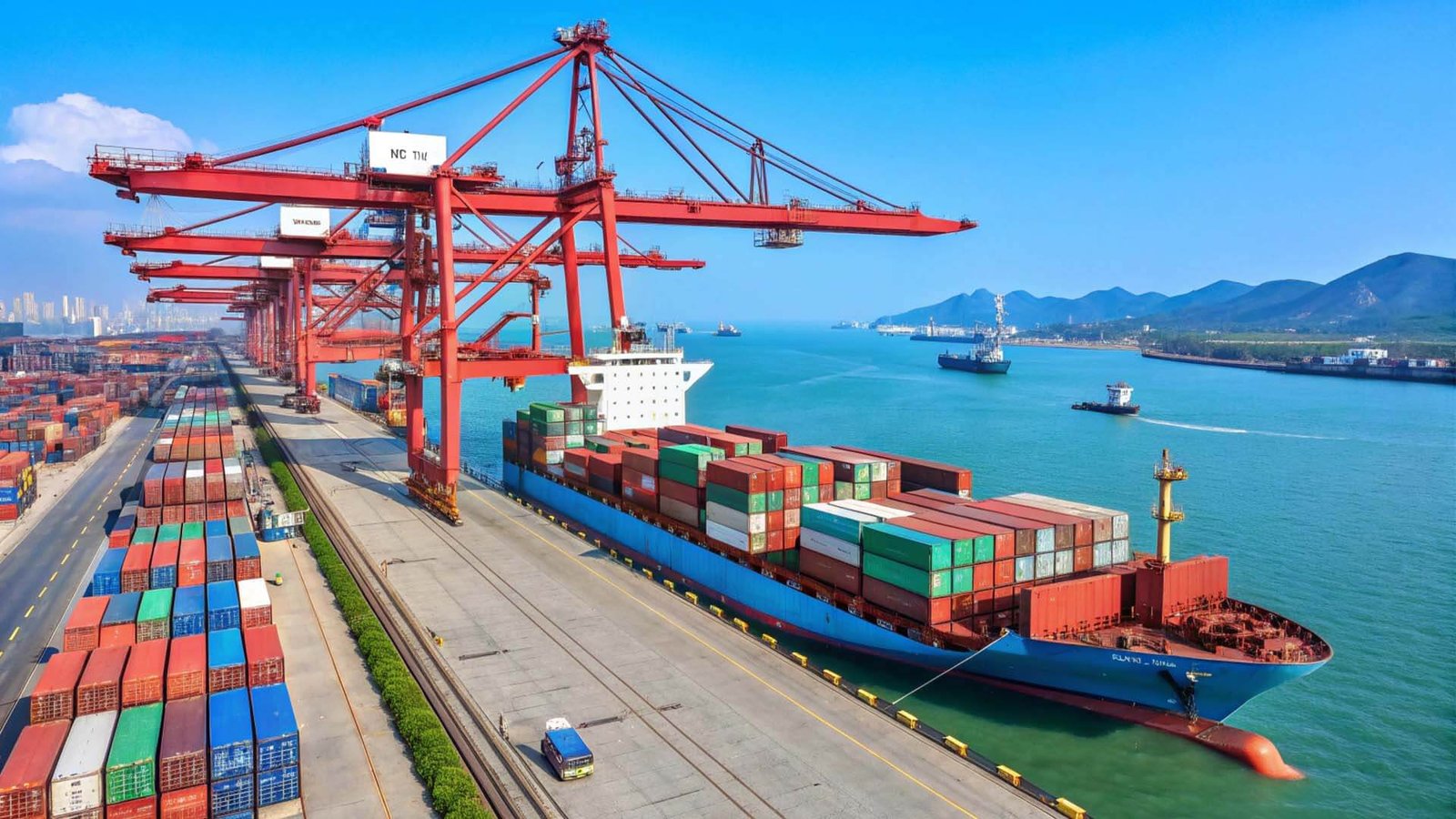
A notice from Customs about a cargo examination6 can be stressful. I've seen it cause major headaches for importers who weren't prepared. But these exams are a normal part of the import process. They aren't always a sign that you did something wrong. The key is to understand why they happen and how to handle them. This knowledge will help you reduce the risk of exams and manage them smoothly when they do occur. Let's break down the entire process so you feel more confident managing your imports.
Why does U.S. Customs and Border Protection select commercial cargo for examination instead of releasing it automatically?
It feels random when your container gets flagged for an exam. You start to wonder if you made a mistake. But the selection process is more systematic, focusing on risk factors.
CBP examines commercial cargo based on risk targeting2 rather than random selection. Factors such as shipment data3, importer compliance history4, cargo type5, origin, and security intelligence determine whether freight is examined. Most cargo clears without inspection, but shipments flagged as higher risk are routed for examination before release.

CBP has a huge job. They must protect the country from dangerous goods, ensure proper duties are paid, and enforce trade laws. They can't possibly inspect every single container that arrives. Instead, they use a powerful computer system called the Automated Targeting System (ATS)7. This system analyzes all the data submitted for a shipment, like the Importer Security Filing (ISF) and entry documents. It acts like a giant filter, assigning a risk score to each shipment. The process generally follows a clear path: Shipment Arrival → CBP Risk Targeting → Exam Selection → Importer & Broker Coordination → Release or Enforcement Action. Shipments with high scores get flagged for an exam. This system looks for specific patterns and anomalies. For example, a first-time importer is seen as a higher risk than a company with a long, clean import history. Shipments from certain countries or containing specific types of goods are also scrutinized more closely. So, while it can feel personal, the decision is usually data-driven.
What are the different types of customs cargo examination6s and what does each one mean for you?
You received a notice for a "VACIS exam," but what does that mean? The term is confusing and you don't know what to expect. Let's clarify the common exam types.
CBP cargo examination6s range from non-intrusive imaging scans to full physical inspections. Each exam type has different timelines, costs, and requirements. Understanding the specific exam helps you anticipate delays, manage costs, and respond correctly during the process.
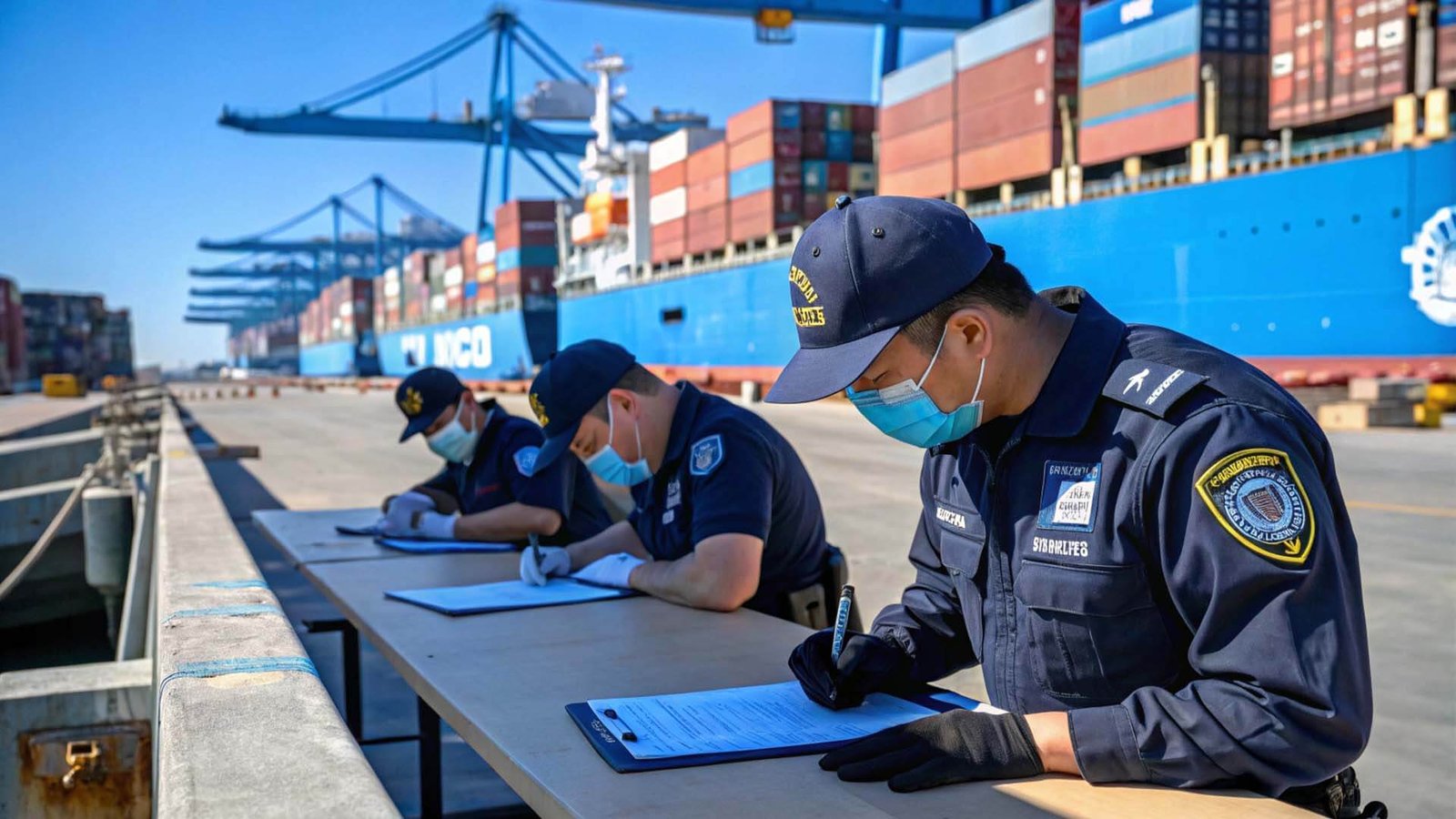
When your cargo is flagged, it will be assigned a specific type of exam. Each one involves different levels of inspection, time, and cost. I once had a client, Mark, whose first shipment was held for an Intensive Exam8. He was very worried, but we walked him through the process. Knowing what was coming helped him manage his own customer's expectations. Here are the main types of exams you might face.
Common Customs Examination Types
| Exam Type | Description | Impact on You (Time & Cost) |
|---|---|---|
| X-Ray (VACIS/NII)9 | This is a Non-Intrusive Inspection (NII). Your container is driven through a large X-ray machine, similar to airport luggage scanners. CBP reviews the image for anomalies. | Low Impact. Usually takes 1-3 days. Costs are minimal, often just for drayage to and from the scanner. |
| Tail Gate Exam10 | A CBP officer breaks the seal on your container at the terminal and looks inside. They don't unload the cargo, just inspect what's visible at the back of the container. | Medium Impact. Can take 3-5 days. Costs are higher than an X-ray due to potential terminal and labor fees. |
| Intensive Exam8 | This is the most thorough inspection. Your container is moved to a Centralized Examination Station (CES)11. The cargo is fully unloaded, and CBP inspects the goods piece by piece. | High Impact. This is the most time-consuming and expensive exam, often taking 7-14 days or more. You are responsible for all costs, including drayage, labor to unload/reload, and CES fees. |
What are the most common red flags that trigger customs exams for your ocean and air shipments?
Your shipments seem to get examined more often than you'd like. You can't figure out why. Let's identify the common triggers so you can start to avoid them.
Customs exams are often triggered by inconsistent documents, vague cargo descriptions, unusual valuation, or being a new importer. Shipments from high-risk countries or containing sensitive goods12 are also flagged. Even compliant shipments can be examined if their data fits a known risk profile.
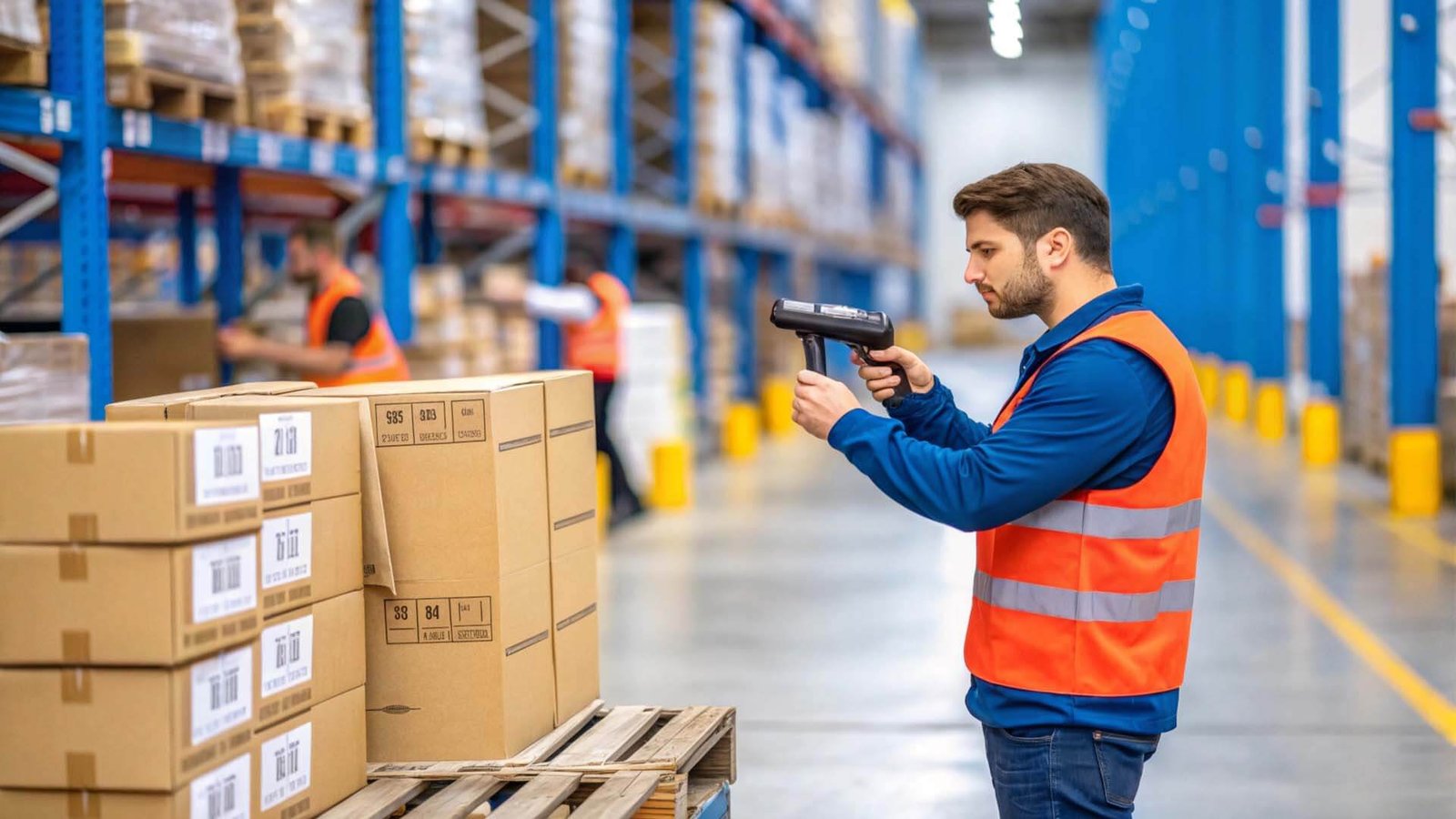
You can significantly lower your chances of an exam by avoiding common red flags. CBP's targeting system is designed to find inconsistencies and patterns that suggest risk. From my experience helping clients like Mark, most exams are triggered by a few key areas. Paying close attention to these details before your cargo even ships is one of the best ways to protect your supply chain13. We always double-check these things for our clients to prevent easily avoidable delays.
Documentation Discrepancies
This is the biggest and most avoidable trigger. CBP compares your Commercial Invoice, Packing List, and Bill of Lading. If the weights, piece counts, or descriptions don't match perfectly, it raises a flag. Another major issue is using vague descriptions like "General Merchandise," "Parts," or "Consolidated Goods." You must be specific. Instead of "Apparel," list "Men's 100% Cotton T-Shirts."
Valuation and Classification Issues
CBP has access to vast amounts of data on product values. If the value you declare for your goods seems too low for what they are, the system will flag it for review. They suspect you might be trying to underpay duties. Similarly, using the wrong Harmonized Tariff Schedule (HTS) code is a major red flag. This can be seen as an attempt to misclassify goods to get a lower duty rate.
Shipper and Importer Profiles
If you are a first-time importer, you are automatically considered higher risk. You don't have a track record with CBP. Also, if your supplier in China has a history of compliance problems, that risk is passed on to your shipment.
How do customs examinations impact your transit time, storage costs, and total landed cost?
A customs exam sounds like a minor delay. But then the bills for drayage, storage, and exam fees start arriving. It's important to understand the true financial and logistical impact.
Customs examinations extend transit times and create extra costs like terminal handling, drayage to the exam site, demurrage14, and exam fees. These delays disrupt supply chain13s, affecting inventory and customer delivery promises, so you must factor this risk into your total landed cost.
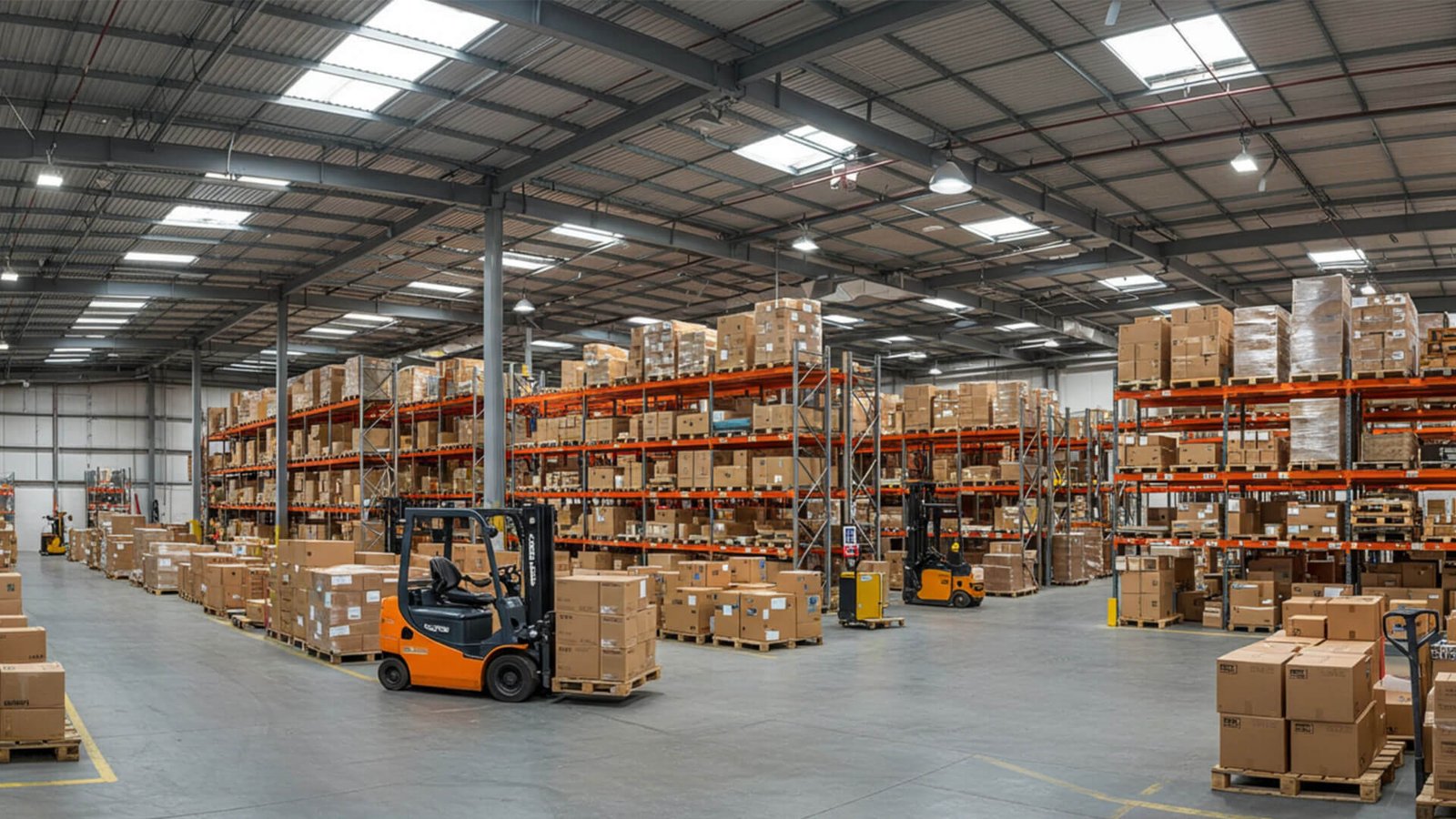
A customs exam doesn't just add a few days to your timeline; it adds significant costs that can hurt your profit margin. I always advise my clients to be aware of these potential charges so they aren't caught by surprise. A simple 2-day exam can quickly spiral into 10 days of delays and thousands of dollars in fees if not managed correctly. These costs are a direct hit to your bottom line and must be included when you calculate your product's total landed cost.
Direct Exam Costs
These are fees you have to pay for the exam itself.
- Drayage: This is the cost to transport your container from the seaport to the off-site Centralized Examination Station (CES)11 and then back again. This can be several hundred dollars.
- CES Exam Fee: The private company running the CES charges a fee for their services, including the labor to unload and reload your container. This can range from a few hundred to over a thousand dollars, depending on the exam type and labor involved.
Indirect Costs from Delays
These costs pile up while your container is on hold.
- Demurrage: The steamship line gives you a few "free days" to pick up your container from the port. If an exam causes you to exceed this time, you'll be charged a daily penalty, which can be $100-$300+ per day.
- Per Diem: This is a daily fee for using the container and chassis beyond the allotted free time. It's another penalty that accumulates quickly during a long exam.
What must you do during a cargo examination6 to avoid escalation or seizure?
You just received notice that your cargo is on hold for an exam. Panic starts to set in. What should you do? A calm, quick, and correct response is your best strategy.
During a cargo examination6, you must provide documents quickly, coordinate with terminals, and answer CBP's questions accurately. Failing to cooperate, or if inspectors find inconsistencies, can turn a routine exam into a major penalty or even seizure of your goods.
The moment you learn your shipment is held for an exam, the clock starts ticking. How you and your customs broker15 respond will determine whether it's a small bump in the road or a major catastrophe. The goal is to show CBP that you are compliant, transparent, and cooperative. Any hesitation or mistake can raise suspicion and lead to a more intense inspection, fines, or worse. We guide our clients through this every step of the way to ensure a smooth process.
Step 1: Communicate Immediately with Your Broker
Don't panic. The very first thing you should do is contact your customs broker15. Your broker is your representative and will manage communications with CBP and the examination site. They will tell you what type of exam is happening and what information is needed. As your partner, we handle this coordination to keep you informed without you having to deal with the complexities directly.
Step 2: Respond Quickly and Accurately
CBP might issue a formal "Request for Information" (CF 28). You must provide the requested documents and answers by the deadline. It is critical to provide exactly what they ask for and ensure it is 100% accurate. Do not volunteer extra information. Any inconsistency between what you provide and what inspectors find can escalate the situation.
Step 3: Authorize Payments Promptly
Your broker cannot arrange for your container to be moved to the exam station without your approval to pay the fees. Any delay in providing this authorization will result in your container sitting at the port, racking up demurrage14 and storage fees. Quick action minimizes these costly delays.
How can proactive documentation, broker strategy, and freight planning16 reduce your exam risk?
You feel helpless against customs exams, like it's a lottery you can't win. But you are not powerless. You can take concrete steps to lower your odds of being selected for an inspection.
While no one can eliminate exams completely, importers reduce risk with accurate data, compliant product classification, and an experienced customs broker15. Proactive planning helps shorten exam times, limit costs, and prevent routine holds from becoming expensive problems.
The best way to deal with a customs exam is to avoid it in the first place. While a certain number of random exams will always happen, most are triggered by preventable issues. By being proactive, you can make your shipments less risky in the eyes of CBP's targeting system. This is where a true logistics partner adds immense value. We don't just move your boxes; we help you build a compliant and resilient supply chain13.
The Power of Perfect Paperwork
This is the foundation of customs compliance. We work with you and your supplier in China long before the ship sails. Our team ensures the commercial invoice, packing list, and ISF data are perfectly aligned. We push for highly specific cargo descriptions because we know that vague terms are a major red flag for CBP. Getting the documentation right from the start is the single most effective way to reduce exam risk.
Choosing the Right Customs Broker
An experienced broker is more than just a filer; they are your compliance strategist. As your broker, we review your documents for potential red flags before submission. Our history of compliant filings builds trust with CBP, which can positively influence your own importer risk profile over time. We understand the nuances and can often resolve minor issues before they trigger a full-blown exam.
Smart Freight Planning
We help you plan your shipments with potential delays in mind. This includes building buffer time into your delivery schedule so an exam doesn't cause a crisis. We might also advise on how to structure your shipments. For example, shipping a full container of one product is often seen as lower risk than a container mixed with many different, unrelated items.
Conclusion
Customs exams are a normal part of importing. But with careful planning, accurate documents, and a trusted logistics partner, you can minimize your risk, costs, and delays effectively.
Explore how CBP operates and its importance in ensuring safe and compliant imports. ↩
Understanding risk targeting can help you better prepare your shipments and avoid delays. ↩
Learn about the critical data points that can affect your cargo's inspection status. ↩
Discover how your past compliance can influence future inspections and costs. ↩
Different cargo types have varying risks; understanding this can help you mitigate issues. ↩
Understanding the types of exams can help you prepare and manage expectations. ↩
Gain insights into how ATS analyzes shipment data to determine inspection needs. ↩
Learn about the most thorough inspection type and how to prepare for it. ↩
Understand this non-intrusive inspection method and its implications for your shipments. ↩
Get clarity on this inspection type and how it impacts your cargo release. ↩
Learn about CES and its role in the customs examination process. ↩
Identifying sensitive goods can help you understand potential inspection triggers. ↩
Explore the broader impact of customs inspections on your logistics and delivery. ↩
Understanding demurrage can help you manage costs during customs examinations. ↩
Discover how a good broker can help you navigate customs processes smoothly. ↩
Effective planning can minimize delays and costs associated with customs inspections. ↩