Shipping to Amazon FBA feels complicated. You worry that one mistake in the long chain from your supplier to the warehouse could cause huge delays and unexpected costs.
Amazon FBA logistics1 covers the entire process from your supplier to the Amazon fulfillment center. Sellers like you are responsible for international shipping2, customs clearance3, and FBA prep4. Amazon only takes over for storage, packing, and final delivery to the customer once they receive your goods.
Many sellers think Amazon handles everything once an order is placed. But that is not true. The most difficult parts of the journey happen before your inventory ever reaches an Amazon facility. I've seen many importers, just like you, get stuck in this phase. Understanding your responsibilities is the first step. Let's break down the entire journey so you can see exactly what needs to happen to get your products checked in without any problems.
How does Amazon FBA Logistics work from supplier pickup to fulfillment center receiving?
You know Amazon delivers to the customer, but the steps before are a mystery. Getting this wrong means your products get stuck, costing you sales and time.
The FBA shipping process starts when we pick up goods from your supplier. It ends when Amazon accepts them at their warehouse. You must manage the international freight, U.S. customs, and FBA preparation5s://sellercentral.amazon.com/help/hub/reference/external/G201023020?locale=en-US)4aration. Amazon only handles the final steps of storage and customer shipment.
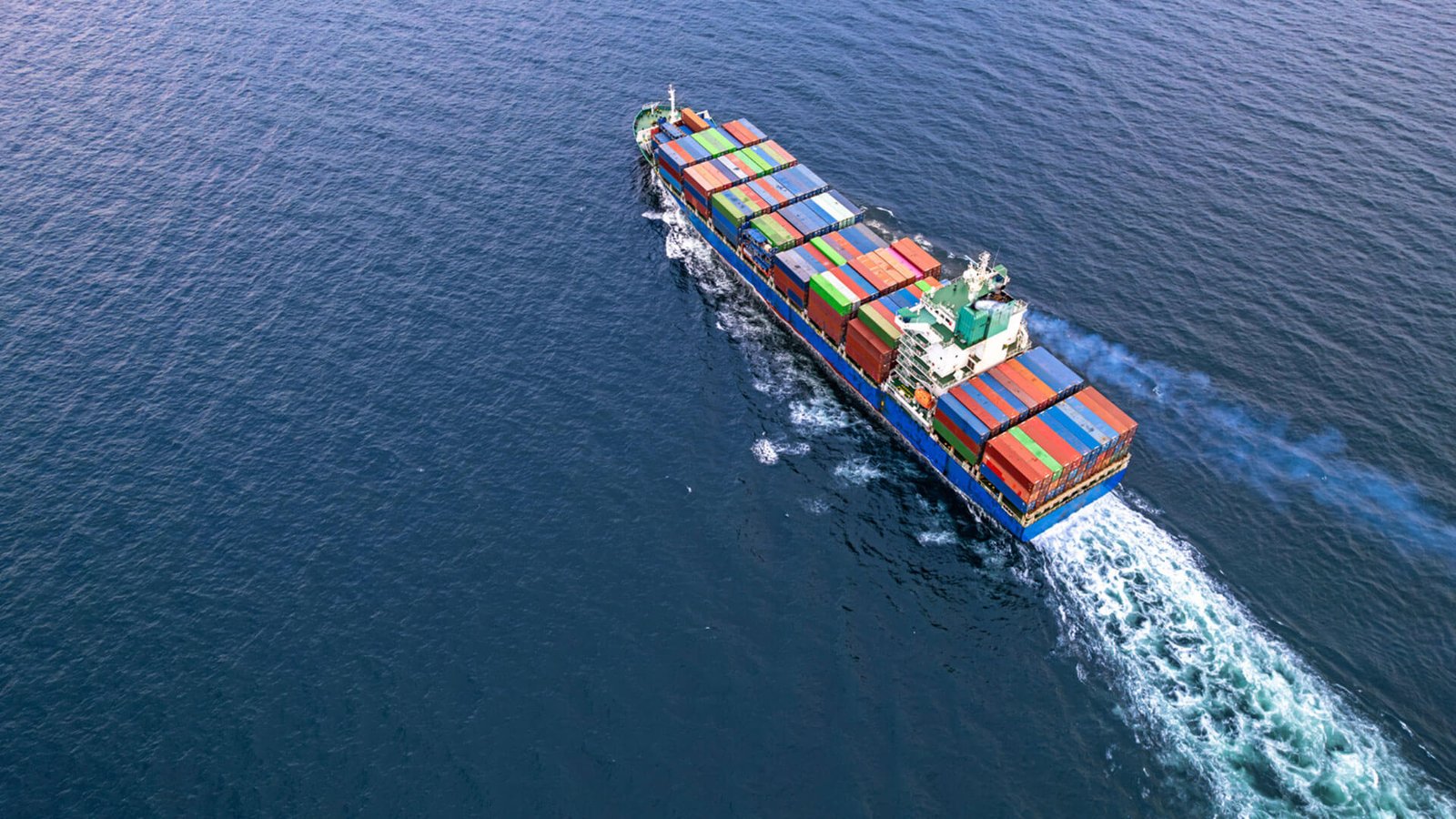
The entire FBA logistics journey can be broken down into a clear path. I always tell my clients to think of it in these stages. First, your goods are made at the factory. Then, we step in to manage the long journey across the ocean. This is the most critical part for you as an importer.
Here is a simple breakdown of the process:
The FBA Logistics Flow
| Stage | Who Is Responsible? | Key Action |
|---|---|---|
| 1. Supplier Pickup | You / Your Freight Forwarder | Arranging collection from the factory in China. |
| 2. International Freight | You / Your Freight Forwarder | Shipping goods by sea or air to the USA. |
| 3. U.S. Customs Clearance | You / Your Customs Broker | Declaring goods, paying duties, and getting import approval. |
| 4. FBA Prep & Labeling | You / Your Prep Center | Applying FNSKU labels and meeting Amazon's packaging rules6. |
| 5. Delivery to Amazon | You / Your Freight Forwarder | Booking an appointment and trucking goods to the FBA center. |
| 6. FBA Receiving | Amazon | Amazon scans and adds inventory to your account. |
My job is to handle stages 1 through 5 for you, making sure every step is done right so stage 6 happens smoothly.
What happens before goods reach Amazon FBA, including international shipping2 and customs clearance3?
Shipping from China to an Amazon warehouse seems easy. But U.S. Customs can hold your shipment if the paperwork is wrong, and Amazon will not help you.
Before your inventory reaches Amazon, you must manage the international shipping2 and U.S. customs process. Amazon does not act as the Importer of Record (IOR). This means you are legally responsible for all documents, duties, and import rules. Mistakes here cause major delays.
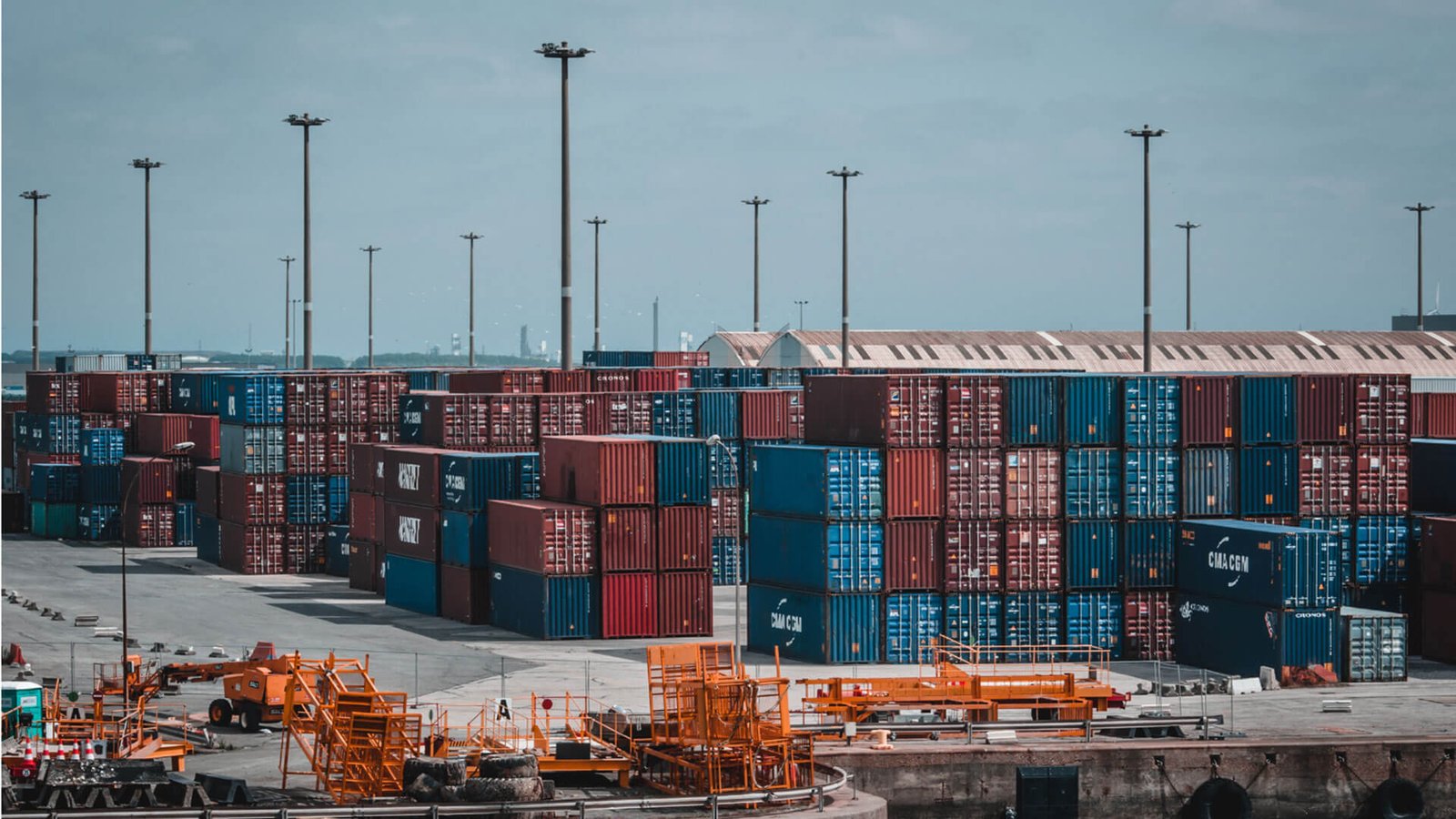
The most important thing to know is that you are the importer. Amazon will not claim responsibility for your goods at the U.S. border. This role is called the Importer of Record, or IOR. It's a detail-oriented job that new sellers often overlook. I once had a client, Mark, who assumed the shipping company was the IOR. His container was held at the port for weeks because no one was assigned to clear it through customs.
Navigating Your Role as Importer
As the IOR, you have two main jobs before your products get anywhere near an Amazon warehouse. First, you must arrange international shipping2. For most of my clients, this means sea shipping from China, which is cost-effective for large shipments. Second, you must handle U.S. Customs Clearance. This involves hiring a licensed customs broker to file the correct paperwork, like the ISF (Importer Security Filing) and Entry Summary. They will also calculate and help you pay any import duties. We provide these services to ensure our clients' goods clear customs without any issues.
How is inventory routed, split, and received across Amazon FBA fulfillment centers?
You create one large shipment in Seller Central. Then, Amazon tells you to send boxes to three different states. This makes your shipping plan7 more complex and expensive.
Amazon splits your inventory across multiple fulfillment centers to position products closer to customers for faster delivery. This routing choice impacts your freight costs and delivery appointments8. You must follow Amazon's plan exactly, or they may reject your shipment or charge extra fees.
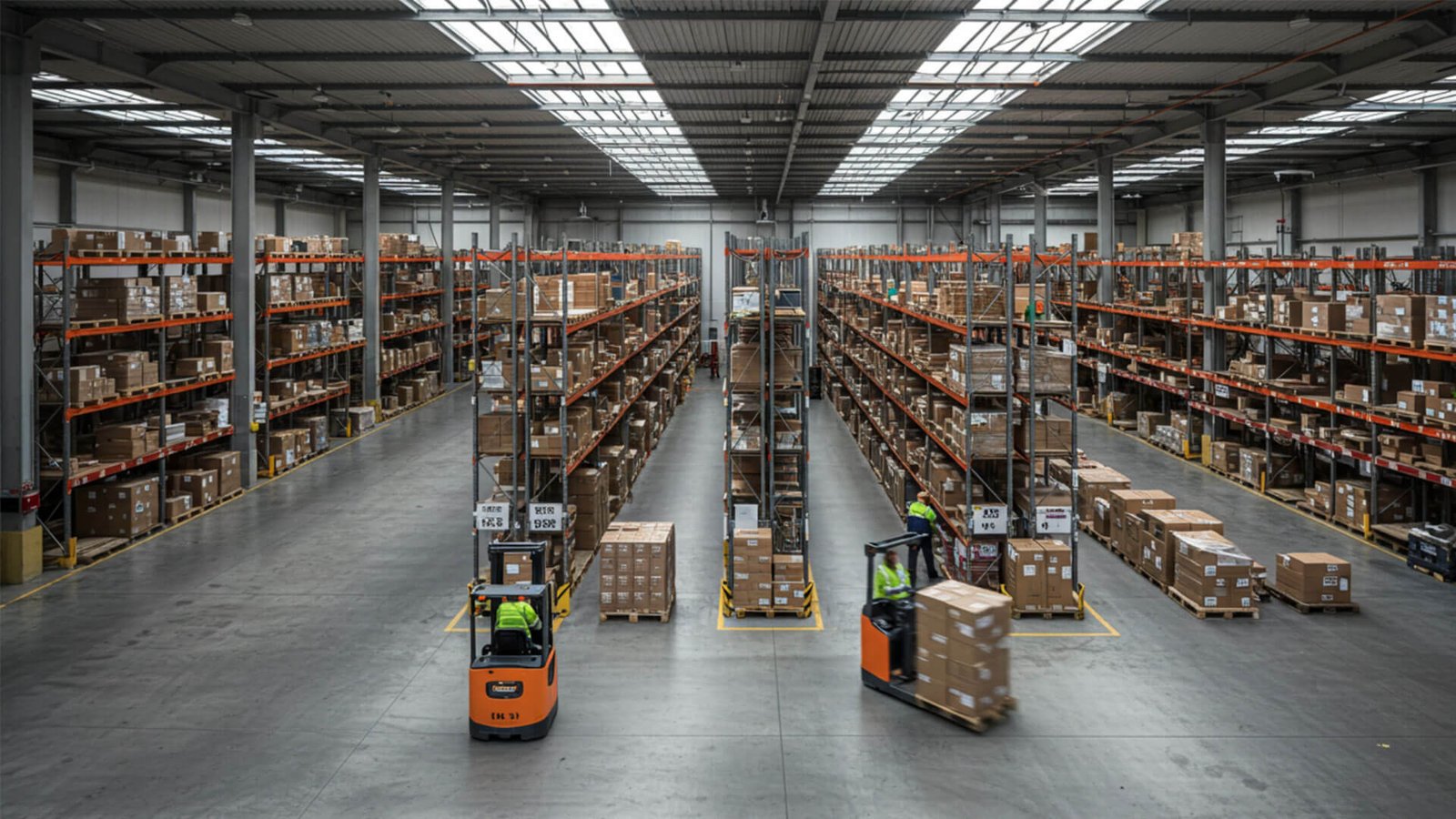
This is a common point of frustration for many sellers. Why can't you just send everything to the closest warehouse? Amazon's goal is to offer one-day or two-day Prime shipping everywhere. To do this, they need your products spread out across their network. When you create an FBA shipment, their system decides the best placement for your inventory. You usually have two options, and this choice affects your logistics plan.
Understanding Your Placement Options
| Placement Program | How It Works | Best For |
|---|---|---|
| Distributed Inventory Placement | (Default) Amazon splits your shipment into multiple smaller shipments going to different warehouses. | Sellers who want to optimize for nationwide Prime delivery speed. |
| Inventory Placement Service | (Paid Service) You send your entire shipment to one designated warehouse. Amazon then moves it internally. | Sellers who want to simplify their initial shipping plan7, but it comes with a per-item fee. |
Even if you use the Inventory Placement Service, Amazon still might move your goods later. For my clients shipping full containers from China, we often ship to our warehouse first. From there, we can break down the shipment and send the boxes to the different FBA centers Amazon assigns. This gives you more control and can be cheaper than paying Amazon's placement fees.
What are the most common shipping, labeling, and compliance mistakes that delay Amazon FBA inventory?
Your shipment is stuck and you don't know why. These delays cost you sales, and the problem often started weeks ago with a small mistake you didn't notice.
The most common FBA delays come from simple errors. These include wrong carton labels, incorrect pallet wrapping, or non-compliant packaging. For international sellers, inaccurate customs data is also a big problem. These mistakes happen before Amazon ever sees your shipment, making upstream accuracy essential.
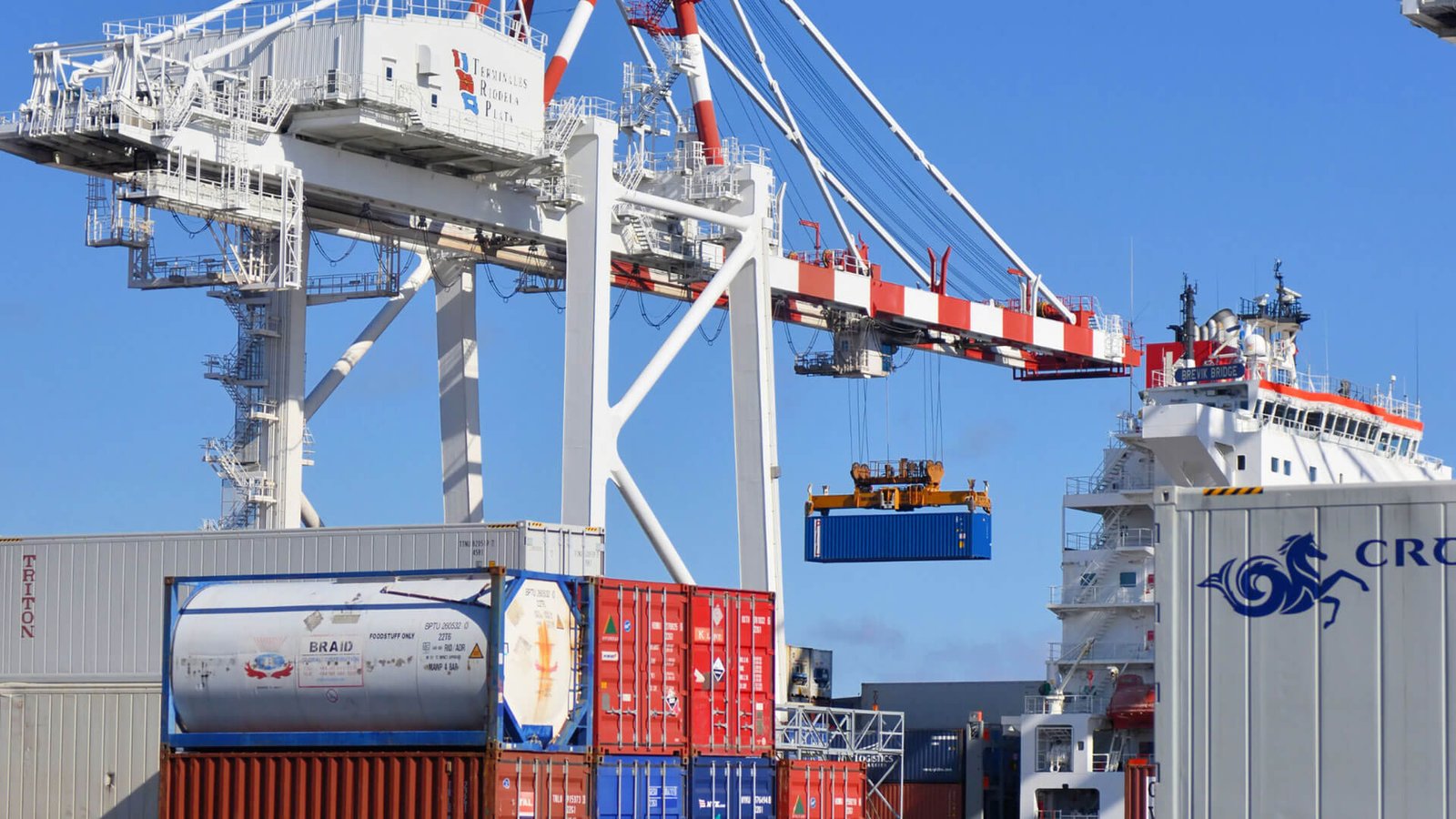
I have seen it all when it comes to FBA rejections. The sad part is that most of them are 100% avoidable. A few years ago, I had a client whose entire container was rejected by Amazon. The reason? The pallets they used were the wrong size. It was a simple mistake made at the factory, but it caused a two-week delay and thousands in extra costs to get everything re-palletized in the U.S.
Here are the top mistakes I see:
Top FBA Receiving Errors to Avoid
- Incorrect Labeling: The FNSKU barcode must be clear and scannable. The FBA carton label must be placed on the side of the box, not on the top or over a seam.
- Bad Palletizing: Amazon has strict rules for pallet height, weight, and how they are wrapped. Pallets must be standard 40" x 48" 4-way access wood pallets.
- Missed Delivery Appointments: Carriers must book a specific delivery time with Amazon. If they show up late or early, the shipment will be turned away.
- Packaging Violations: Forgetting to poly-bag an item that needs it, or not adding a "suffocation warning" label, can get your inventory flagged and paused.
Getting these details right is not optional. It is the core of a successful FBA import strategy.
How do Amazon FBA fees9 and logistics decisions impact total landed cost10 for importers?
You track your Amazon FBA fees9 carefully to calculate profit. But hidden shipping and customs costs can destroy your margins before you even make a sale.
Amazon's fees for fulfillment and storage are only part of the picture. Your upstream logistics choices heavily impact your total landed cost10. Your freight mode11, customs duties, and FBA prep4 costs all determine your true profitability. A holistic plan is key to cost control.
Many sellers focus only on the fees they see in their Seller Central account. They forget about the money spent just to get the product to Amazon's door. This is what we call the "total landed cost10." It is the final price of your product after you have paid for everything, including shipping it from the factory in China to the Amazon warehouse in the USA. If you don't track this number, you are flying blind. You might think a product is profitable when it is actually losing you money on every sale.
Calculating Your True Landed Cost
To understand your real costs, you need to add up all these expenses:
| Cost Component | Description |
|---|---|
| Product Cost | What you pay your supplier per unit. |
| International Freight | The cost of sea or air shipping to the U.S. |
| Insurance | To protect your goods during transit. |
| Customs Duties & Fees | Taxes paid to the U.S. government to import your goods. |
| U.S. Inland Trucking | The cost to move goods from the port to a prep center or FBA. |
| FBA Prep Fees | Cost for labeling, bagging, or bundling. |
A smart logistics decision can save you money. For example, shipping by sea is much cheaper than air, but it's slower. If you plan poorly and need to restock fast, that expensive air shipment can wipe out your profit margin. We help our clients balance these costs for the best outcome.
How can importers optimize Amazon FBA logistics1 through the right freight, prep, and distribution strategy?
Managing FBA logistics feels like a constant battle. Juggling suppliers, freight forwarder12s, customs brokers, and prep centers is overwhelming and very inefficient. A unified strategy is the solution.
Importers optimize FBA logistics by choosing the right freight mode11, using compliant prep services, and coordinating deliveries with Amazon's rules. Partnering with an experienced logistics provider13 helps align cost, speed, and compliance, reducing disruptions and helping you scale your business.

The secret to efficient FBA logistics is not to manage each piece separately, but to have one integrated plan. Instead of reacting to problems, you anticipate them. This is how experienced, seven-figure sellers operate. They don't just ship directly from their supplier to Amazon. That approach is too risky and expensive at scale. They build a smarter system that gives them flexibility and control.
A Three-Part Optimization Strategy
- Use a Hybrid Freight Strategy: Don't rely on just one shipping method. Use slow, cheap sea freight for the bulk of your inventory. Keep a small amount of stock ready to be sent by fast, more expensive air freight if you are about to run out. This balances cost and speed.
- Prep in the Right Location: You can have your supplier do FBA prep4 in China, which is often cheaper. Or, you can use a prep center in the U.S. This allows for a final quality check and can fix any issues that happen during shipping.
- Use a U.S. Warehouse as a Hub: This is the most powerful strategy. Ship your container to a third-party logistics (3PL) warehouse in the U.S., not directly to Amazon. From this hub, you can send smaller, just-in-time shipments to FBA. This avoids high FBA storage fees and lets you easily manage Amazon's split shipment requirements. As your logistics partner, we provide this exact service.
Conclusion
Successful FBA logistics is about controlling the entire journey. Managing the process from your supplier's factory to Amazon's warehouse door is the key to avoiding delays and protecting your profits.
Understanding Amazon FBA logistics is crucial for sellers to streamline their shipping process and avoid costly mistakes. ↩
Explore best practices for international shipping to ensure your products arrive at Amazon without delays. ↩
Learn about customs clearance to avoid unexpected delays and ensure compliance with regulations. ↩
FBA prep is essential for meeting Amazon's requirements; understanding it can save you time and money. ↩
Understanding the steps for FBA preparation can help you avoid common mistakes and delays. ↩
Familiarizing yourself with Amazon's packaging rules can prevent costly rejections and delays. ↩
An effective shipping plan is key to successful FBA logistics; discover how to create one. ↩
Scheduling delivery appointments correctly is vital to ensure your shipment is accepted by Amazon. ↩
Understanding the various FBA fees can help you manage your costs and improve your profit margins. ↩
Understanding total landed cost is essential for pricing your products correctly and ensuring profitability. ↩
Understanding different freight modes can help you choose the best option for your shipping needs. ↩
Choosing the right freight forwarder can streamline your shipping process and reduce costs. ↩
Choosing the right logistics provider can streamline your operations and enhance efficiency. ↩