Unexpected shipping costs can destroy your profit margins. Hidden fees like Inland Haulage Charges1 often appear on the final bill, causing frustration and budget overruns for many importers.
Inland Haulage Charges1 (IHC) are fees for moving cargo between a port and an inland location like a warehouse or final delivery2 point. U.S. importers3 pay IHC when inland transport is not included in the ocean freight rate4 and must be arranged separately by a forwarder.
Understanding IHC is more than just knowing the definition. It's about seeing where these costs fit into your total supply chain budget5. Many importers I work with are surprised by these fees at first. Let's break down exactly what they are, when they apply, and how you can manage them. This knowledge will help you avoid unexpected bills and gain control over your landed costs6.
What Are Inland Haulage Charges1 (IHC) and Why Do U.S. Importers Pay Them?
Your container has arrived, but the job isn't done. Now it needs to be trucked to your warehouse, and that costs money. This is where inland haulage comes in.
Inland Haulage Charges1 (IHC) are fees for moving cargo between a port or terminal and an inland location such as a warehouse, rail ramp, or final delivery2 point. U.S. importers3 pay IHC when inland transportation is not included in the ocean freight rate4 and must be arranged separately.
When I first started in this business, I saw many importers get confused by this. They would get a "port-to-port" ocean freight quote and assume it covered the entire journey. But ocean freight usually only covers the sea voyage. The movement on land at the destination is a separate service with a separate cost. As the importer, you are responsible for this final leg of the journey unless your shipping contract states otherwise. Think of it as the "last mile" delivery for your container. You pay IHC because someone—a trucking company or a rail operator—has to physically move your goods from the port terminal to your specified final destination. This is a fundamental part of the import process.
When Do Inland Haulage Charges1 Apply in the Import Shipping Process?
Your container is off the ship, but now a new bill appears. You wonder, "When did this charge happen?" The timing of IHC is a common point of confusion.
IHC typically applies after cargo is discharged at the port and before final delivery2 inland. Depending on contract terms, haulage may occur at origin, destination, or both. Importers often encounter IHC when inland transport is excluded from carrier or forwarder door-to-door pricing.
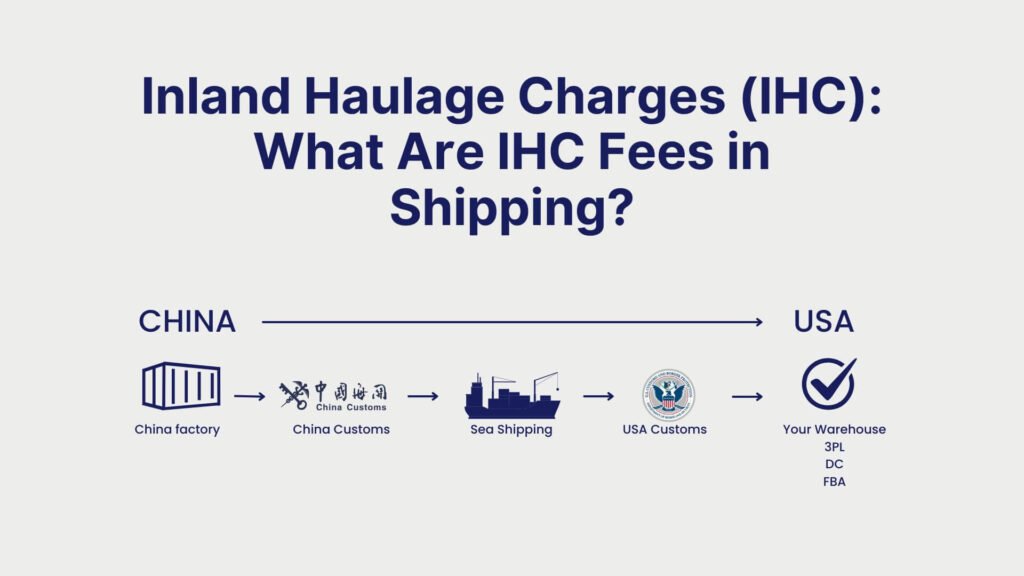
Let's walk through the exact moment IHC comes into play. I always explain it to my clients with a simple step-by-step flow. Once your container is unloaded from the vessel and clears customs, it's ready to leave the port. This is the trigger point. The charge applies for the service of moving the container from the port terminal to your warehouse or distribution center.
The Inland Cost Flow
- Port of Discharge: Your container is lifted off the ship and placed in the terminal yard.
- Inland Haulage (Truck or Rail): A truck driver picks up your container and hauls it from the port. This is the activity that IHC pays for.
- Warehouse or Distribution Center: The truck arrives at your facility.
- Final Delivery: The container is unloaded, and your goods are now in your possession.
The IHC invoice is usually generated by the freight forwarder7 or trucking company that you hired to handle this inland move. It happens right after the container leaves the port.
What Costs Are Included in IHC and Why Do Fees Vary by Port, Mode, and Location?
You received two IHC quotes for similar distances, but the prices are very different. This is because IHC isn't just one single fee. It's a bundle of different costs.
IHC can include truck or rail transport, fuel surcharges8, chassis usage9, tolls, and local handling. Fees vary widely based on distance, congestion, port efficiency10, equipment availability, and transport mode11. As a result, inland haulage costs can differ significantly even for similar shipments across regions.
I always advise my clients to look at the breakdown of their IHC quote. Understanding the components helps you see why the costs can change so much. It's not just about the distance from the port to your warehouse. Several factors add up to the final price you pay. For example, a client shipping to a warehouse 100 miles from the Port of Los Angeles will almost always pay more than for the same distance from the Port of Savannah. This is due to higher congestion, fuel costs, and demand in Southern California.
Here is a simple table of what's often included:
| Cost Component | Description | Why It Varies |
|---|---|---|
| Base Rate | The fundamental charge for trucking or rail transport. | Distance is the main factor, but regional operating costs also play a big role. |
| Fuel Surcharge (FSC) | An extra fee to cover fluctuating fuel prices. | Changes weekly based on the national average price of diesel. |
| Chassis Fee | The cost to rent the wheeled frame the container sits on. | Varies by port and provider; depends on availability and usage model (e.g., daily rental). |
| Tolls & Surcharges | Fees for using toll roads or entering congested areas. | Depends entirely on the route taken from the port to your destination. |
How Does IHC Differ From Ocean Freight, Terminal Charges, and Other Accessorial Fees?
Shipping invoices can feel like a list of confusing acronyms. You see IHC, THC, and Ocean Freight, and it's hard to tell what's what. They are all different.
Inland haulage charges cover inland transportation, while ocean freight pays for vessel movement and terminal charges apply at the port. IHC is distinct from accessorial fees such as detention or demurrage12, though delays in inland movement can indirectly increase overall landed cost if not managed properly.
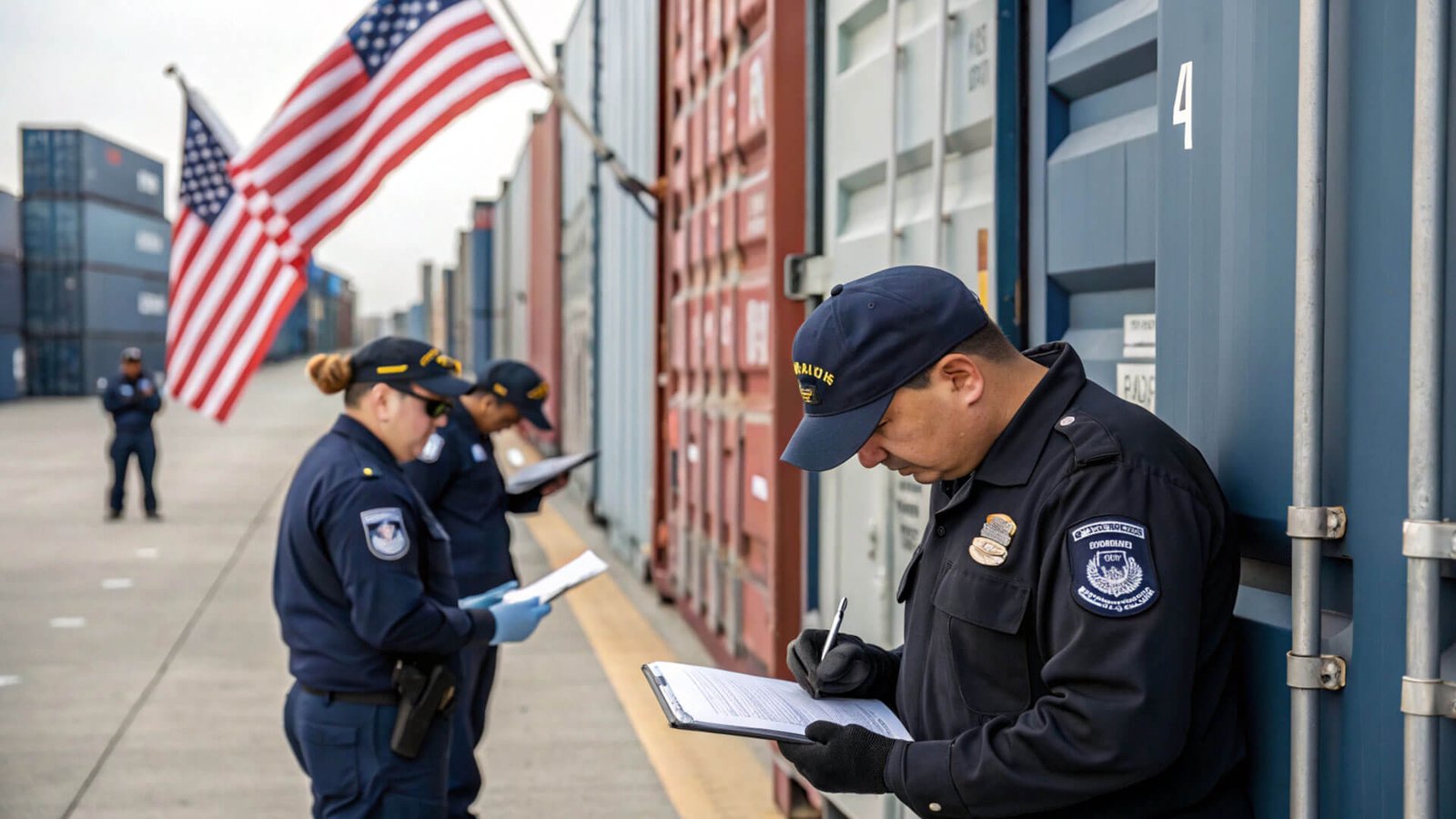
I help my clients by clearly separating these costs. Each charge pays for a very specific part of the shipping journey. Confusing them can lead to paying for the same service twice or missing a key part of the process. For instance, a delay in arranging your inland haulage can lead to demurrage12, which is a penalty for letting your container sit at the port for too long. So while IHC and demurrage12 are different fees, poor IHC planning can cause demurrage12 charges.
Here’s a simple comparison to keep them straight:
| Fee Type | What It Covers | When It Applies |
|---|---|---|
| Ocean Freight | The cost of moving the container by ship from Port A to Port B. | During the sea voyage. |
| Terminal Handling (THC) | The cost of moving the container within the port terminal (e.g., crane to stack). | At the port of origin and destination. |
| Inland Haulage (IHC) | The cost of moving the container by truck or rail from the port to your door. | After the container leaves the port. |
| Demurrage / Detention | Penalty fees for using equipment (container, chassis) longer than the allotted free time. | When delays occur at the port or at your warehouse. |
How Do Incoterms13 Like FOB, CIF, DAP, and DDP Determine Who Pays Inland Haulage Charges1?
You chose FOB for your shipment, and now you have an IHC bill. You thought the seller handled shipping, so what went wrong? It all comes down to Incoterms13.
Responsibility for IHC depends on the Incoterm used. Under FOB and CIF, importers typically pay destination inland haulage, while DAP and DDP often include it. Misunderstanding Incoterm responsibilities is a common cause of unexpected IHC invoices and disputed shipping costs.
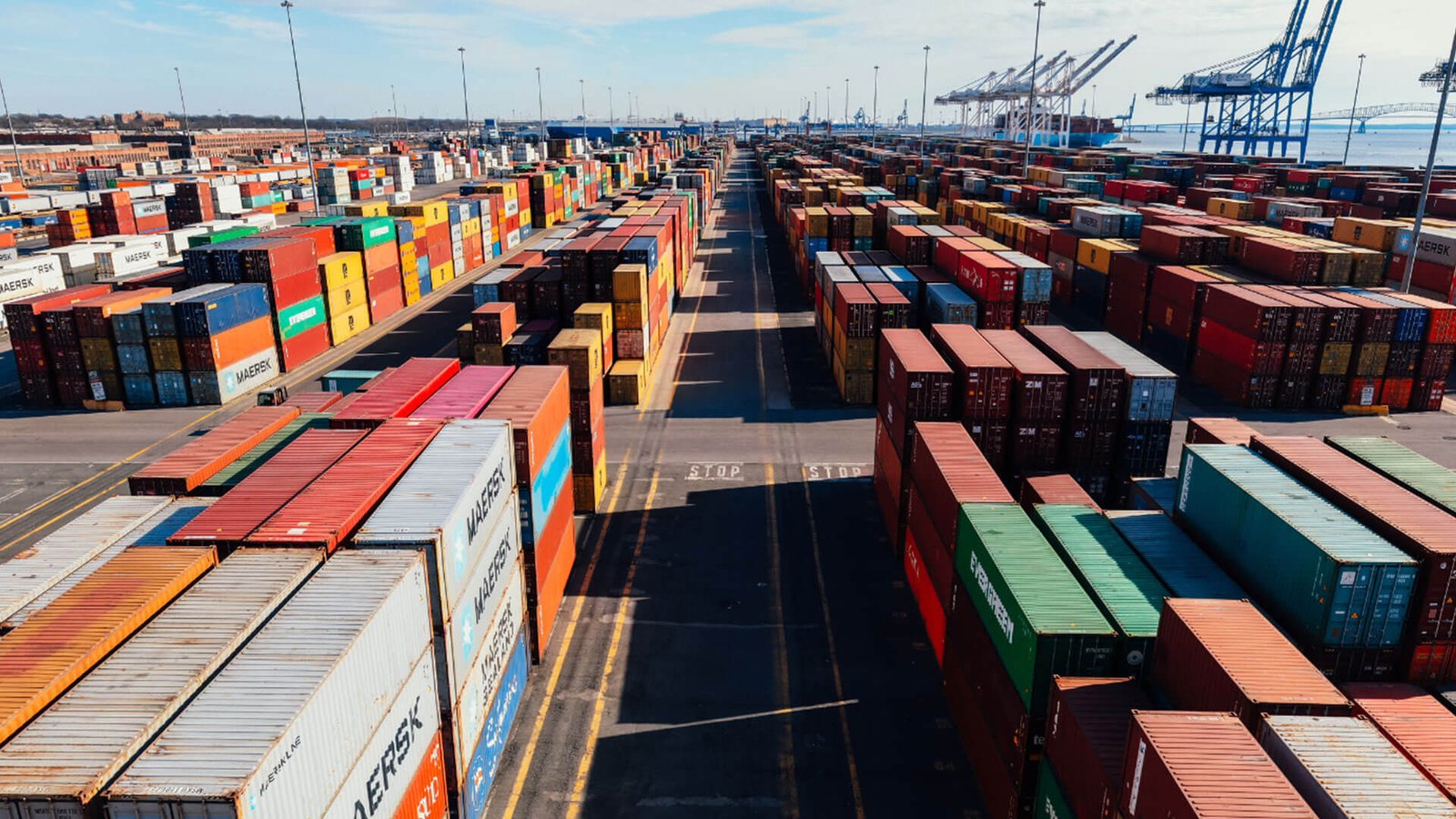
This is one of the most critical details for any importer to understand. The Incoterm in your purchase contract with your supplier defines exactly who is responsible for each part of the shipping process, including who pays for inland haulage. I've seen many disputes arise because the buyer and seller had different expectations. For U.S. importers3, the key is knowing who handles the haulage at the destination port in the USA.
Here’s a breakdown of the most common Incoterms13 and how they affect destination IHC:
| Incoterm | Who Pays Destination Inland Haulage? | What This Means for You (The Importer) |
|---|---|---|
| FOB (Free On Board) | You Pay | The seller gets the goods to the origin port. You are responsible for the ocean freight and all costs after, including U.S. inland haulage. |
| CIF (Cost, Insurance, Freight) | You Pay | The seller pays for ocean freight and insurance to the U.S. port. You are still responsible for U.S. inland haulage. |
| DAP (Delivered at Place) | Seller Pays | The seller is responsible for delivering the goods to your named final destination (e.g., your warehouse), so they cover the IHC. |
| DDP (Delivered Duty Paid) | Seller Pays | The seller handles everything, including customs, duties, and inland haulage to your door. This is the most hands-off option for you. |
How Can Importers Reduce IHC Surprises Through Better Routing, Contracts, and Freight Planning?
You're tired of IHC surprises eating into your budget. The good news is that with some planning, you can control these costs and make them predictable. It's all about strategy.
Importers reduce IHC surprises by confirming routing plans14 upfront, negotiating all-in rates, and aligning Incoterms13 with delivery needs. Working with experienced freight partners helps importers compare port options, optimize inland modes, and avoid fragmented pricing that inflates total landed cost.
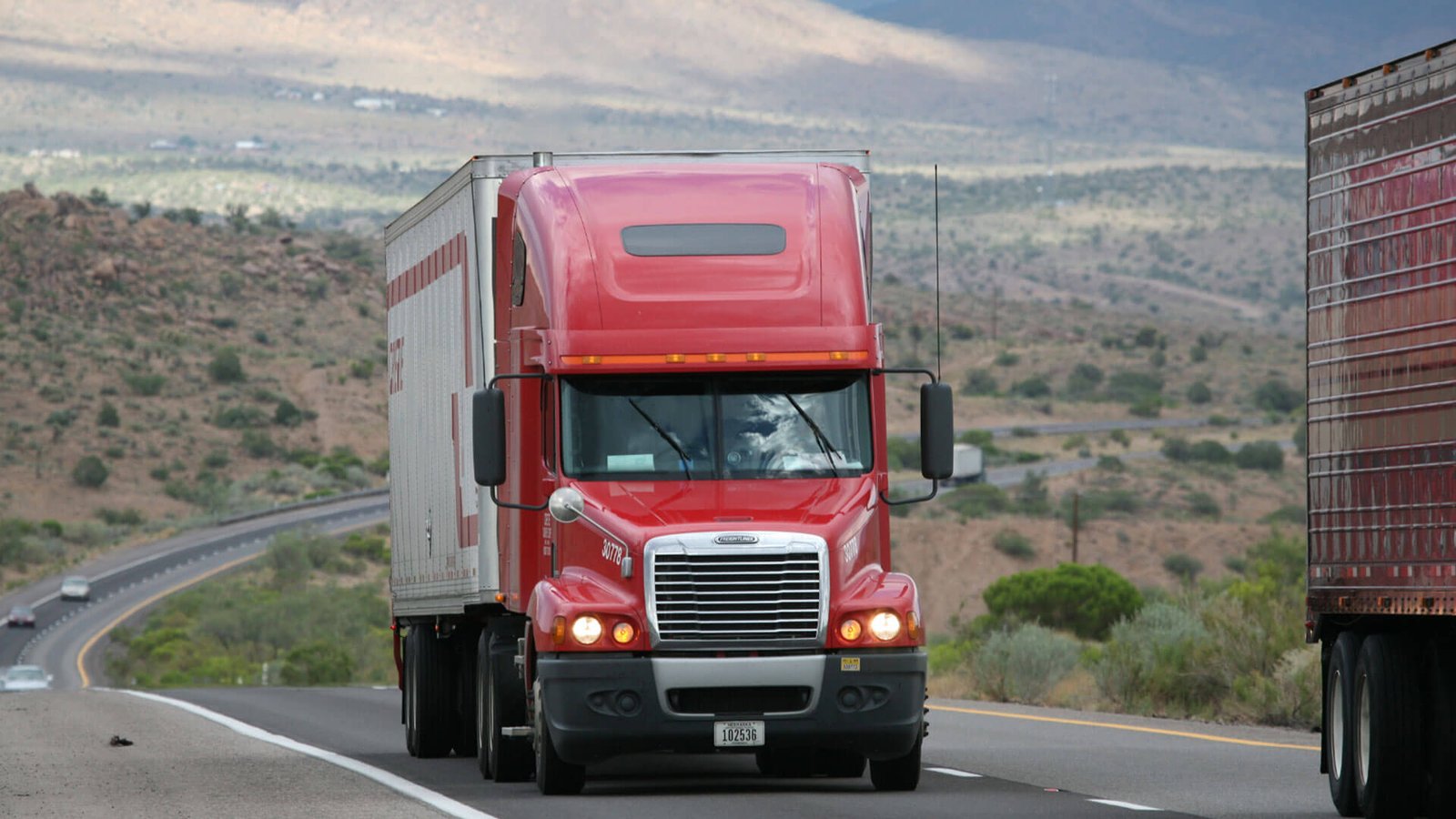
I work with importers like Mark every day to build a smarter logistics plan15. The goal is not just to find the cheapest IHC rate, but to create a reliable and cost-effective supply chain from end to end. You can't eliminate IHC, but you can absolutely manage it. It starts with asking the right questions before your container ever leaves the factory.
Here are a few practical strategies I recommend:
1. Get a True "Door-to-Door" Quote
Don't just ask for a shipping price. Ask your freight forwarder7 for a complete "landed cost" estimate that includes ocean freight, customs clearance, and a specific quote for inland haulage to your final destination. This gives you a full picture of the costs upfront.
2. Choose the Right U.S. Port
If your warehouse is in Chicago, shipping to the Port of New York/New Jersey and using rail might be cheaper than shipping to Los Angeles and trucking it across the country. I help my clients analyze the total cost—ocean freight plus IHC—for different port options to find the most economical route.
3. Plan Your Inland Move Early
Book your trucking as soon as you know your container's ETA. Waiting until the last minute can lead to higher prices and a scramble to find an available driver. This simple step also helps you avoid expensive demurrage12 fees at the port.
Conclusion
Inland Haulage Charges1 are a standard cost in shipping. By understanding what they are, when they apply, and how Incoterms13 affect them, you can eliminate surprises and control your budget.
Understanding IHC is crucial for managing shipping costs effectively and avoiding unexpected fees. ↩
Understand the final delivery process and its impact on shipping costs. ↩
Explore insights on the unique challenges U.S. importers encounter in logistics and cost management. ↩
Understand what is covered in ocean freight rates to avoid unexpected charges. ↩
Discover strategies for optimizing your supply chain budget and reducing unexpected costs. ↩
Learn how to calculate landed costs to better manage your shipping expenses. ↩
Gain insights into how freight forwarders can help streamline your shipping process. ↩
Understand how fuel surcharges impact your shipping costs and budgeting. ↩
Learn about chassis usage fees and how they can affect your overall shipping costs. ↩
Explore the factors that affect port efficiency and how they can impact your costs. ↩
Understand how different transport modes can impact your shipping budget. ↩
Find out how demurrage fees can affect your shipping costs and how to avoid them. ↩
Explore how Incoterms define responsibilities and costs in international shipping. ↩
Discover strategies for creating efficient routing plans to minimize shipping costs. ↩
Explore how to create a comprehensive logistics plan to streamline your shipping process. ↩