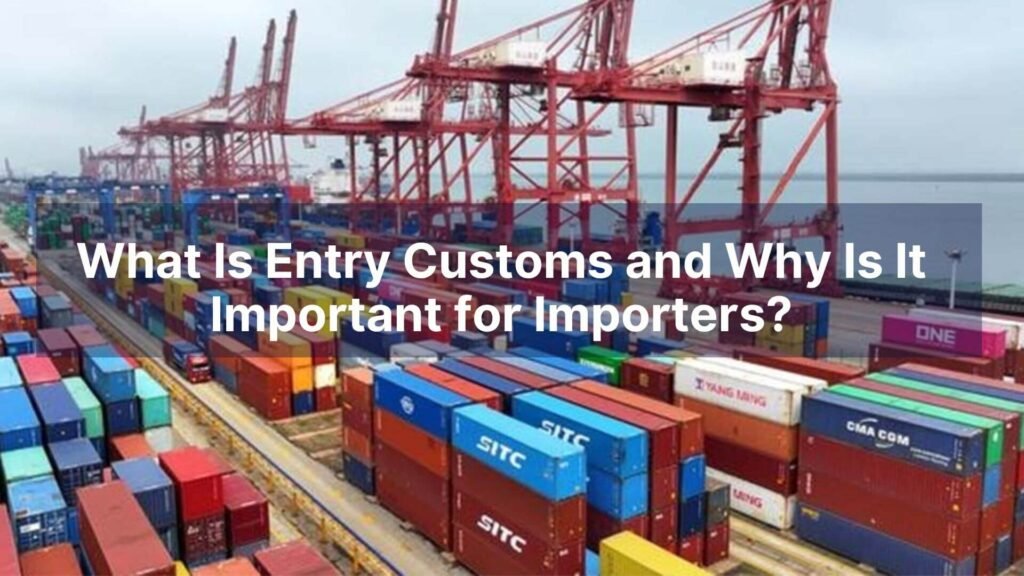
The customs entry1 process can be confusing for new importers. Understanding its significance is crucial for smooth operations and compliance.
A customs entry1 is the official record filed with U.S. Customs to declare goods for import. Proper entry filing2s are essential for clearing goods, calculating duties, and ensuring compliance with import regulations.
The customs entry1 is the first step in the importation process. Without a proper entry, your goods could face delays or even penalties. It’s essential to understand what a customs entry1 entails and the consequences of failing to file correctly.
What a Customs Entry Is and Why It Is Essential for Importers?
The customs entry1 represents a formal declaration of goods being imported into the U.S. It provides essential details about what is being brought into the country, including its value, classification, and origin. This process ensures that importers pay the correct duties and comply with U.S. trade regulations.
If you don't file a customs entry1, your goods will not be cleared for entry into the U.S. This can lead to significant delays, additional costs, and potential fines. Therefore, understanding this process is vital for any importer.
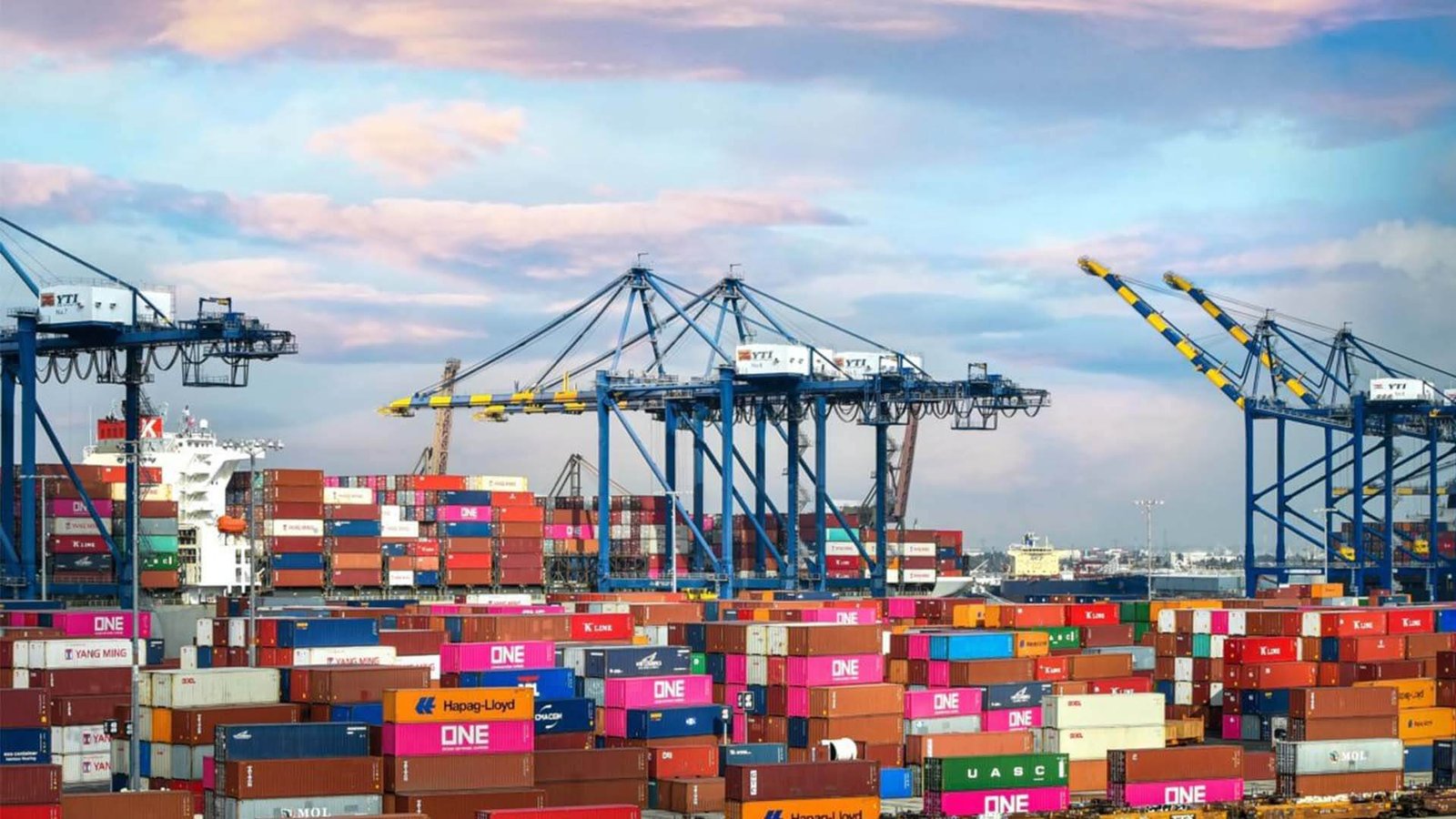
The Different Types of Customs Entries: Formal vs. Informal and When to Use Them?
There are two primary types of customs entries: formal and informal. Formal entries are required for higher-value goods or commercial shipments, while informal entries apply to lower-value shipments.
| Entry Type | When to Use | Requirements |
|---|---|---|
| Formal Entry | For goods over $2,500 or commercial shipments | Detailed documentation, duties |
| Informal Entry | For goods under $2,500 or personal shipments | Less paperwork, quicker processing |
Understanding which entry type to use can significantly affect the speed and efficiency of your shipment processing. Incorrectly categorizing your entry can lead to unnecessary complications.

What Information Is Required for a Correct Customs Entry Filing?
Key details for a customs entry1 include the commercial invoice3, bill of lading, HTS code4, and country of origin. Accurate data ensures faster clearance and compliance.
Filing Checklist:
- Commercial invoice
- Bill of lading
- HTS code4 and product description
- Country of origin documentation
- Duty calculations
Having all the necessary documents at hand can streamline the filing process and reduce delays. Missing information can result in your shipment being held at customs.
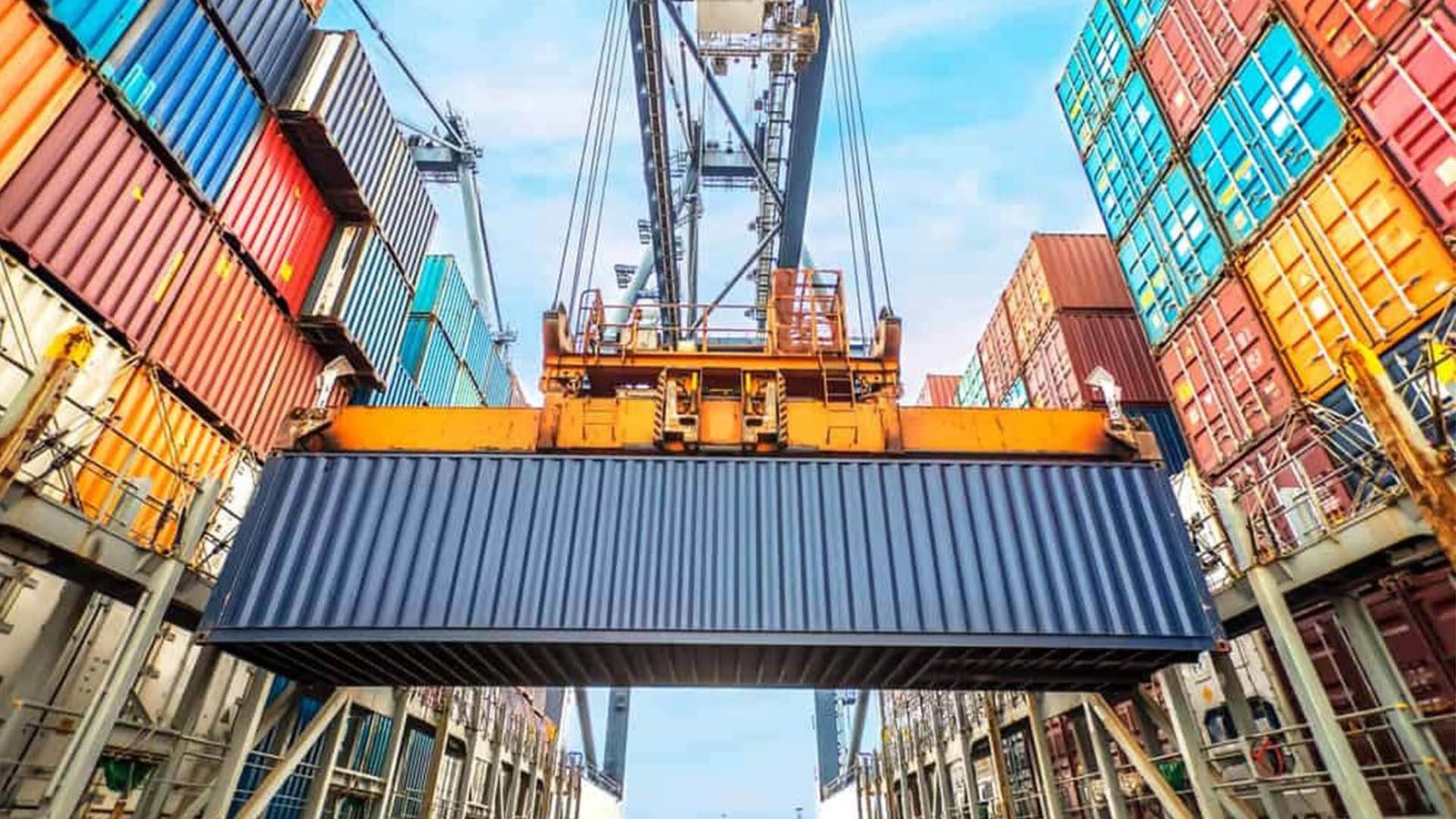
How Customs Entry Impacts Duty Rates, Delays, and Clearance Time
The accuracy of a customs entry1 directly impacts duty assessments, clearance time, and the likelihood of delays or penalties. Incorrect entries can lead to high costs or shipments being held for additional review.
When duties are miscalculated, it can lead to either underpayment or overpayment. This not only affects your bottom line but can also result in audits or fines. Clear and accurate entries can mitigate these risks and expedite your shipments.
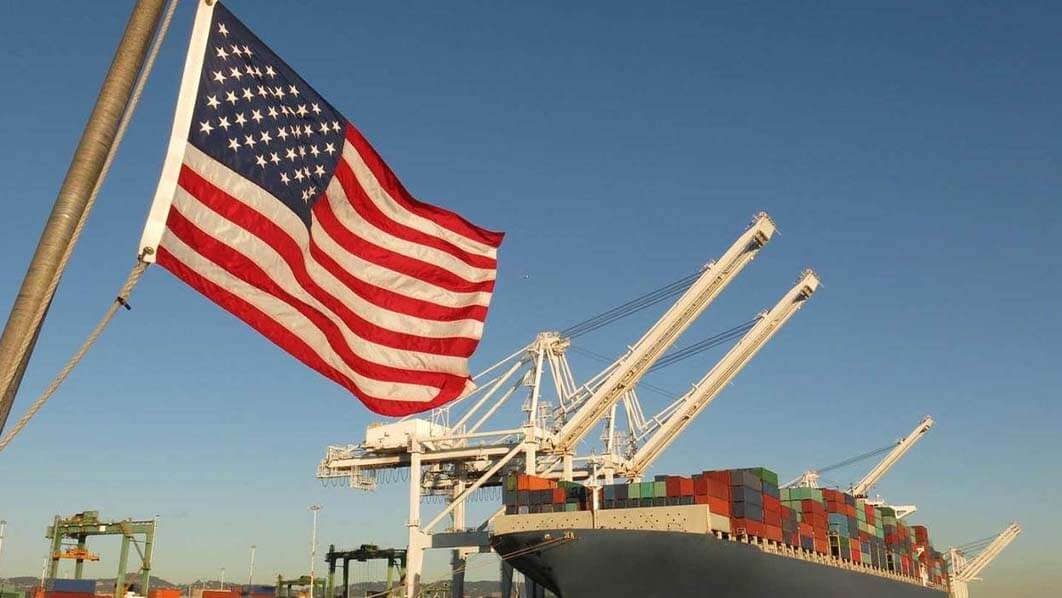
The Role of a Customs Broker in the Entry Filing Process
Customs brokers handle the entry filing2 process on behalf of importers, ensuring compliance with U.S. regulations. They also manage tariff classifications, duties, and any potential issues that arise during clearance.
Using a customs broker5 can simplify the complex process of entry filing2. They bring expertise and knowledge, reducing the risk of errors that could lead to delays or penalties. For importers, partnering with a reliable broker is often the best approach to ensure compliance.
Step-by-Step Customs Entry Workflow: From Importer to Release
The customs entry1 process involves various steps, from product classification to documentation submission and customs review6, with final release for delivery once cleared.
Workflow Diagram: Product Classification → Documentation Preparation → Entry Filing → Customs Review → Release → Delivery
Following this workflow ensures that each step is completed correctly. It helps in avoiding potential roadblocks that could delay your shipments. Understanding the process empowers importers to better manage their logistics.

Conclusion
Customs entry filing2s are vital for successful importing, ensuring compliance and timely delivery.
Understanding customs entry is crucial for importers to ensure compliance and avoid delays or penalties in the importation process. ↩
Entry filing is a critical step in importing, involving documentation and compliance checks to ensure smooth clearance and delivery. ↩
A commercial invoice is essential for customs entry as it provides detailed information about the goods, ensuring accurate duty calculations and compliance. ↩
The HTS code is vital for classifying goods, impacting duty rates and compliance. Accurate classification prevents costly errors and delays. ↩
A customs broker simplifies the entry filing process, ensuring compliance and reducing the risk of errors that could lead to delays or penalties. ↩
Customs review is a key step where entries are checked for accuracy and compliance, affecting clearance time and potential delays. ↩