High tariffs are eating your profits. Choosing the wrong import strategy could cost you thousands. Understand which option, an FTZ or a bonded warehouse, truly saves you more money.
A Foreign Trade Zone (FTZ) often delivers greater long-term savings for high-duty goods1 by enabling duty reduction or elimination2. A bonded warehouse primarily defers duty payment, which helps cash flow3 but does not lower the total tariff cost. The best choice depends on your specific goals.
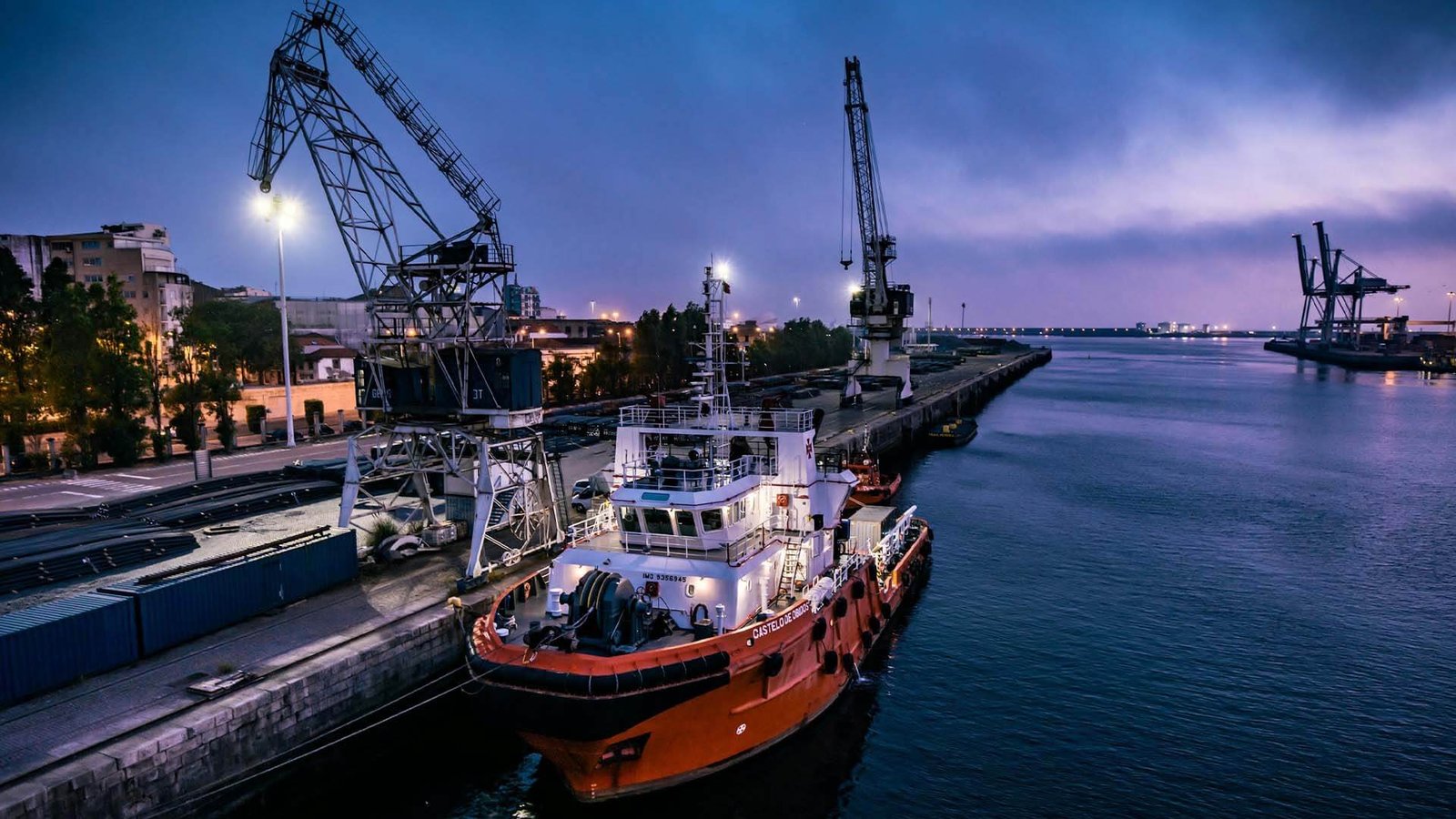
The real answer to which saves more isn't that simple. The best program depends entirely on your products, your business model, and your tolerance for compliance4. It's a strategic decision that goes far beyond just a storage location. Let's break down exactly how you can decide which path is right for your business and will actually lower your total landed cost from China.
FTZ vs Bonded Warehouse: Which Option Actually Reduces Duties, Section 301 Tariffs, and Cash Outlay for U.S. Importers?
Tariffs, especially Section 301 duties5 on Chinese goods, drain your cash flow3. You might be paying duties you don't have to. Let's compare how each program impacts your bottom line.
Foreign Trade Zones (FTZs) can permanently reduce duties through inverted tariffs6 and duty elimination7 on re-exports. Bonded warehouses primarily defer duties until U.S. entry. For high-duty or Section 301–affected goods, FTZs often deliver greater long-term savings.
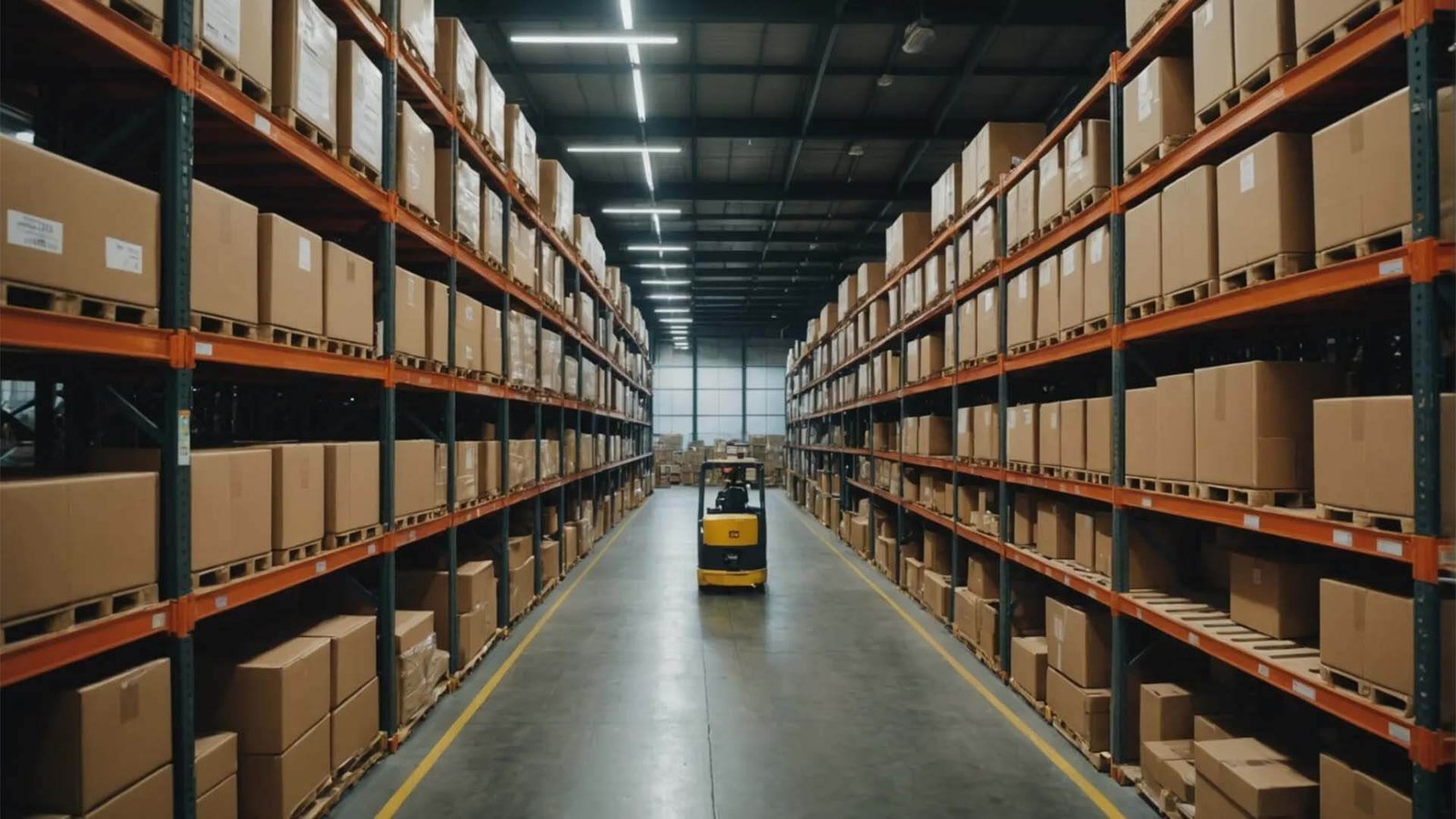
The core difference comes down to one simple question: do you want to delay paying your taxes, or do you want to legally lower the tax bill itself? I've seen many importers mix these two up, leading to surprise costs down the line. A bonded warehouse is great for cash flow3 because you don't pay duties until the goods leave the warehouse to be sold in the U.S. But you still pay the full duty amount eventually. An FTZ, on the other hand, offers ways to change the duty you owe. This is where real, permanent savings happen, especially for importers hit hard by Section 301 tariffs. The FTZ has higher setup and compliance costs8ps://www.trade.gov/faq/ftz-regulations)4 costs, so the savings have to be big enough to make it worthwhile. It's not just about which is "cheaper" on paper; it's about which one delivers a better net result for your specific operation.
How Do FTZs and Bonded Warehouses Differ in Duty Deferral, Inverted Tariff Use, and When Tariffs Are Legally Eliminated vs Only Delayed?
You hear terms like "duty deferral9" and "elimination" used interchangeably. This confusion can lead to costly planning mistakes. Here is the clear difference between these powerful tools.
Bonded warehouses delay duty payment until goods enter U.S. commerce. FTZs can eliminate or reduce duties through inverted tariffs6, manufacturing, or re-export. This difference determines whether tariffs are eventually paid—or legally avoided altogether.
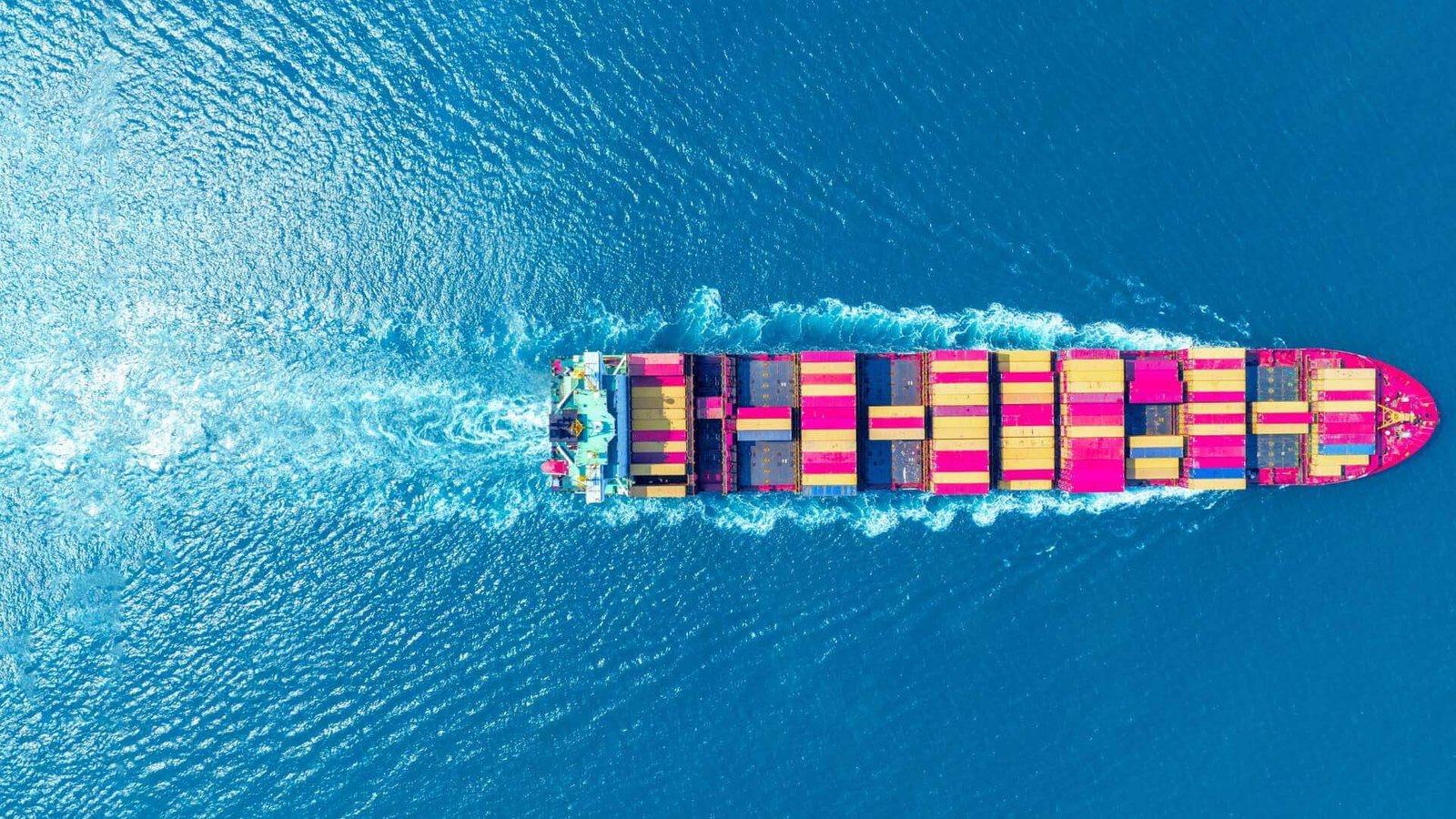
Understanding the specific mechanics of each program is critical. For many of my clients, this is the "aha" moment. They realize they have more control over their tariff burden10 than they thought. A bonded warehouse is a tactical tool for timing your duty payments. An FTZ is a strategic tool for fundamentally changing your duty liability. Let's look at the key differences side-by-side.
Comparing the Core Tariff Mechanics
| Factor | Foreign Trade Zone (FTZ) | Bonded Warehouse |
|---|---|---|
| Duty Payment Timing | Deferred or potentially eliminated | Deferred only |
| Section 301 Tariffs | Can be reduced or avoided | Must be paid upon entry |
| Inverted Tariff Benefit | Yes | No |
| Duty on Re-Exports | No U.S. duty is ever paid | No U.S. duty is paid |
| Manufacturing Allowed | Yes, with CBP approval | No |
| Best For | High-volume, high-duty goods1, assembly | Flexibility, short-term storage11 |
The "Inverted Tariff" benefit is a major advantage of the FTZ program. Let's say you import electronic components from China with a 25% Section 301 tariff. In an FTZ, you can assemble them into a finished consumer electronic product. If the finished product has a duty rate of only 2%, you can choose to pay the lower 2% rate when the goods enter U.S. commerce. This is a powerful way to mitigate high tariffs on parts and materials. This is simply not possible in a bonded warehouse.
Which Import Scenarios Benefit More from an FTZ vs a Bonded Warehouse?
You know the definitions, but you don't know which one fits your business. Choosing the wrong one is a waste of time and money. Let's match your import scenario to the right program.
FTZs benefit importers with high-duty components, Section 301 exposure, or re-export activity12. Bonded warehouses suit importers needing short-term storage11, cash-flow relief, or delayed market decisions without complex compliance4.
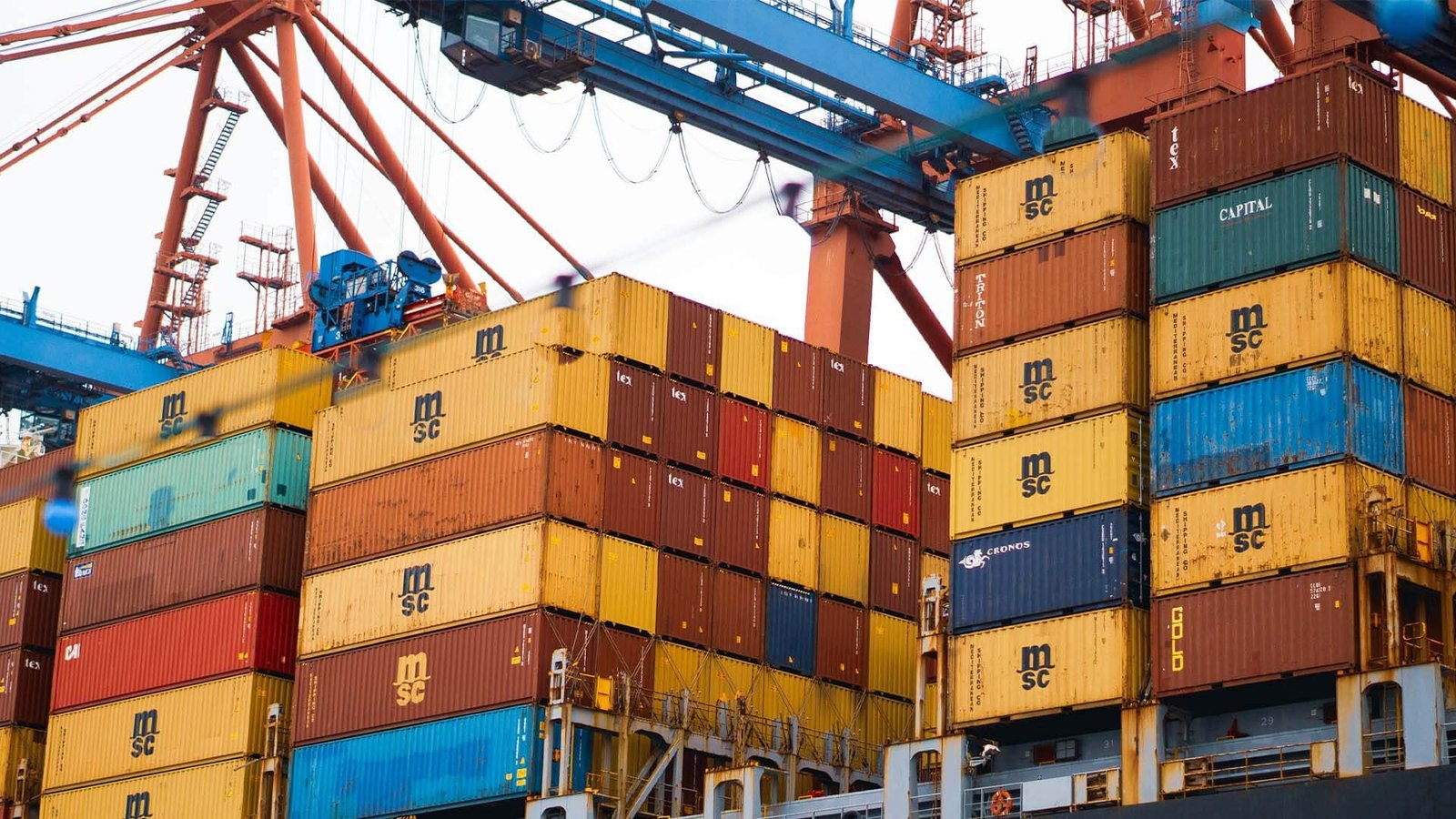
The right choice is always based on your specific supply chain. I always ask my clients to map out their product flow from start to finish. Where do you source from? What do you do with the goods in the U.S.? Where do you sell them? The answers to these questions usually point clearly to one solution over the other. For example, a client who imports goods and ships 40% of them to Canada and Mexico is a perfect candidate for an FTZ. They can avoid paying U.S. duty on all the goods destined for re-export. Another client who imports seasonal decorations is a better fit for a bonded warehouse. They can store the goods and only pay duty as they ship to retailers, avoiding a huge upfront cash outlay on inventory that might not sell.
Decision Table: Which Program Fits Your Import Profile?
| Your Import Scenario | Better Option | Why It's Better |
|---|---|---|
| High Section 301 tariffs on Chinese parts | FTZ | Allows for manufacturing to change the tariff classification13 and potentially reduce the duty rate. |
| Unsure if goods will sell in the U.S. | Bonded Warehouse | You can delay the duty payment until you have a confirmed sale, improving cash flow3 and reducing risk. |
| You re-export a large portion of imports | FTZ | No U.S. duty is ever paid on goods that are exported directly from the zone, offering permanent savings. |
| Low-volume or inconsistent imports | Bonded Warehouse | The setup costs and administrative burden are much lower, making it more practical for smaller operations. |
| You assemble or kit products in the U.S. | FTZ | You can get manufacturing authority14 from CBP to perform these operations and benefit from inverted tariffs6. |
What Do Most Importers Overlook in Compliance Risk, Setup Cost, and Customs Execution?
You're focused only on the potential tariff savings. But compliance4 mistakes can lead to penalties that are far greater than any savings. Here are the hidden risks you must consider.
The largest hidden cost is not tariffs but compliance4 failure. FTZs require rigorous inventory controls and CBP reporting. Bonded warehouses have simpler rules but fewer savings. The quality of your customs broker15's execution often determines success.
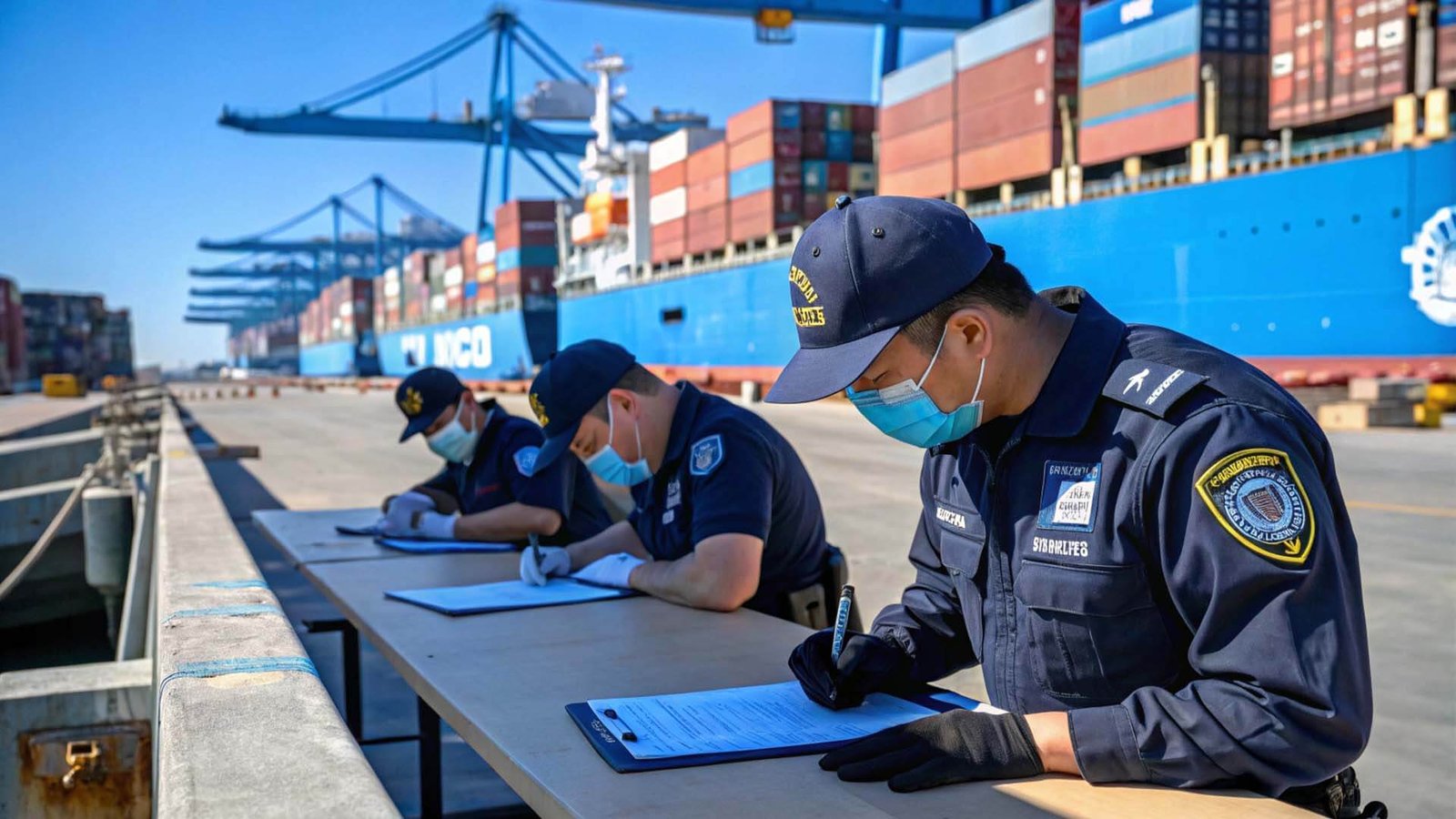
I can't stress this enough: these are not just warehouse programs, they are U.S. Customs and Border Protection (CBP) programs. The savings are real, but so is the oversight. Choosing to operate in an FTZ, in particular, is like inviting CBP to have a permanent window into your inventory. You must have an approved Inventory Control and Recordkeeping System (ICRS)16 that tracks every single piece of merchandise that enters and leaves the zone. A simple mistake in this system can lead to audits, penalties, and even the loss of your FTZ status. A bonded warehouse has less stringent inventory rules, but you are still fully liable for the duties on all goods stored there. The key to succeeding with either program is having a customs broker15 who doesn't just file paperwork but actively manages your compliance4. They are your partner in navigating the rules and protecting you from risk.
How Can U.S. Importers Combine an FTZ or Bonded Warehouse with DDP Shipping to Maximize Savings?
You might see warehousing, shipping, and customs as separate issues. This siloed thinking leaves a lot of money on the table. Let's connect these pieces for maximum landed-cost savings17.
When paired with DDP shipping and broker-led customs clearance, FTZs and bonded warehouses become strategic tools. They allow importers to manage tariffs, compliance4, and delivery under a single operational framework for total cost control.

This is where everything comes together. When we handle a shipment on a Delivered Duty Paid (DDP)18 basis, we are responsible for the entire journey from the factory in China to your door in the U.S. This allows us to build the most efficient process possible. We can route the cargo directly into an FTZ or bonded warehouse upon arrival, manage the customs admission, and coordinate the final delivery. This single point of control eliminates communication gaps and errors that often happen when multiple providers are involved. It transforms the FTZ or bonded warehouse from a simple storage box into an active, integrated part of your supply chain strategy.
Case Study 1: Section 301 Tariff Shock Avoided (FTZ)
An electronics importer I work with was sourcing components from Shenzhen. They were facing a crippling 25% Section 301 tariff. We helped them gain approval to operate within an FTZ. Now, they import the components, perform a minor assembly process inside the zone, and the finished good enters the U.S. market under a new classification with a 0% duty rate. This strategy saves them over six figures annually.
Case Study 2: Cash-Flow Protection (Bonded Warehouse)
Another client imports seasonal consumer goods from Ningbo. They were always worried about ordering too much and having their cash tied up in duties for unsold inventory. We set them up with a bonded warehouse near their main distribution center. Now, they pay duties only after they receive firm orders from retailers, freeing up cash and reducing their market risk.
Conclusion
Choosing between an FTZ and a bonded warehouse is a strategic decision. It depends on your products, volume, and long-term goals. The right choice can significantly reduce your landed costs.
Understanding high-duty goods helps you assess potential savings with FTZs, which can reduce or eliminate duties on these items. ↩
Exploring duty reduction or elimination can reveal significant cost-saving opportunities for your import strategy. ↩
Improving cash flow is crucial for businesses, and bonded warehouses offer a way to defer duty payments, aiding financial management. ↩
Compliance is critical in FTZ operations, and understanding these requirements can prevent costly penalties. ↩
Section 301 duties can significantly impact costs, and understanding them is key to choosing the right import strategy. ↩
Inverted tariffs can lower duty rates on finished products, offering substantial savings for importers using FTZs. ↩
Duty elimination on re-exports can provide permanent savings, making FTZs a valuable option for certain importers. ↩
Understanding setup and compliance costs helps evaluate the feasibility and potential savings of using an FTZ. ↩
Duty deferral allows importers to delay duty payments, which can be a strategic financial advantage. ↩
Reducing tariff burden is crucial for cost savings, and FTZs offer strategic ways to achieve this. ↩
Bonded warehouses offer flexibility and cash-flow benefits, making them suitable for short-term storage requirements. ↩
FTZs offer duty elimination on re-exports, providing significant savings for businesses with re-export activities. ↩
Changing tariff classification in FTZs can lower duty rates, providing savings on imported goods. ↩
Manufacturing authority allows for duty reductions through processing, offering cost advantages in FTZs. ↩
A skilled customs broker ensures compliance and maximizes savings, making them essential for import operations. ↩
ICRS is vital for FTZ compliance, and understanding it helps maintain accurate inventory tracking and avoid penalties. ↩
Landed-cost savings are essential for profitability, and these programs offer strategic ways to reduce overall costs. ↩
DDP shipping streamlines the import process, offering cost control and efficiency when combined with FTZs or bonded warehouses. ↩