Juggling big pallets and small parcels from one shipment is complex. Mistakes lead to delays and surprise fees after customs clearance1. A clear strategy for mixed freight2 streamlines delivery.
Shipping pallets and parcels together requires a coordinated process after customs clearance1. This involves unloading the container, sorting freight into pallets for LTL/FTL carriers3 and individual parcels for courier networks4, and managing both transport legs simultaneously to ensure efficient and cost-effective final delivery without delays.

I've seen many importers struggle with this exact problem. They get their container from China, my team and I handle the U.S. customs clearance1, and then the real challenge begins. How do you get everything to the right place, at the right price, without losing your mind? It's a question of control and planning. Let's break down what this process actually looks like for you, the importer, and how you can master it.
What Pallet and Parcel Transport Means for U.S. Importers Shipping Mixed Freight After Customs Clearance?
Confused about what "pallet and parcel transport" means for your business? This confusion can cost you time and money when your goods land in the U.S. Understanding it helps you optimize.
Pallet and parcel transport refers to moving both palletized freight5 and individual cartons within the same distribution flow after customs clearance1, allowing U.S. importers to balance cost, speed, and handling risk when fulfilling mixed orders from inbound international shipments.
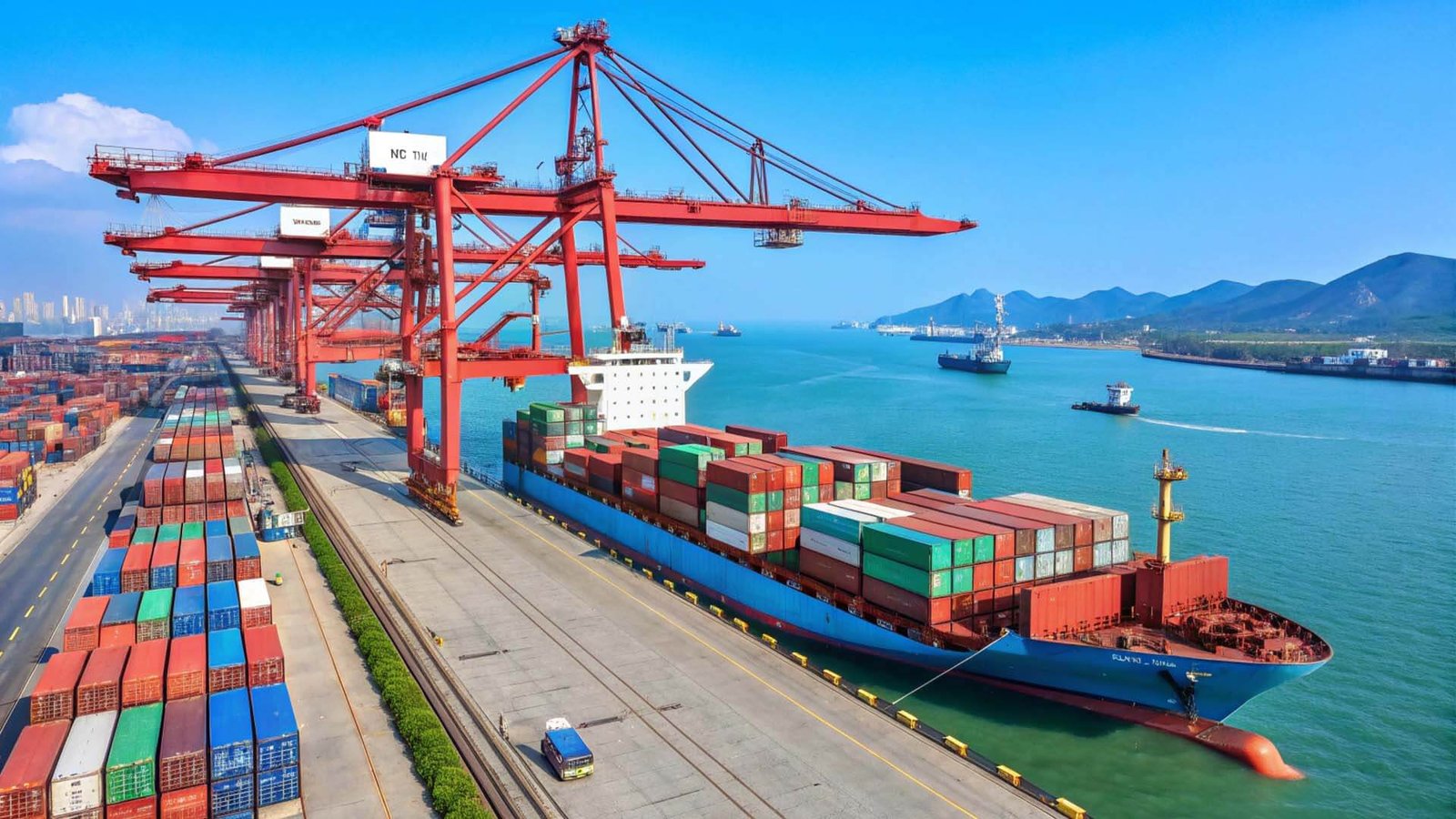
For an importer like you, this isn't just a logistics term; it's a critical operational step that happens right after your goods clear customs. Once your container from China arrives and we get the green light from Customs and Border Protection (CBP), your single large shipment must become many smaller ones. Some of your goods might be heading to a large distributor or an Amazon FBA warehouse on pallets. Other items might need to be shipped directly to individual customers as parcels. This is the reality of mixed freight2 distribution. It's the moment your international shipment becomes a domestic distribution puzzle. Getting it right means your bulk items move cheaply via Less-Than-Truckload (LTL) freight, and your individual orders get to customers quickly via couriers. Getting it wrong, as I've seen happen, means chaos, delays, storage fees, and unhappy customers.
How Palletized and Parcel Shipments Move Together from Ports or Airports to U.S. Warehouses and Fulfillment Centers?
Your container has cleared customs, but now what? A poor handoff at this stage can leave your pallets sitting at the port while your individual parcels get lost in the shuffle.
After customs release, palletized freight5 typically moves via FTL or LTL while parcels enter courier networks4. This requires coordinated unloading, sorting, and labeling6 to ensure both shipment types move efficiently without delays or misrouting.
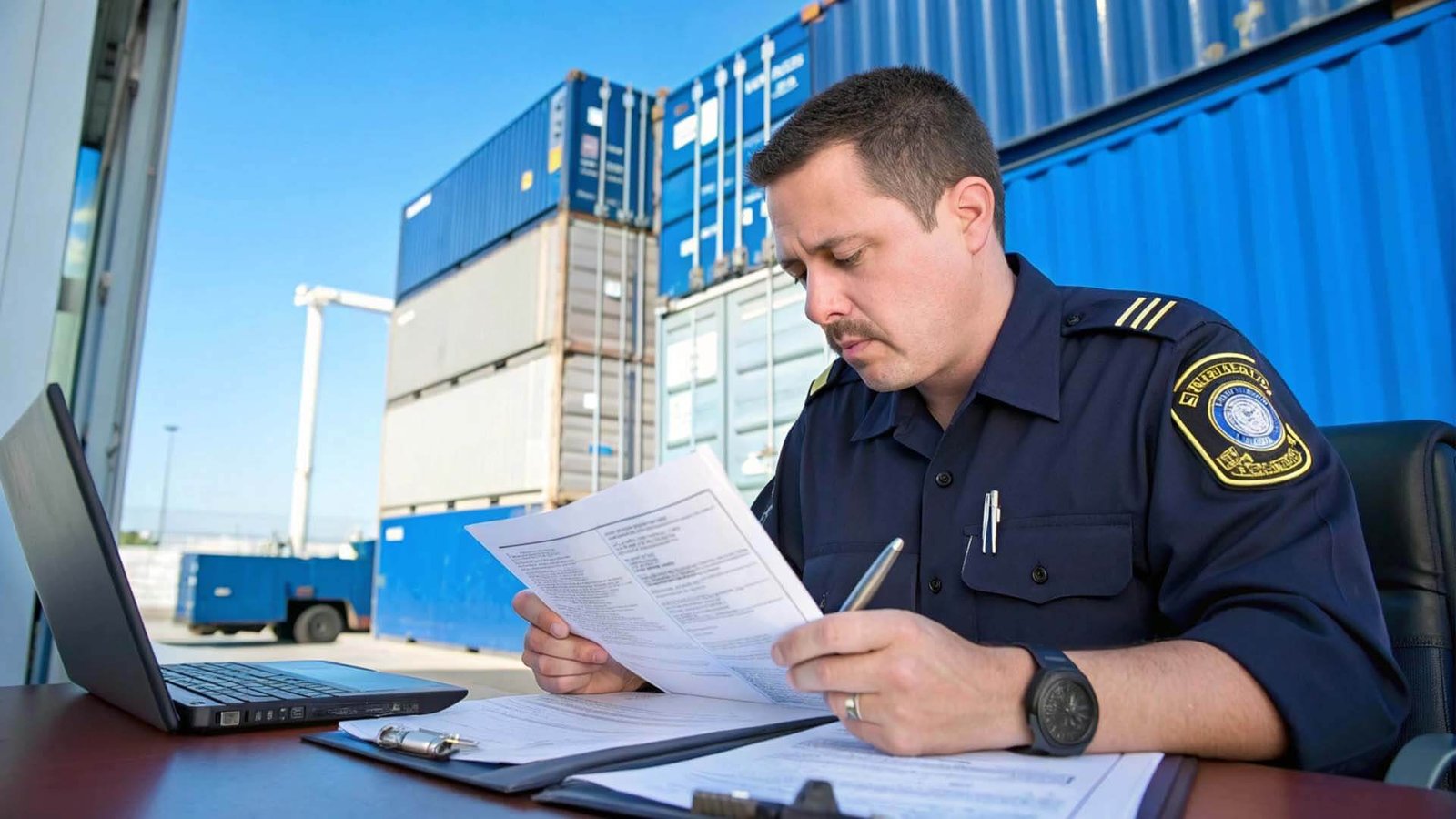
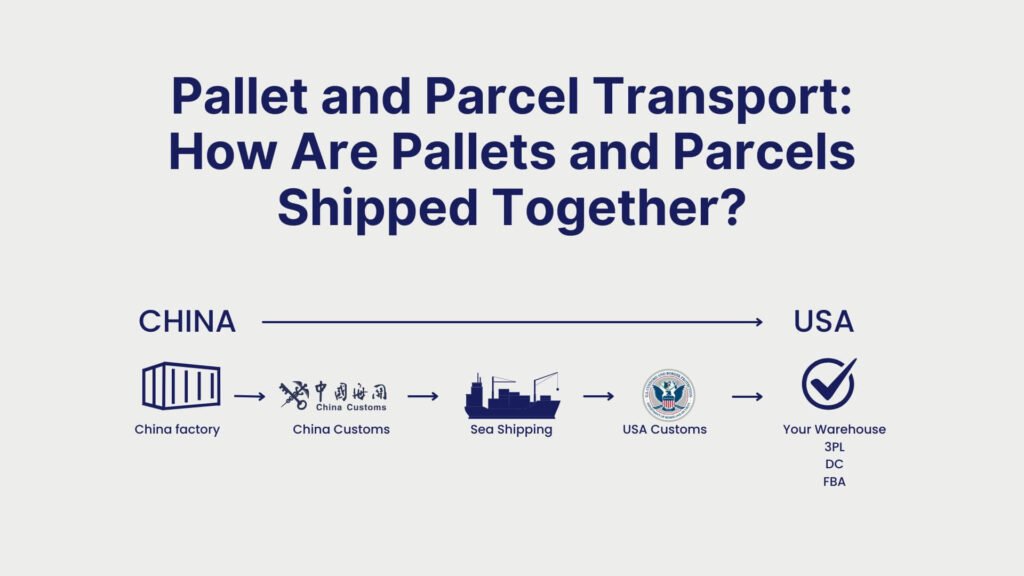
Let's walk through the actual physical process. It’s a multi-step flow that needs careful management.
- Arrival & Clearance: Your container, maybe from a port like Shanghai, arrives at the Port of Long Beach. My team and I handle the customs clearance1, ensuring all the documentation is perfect so there are no holds.
- Devanning: The container is trucked to a nearby warehouse to be unloaded. This process is called "devanning7" or "stripping." It's where your goods first see the light of day in the U.S.
- The Sort & Split: This is where the plan becomes action. Based on the pre-agreed strategy, we sort the cargo.
-
Pallet Build
Cartons destined for a single warehouse or distribution center are stacked securely onto pallets. They are then shrink-wrapped and labeled for LTL or Full-Truckload (FTL) transport.
-
Parcel Sort
Individual cartons intended for direct-to-customer orders or multiple smaller destinations are separated. Each one is inspected and gets a specific courier shipping label applied (e.g., UPS, FedEx).
-
- Coordinated Carrier Handoff: The finished pallets are loaded onto a freight truck. At the same time, the sorted parcels are picked up by a courier service. This must happen in a coordinated fashion to avoid delays or having one part of your shipment left behind.
When Importers Should Split a Shipment into Pallets vs Parcels Based on Cost, Speed, and Damage Risk?
Should you ship that item on a pallet or as a parcel? Guessing wrong can lead to damaged goods, unhappy customers, and surprisingly high shipping bills from dimensional weight charges.
Importers should ship heavy, bulk, or fragile goods on pallets while reserving parcel shipping for lighter, high-velocity SKUs. Improper splitting often leads to higher DIM charges, damage, or expensive accessorial fees8.
This decision directly impacts your landed cost and profit margin. It's not a matter of preference; it's a strategic choice based on the product and destination. I always advise clients like Mark, who are very detail-oriented, to analyze these three factors for every shipment.
Cost
For heavy, dense items, pallets are almost always cheaper per pound. Parcel carriers like UPS and FedEx use dimensional (DIM) weight pricing, which means they charge for the space a box takes up. If you have large, lightweight boxes, shipping them individually as parcels can be shockingly expensive. Grouping them onto a pallet to be shipped as freight is a simple way to control these costs.
Speed
Parcels are generally faster for single-unit deliveries, especially to residential addresses. Courier networks are vast, automated systems built for speed. Pallets moved by LTL carriers are reliable but operate on a more industrial schedule with fewer delivery options. If you need 50 units at a warehouse by a certain date, LTL is great. If one customer needs one unit at their home tomorrow, a parcel is the only answer.
Damage Risk
Pallets offer far superior protection. Your goods are neatly stacked, wrapped together as a single unit, and moved carefully with a forklift. Parcels, on the other hand, travel through a rough-and-tumble world of conveyor belts, sorting chutes, and multiple trucks. Each box is handled individually many times, which dramatically increases the risk of drops, dents, and damage. For fragile or high-value items, the safety of a pallet is often worth it.
How Carriers Handle Mixed Pallet and Parcel Freight Differently (LTL, FTL, Courier, and Hybrid Networks)?
Do you think all carriers see your freight the same way? Assuming a box is just a box is a recipe for lost shipments, unexpected fees, and major delays at the warehouse.
Carriers treat pallets and parcels as fundamentally different things. Pallets move through manual freight networks, and parcels go through automated courier hubs. Coordination is critical to avoid delays, rehandling fees, and confusion.
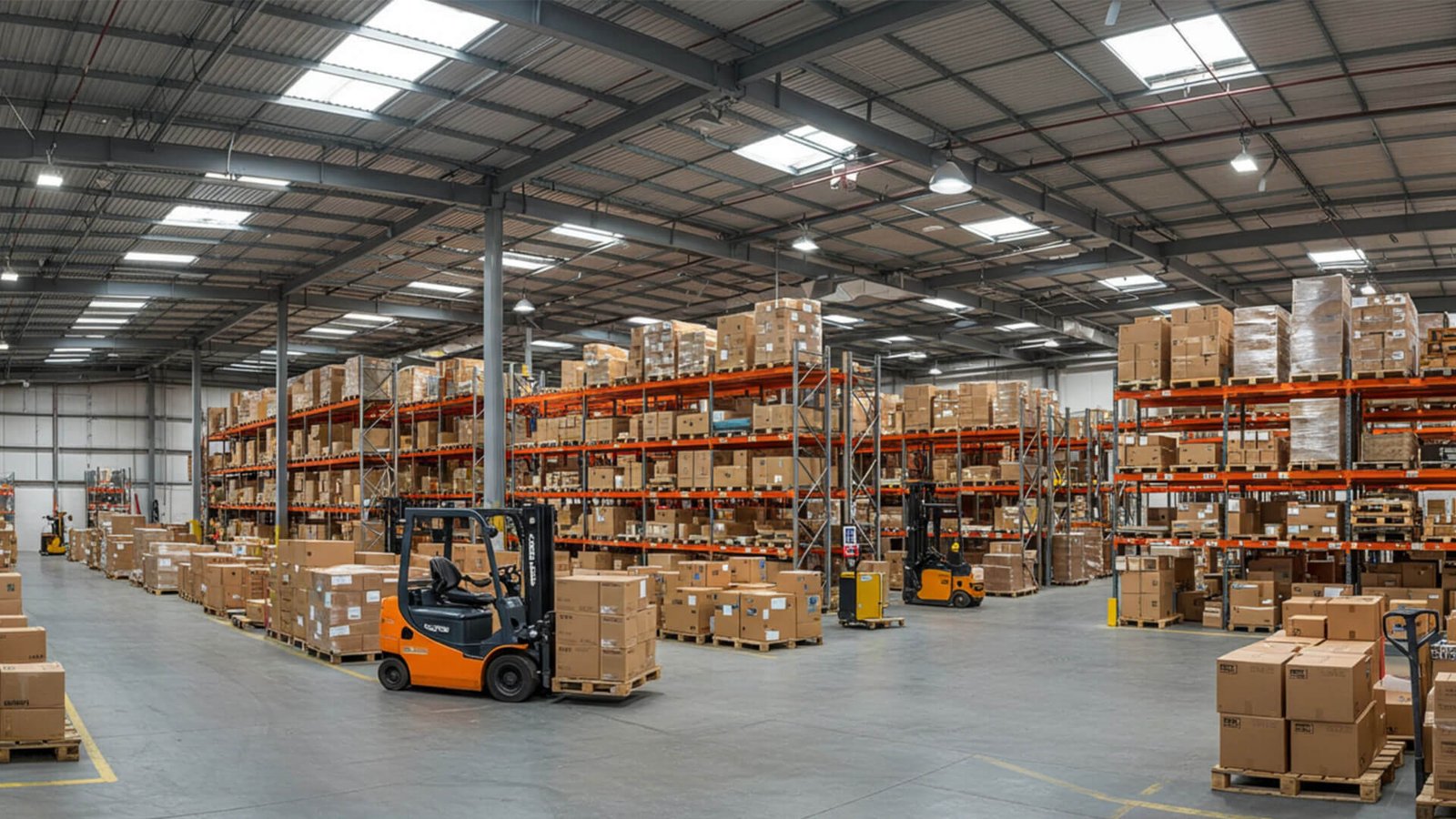
You can't just hand over a mix of pallets and loose cartons to a driver and hope for the best. Each carrier type operates in its own ecosystem with its own rules. Understanding these differences is key to a smooth operation.
| Carrier Type | How They Handle Freight | Best Use Case for Imports |
|---|---|---|
| FTL (Full Truckload) | An entire truck is dedicated to your freight, moving directly from A to B. | Large volumes (10+ pallets) all going to one destination. |
| LTL (Less-Than-Truckload) | Your pallets share truck space with other shippers' freight. The truck makes multiple stops. | Cost-effective for smaller pallet quantities (1-10 pallets). |
| Courier (e.g., UPS, FedEx) | Your individual parcels are sorted through a massive, automated network of hubs and conveyor belts. | Fast delivery of small, individual boxes to many addresses. |
| Hybrid Networks | Services that use a mix of carriers, often for the "middle mile," to balance cost and speed. | A good option for high-volume e-commerce fulfillment. |
The problems always happen at the handoffs. An LTL driver is there to pick up pallets, not to wait while you label 100 loose cartons. A FedEx driver is expecting scannable, ready-to-go parcels, not a 1,000-pound pallet. Your logistics partner's job is to manage these separate systems as a single, unified project, ensuring everything is prepared correctly for the right carrier at the right time.
What Importers Must Get Right in Palletization, Labeling, and Packaging to Avoid Rework, Delays, and Extra Charges?
Think your boxes are ready to ship once they land in the U.S.? Simple mistakes in how you stack, label, or package your goods can get your entire shipment rejected by carriers.
Accurate palletization9, compliant labeling6, and durable packaging10 are non-negotiable when shipping mixed freight2. Errors in these areas often trigger rework fees, carrier refusals, or additional handling charges at warehouses and hubs.
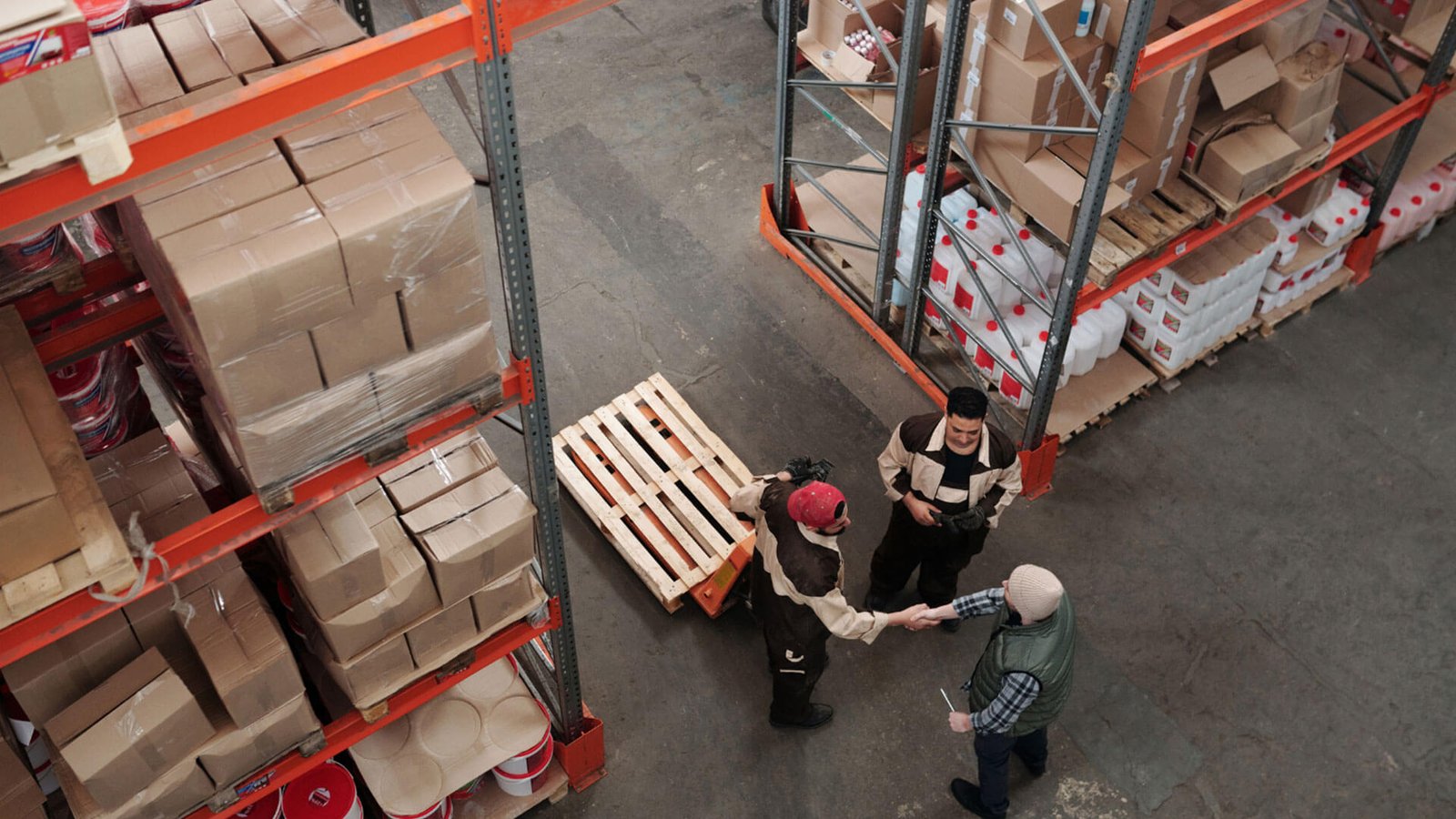
This is where I see importers lose the most money—in the small details. I had a client whose shipment from Ningbo, China, sat in a U.S. warehouse for a week, racking up storage fees. The reason? The pallet labels were incorrect. The warehouse team had to stop everything, unwrap the pallets, find the right paperwork, and re-label every single one, all at the importer's expense. Here is what you absolutely must control:
Palletization
Pallets must be built for stability and safety. This means no boxes hanging over the edge. Cartons should be stacked in an interlocking pattern, like bricks, to prevent shifting. The entire unit must then be securely shrink-wrapped to the pallet base. A poorly built pallet is a safety hazard and will be rejected by any reputable LTL carrier.
Labeling
Every single piece of your shipment needs the right label in the right place. For LTL pallets, this means having the Bill of Lading (BOL) number and a clear delivery address label on at least two sides. For parcels, each box needs its own unique, scannable courier label. Mixing these up or using the wrong format is a common and very costly mistake.
Packaging
Remember, your boxes have already traveled 6,000 miles across an ocean. They need to be durable enough for the final leg of the journey. The parcel network, in particular, is notoriously rough on packaging10. Using flimsy boxes is a guarantee for damaged goods and customer complaints.
The Hidden Costs of Mixed Pallet and Parcel Transport: DIM Weight, Handling Fees, Accessorials, and Returns?
Your initial shipping quote looks good, but what about the hidden fees? Unexpected charges for weight, special handling, and delivery exceptions can completely destroy your profit margins.
Mixed pallet and parcel transport can introduce hidden costs like dimensional weight charges on parcels, liftgate and residential accessorials on pallets, and higher return handling fees, all of which can erode savings if not planned for.
I always push my clients to look beyond the base freight rate. The true cost of shipping is often buried in the details that other providers don't talk about until the final invoice arrives.
| Factor | Pallet Shipping | Parcel Shipping | Mixed-Mode Impact |
|---|---|---|---|
| Best for | Heavy/bulk goods, B2B | Light, fast-moving SKUs, B2C | Mixed inventory for multiple sales channels |
| Cost Predictability | High (based on weight/class) | Medium (subject to DIM/surcharges) | Variable; requires careful cost modeling |
| Damage Risk | Lower (handled as a unit) | Higher (automated sorting) | Depends entirely on packaging10 and sorting execution |
| DIM Weight Impact | Low (not a primary factor) | High (a major cost driver) | Medium; must optimize which items go parcel vs. pallet |
| Operational Complexity | Medium (requires dock/forklift) | Low (easy pickup) | High; requires managing two separate logistics flows |
Dimensional (DIM) Weight
This is the number one cause of invoice shock for e-commerce sellers. Parcel carriers charge for the space a box takes up, not just its actual weight. A large, light product can have a "billable weight" that is two or three times its actual weight, dramatically increasing your shipping cost.
Accessorial Fees
These are extra charges for any service beyond a standard dock-to-dock delivery. For your LTL pallet shipments, this can include needing a truck with a liftgate, delivering to a residential address or construction site, or requiring inside delivery. These fees can add $50-$150+ per service.
Handling and Returns
Managing two separate shipping flows adds complexity and therefore cost. This can mean extra handling fees at the warehouse for the sorting process. Also, if a customer returns a parcel, managing that reverse logistics process adds another layer of cost and complexity that many importers forget to budget for.
How Importers Reduce Risk and Cost by Coordinating Pallet and Parcel Transport Under One Freight, Customs, and Delivery Strategy?
Are you tired of juggling multiple vendors for a single shipment? Handoffs between your freight forwarder, customs broker, and various trucking companies create risk, add cost, and cause delays.
Importers reduce cost and risk by coordinating freight forwarding, customs clearance, palletization, and final delivery under a single execution plan. This minimizes handoffs and ensures consistent, expert handling from port of arrival to final delivery.
This is the core of a smart logistics strategy. True cost savings and reliability don't come from just picking the cheapest shipping mode; they come from seamless, end-to-end execution. When I manage a shipment for a client DDP (Delivered Duty Paid) from a factory in Shenzhen all the way to their final U.S. destinations, we operate from a single, unified plan. As your customs broker, my team knows the exact contents, carton counts, and weights before the ship even docks. This allows us to create the pallet/parcel split plan well in advance.
A client of mine recently did this perfectly. They were shipping from Shenzhen with a mix of goods for a big-box retailer and for their own website. Because we had a pre-planned strategy, the moment their goods cleared customs, our partner warehouse was ready. They built the pallets for the retailer and labeled the individual e-commerce parcels that same day. The pallets were on an LTL truck and the parcels were in the FedEx network by that afternoon. This is a sharp contrast to the all-too-common horror story of a shipment arriving from Ningbo with no clear plan, where pallets are held up while parcels get misrouted, leading to storage fees and missed delivery windows. A unified strategy means one point of accountability and a much smoother, more cost-effective process.
Conclusion
A unified strategy for pallet and parcel transport is essential. It reduces complexity, minimizes hidden costs, and ensures your goods get where they need to go, on time.
Should You Use Pallet, Parcel, or Mixed-Mode Transport for Your Imports?
- Is your shipment over 150 lbs and going to a commercial address? (Consider Pallet)
- Are you shipping many small, lightweight items to different residential addresses? (Consider Parcel)
- Do you have a mix of bulk inventory and individual orders in one container? (Consider Mixed-Mode)
- Is protecting your goods from damage a top priority? (Consider Pallet)
- Is speed to the end customer the most important factor? (Consider Parcel)
- Do you want to simplify your process with one partner managing everything from customs to final delivery? (Consider a Unified Mixed-Mode Strategy)
Learn how efficient customs clearance can prevent delays and additional fees. ↩
Understanding mixed freight can help optimize delivery processes and reduce costs. ↩
Discover the differences between LTL and FTL carriers to choose the best option for your shipment. ↩
Explore how courier networks ensure fast and reliable parcel delivery. ↩
Learn how palletized freight can protect goods and reduce shipping costs. ↩
Understand the role of accurate labeling in preventing shipping errors and delays. ↩
Understand the devanning process to improve your logistics efficiency. ↩
Learn about accessorial fees to avoid unexpected charges in your shipping invoice. ↩
Explore the importance of proper palletization to avoid shipping delays and damage. ↩
Learn how proper packaging can prevent damage and reduce customer complaints. ↩