Struggling with the complex steps of shipping from China1? It's easy to get lost in the process, which can lead to costly mistakes and delays.
Ocean freight works through a multi-stage process that includes factory pickup, export handling, vessel loading, ocean transit2, U.S. customs clearance3, and final delivery. For U.S. importers, understanding each step helps control costs, prevent delays, and avoid compliance issues.
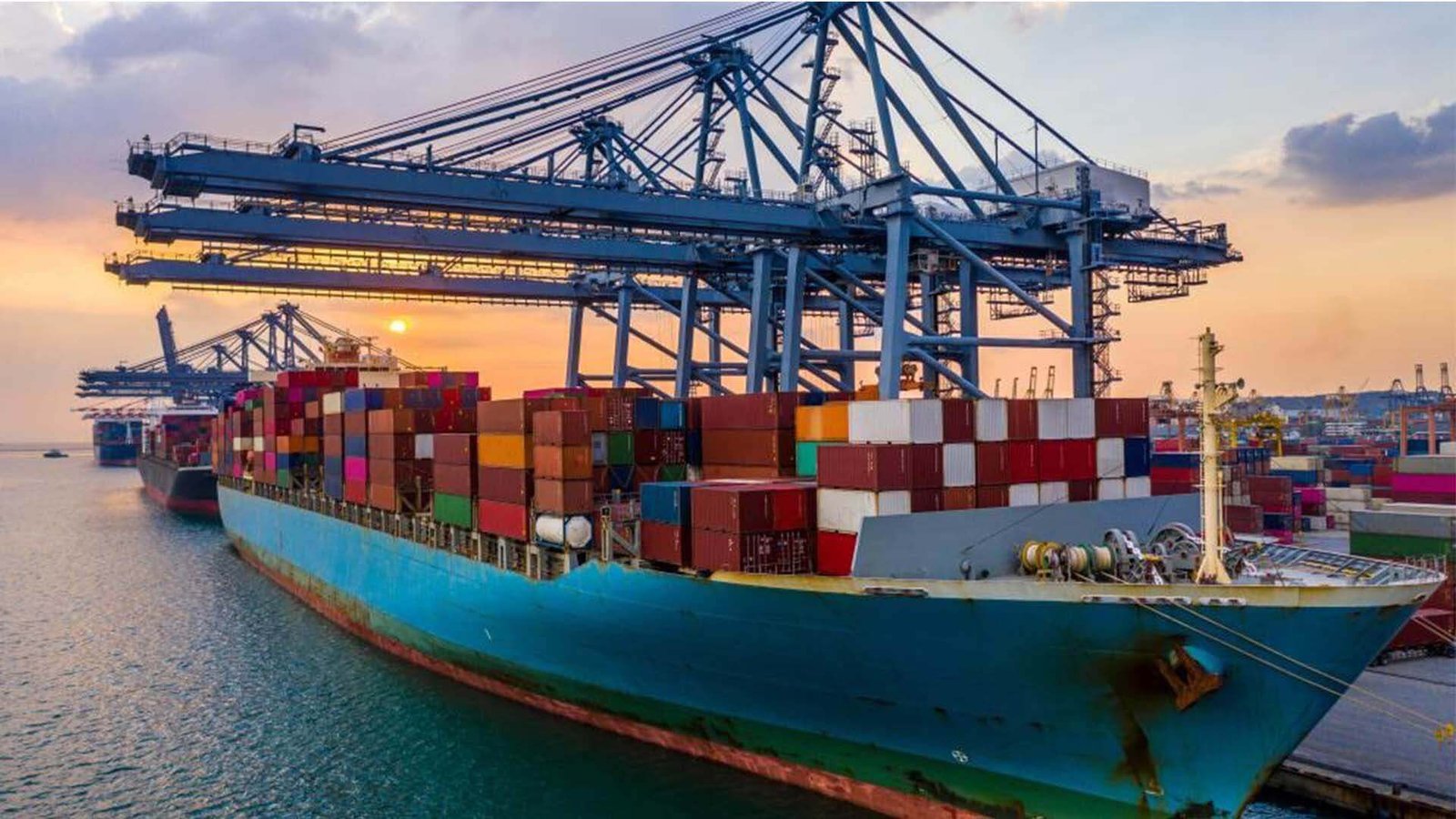
Navigating the world of ocean freight4 can feel overwhelming. I've seen many importers, just like my client Mark, get frustrated by the lack of transparency. But it doesn't have to be a black box. Once you understand the key stages and where things can go wrong, you gain the power to manage your supply chain effectively. Let's break down the entire journey, from your supplier's factory door in China to your warehouse in the United States, so you can ship with confidence.
How does ocean freight4 work step-by-step from factory pickup in China to final delivery in the United States?
Feeling lost tracking your shipment from China? The journey is more than just port-to-port, and missing a step can cause major headaches and unexpected costs.
The process starts with cargo pickup from the factory in China and moves through export customs5, ocean transit2, U.S. customs clearance3, and final inland delivery. Managing this entire chain, not just the ocean part, is the key to reliable and cost-effective importing.
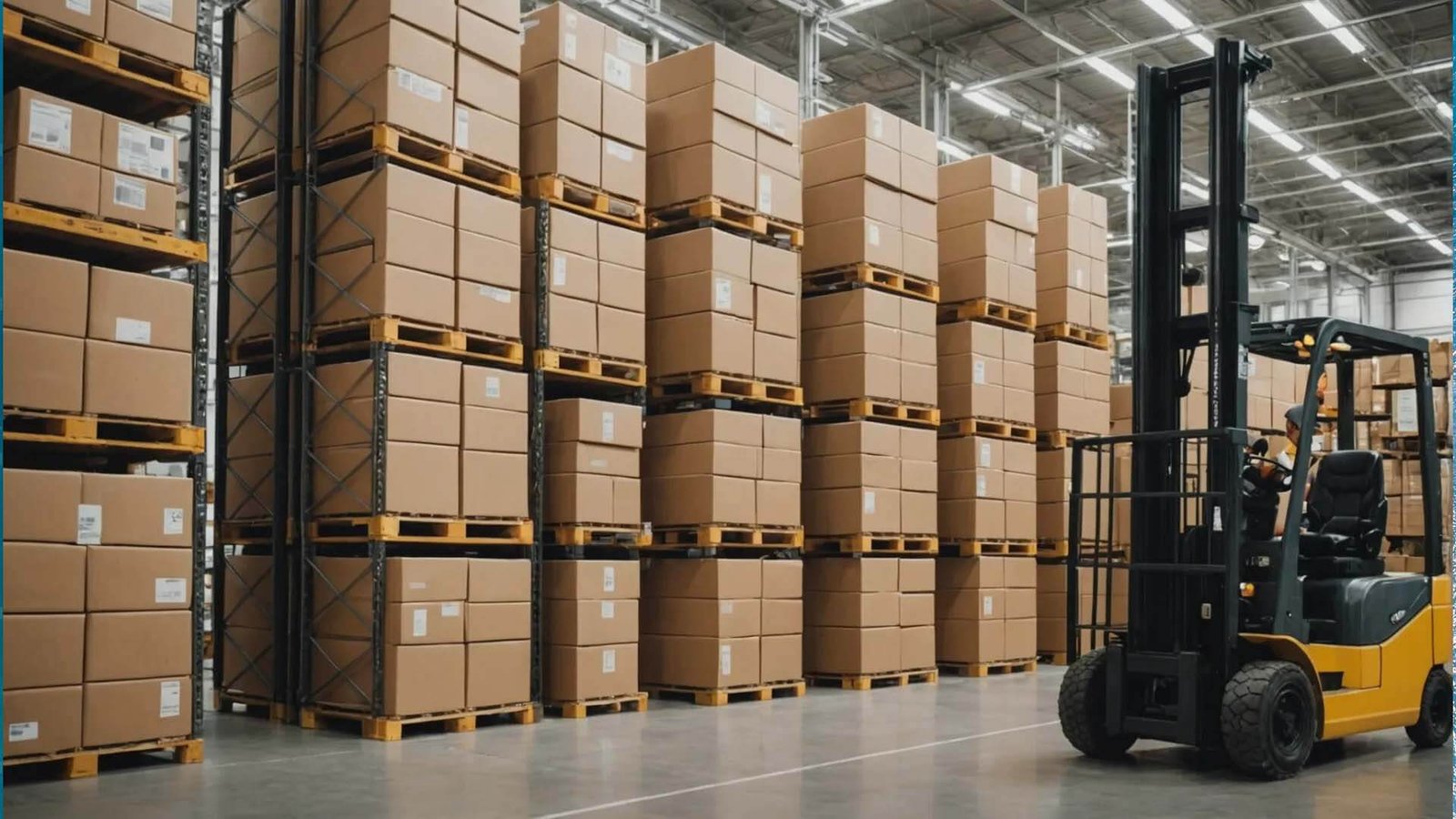
When I first talk to new importers, I always emphasize that ocean freight4 is a process, not just an event. It's a chain of connected steps, and the strength of the whole chain depends on each link. Thinking about it end-to-end is the best way to maintain control.
Here is the typical journey your goods take:
1. Factory Pickup and Origin Handling
It all begins at your supplier's factory in China. A local truck, arranged by your freight forwarder6, picks up your cargo. At this point, we verify the cargo details against the packing list and prepare key documents, like the Bill of Lading7. Accuracy here is critical; a small error on paper can cause a big problem later.
2. Export Customs and Port Handling
Next, the truck delivers your container to the port of origin, like Shanghai or Ningbo. The container goes through China's export customs5s clearance](https://www.crowley.com/all-about-customs-clearance/)%%%FOOTNOTE_REF_3%%%. Your forwarder submits the necessary documentation to declare the goods for export. Once cleared, the container is staged at the terminal, waiting to be loaded onto its assigned vessel.
3. Ocean Transit
This is the part everyone thinks of: the long journey across the Pacific Ocean. The transit time can vary from about 14 to 40 days, depending on the route and carrier service. During this time, we can track the vessel, but the container is out of reach until it arrives in the U.S.
4. U.S. Port Arrival and Customs Clearance
Once the vessel docks at a U.S. port like Long Beach or New York, the container is unloaded. This is where U.S. Customs and Border Protection (CBP) comes in. As your customs broker8, we submit the import entry documents and pay estimated duties on your behalf. We aim to get this done before the ship even arrives, using a process called pre-clearance to speed things up.
5. Drayage and Final Delivery
After CBP releases the cargo, it's time for the final leg. A process called "drayage" uses a specialized truck to move the container from the port to your warehouse or a distribution center. Once it arrives, you unload your goods, and the empty container is returned to the port.
What happens at each stage of ocean freight4 shipping and where do delays, costs, and risks typically occur?
Are unexpected delays and surprise costs derailing your supply chain? These issues often hide in plain sight between shipping stages, hurting your bottom line and delivery promises.
Most ocean freight4 delays and cost overruns happen at handoff points. This includes export documentation, port congestion9, customs exams, and inland delivery. Small errors or poor coordination in these areas can quickly disrupt your entire shipping timeline10.
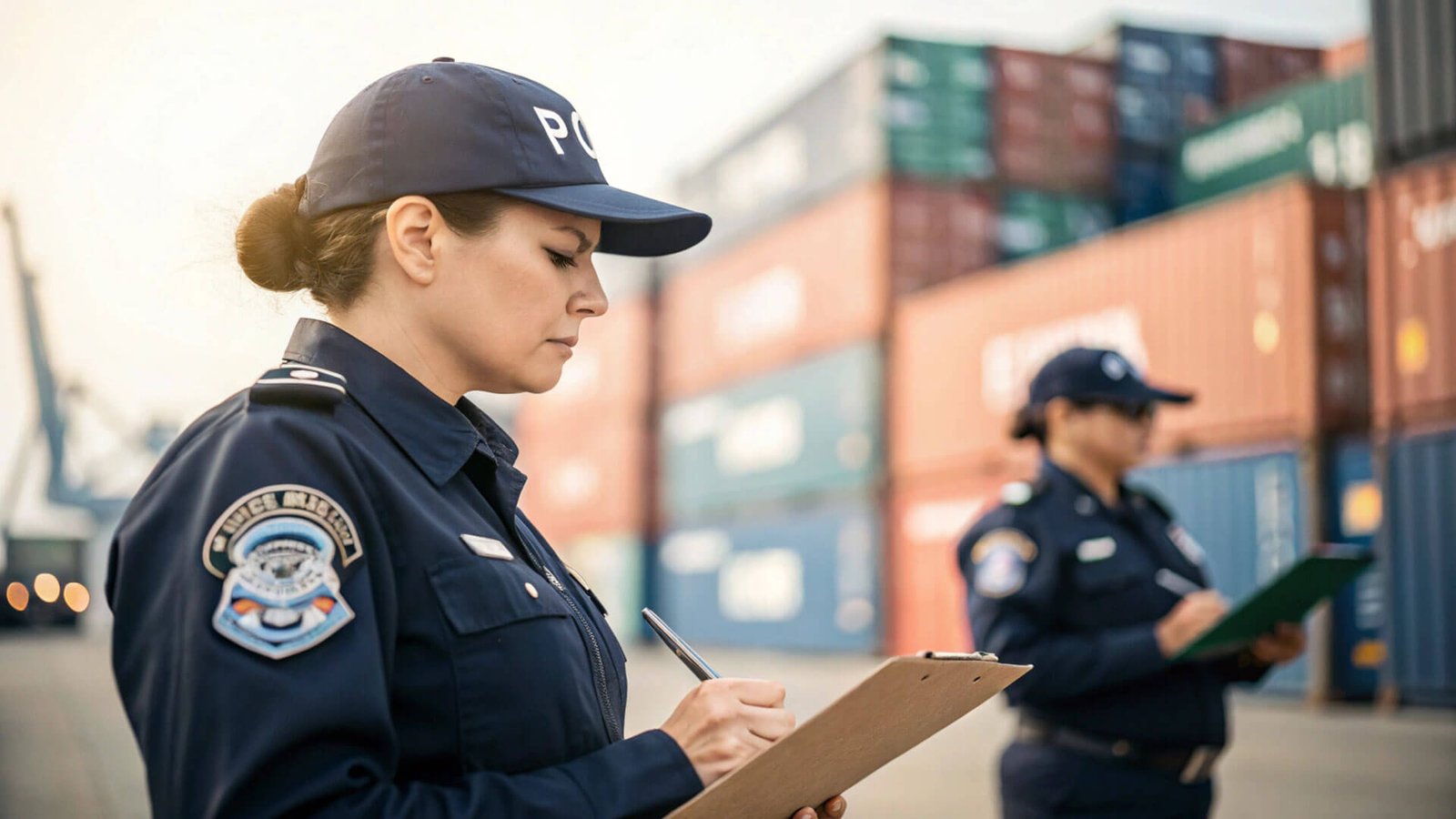
Over the years, I've learned that smooth shipping isn't about avoiding problems—it's about anticipating them. The biggest risks are not on the open ocean but at the points where your cargo is handed from one party to another. A lack of coordination is where things fall apart. For instance, a client once had his goods stuck for two weeks because his supplier missed the documentation cutoff, causing a chain reaction of missed sailings and extra fees.
Here are the most common places where problems arise:
Booking and Documentation Cutoffs
Every vessel has a strict deadline for when cargo must arrive at the port (cargo cutoff) and when all paperwork must be submitted (documentation cutoff). If your supplier is late or the paperwork is wrong, the carrier will "roll" your container to the next available ship, which could be a week later. This is a very common and frustrating delay.
Port Congestion and Vessel Rollovers
Sometimes, even if you do everything right, problems outside your control occur. During peak seasons, ports in both China and the U.S. can become incredibly congested. There might not be enough labor, equipment, or space. In these cases, carriers may roll cargo due to overbooking, prioritizing containers from their largest customers.
Customs Holds and Exams
U.S. Customs can place a hold on any shipment for a documentation review or a physical exam. A simple paperwork mismatch can trigger a hold. A physical exam, where they open your container, can add a week or more to your timeline and result in exam fees that can be thousands of dollars. This is why having an experienced customs broker8 is so important—we double-check everything to minimize this risk.
Drayage and Warehouse Bottlenecks
Once your container is cleared, you need a truck to pick it up. But if a truck isn't scheduled precisely, your container can sit at the port, racking up daily storage fees called "demurrage11." Similarly, if your warehouse isn't ready to receive the container, you'll face "detention" fees for keeping the container and its chassis for too long.
What is the difference between FCL12 and LCL13 ocean freight4 and how do U.S. importers choose the right option?
Choosing between FCL12 and LCL13 feels confusing. Picking the wrong one can mean overpaying for space or facing unexpected delays and even damage to your goods.
FCL12 (Full Container Load) offers faster transit and lower damage risk for large shipments. LCL13 (Less than Container Load) suits smaller loads but has consolidation delays and higher handling risk. Your shipment size and urgency are the key decision factors.
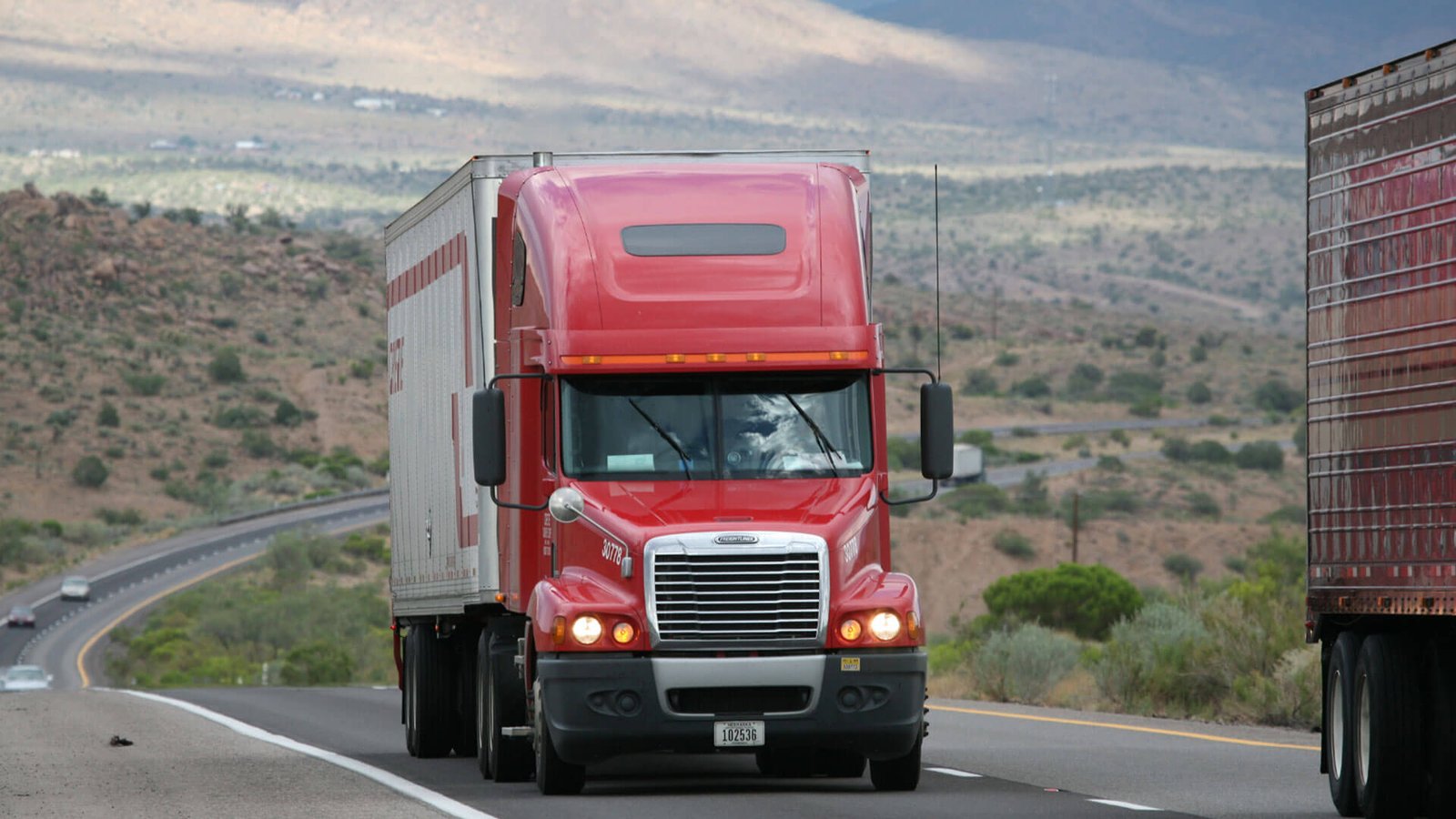
The choice between FCL12 and LCL13 is one of the first big decisions an importer has to make. There's no single "best" option; it depends entirely on your specific needs for a particular shipment. I advise my clients to think about three things: volume, cost, and timing.
FCL12 means you rent an entire 20-foot or 40-foot container for yourself. LCL13 means you share container space with other importers. Let's break down when to use each.
FCL12 vs. LCL13: A Quick Comparison
This table helps clarify the trade-offs. I also included DDP, which is a shipping term, not a container type, but it's important to see how it relates. With DDP, your supplier makes the FCL12/LCL13 decision for you.
| Factor | FCL12 (Full Container Load) | LCL13 (Less than Container Load) | DDP (Managed by Supplier) |
|---|---|---|---|
| Best for | Shipments over 15 CBM | Smaller shipments (2-15 CBM) | Importers wanting zero logistics effort |
| Transit Time | Faster, more predictable | Slower, more variable | Varies; often uses slower options |
| Damage Risk | Lower (less handling) | Higher (more handling) | Risk is on the supplier |
| Cost Structure | Flat rate per container | Priced per cubic meter (CBM) | All-inclusive price |
| Importer Control | High | Medium | Very Low |
When to Choose FCL12
I recommend FCL12 if your shipment is large enough, typically around 15 cubic meters (CBM) or more. At that point, paying a flat rate for the whole container is often cheaper than paying the per-CBM rate for LCL13. FCL12 is also better if your goods are fragile or if transit time is critical. Your container is sealed at the factory and isn't opened again until you open it, which means less handling and fewer chances for damage. The transit time is also more direct and predictable.
When to Choose LCL13
LCL13 is the go-to for smaller shipments. If you only have a few pallets, it makes no sense to pay for a full container. You only pay for the space you use. However, you have to accept the downsides. Your goods will be handled multiple times as they are loaded into a shared container in China and unloaded at a warehouse in the U.S. This increases the risk of damage and delays, as your shipment's schedule depends on everyone else in the container.
How are ocean freight4 rates built and what actually drives cost changes for U.S. importers?
Do ocean freight4t quotes](https://www.flockfreight.com/blog/how-freight-quotes-are-calculated)%%%FOOTNOTE_REF_14%%% feel like a black box? Hidden fees and fluctuating prices make it impossible to budget accurately, which can eat into your profit margins.
Ocean freight rates are driven by container availability15, vessel capacity, fuel costs, port congestion9, and seasonal demand. This means price changes often reflect real-world operational pressures, not just arbitrary carrier pricing.
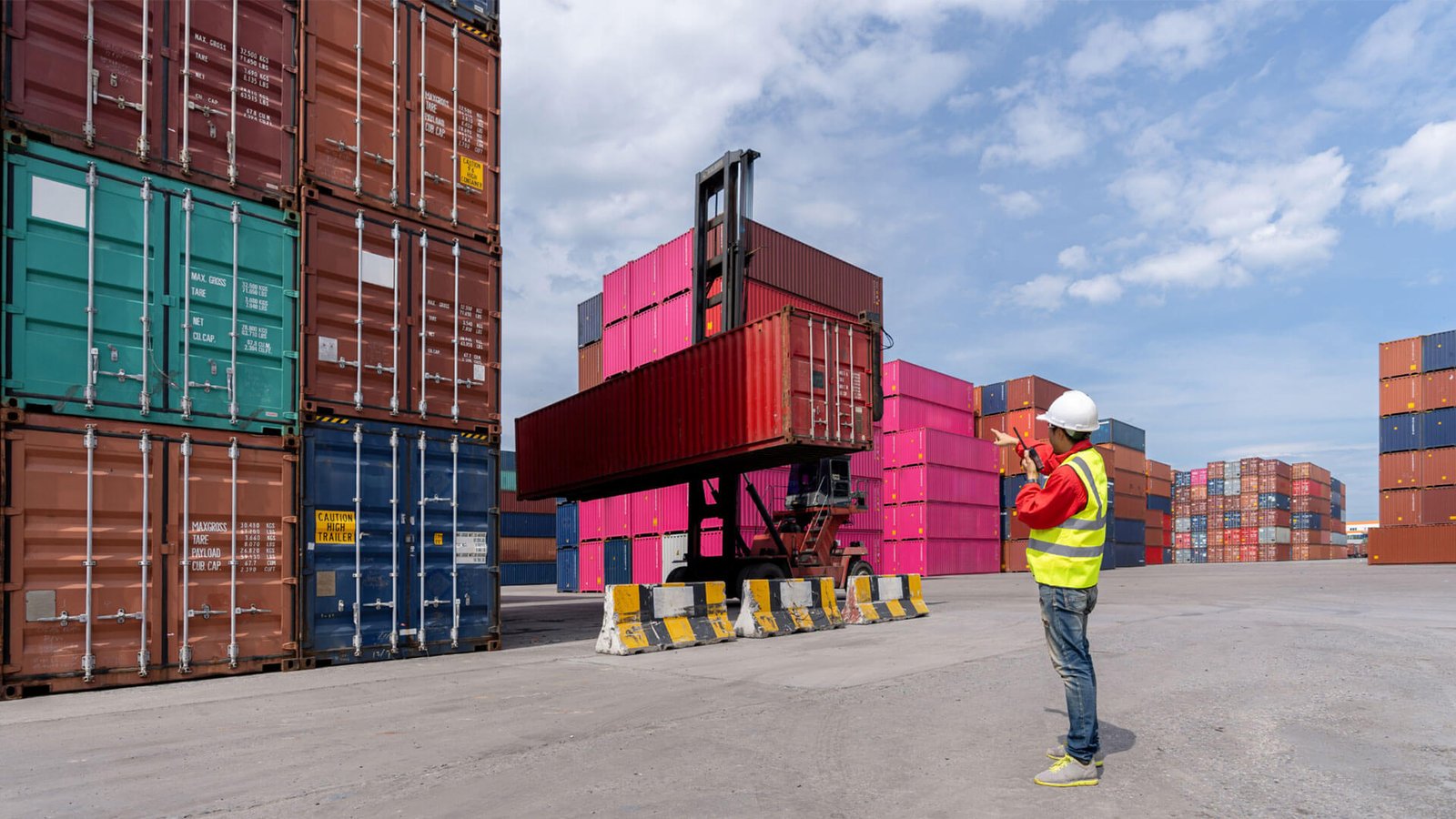
One of the biggest frustrations for importers is the constant change in shipping costs16. A quote you get one week can be completely different the next. It's not arbitrary. I help my clients understand that a freight quote is made of several layers, and each layer is affected by different market forces.
Let's unpack a typical quote to see what you're actually paying for.
1. Base Ocean Freight
This is the fundamental cost of moving a container from Port A to Port B. It's mainly driven by supply and demand. When there are more containers than available space on ships (like before a major holiday), this rate goes up. When demand is low, carriers lower the rate to attract business.
2. Surcharges (BAF, PSS)
On top of the base rate, carriers add surcharges to cover variable operational costs. The most common are:
- BAF (Bunker Adjustment Factor): This covers fluctuations in fuel prices. As oil prices go up, so does the BAF.
- PSS (Peak Season Surcharge): Carriers add this charge during high-demand periods, typically from late summer through the fall, ahead of the holiday shopping season in the U.S.
3. Port and Terminal Charges
Both the origin port in China and the destination port in the U.S. charge fees for handling your container. These are called Terminal Handling Charges (THC). They cover the cost of lifting the container off the truck, moving it around the yard, and loading it onto the ship (and the reverse in the U.S.). These fees are generally stable but can change annually.
4. Inland Costs
Don't forget the costs on land. This includes trucking your container from the factory to the port in China and from the U.S. port to your final destination (drayage). These costs depend on fuel prices and, more importantly, truck availability, which can get very tight in congested areas.
Understanding these components helps you ask better questions and see why your total cost is what it is.
Who is responsible for freight, customs clearance3, and duties under FOB, CIF, and DDP ocean shipping?
Confused about who pays for what with FOB or CIF? This common confusion can lead to surprise bills and your cargo getting stuck at the port.
Responsibility for freight, customs, and duties depends on your chosen Incoterm, not the shipping method. Misunderstandings about FOB, CIF, and DDP often lead to unexpected costs or clearance delays for U.S. importers.
"My supplier said they would handle the shipping." I hear this a lot. The problem is, "handling the shipping" means different things depending on the Incoterm you agreed to in your purchase order. Incoterms17 are trade terms that define who is responsible for what, and when that responsibility transfers from the seller to the buyer. Getting this wrong is one of the costliest mistakes an importer can make.
Let's clarify the three most common Incoterms17 for ocean freight4.
FOB (Free On Board)
- What it means: Your supplier is responsible for getting the goods loaded "on board" the vessel at the origin port in China.
- Who pays for what: The supplier pays for local trucking and origin port charges. You, the importer, pay for the main ocean freight4, U.S. customs clearance3, duties, and final delivery.
- My advice: This is the term I recommend most. It gives you full control over your shipment once it leaves China. You choose the shipping line and the customs broker8, which means you control the cost and timeline.
CIF (Cost, Insurance, and Freight)
- What it means: Your supplier is responsible for paying the cost of freight and insurance to get the goods to the destination port in the U.S.
- Who pays for what: The supplier pays for ocean freight4. You take over responsibility once the ship docks. You still have to pay for customs clearance3, duties, and final delivery.
- The hidden risk: This sounds easy, but it can be a trap. The supplier's forwarder in the U.S. may charge you very high "destination fees" to release your documents. You have no control and have to pay whatever they ask to get your cargo. I've seen importers pay thousands in unexpected fees this way.
DDP (Delivered Duty Paid)
- What it means: Your supplier handles everything, door-to-door. They deliver the goods to your warehouse with all costs, including shipping and duties, paid.
- Who pays for what: The supplier pays for everything. The price you pay them is all-inclusive.
- The trade-off: While it's the easiest option, DDP gives you zero control or visibility. Your supplier will choose the cheapest, often slowest, shipping option. More importantly, you have no control over the customs declaration. If they make a mistake, you, the Importer of Record, are still legally responsible to U.S. Customs.
How can U.S. importers reduce risk and improve reliability by managing ocean freight, customs brokerage, and delivery as one process?
Tired of shipping delays and customs problems? Managing multiple vendors for freight, customs, and delivery creates gaps where things go wrong and costs add up.
U.S. importers get more reliable ocean shipping by coordinating freight booking, customs brokerage, and inland delivery as a single process. This single-point-of-contact approach reduces handoffs, documentation errors, and clearance delays.
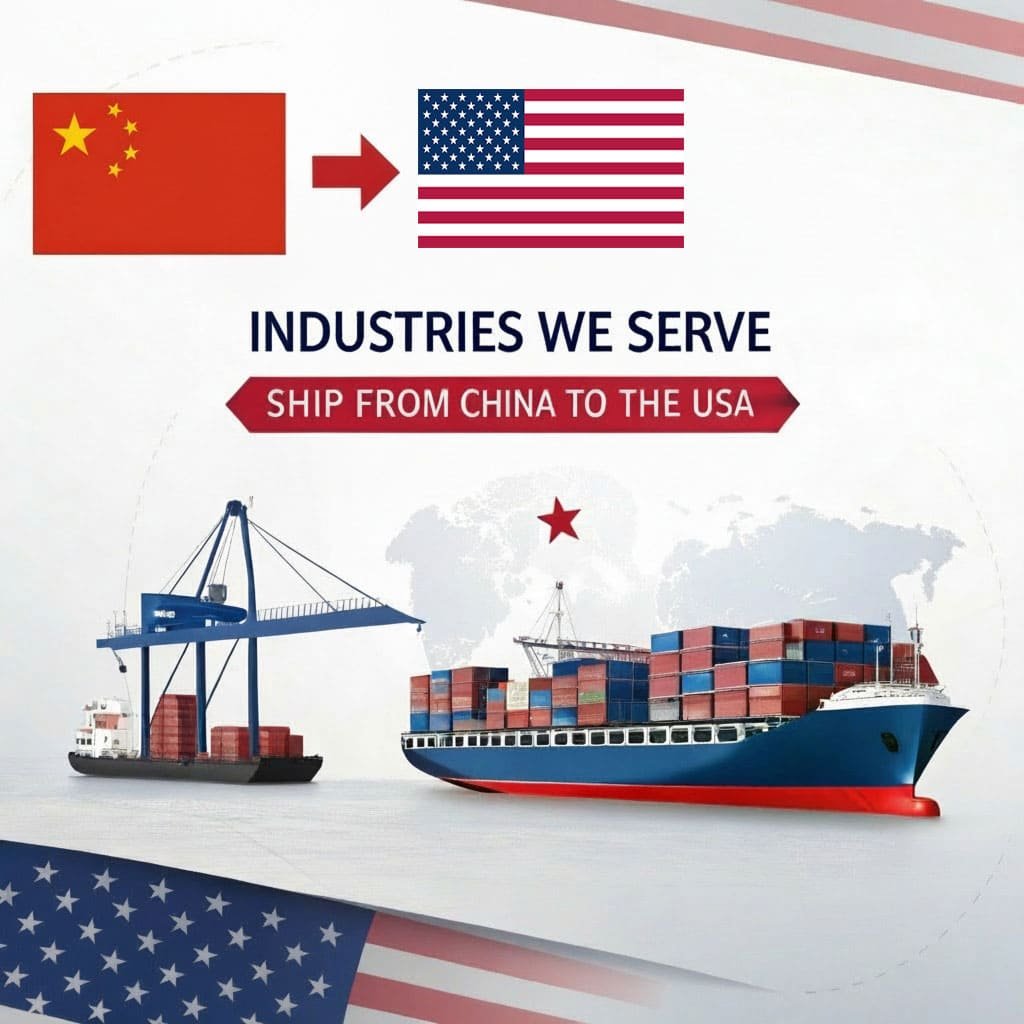
After years in this business, I am convinced that the secret to successful importing isn't finding the cheapest freight rate. It's about process control. When you treat shipping, customs, and delivery as separate tasks handled by separate companies, you create communication gaps. And in logistics, gaps create risk. The solution is to manage it as one seamless process.
The Problem with a Fragmented Process
Let me tell you about a new client, Mark. He was buying LCL from Ningbo, China. His supplier handled the booking, he hired a freight forwarder for the ocean part, and he used a separate, low-cost customs broker. The supplier sent incomplete documents, so the freight forwarder couldn't consolidate the cargo in time, and it missed the vessel. No one told Mark's customs broker. When the cargo finally arrived a week late, the broker filed with the old information, triggering a customs exam. The result? Two weeks of delays and thousands in exam and storage fees. Each party blamed the others, and Mark paid the price.
The Power of an Integrated Process
Now, contrast that with another shipment we handled. An importer was shipping a full container (FCL) from Shenzhen. We managed the entire process.
- We coordinated with the factory to ensure the container was loaded and documents were ready before the cutoff.
- As the freight forwarder, we booked space on a reliable vessel.
- As the customs broker, we reviewed the commercial documents before the ship sailed and saw a potential tariff classification issue. We fixed it with the importer.
- We filed for customs pre-clearance five days before the vessel arrived in Long Beach.
- We had a drayage truck scheduled to pick up the container the same day it was available. The result was a smooth, on-time delivery with no surprises. Because we controlled the whole process, we could see and fix problems before they even happened. This is how you reduce risk and make your supply chain truly reliable.
Conclusion
Managing ocean freight is complex. But understanding the process, costs, and risks gives you the control you need. This is the key for successful importing from China.
Explore effective strategies to streamline your shipping process from China. ↩
Understanding ocean transit times can help you plan your logistics better. ↩
Learn about customs clearance to avoid delays and ensure compliance. ↩
Understanding ocean freight is crucial for efficient shipping and cost management. ↩
Understanding export customs can help prevent costly shipping delays. ↩
Discover how a freight forwarder can facilitate your shipping process. ↩
Learn about the Bill of Lading to ensure proper documentation. ↩
Learn how a customs broker can simplify your import process. ↩
Explore the impact of port congestion on your shipping schedule. ↩
Explore tips to streamline your shipping timeline and avoid delays. ↩
Learn about demurrage to prevent unnecessary shipping costs. ↩
Find out why FCL might be the best choice for your large shipments. ↩
Learn about LCL shipping to optimize costs for smaller shipments. ↩
Learn how freight quotes are determined to better manage your budget. ↩
Understanding container availability can help you anticipate cost changes. ↩
Understanding shipping costs can help you budget more effectively. ↩
Get clarity on Incoterms to avoid unexpected shipping costs. ↩