Unexpected overweight fees1 can destroy your budget. These surprise charges cause frustrating delays and complicate your shipping. Understanding what triggers them is the first step to avoiding them entirely.
An overweight surcharge2 is an extra fee carriers charge when your cargo exceeds standard weight limits. It applies to containers, trucks, and handling equipment to protect worker safety3, public infrastructure4, and operational efficiency5 across the entire supply chain.
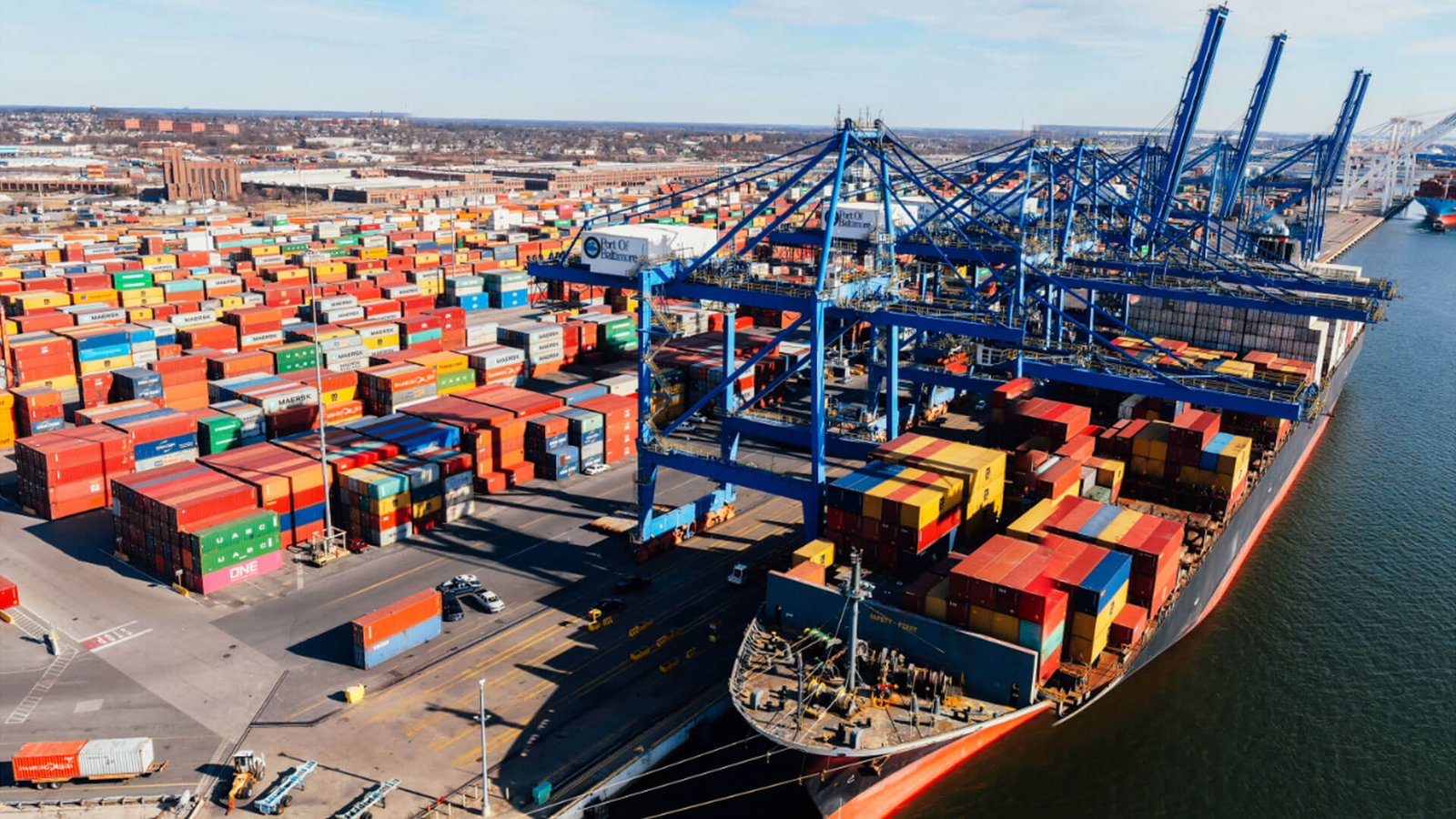
These fees are a frequent source of frustration for U.S. importers6. I've seen many clients, especially those who are detail-oriented and cost-focused like my customer Mark, get surprised by these charges on their final invoice. They often feel like random penalties. But there are very real operational and legal reasons7 behind them. Understanding these reasons is the key to moving from reacting to problems to proactively preventing them. Let's break down exactly what these fees are, what triggers them, and how you can protect your business from them.
What is an overweight surcharge2 and why do carriers apply it to U.S. import shipments?
Are you confused by the overweight surcharge2s on your freight bill? They can seem like just another fee carriers add to complicate your cost calculations. Let's clarify what they are and the real reasons behind them.
An overweight surcharge2 is an additional fee charged when cargo exceeds standard weight limits for containers or equipment. Carriers apply it to protect safety, infrastructure, and operational efficiency5 across ocean, port, and inland transport networks.

When I first started in this business, I thought these fees were just a way for carriers to make more money. But I quickly learned they serve a critical purpose. This isn't just a simple penalty. It's a fee tied to real-world physical limits and extra costs incurred by the carrier. Each piece of equipment, from the ship's crane to the yard chassis, has a safe working load8. Exceeding it puts workers at risk and can damage multi-million dollar machinery. More importantly, once the container leaves the port, it must comply with U.S. road laws9. Overweight trucks damage roads and bridges, which is why the Department of Transportation has strict limits. The surcharge covers the cost of special handling, permits, or specialized equipment needed to move your heavy cargo safely and legally.
Why Carriers Impose Overweight Fees
| Reason | Impact |
|---|---|
| Safety | Prevents equipment failure and protects port workers and truck drivers. |
| Infrastructure | Complies with legal road weight limits to protect public roads and bridges. |
| Operational | Covers the cost of slower handling and specialized equipment like tri-axle chassis10. |
| Compliance | Avoids fines and penalties from authorities like the DOT and CBP. |
What are the exact weight thresholds that trigger overweight fees for containers and palletized cargo?
"How heavy is too heavy?" This is a question every importer asks. The answer is often confusing because different limits apply to the ocean, the port, and the road. Let's break down the specific weight thresholds you need to know.
Overweight fees are typically triggered when cargo exceeds standard limits, such as 44,000 lbs (about 20,000 kg) for a 20-foot container on a U.S. road. However, thresholds vary by ocean carrier, port, and especially by inland trucking regulations.
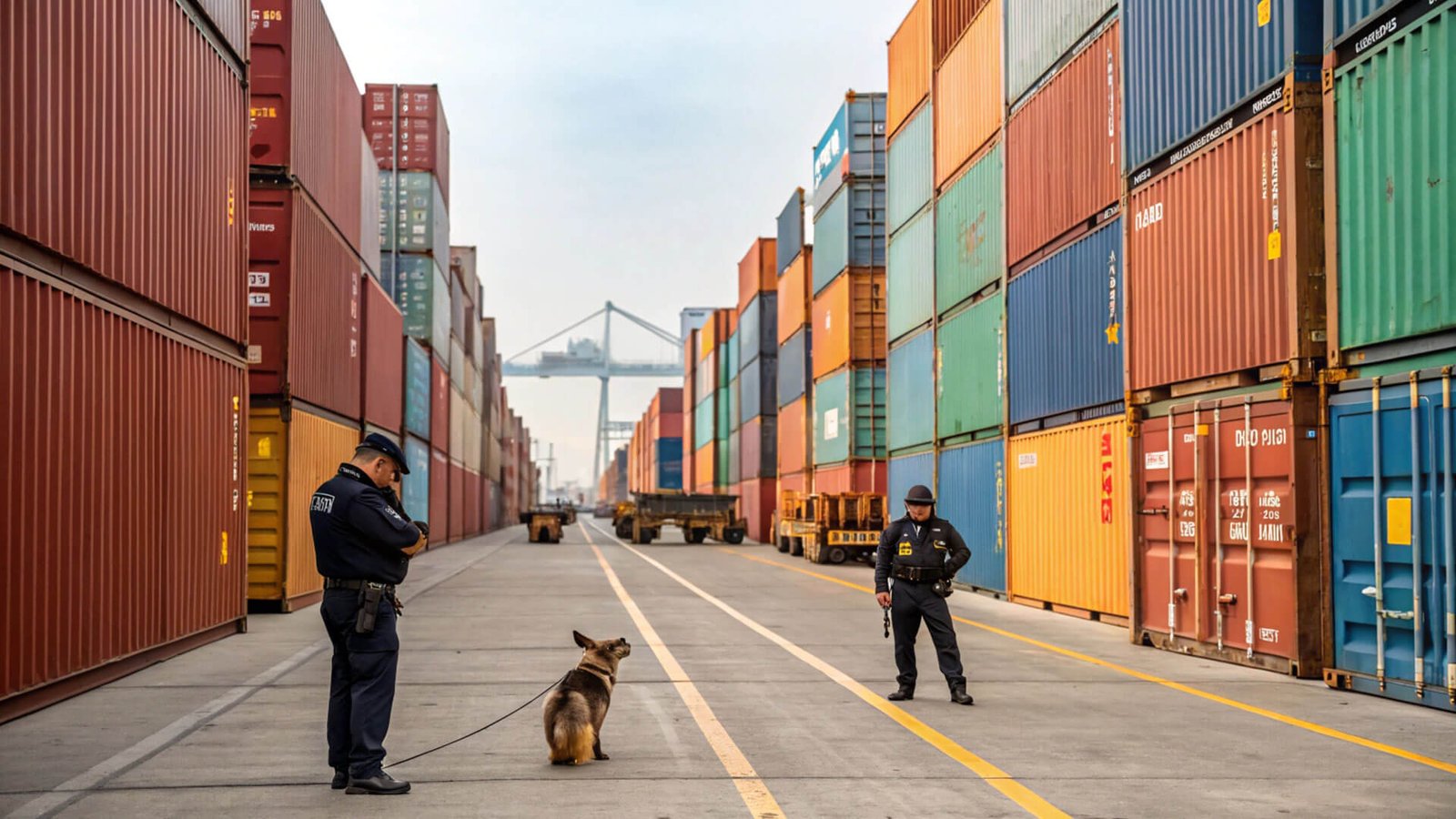
The biggest point of confusion for my clients is that a container can be "legal" for one part of the journey but "overweight" for another. Your supplier in China might load a 20-foot container with 24,000 kg of cargo. The container itself can handle it, and the ocean vessel can handle it. The problem starts when your container arrives in the U.S. A standard truck chassis cannot legally haul that much weight on U.S. roads. The gross vehicle weight11 would exceed the federal limit of 80,000 lbs. To move it, you need a specialized tri-axle chassis10, which costs more and must be arranged in advance. This is the most common trigger for overweight fees for U.S. importers6. It's not about the container's maximum payload; it's about the legal road limit in the destination country.
Key Weight Limits to Monitor
| Transport Stage | What Governs the Limit? | Common Threshold Example (for U.S. Imports) |
|---|---|---|
| Ocean Carrier | Vessel capacity and stowage plan. | Often around 20-22 tons per 20' container. |
| Port Terminal | Crane and yard equipment capacity. | Varies, but can flag containers over 22 tons for special handling. |
| U.S. Inland Trucking | Federal and State road laws (GVW). | ~44,000 lbs / 19,958 kg of cargo in a 40' container on a standard chassis. |
How are overweight surcharge2s calculated across ocean, trucking, and intermodal transport?
Seeing multiple overweight fees on one invoice is frustrating. You might wonder why you are being charged more than once for the same heavy container. Here’s how each part of the supply chain calculates its own fee.
Overweight surcharges are calculated based on how much the cargo exceeds a specific weight limit and where the excess occurs. Separate charges can be applied by ocean carriers, ports, and inland trucking providers, often compounding the total shipping cost.

The total cost can stack up quickly because you are paying for different services at each step. First, the ocean carrier might charge a flat "Overweight Surcharge" if your container's gross weight exceeds their threshold, often around 18 or 20 metric tons. This fee is for their own operational planning. Then, when the container lands at the U.S. port, the terminal might see it's too heavy for standard road transit. They might charge a fee to segregate it or for the extra administrative work. Finally, and most significantly, comes the trucking fee. To move the container legally, we have to hire a trucker with a specialized tri-axle chassis10. This is not a penalty; it's the actual higher cost for the required equipment. So, on one shipment, you could see three separate fees all related to the same single issue: excess weight.
The overweight surcharge2 on your invoice is bad enough. But the hidden costs, like shipment delays and outright rejections, can be even more damaging to your business. Let's uncover the serious risks that go beyond the initial fee.
Beyond extra fees, overweight cargo can cause shipment delays, port rejections, reworking costs, and compliance issues with customs and trucking authorities. These problems increase both transit time and financial risk for U.S. importers6.

I once had a new client, Mark, whose previous agent didn't plan for a heavy shipment. The container arrived at the Port of Los Angeles, but every trucker refused to pick it up because it would make their truck illegal on the road. The container sat at the terminal for a week, racking up demurrage fees12, while we scrambled to find a carrier with an available tri-axle chassis10. This delay caused him to miss a delivery deadline with his biggest retail customer. This is a common story. Other risks include the container being pulled for a DOT inspection13, which can lead to huge fines. Or, even worse, the cargo might need to be "transloaded14"—unloaded from the container and reloaded onto a legal domestic truck. This process is extremely expensive and can take days, completely wrecking your supply chain schedule.
How can U.S. importers6 prevent overweight surcharge2s through proper planning, packing, and documentation?
Are you tired of reacting to overweight cargo problems? It can feel like you're always one step behind, paying for mistakes that were made thousands of miles away. Proactive planning is the only way to prevent these costly surprises.
U.S. importers6 can prevent overweight surcharge2s by accurately calculating cargo weight, optimizing load distribution, and verifying supplier documentation. Most importantly, you must coordinate freight and customs planning with your logistics partner well before shipment.

The solution is almost always found in communication and planning before the container is even booked. You cannot wait until the container is on the water to think about weight. I work with my clients to create a simple pre-shipment process. First, get the exact, verified gross mass (VGM) from your supplier. Don't accept an estimate. Second, ask for photos to confirm the weight is distributed evenly inside the container, not all loaded at one end. This is critical for axle weight limits on trucks. Third, and most importantly, share this information with your logistics partner. If we know a load is heavy before it ships from China, we can plan accordingly. We can book the specialized tri-axle chassis10 in the U.S. weeks in advance. This simple planning turns a potential crisis into a routine, manageable task and saves you from unexpected fees and delays.
A Simple Prevention Checklist
- Step 1: Verify Weight: Get the final, accurate cargo weight from your supplier before booking.
- Step 2: Check Loading: Ensure heavy items are distributed evenly throughout the container.
- Step 3: Communicate Early: Inform your logistics partner of any heavy loads so they can plan for special equipment.
- Step 4: Confirm Documentation: Double-check that the Bill of Lading15 and VGM certificate are accurate.
How does an online glossary compare to expert-led freight planning for overweight surcharge2s?
You have probably read the online definitions for overweight fees. But you've also likely found that they don't help you solve the problem for your specific shipment. Let's compare just learning the term versus actively managing the risk.
Online glossaries explain what overweight surcharge2s are. In contrast, expert-led freight planning focuses on predicting, preventing, and managing overweight risks across ocean transport, inland trucking, and customs clearance for more accurate cost control.

The difference is in the application. A glossary or a generic help page is great for understanding the vocabulary. It answers the question, "What does this term mean?" This is a useful first step. However, it won't help you when your container with 21 tons of stone tile is about to land in Houston. For that, you need a plan. Expert freight planning16, which is what we do for our clients, moves beyond definitions. We analyze your specific cargo, your supplier's location, the shipping route, and the final delivery address. We use this information to answer the critical question: "How do we get this specific shipment delivered on time and on budget, without any surprises?" It's the difference between knowing a storm is possible and having a clear plan to navigate it safely.
Comparing Information Sources for Overweight Fees
| Approach | Strength | Limitation | Best Use Case |
|---|---|---|---|
| Freightos-style glossaries17 | Clear definitions | Limited operational context | Learning terminology |
| iContainers-style help pages | General thresholds | Minimal risk prevention | Initial research |
| Expert freight planning16 | Shipment-specific analysis | Requires coordination | Cost control & compliance |
Conclusion
Understanding and planning for cargo weight is critical. Proactive communication with your logistics partner prevents costly overweight surcharge2s and delays, ensuring your shipments arrive smoothly and on budget.
Understanding unexpected overweight fees can help you avoid surprise charges and manage your shipping budget effectively. ↩
Learn about overweight surcharges to understand why carriers apply these fees and how they impact your shipping costs. ↩
Explore how overweight surcharges contribute to worker safety by preventing equipment failure and accidents. ↩
Learn how overweight surcharges help maintain public infrastructure by complying with legal road weight limits. ↩
Understand the role of overweight surcharges in maintaining operational efficiency across the supply chain. ↩
Discover why overweight fees are a frequent source of frustration for U.S. importers and how to manage them. ↩
Explore the legal reasons for overweight surcharges to better understand their necessity and impact. ↩
Learn about safe working loads to ensure your cargo doesn't exceed equipment limits, preventing damage and fees. ↩
Understand U.S. road laws to ensure your shipments comply and avoid overweight surcharges. ↩
Find out why a tri-axle chassis is necessary for transporting overweight cargo legally on U.S. roads. ↩
Knowing the gross vehicle weight limit helps you plan shipments to avoid overweight fees and legal issues. ↩
Learn about demurrage fees to understand additional costs that can arise from shipment delays. ↩
Understand the implications of a DOT inspection to avoid fines and ensure compliance with regulations. ↩
Explore the process of transloading to understand its costs and how it affects your supply chain. ↩
Understand the importance of a Bill of Lading in shipping to ensure accurate documentation and compliance. ↩
Learn about expert freight planning to manage overweight risks and ensure cost-effective shipping solutions. ↩
Explore how Freightos-style glossaries can help you learn shipping terminology and improve your logistics knowledge. ↩