Choosing the wrong container can lead to damaged goods and costly fees1. You need to make the right choice, but the options seem complex. This guide makes it simple.
The most common shipping container types are standard dry containers2, high cube containers3, and specialized units like reefers4, open tops, and flat rack5s. Each is designed for specific cargo sizes, weights, and transport requirements to ensure safe and efficient ocean freight.
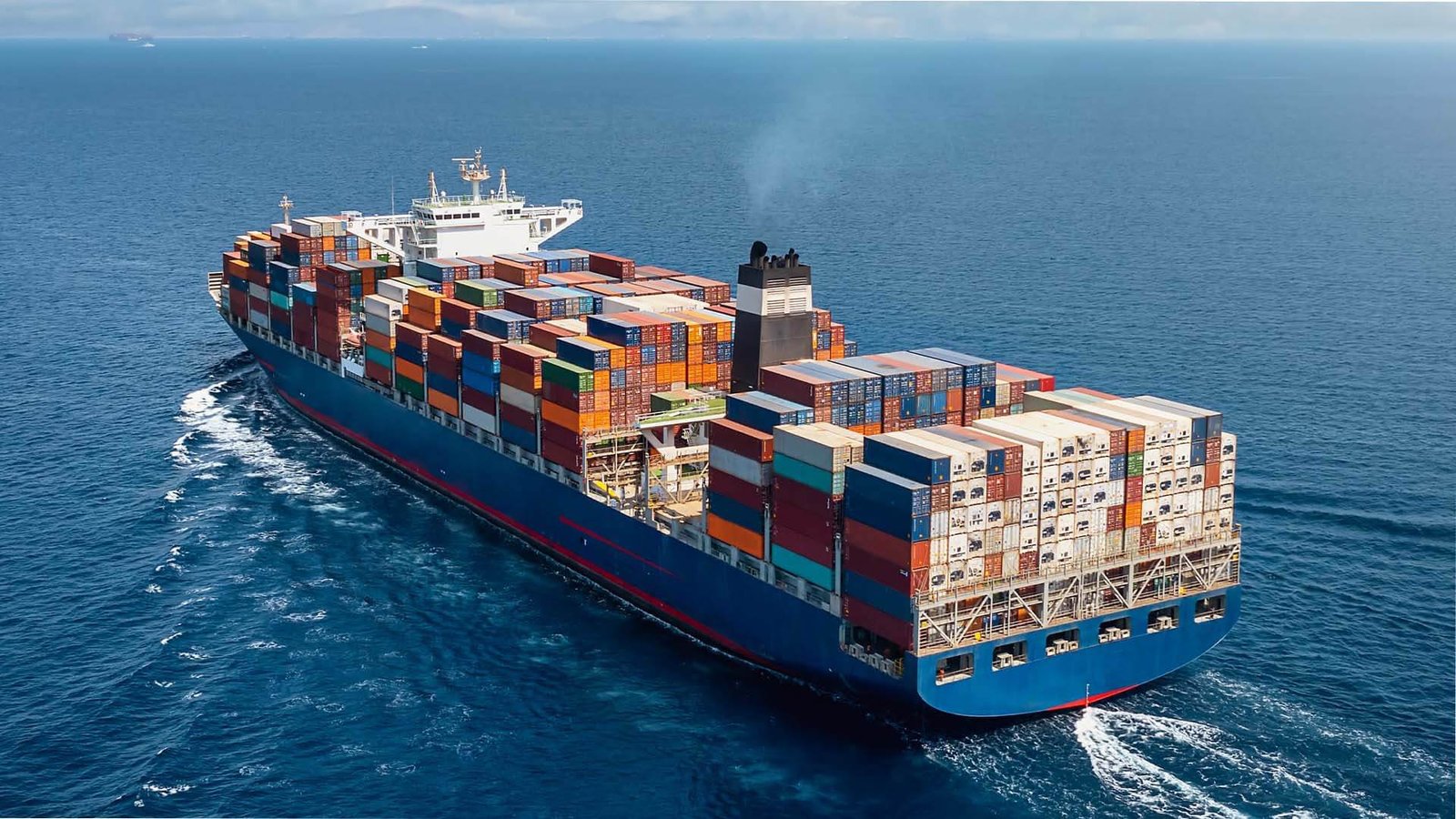
Picking a container feels like a small detail, but it's one of the most important decisions you'll make when shipping goods from China to the USA. The wrong choice can cause major headaches, from rolled cargo and customs exams6 to unexpected trucking fees7 once your container arrives stateside. I’ve seen importers lose thousands of dollars simply because they picked a container that wasn't right for their product. But understanding the main options is easier than you think. Let's break down what you need to know to protect your cargo and your budget. This knowledge will help you avoid common pitfalls and make smarter shipping decisions from the start.
The Most Common Shipping Container Types Used in International Ocean Freight?
Are you just guessing which container is standard? Many importers default to one type, missing out on cost savings or risking cargo damage. Knowing the basics prevents simple, expensive mistakes.
The most common shipping container types used in international ocean freight include standard dry containers2, high cube containers3, refrigerated containers, open-top container8s, and flat rack5s. Each is designed to handle different cargo sizes, weights, and handling requirements for secure transit9.
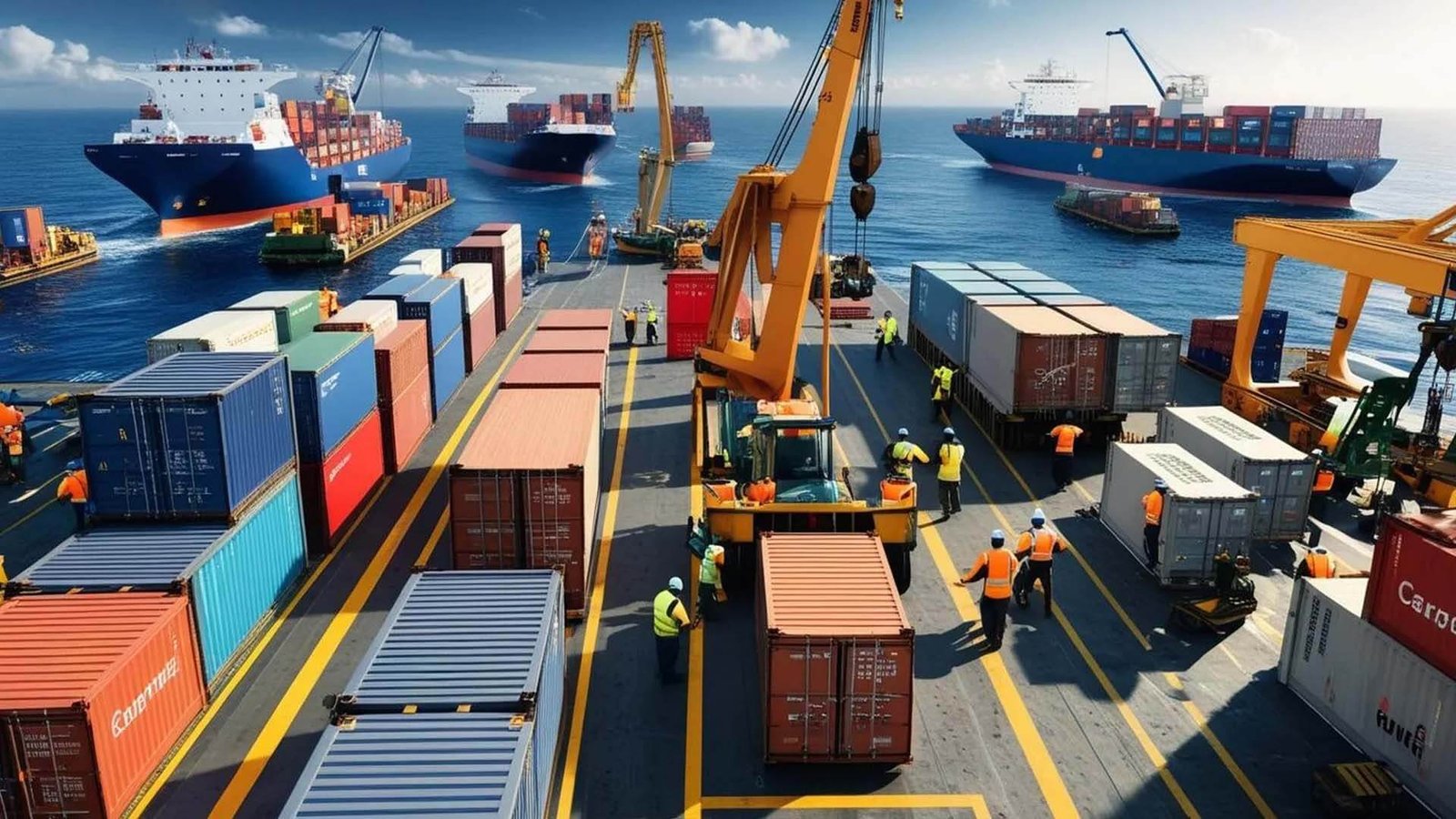
When we talk about "common" containers, we are really talking about the workhorses of global trade. The vast majority of goods ship in a standard dry container. These are the simple, fully enclosed steel boxes you see everywhere. They are weatherproof and secure, perfect for shipping boxes, pallets, and most consumer goods. I often tell my clients to think of these as the default choice. Then, we have specialized containers for everything else. For example, if your cargo is too tall, you might need an open-top container8. If it's temperature-sensitive, like certain foods or chemicals, a refrigerated (reefer) container10 is necessary. For oversized machinery that won't fit through doors, we use a flat rack5. While these specialized units are less common, knowing they exist is crucial for planning. The key is to match your cargo's specific needs to the right container from the beginning.
How 20ft, 40ft, and High Cube Containers Differ in Cost, Capacity, and Use Cases?
Struggling to decide between a 20ft, 40ft, or High Cube? This choice directly impacts your freight cost per unit. Picking the wrong size can mean paying for unused space.
A 20ft container11 is best for heavy, dense cargo, while a 40ft container12 offers more volume for lighter goods. A High Cube (HC) container provides an extra foot of height for bulky items. Costs vary, but a 40ft is not simply double the price of a 20ft.
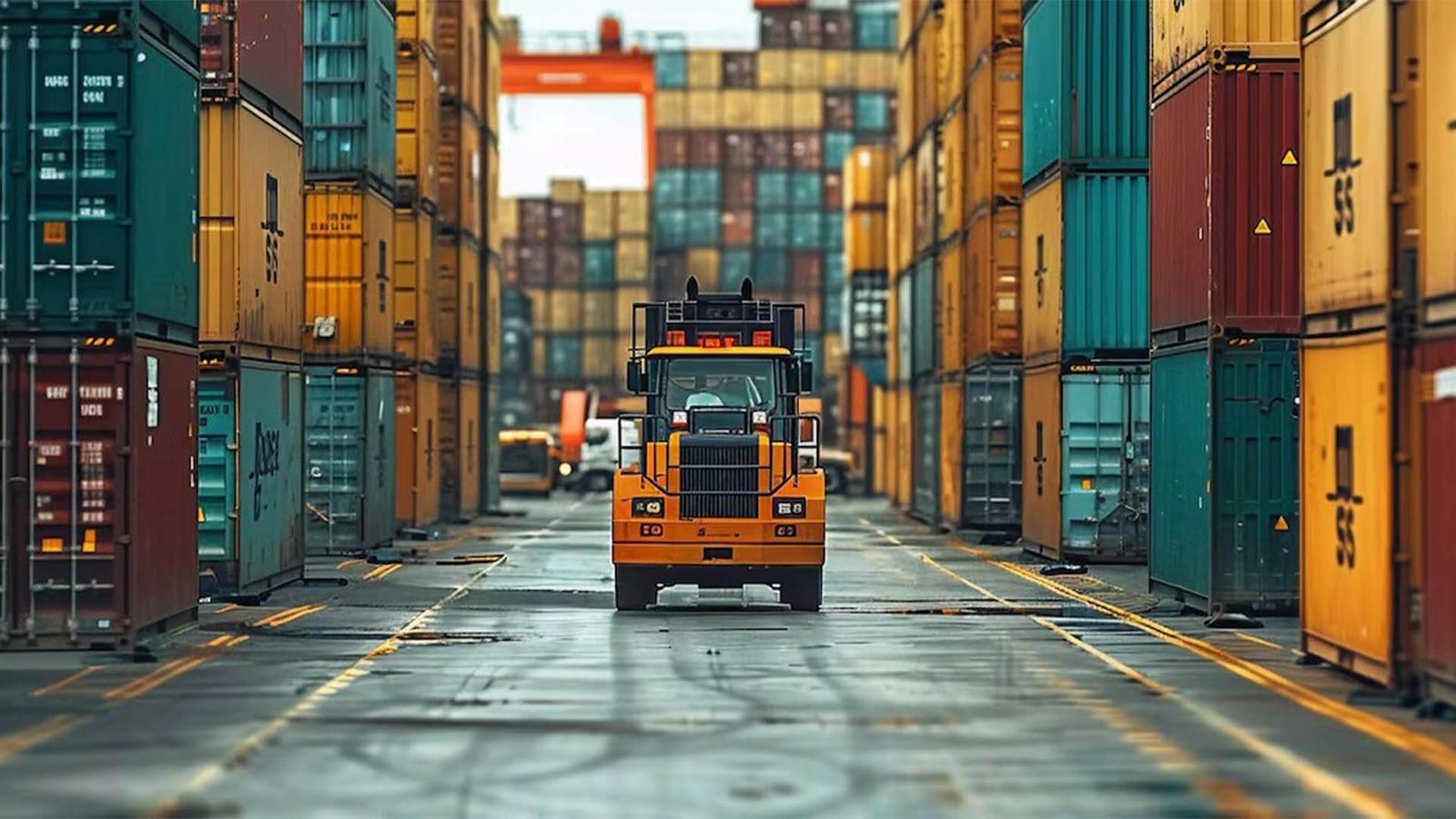
This is a decision I help importers with every single day. The choice between a 20-foot, 40-foot, and 40-foot High Cube (HC) container comes down to a balance of weight, volume, and cost. A 20ft container11 can handle a lot of weight—often as much as a 40ft—but has half the volume. This makes it perfect for dense, heavy items like machinery or stone tiles. You'll likely hit the weight limit before you run out of space. On the other hand, a 40ft container12 is the go-to for lighter, bulkier goods like furniture, apparel, or electronics. You can fit more products inside, lowering your per-item shipping cost. The 40ft High Cube gives you an extra foot of vertical space, which is a game-changer for tall or awkwardly shaped cargo. The price difference between a 40ft and a 40ft HC is often small, making the HC a great value if you can use the height.
| Container Type | Internal Volume (Approx.) | Max Payload (Approx.) | Best Use Case |
|---|---|---|---|
| 20ft Dry | 33 cubic meters (cbm) | 25,000 kg | Heavy, dense cargo (machinery, raw materials) |
| 40ft Dry | 67 cbm | 27,600 kg | Lighter, voluminous cargo (furniture, toys) |
| 40ft HC | 76 cbm | 28,600 kg | Tall or bulky cargo, maximizing pallet space |
When to Use Specialized Containers Like Reefer, Open Top, or Flat Rack for Your Cargo?
Is your cargo too big, too tall, or temperature-sensitive? Forcing it into a standard container is a recipe for disaster. You need a specialized solution but are unsure which one.
Use a refrigerated (reefer) container10 for perishable goods, an open-top container8 for cargo loaded by crane from above, and a flat rack5 for oversized or heavy items that won't fit in a standard box. These solve specific logistics challenges.
Stepping beyond standard containers opens up solutions for complex cargo. I only recommend these when absolutely necessary, as they come with higher costs and require more planning. A Refrigerated Container (Reefer) is essentially a giant, mobile refrigerator. It's used for shipping produce, pharmaceuticals, or anything that needs a constant, controlled temperature. They require a power source on the ship and at the port, which adds to the cost. An Open Top Container has a removable tarpaulin roof instead of a solid one. It's the right choice for tall machinery or bulk materials that are best loaded by a crane from above. A Flat Rack Container is even more specialized. It has no roof and no side walls—just a floor and end walls. We use these for "out-of-gauge" cargo, like vehicles, large pipes, or heavy equipment that is too wide or heavy for other containers. Booking these requires extra lead time and careful coordination for lashing and securing the cargo.
How Container Type Impacts Shipping Cost, Transit Risk, and Customs Clearance?
Did you know your container choice affects more than just freight rates? It influences transit risk13s and can even trigger a customs inspection, leading to delays and unexpected fees.
Your container type directly impacts shipping cost through surcharges, transit risk13 via handling needs, and customs clearance14 likelihood. Specialized containers often face more scrutiny from port authorities and customs, potentially causing delays if not properly documented.

This is where my experience as a customs broker becomes critical for importers. The connection between container type and your total landed cost is not always obvious. For cost, a specialized container like a reefer or flat rack5 always has a higher base freight rate. You'll also pay surcharges for things like electricity (for reefers) or special handling at the port. For risk, an open-top container8 exposes your cargo to weather if the tarp fails, and cargo on a flat rack5 is more susceptible to damage if not secured perfectly. From a customs clearance14 perspective, non-standard shipments can sometimes attract more attention. For instance, a U.S. Customs and Border Protection (CBP) officer might be more inclined to take a closer look at a flat rack5 with complex machinery than a sealed 40ft container12 of boxed toys. Proper documentation is even more critical with specialized containers to explain why the cargo is out-of-gauge and to ensure a smooth clearance process.
Choosing the Right Container Type Based on Cargo Weight, Dimensions, and Compliance Requirements?
Think you can just stuff your cargo into any container? Overloading a container or ignoring weight distribution can lead to fines, damaged goods, and even rejection at the port.
To choose the right container, you must analyze your cargo's total weight, dimensions, and any special requirements. Ensure the loaded weight is compliant with both maritime (VGM) and U.S. inland trucking regulations to avoid costly penalties and delays.
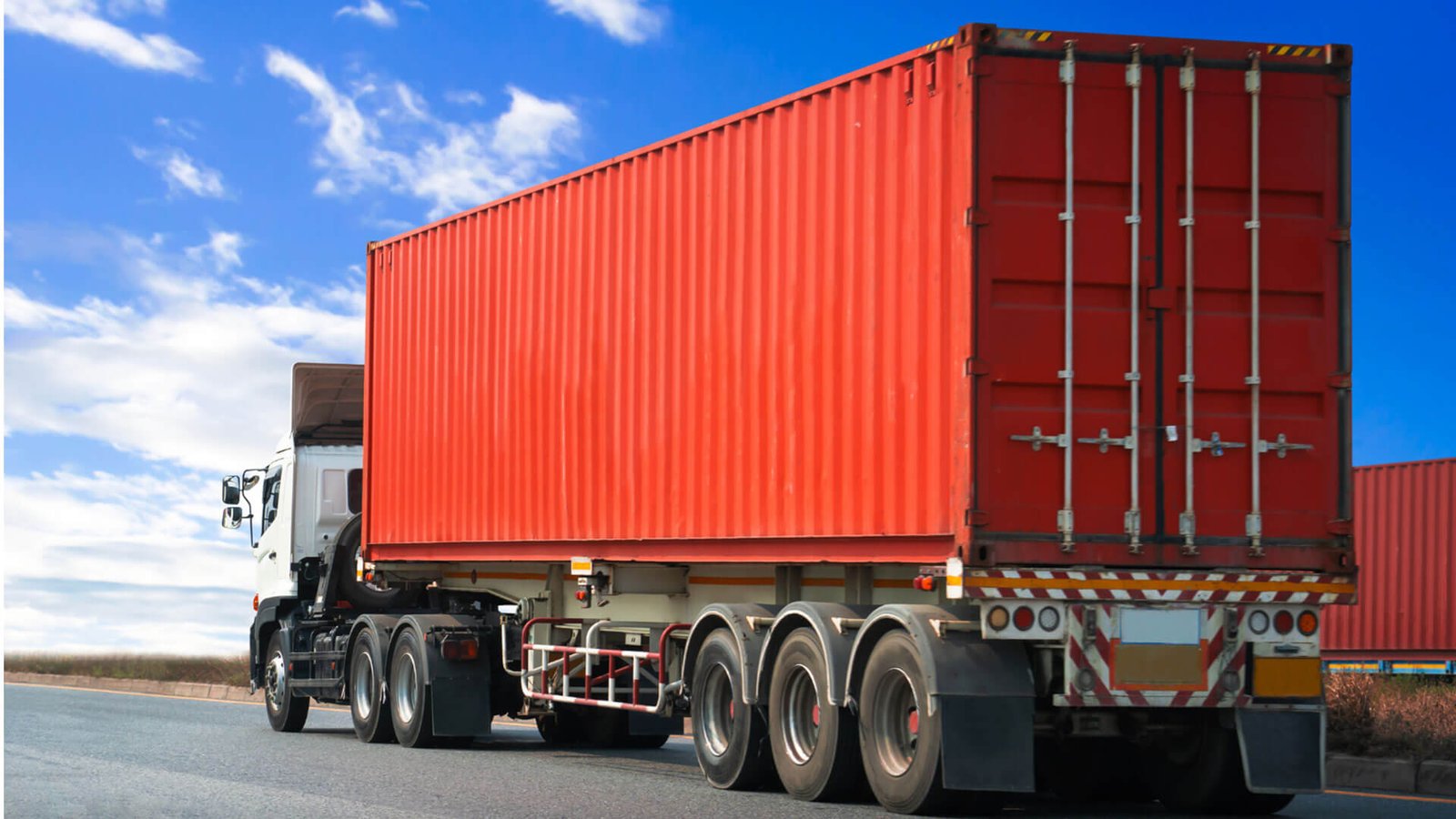
Making the right choice is a practical, step-by-step process. First, look at your cargo's dimensions and weight. Are you shipping a small amount of heavy material or a large volume of light goods? This is the primary factor driving the 20ft vs. 40ft decision. Second, consider load distribution. You can't just pile everything at one end. The weight must be spread evenly to ensure the container is stable and safe for transport. This is a legal requirement under the Safety of Life at Sea (SOLAS) convention, which mandates a Verified Gross Mass (VGM)15 certificate for every container. Third, and this is a step many importers miss, you must consider U.S. inland transport rules16. A container's payload might be legal for ocean transit but exceed the weight limits for U.S. highways. I once had a client who had to pay thousands to have his overweight container partially unloaded at the port before a trucker would agree to move it. Planning for this from the start avoids these expensive surprises.
How Freight and Customs Expertise Helps U.S. Importers Avoid Container Mismatch and Costly Delays?
Trying to manage all these container details yourself is risky. A small mistake in planning can create big problems with carriers, ports, and customs, erasing your profit margins.
Expert freight and customs partners17 help you select the right container from the start. They manage documentation, anticipate port restrictions, and navigate customs, preventing the mismatches that lead to delays, fines, and rework.
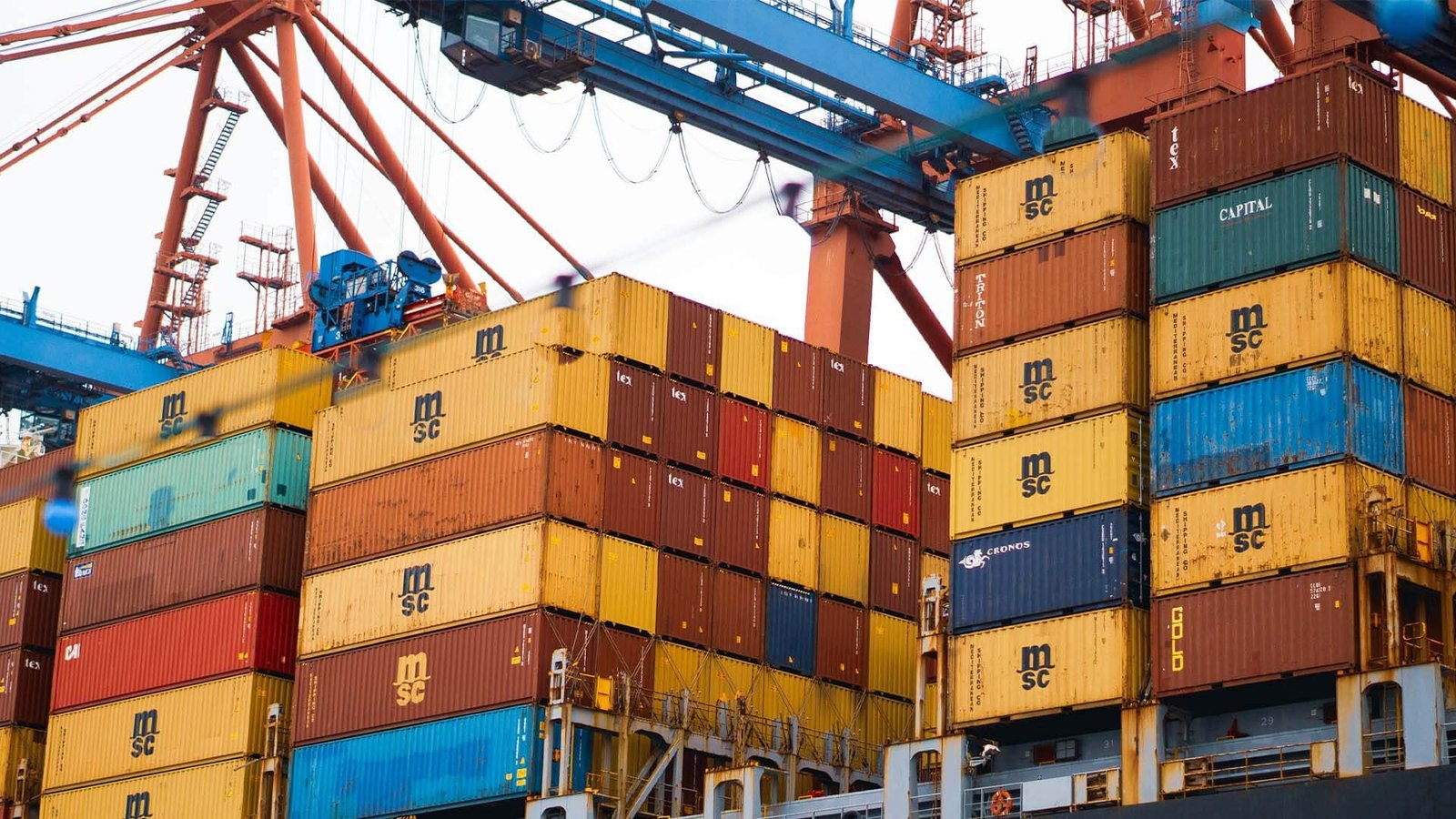
This is the core of what we do. My role isn't just to book space on a ship; it's to act as a strategic partner for my clients. A good logistics provider helps you avoid problems before they happen. For example, when a new client comes to me, we don't just talk about price. We talk about their product. Based on that, I can recommend the most cost-effective and safest container. I recently worked with an importer shipping oversized machine parts. They thought they needed a flat rack5, which is expensive. After reviewing the exact dimensions, we found that by partially disassembling one component, everything would fit perfectly into a 40ft High Cube. This single change saved them over $2,000 in freight and handling fees. This proactive planning18—from container selection to customs documentation—is what separates a simple transaction from a true logistics partnership. It's about protecting your business from unnecessary risks and costs.
Conclusion
Choosing the right container is a key decision that impacts your shipping costs, risks, and timeline. Planning ahead with expert guidance is the best way to succeed.
Understanding the consequences of choosing the wrong container can help you avoid unnecessary expenses and protect your cargo. ↩
Learn why standard dry containers are the default choice for most shipping needs and how they can benefit your logistics. ↩
Discover how high cube containers can accommodate taller cargo and optimize your shipping efficiency. ↩
Explore the scenarios where specialized containers like reefers are essential for maintaining cargo quality. ↩
Discover how flat rack containers accommodate oversized or heavy cargo that standard containers can't handle. ↩
Avoid common pitfalls in shipping by understanding how container choice affects customs and cargo handling. ↩
Learn how container selection impacts trucking costs and how to prevent surprise fees. ↩
Understand the benefits of open-top containers for loading tall or awkwardly shaped cargo. ↩
Find out how choosing the right container type can enhance the security of your shipment. ↩
Learn how reefer containers maintain temperature-sensitive cargo and prevent spoilage. ↩
Explore why 20ft containers are ideal for heavy, dense cargo and how they optimize shipping costs. ↩
Understand the advantages of using a 40ft container for lighter, bulkier goods to reduce per-item costs. ↩
Minimize shipping risks by selecting the right container to protect your cargo during transit. ↩
Prevent delays by understanding how different container types can influence customs inspections. ↩
Ensure compliance with international shipping regulations by understanding the role of VGM certificates. ↩
Avoid costly penalties by learning how U.S. transport regulations impact container weight limits. ↩
Benefit from expert guidance to prevent mismatches and costly delays in your shipping process. ↩
Discover how careful planning and container selection can lead to significant savings in shipping. ↩