Importing large, unpackaged goods seems complex and overwhelming. The wrong approach leads to massive costs and delays, hurting your bottom line. Understanding bulk cargo basics1 is the first step.
Bulk cargo refers to goods transported in large quantities without packaging, typically in liquid, dry, or gas form. It plays a vital role in global trade2, as it includes essential materials like crude oil3, grain, and coal that fuel industries and economies worldwide.

I've worked with many U.S. importers, like Mark, who initially find the world of bulk cargo confusing. It's very different from shipping standard containerized goods. But once you grasp the fundamentals, you can unlock significant cost savings and efficiency. To help you succeed, let's break down everything you need to know about bulk cargo, step by step. This knowledge is crucial whether you're sourcing raw materials from China or anywhere else in the world.
What Is Bulk Cargo and Why Is It Crucial for Global Trade?
You hear the term "bulk cargo," but do you grasp its huge impact? This knowledge gap can make you miss cost-saving opportunities and misunderstand a key part of the global economy.
Bulk cargo refers to goods transported in large quantities without packaging, typically in liquid, dry, or gas form. It plays a vital role in global trade2, as it includes essential materials like crude oil3, grain, coal, and chemicals that fuel industries and economies worldwide.
The Economic Engine of Bulk Cargo
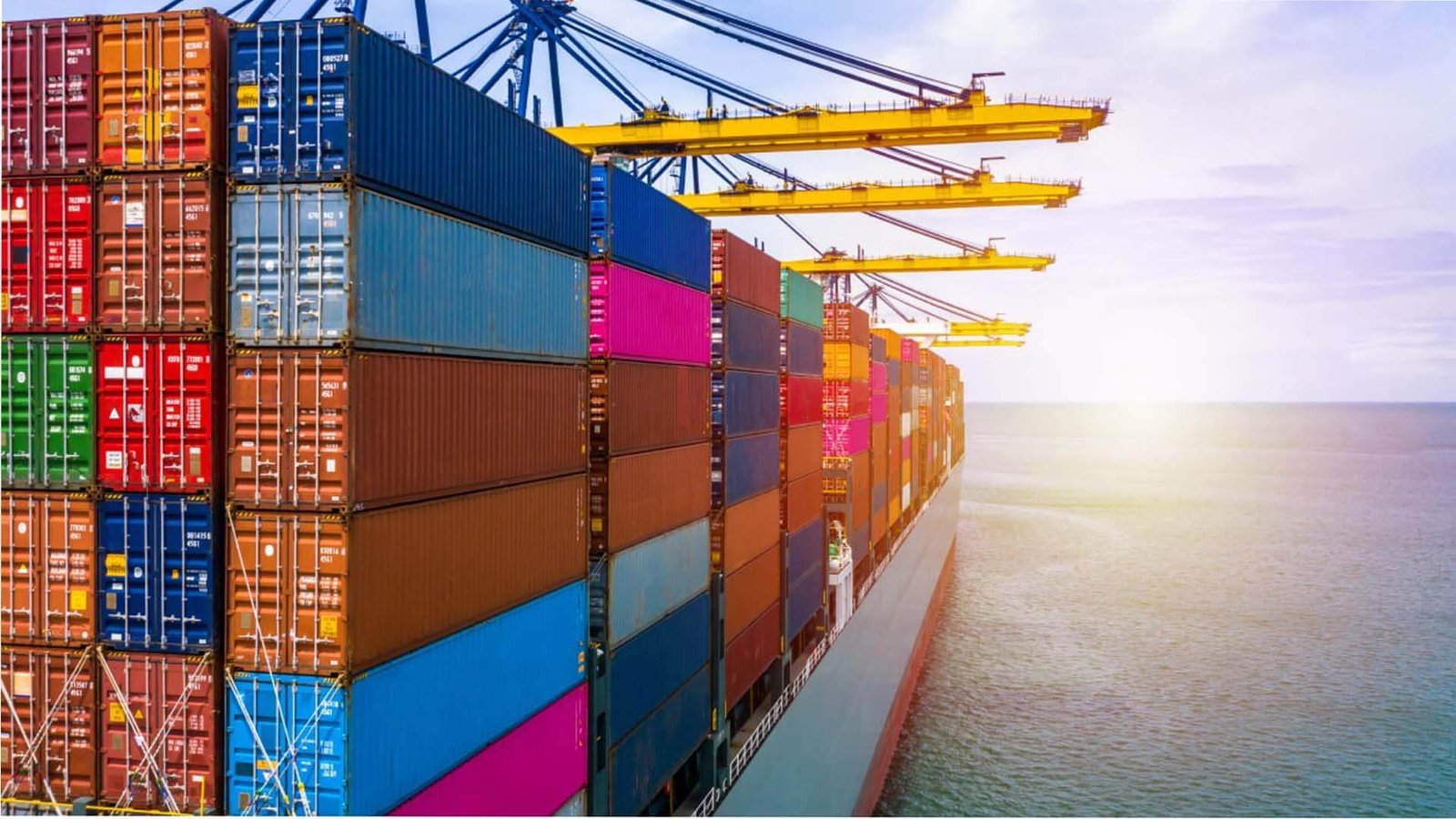
Bulk cargo is the lifeblood of the global industrial economy. Think about it: without massive, efficient shipments of raw materials, manufacturing would grind to a halt. The clothes we wear, the food we eat, and the energy that powers our homes often start their journey as bulk cargo. Its importance comes down to economies of scale4. Shipping millions of tons of iron ore loose in a ship's hold is far cheaper per unit than trying to package it. This efficiency keeps prices for finished goods down for everyone. As a logistics provider, I see this daily. When I help a U.S. client import raw materials from China, my job isn't just about booking a ship; it's about plugging them into this massive global supply chain. Ensuring their customs paperwork5 is perfect for these critical commodities is a huge part of my customs brokerage service, preventing costly delays at the port.
| Commodity Group | Examples | Economic Impact |
|---|---|---|
| Energy | Crude Oil, Coal, LNG | Powers industries and homes |
| Agriculture | Grains (Wheat, Corn), Soybeans | Feeds populations and livestock |
| Metals | Iron Ore, Bauxite | Raw materials for construction and manufacturing |
| Minerals | Salt, Potash, Phosphate Rock | Used in chemicals and fertilizers |
The Different Types of Bulk Cargo and Their Unique Shipping Requirements?
You might think all bulk cargo is handled the same way. But treating liquid oil like dry grain is a recipe for environmental disaster, product loss, and huge financial penalties.
There are three main types of bulk cargo: dry bulk, liquid bulk6, and gas bulk7. Each type requires specific transportation methods and handling equipment, ensuring safe and efficient delivery of materials like coal, oil, and liquefied natural gas (LNG).

A Closer Look at Bulk Categories
Understanding the distinctions between bulk cargo types is fundamental for any importer. Each category has its own set of rules, vessel types, and handling procedures. I always advise my clients to be crystal clear on their product's classification before we even start planning the shipment. This clarity prevents delays and ensures we use the right partners and equipment.
Dry Bulk
This is the most common type. It includes everything from grains and coal to sand and cement. These goods are loaded directly into the cargo holds of a bulk carrier. The main challenges are preventing moisture damage and contamination.
Liquid Bulk
This category includes any free-flowing liquid, from crude oil3 and petroleum products to food-grade oils and juices. These are transported in specialized vessels called tankers, which have multiple tanks to carry different grades or types of liquid without mixing them.
Gas Bulk
Transporting gas involves converting it to a liquid state through high pressure or low temperatures. Liquefied Natural Gas (LNG) and Liquefied Petroleum Gas (LPG) are common examples. This is the most technically demanding type of bulk shipping, requiring highly specialized vessels and port facilities.
| Cargo Type | Examples | Key Shipping Requirement |
|---|---|---|
| Dry Bulk | Coal, Grains, Iron Ore, Cement | Dry, secure holds; protection from moisture |
| Liquid Bulk | Crude Oil, Chemicals, Palm Oil | Specialized tankers with segregated tanks |
| Gas Bulk | LNG, LPG | Pressurized or refrigerated vessel tanks |
How Is Bulk Cargo Transported: Methods and Best Practices for Efficiency?
Moving millions of tons of loose material across an ocean seems almost impossible. Choosing the wrong transport method leads to inefficiency, product loss, and skyrocketing freight costs for your business.
Bulk cargo is typically transported via specialized vessels such as bulk carriers8, tankers, and container ships. Efficient handling practices, including proper loading and storage techniques, help minimize delays and reduce costs for both ocean freight and inland transportation.
Mastering the Movement of Bulk
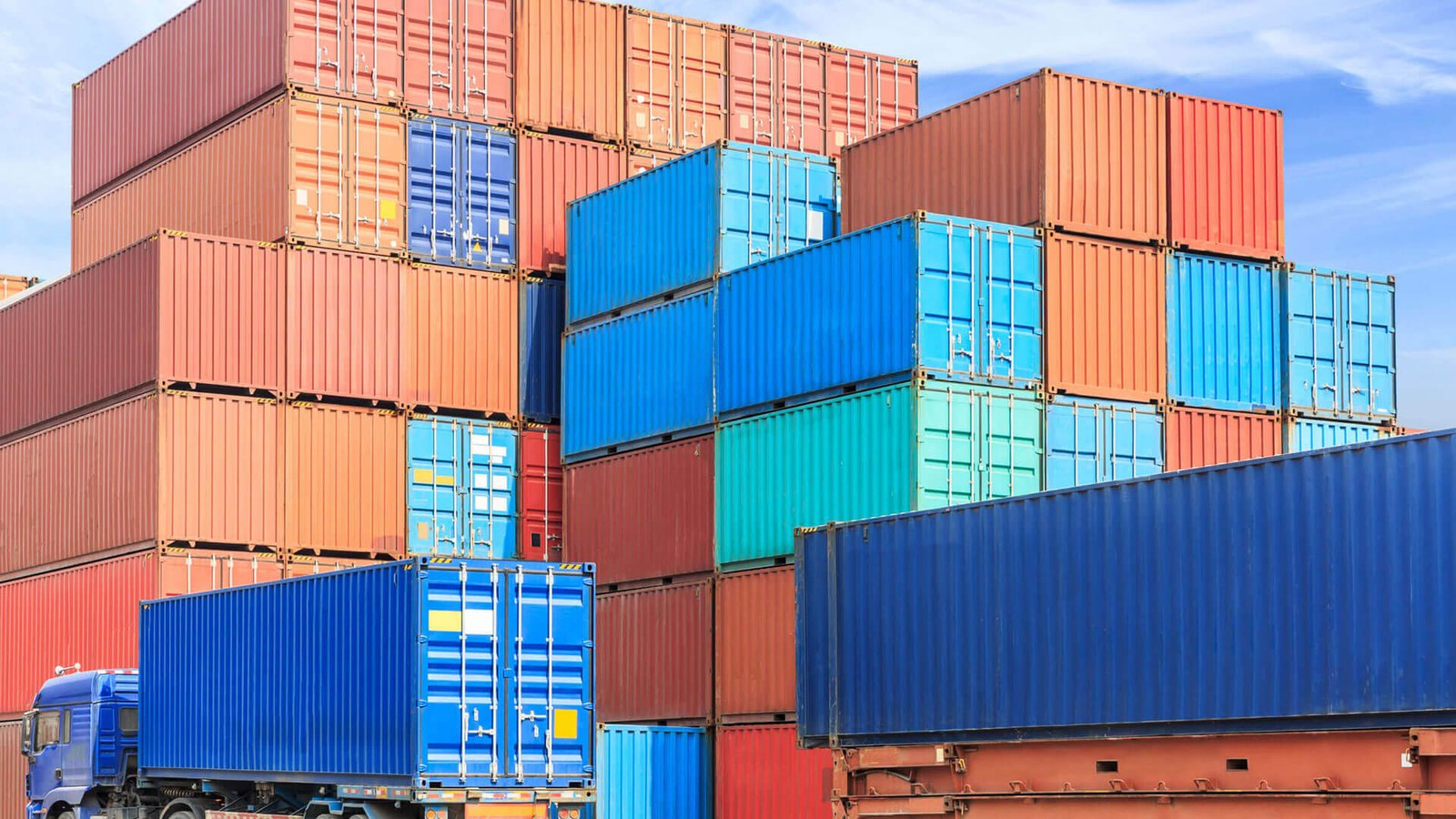
The key to transporting bulk cargo is specialization. You can't just throw iron ore into a standard shipping container. The industry has developed incredible ships and methods to move these goods safely and efficiently. As someone who arranges ocean freight from China to the USA, a huge part of my job is matching the client's cargo to the right vessel and route.
Specialized Vessels for Bulk Transport
The workhorse of the industry is the bulk carrier, or "bulker." These ships have massive, open holds designed for dry bulk. For liquids, we use tankers. And for gases, highly specialized gas carriers are required. The size of these ships is staggering, with some capable of carrying hundreds of thousands of tons in a single voyage. This scale is what makes bulk shipping so cost-effective.
Best Practices for Efficient Transport
Efficiency is everything. It starts with proper stowage planning to ensure the ship's stability and maximize cargo load. Fast, efficient loading and unloading at the port are also critical to minimize time and avoid expensive demurrage fees. This requires tight coordination between the ship, the port terminal, and my team on the ground. For my DDP (Delivered Duty Paid) clients, I manage this entire process, ensuring a smooth transition from the port to their final destination in the US.
What Are the Key Differences Between Bulk Cargo and General Cargo in Shipping?
You might think "cargo is cargo," right? But confusing bulk with general cargo9 can lead to incorrect freight quotes, booking the wrong vessel, and creating major headaches during US customs clearance.
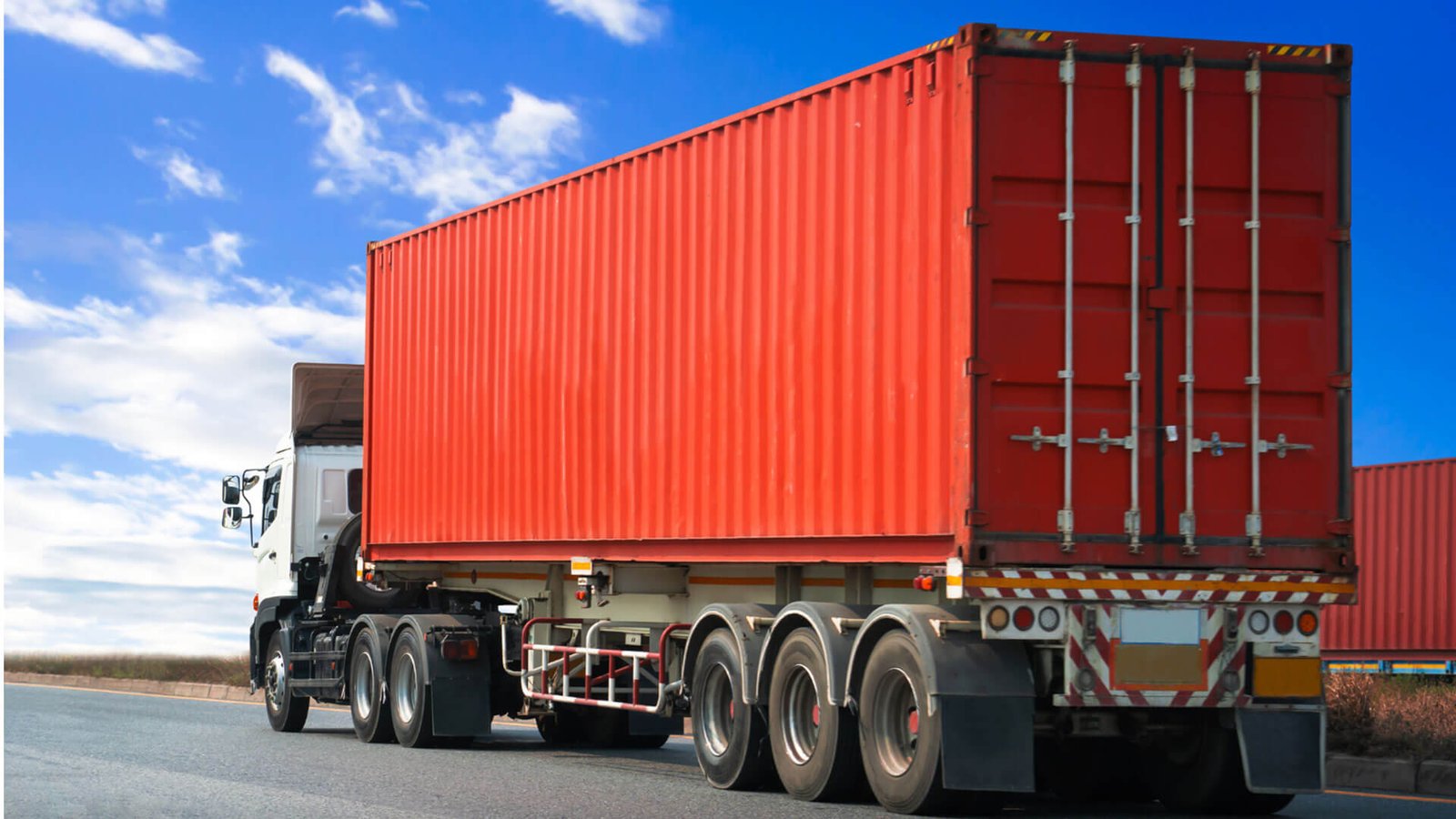
The primary difference is that bulk cargo is unboxed and shipped in large quantities, while general cargo9 includes packaged goods transported individually. Bulk cargo requires specialized equipment and vessels, while general cargo9 often uses standard shipping containers.
A Tale of Two Cargo Types
I once had a client, let's call him Mark, who was new to importing. He was sourcing a large quantity of a specific mineral powder from China. He initially thought he could ship it like his other palletized goods. I had to explain that because it was a loose, unpackaged product in a large quantity, it was classified as bulk cargo. This changed everything, from the type of vessel needed to the way we would handle it at the port and declare it to customs. Understanding this difference saved him from making a very costly mistake.
Defining Characteristics
The core distinction is packaging. General cargo (or breakbulk) consists of individual items that are counted, like boxes on a pallet or vehicles. Bulk cargo is a uniform substance that is measured by weight or volume, not by the piece. This fundamental difference dictates the entire logistics process.
| Feature | Bulk Cargo | General Cargo |
|---|---|---|
| Form | Loose, unpackaged (liquid, dry, gas) | Individual units, packaged (boxes, crates, barrels) |
| Loading | Poured, pumped, or conveyed | Lifted on/off (cranes, forklifts) |
| Measurement | By weight (tons) or volume (liters) | By unit count (pallets, pieces) |
| Vessel Type | Bulk carriers, tankers | Container ships, Ro-Ro ships, general cargo9 ships |
| Handling | Specialized equipment (grabs, pumps) | Standard equipment (forklifts, cranes) |
Understanding Bulk Cargo Handling Equipment and Its Role in Logistics?
The cargo has reached the port, but how does it get off the ship and onto a truck? Inefficient handling means delays, demurrage charges, and potential product contamination or loss at the port.
Bulk cargo handling equipment includes cranes, conveyors, and pneumatic systems10 designed to efficiently load, unload, and transport bulk goods. This equipment ensures safe and timely movement of materials, reducing damage and improving overall logistics efficiency.

The Tools of the Trade
The transition from sea to land is a critical moment in the logistics chain. For bulk cargo, this requires powerful, specialized machinery. Using the wrong equipment can damage the product or, worse, create a safety hazard. Part of a reliable logistics service is ensuring the destination port has the right tools for the job and that they are scheduled for your vessel's arrival. This coordination is key to avoiding bottlenecks.
Loading and Unloading Equipment
At the port, massive gantry cranes11 with clamshell grabs scoop dry bulk out of a ship's hold. For liquids and gases, a complex system of pipes and pumps connects the ship directly to storage tanks on shore. Pneumatic systems can also be used, which act like giant vacuums to suck grains or powders out of a hold.
Transfer and Storage Equipment
Once unloaded, the cargo needs to move. Long conveyor belt systems12 carry dry bulk from the quayside to storage silos or open stockpiles. Hoppers are used to funnel the material into trucks or rail cars for inland transport. The efficiency of this transfer process is vital. As a customs broker and freight forwarder, I work closely with port operators to ensure this stage is seamless for my clients, so their cargo keeps moving without delay.
Conclusion
Understanding bulk cargo types, transport, and handling is key to efficient shipping. With the right logistics partner, you can navigate these complexities and ensure your goods arrive safely and on time.
Understanding the basics of bulk cargo is essential for efficient shipping and cost savings. ↩
Explore how bulk cargo fuels industries and economies worldwide, making it crucial for global trade. ↩
Learn about the significance of crude oil in bulk cargo and its role in powering industries. ↩
Discover how economies of scale make bulk shipping cost-effective and keep prices down. ↩
Proper customs paperwork prevents costly delays and ensures smooth import processes. ↩
Learn about the specialized vessels and methods used for transporting liquid bulk cargo. ↩
Explore the technical demands and specialized equipment needed for gas bulk shipping. ↩
Discover the importance of bulk carriers in transporting large quantities of goods efficiently. ↩
Understand the key differences to avoid costly mistakes in shipping and customs clearance. ↩
Understand the use of pneumatic systems in efficiently unloading grains and powders. ↩
Learn about the role of gantry cranes in unloading bulk cargo efficiently at ports. ↩
Discover how conveyor belts facilitate the movement of bulk cargo from port to storage. ↩