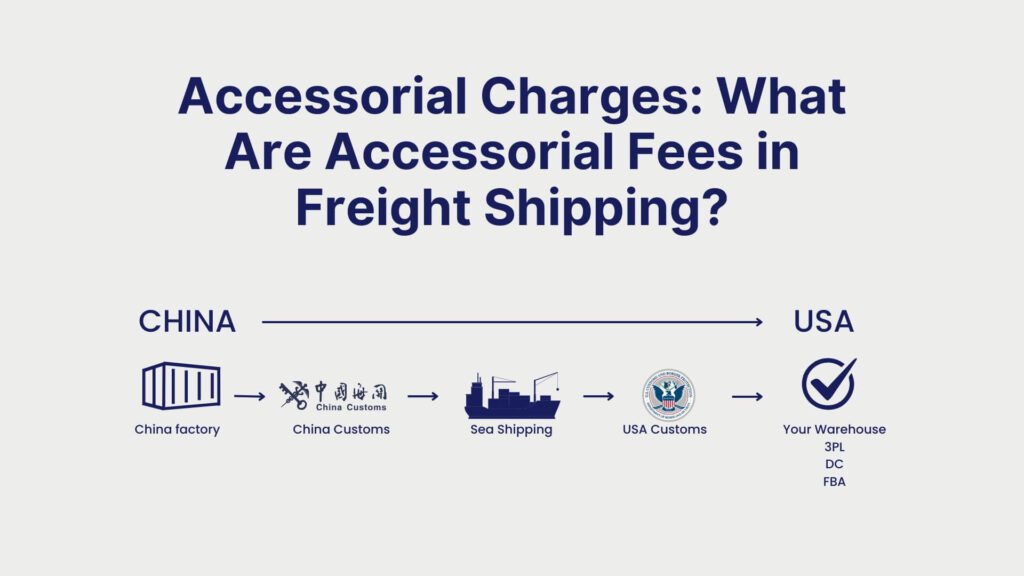
Tired of freight quotes that don't match your final bill? These surprise costs, called accessorial charges1, can ruin your budget. It's a common problem for many importers I work with.
Accessorial charges are additional freight fees applied when shipments require services beyond standard pickup and delivery. For U.S. importers, these charges directly affect total landed cost2 and often arise from operational issues3 such as delays, incomplete documentation, limited access4 locations, or unexpected handling requirements.
I've seen many importers, like my client Mark, get frustrated by these unexpected fees. They think they've secured a great shipping rate, only to see it inflate with extra charges they never saw coming. This makes it impossible to calculate the true cost of their products. But you don't have to be in the dark. Understanding these fees is the first step to controlling them. In this post, I'll break down exactly what these charges are, why they happen, and how you can avoid them.
What Are Accessorial Charges in Freight Shipping and Why Do They Matter to U.S. Importers?
Your freight budget is carefully planned. Then, the final invoice arrives with extra fees you didn't approve. This throws your entire landed cost calculation off, eating directly into your profits.
Accessorial charges are additional freight fees applied when shipments require services beyond standard pickup and delivery. For U.S. importers, these charges directly affect total landed cost2 and often arise from operational issues3 such as delays, incomplete documentation, limited access4 locations, or unexpected handling requirements.
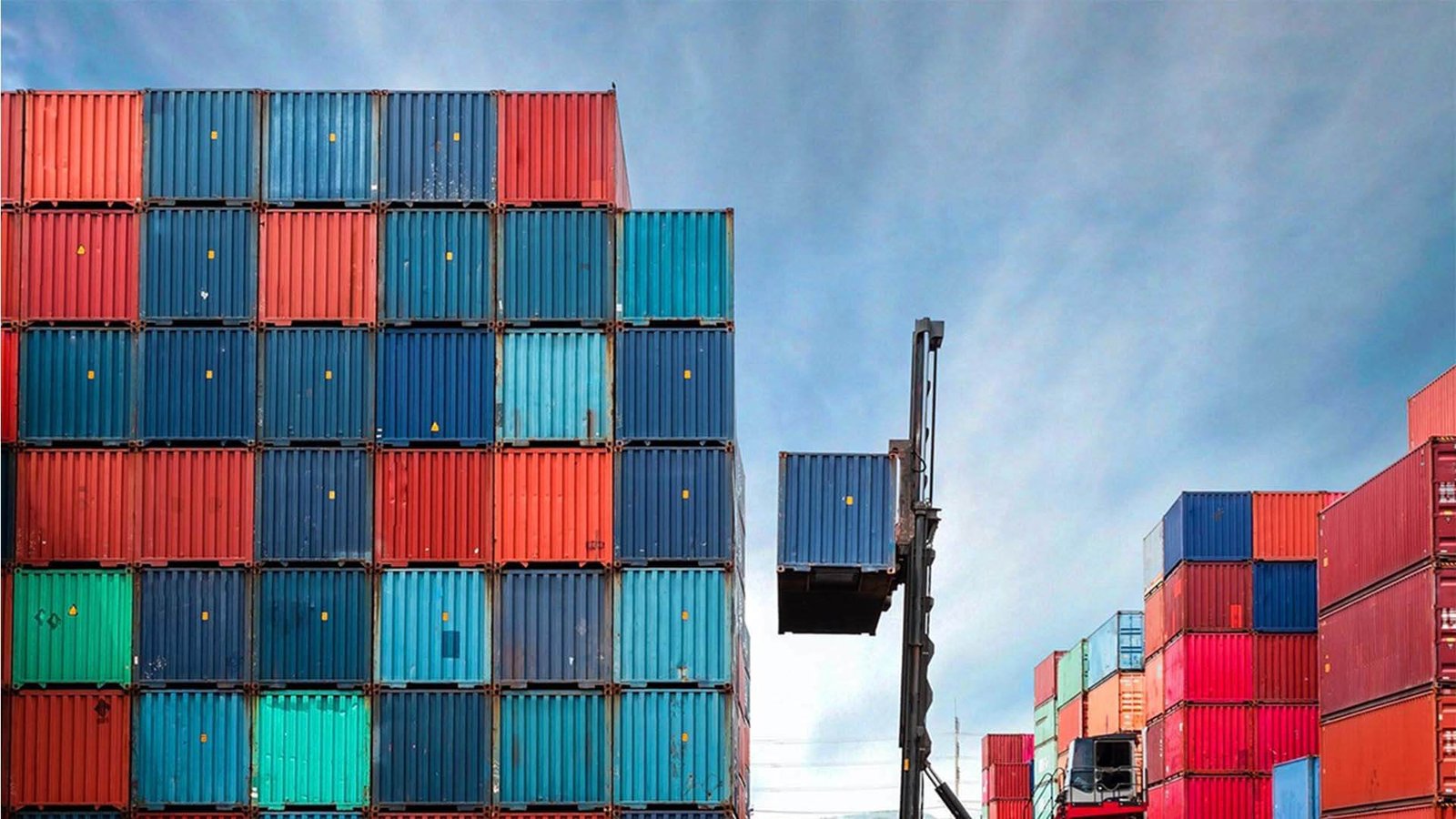
When I first started helping U.S. importers, I noticed a common pattern. They would focus only on the base freight rate from China to the USA. They didn't realize that the journey from the port to their warehouse is filled with potential extra costs. These fees aren't just minor additions; they can add up quickly.
Why These Fees Impact Your Bottom Line
Accessorial charges directly increase your total landed cost2. This is the complete price of getting your product from the factory to your door. If you don't account for these potential fees, your profit margin on each item shrinks.
The Importance of Visibility
The biggest problem isn't the cost itself, but the lack of warning. A reliable logistics partner5 should help you anticipate these charges. When you know what could trigger a fee, you can take steps to prevent it. This visibility is crucial for accurate financial planning6 and avoiding costly surprises.
What Are The Most Common Freight Accessorial Fees That Increase Total Landed Cost?
You expect a simple delivery, but your shipment needs special handling. Suddenly, your carrier adds fees for a liftgate or a residential address, increasing your costs without warning.
The most common freight accessorial charges1 include detention7, demurrage8, liftgate service9, residential delivery, appointment scheduling, chassis usage10, and re-delivery fees. These costs frequently appear in trucking, drayage, and LTL shipments and can significantly increase total landed cost2 when not anticipated during freight planning.

I always tell my clients that knowing the names of these fees is like knowing the playbook of your opponent. When you can identify them, you can build a defense against them. These charges pop up in almost every shipping mode, from full containers to Less-than-Truckload (LTL) shipments. They are not designed to be punitive, but they compensate the carrier for extra work, delays, or equipment use. The key is that many of them are avoidable. For example, simply confirming if the delivery location has a loading dock can prevent a liftgate fee. Below is a table I've put together to help you recognize the most frequent charges my clients encounter. Understanding these is the first step toward better controlling your freight spend.
| Accessorial Charge | Freight Mode | Typical Trigger | Prevention Strategy |
|---|---|---|---|
| Detention | Drayage / Trucking | Loading or unloading delays | Coordinate appointments in advance |
| Demurrage | Ocean / Port | Container sits at port too long | Ensure faster customs clearance11 |
| Chassis Usage | Drayage | Shortage of chassis equipment | Pre-book chassis with your carrier |
| Liftgate Service | LTL / Trucking | Delivery location has no dock | Validate delivery site capabilities |
| Limited Access | LTL / Trucking | Delivery to restricted locations | Provide accurate address data |
| Re-delivery | All Modes | Missed delivery appointment | Confirm delivery windows with receiver |
| Storage | Port / Warehouse | Delays in customs clearance11 | Have all documents ready upfront |
| Re-classification | LTL | Incorrect NMFC provided | Use correct freight class from start |
Where Do Hidden and Unexpected Accessorial Charges Hit Importers After the Quote?
You received a competitive freight quote and planned your budget around it. But the final invoice is much higher. Hidden fees, added after the fact, have completely derailed your financial planning6.
Hidden accessorial charges1 usually occur after a freight quote when shipment conditions differ from the original booking details. U.S. importers are often surprised by fees tied to port congestion, missed appointments, customs holds, inaccurate cargo data, or delivery site constraints that were not disclosed upfront.
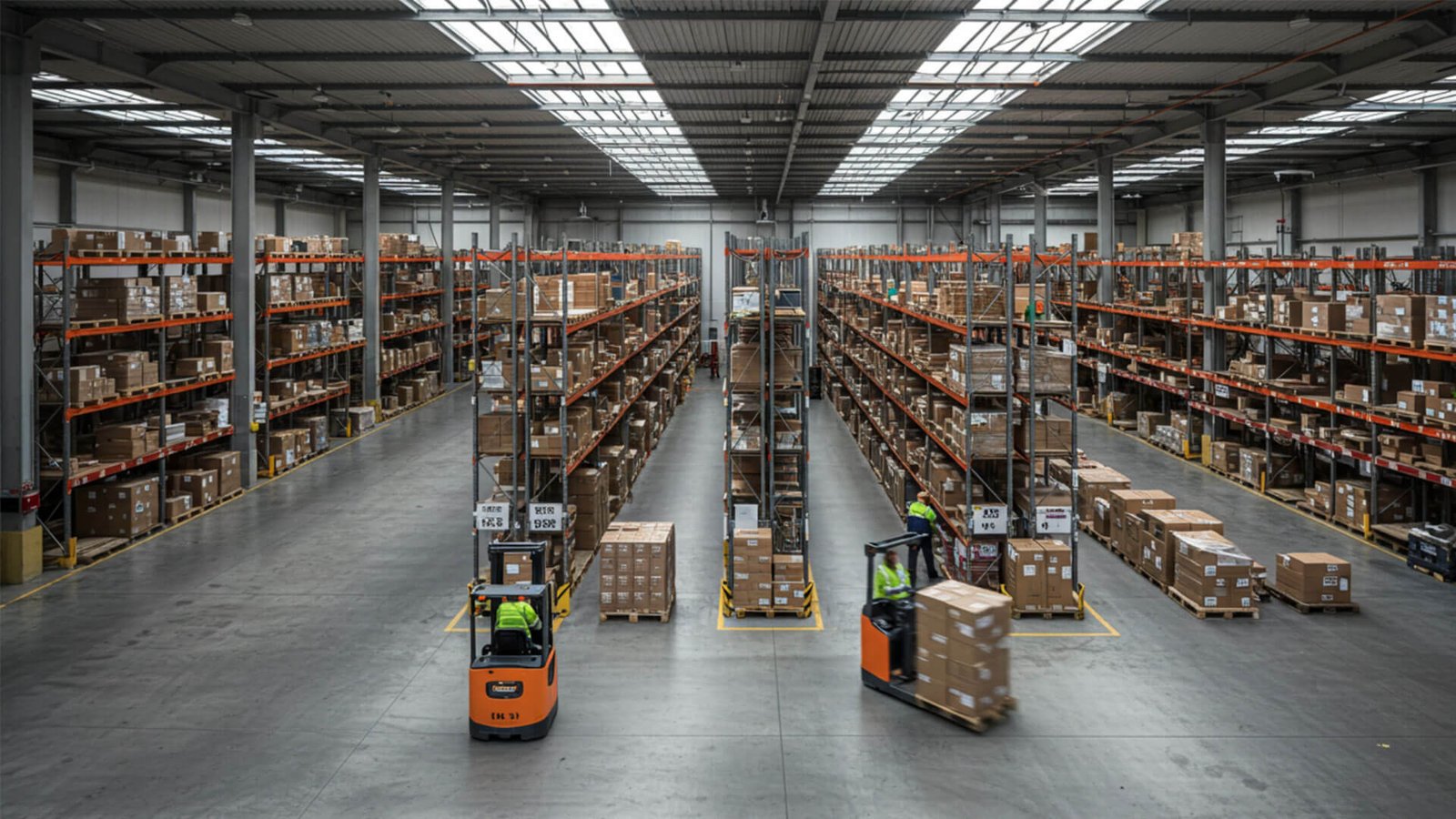
The term "hidden fees12" is frustrating because they often feel like a bait-and-switch. In my experience, these charges aren't usually hidden on purpose. They appear because something changed between the time of the quote and the time of delivery. A client of mine, Mark, once had this exact problem. His supplier in China gave him slightly incorrect weight and dimensions for his cargo. The initial quote was based on that data. When the carrier re-weighed the freight, it triggered a re-classification13 fee and an overweight fee. The quote was no longer valid.
Where Surprises Come From
- Inaccurate Data: This is the biggest cause. If the weight, dimensions, or freight class you provide are wrong, the carrier will correct it and charge you a fee.
- Location Issues: Is the delivery address a school, church, or construction site? These are considered "limited access4" locations and cost more. Not mentioning this upfront leads to a surprise fee.
- Timing Problems: If your container isn't picked up from the port on time, demurrage8 and storage fees begin. If the truck is delayed at your warehouse, detention7 fees are charged.
These "hidden" fees are almost always tied to operational details that weren't communicated properly.
How Are Accessorial Charges Triggered Across Trucking, Drayage, LTL, and International Freight?
You ship goods using different methods, but the extra fees are always confusing. A fee for a truck shipment is different from a fee for an ocean container, making them hard to predict.
Accessorial charges are triggered differently across freight mode14s, with detention7 and demurrage8 common in drayage, reclassification and limited access4 fees common in LTL, and storage or documentation charges affecting international freight. Most fees result from timing delays, handling exceptions, or compliance gaps during transit.
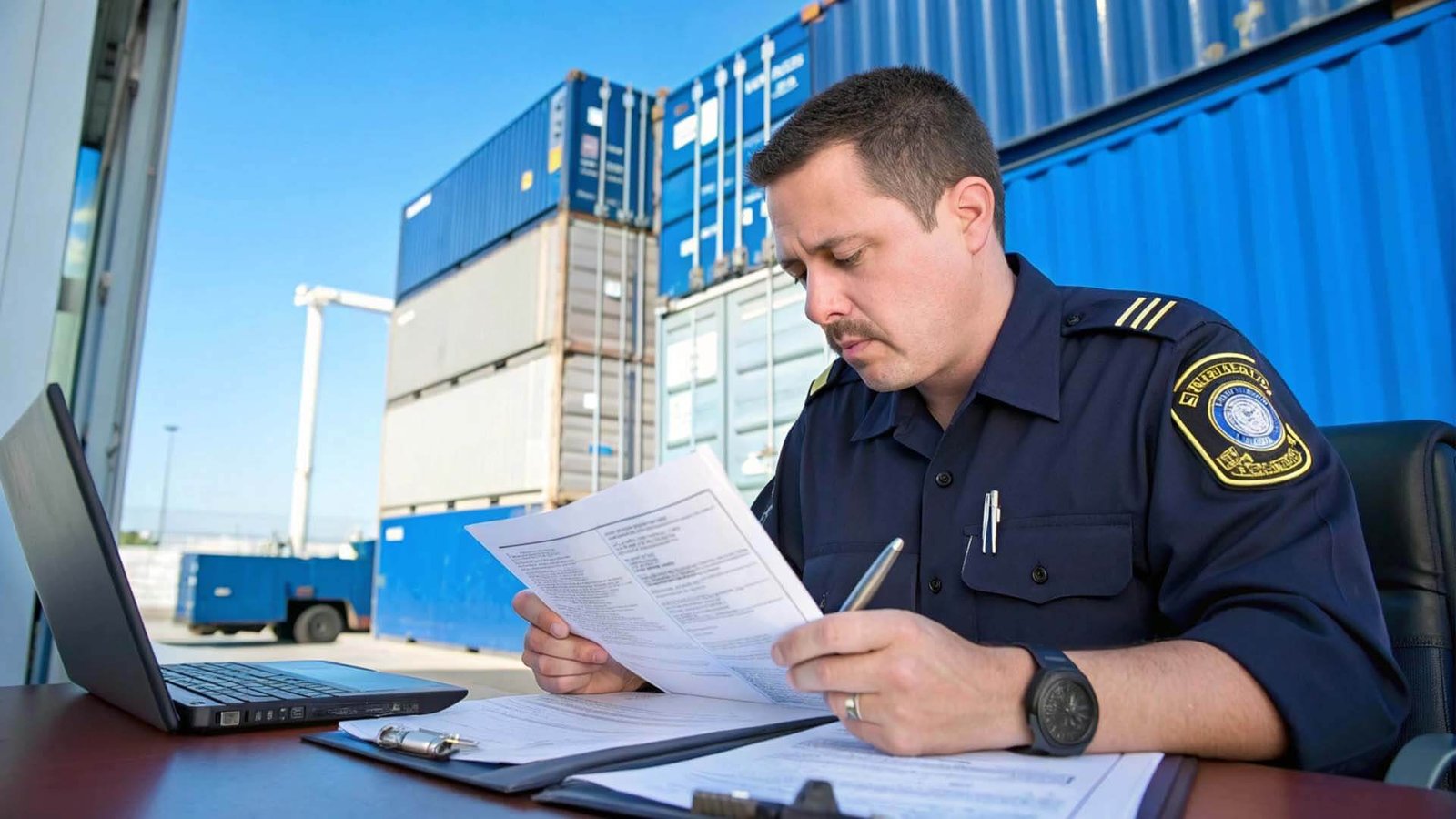
Understanding how fees are triggered requires looking at each part of the shipping journey. Each mode has its own unique challenges and associated costs. I help my clients map this out so they can see where the risks are.
Drayage and Trucking Triggers
In trucking, and especially in drayage (the short-haul from the port), time is money. The most common triggers are detention7 and demurrage8.
- Detention: The driver is waiting too long at your warehouse to be loaded or unloaded. They usually give you two free hours, then the clock starts ticking.
- Demurrage: Your container is sitting at the port or rail terminal for too long after it has arrived. You have a few free days, but then the fees become very expensive.
- Chassis Fee: The driver needs a chassis (the trailer frame) to move your container. If there's a shortage, or if you use it for too long, you'll be charged for it.
LTL Triggers
Less-than-Truckload (LTL) shipping has its own set of triggers, often related to the shipment's characteristics and delivery location.
- Re-classification/Re-weigh: If your pallet's freight class or weight is wrong, the carrier will fix it and bill you.
- Liftgate Service: The delivery address has no loading dock, so the truck needs a liftgate to lower the freight to the ground.
- Limited Access: Delivering to places like residences, schools, or military bases always costs extra.
By knowing the specific triggers for each mode, you can be proactive and avoid these charges.
How Do DAP vs DDP and Incoterms15 Shift Responsibility for Accessorial Fees to the Importer?
You chose DAP shipping to save money on your quote from China. But now you are getting bills for storage, customs exams, and other fees you thought your supplier was covering.
Under Incoterms15, responsibility for accessorial charges1 depends on whether shipments move under DAP or DDP terms. While DDP shifts most costs to the seller, DAP often leaves U.S. importers responsible for destination accessorial fees, customs-related charges, and last-mile delivery costs after arrival.

Incoterms15 are the rules of international trade, and they define who pays for what. This is one of the most critical, yet misunderstood, areas for U.S. importers. Many suppliers will offer a low price based on DAP (Delivered at Place)16 terms. This sounds good, but it can be a trap.
The DAP (Delivered at Place)16 Trap
Under DAP, the seller is responsible for shipping the goods to your named destination port or terminal in the U.S. However, their responsibility ends there. This means you, the importer, are responsible for:
- All costs related to U.S. customs clearance11.
- Any customs exams, holds, or inspections.
- Port storage or demurrage8 fees if there are customs delays.
- All last-mile trucking and any accessorials like liftgates or detention7.
I've seen importers get hit with thousands of dollars in unexpected demurrage8 and exam fees because they chose DAP without understanding the risks.
The DDP (Delivered Duty Paid)17 Advantage
With DDP (Delivered Duty Paid)17, the seller is responsible for almost everything, including customs clearance11, duties, and final delivery to your door. This includes covering most potential accessorial charges1 along the way. While the initial DDP quote might look higher than a DAP quote, it provides cost certainty and protects you from many of the surprise fees that occur at the destination. It's the reason our business focuses on providing clear DDP services.
How Can U.S. Importers Reduce, Control, and Prevent Accessorial Charges Through Better Logistics Planning?
You feel powerless against surprise shipping fees. It seems like no matter what you do, your freight invoices are always higher than your quotes, hurting your business's profitability.
U.S. importers can reduce accessorial charges1 by improving shipment data accuracy18, aligning Incoterms15 with cost responsibility, preparing delivery locations, coordinating customs clearance11 in advance, and using end-to-end logistics management19 to control handoffs, timing, and documentation throughout the shipping process.
You absolutely can control these costs. It's not about luck; it's about having a solid plan and the right partner. I've built my entire service around helping importers like you take back control. It comes down to being proactive instead of reactive. Don't wait for the surprise bill. Instead, work with a partner who helps you prevent the fee in the first place.
Your Action Plan for Cost Control
- Verify All Data: Before you even book a shipment, double-check the cargo weight, dimensions, and product descriptions with your supplier. Accurate data is your first line of defense.
- Choose the Right Incoterm: For most importers who want cost certainty, DDP is the safer choice. If you must use DAP, make sure you have a reliable customs broker and drayage partner ready in the U.S.
- Prepare Your Destination: Know your warehouse. Does it have a dock? What are the receiving hours? Share this information with your logistics provider upfront to avoid re-delivery or liftgate fees.
- Partner for End-to-End Management: The best way to prevent fees is to have one team managing the entire process. When your customs broker, drayage company, and freight forwarder are all coordinated, there are fewer gaps where delays and fees can happen. This is the core of what we do.
Conclusion
Accessorial charges don't have to be a surprise. With careful planning, accurate data, and a reliable logistics partner5, you can control these costs and protect your profit margins.
Understanding accessorial charges is crucial for importers to manage unexpected costs and protect profit margins. ↩
Learn how accessorial charges can inflate your total landed cost, impacting your overall budget and profitability. ↩
Discover the common operational issues that trigger accessorial charges, so you can anticipate and prevent them. ↩
Limited access fees can be avoided by knowing delivery site constraints and planning accordingly. ↩
A reliable logistics partner can help anticipate and prevent accessorial charges, saving you money. ↩
Incorporating accessorial charges into financial planning helps in budgeting and maintaining profit margins. ↩
Detention fees can significantly increase costs. Understanding them helps in planning and avoiding unnecessary charges. ↩
Demurrage fees can be costly. Learn how they occur and strategies to avoid them to save on shipping expenses. ↩
Knowing when liftgate service is needed can help you avoid unexpected fees and ensure smooth delivery. ↩
Chassis usage fees can add up. Learn how to manage them to keep shipping costs under control. ↩
Efficient customs clearance can prevent costly delays and fees, ensuring timely delivery of goods. ↩
Hidden fees can derail your budget. Learn how to identify and prevent them for better financial planning. ↩
Avoid re-classification fees by providing accurate shipment data and understanding freight classes. ↩
Different freight modes have unique fee triggers. Understanding them helps in planning and cost management. ↩
Incoterms define cost responsibilities. Understanding them helps in choosing the right terms for your needs. ↩
Understand the potential pitfalls of DAP terms to avoid unexpected costs and ensure smooth shipping. ↩
DDP terms can offer cost certainty. Learn how they protect you from surprise fees and simplify logistics. ↩
Accurate shipment data prevents unexpected fees and ensures smooth logistics operations. ↩
End-to-end logistics management minimizes gaps and delays, reducing the risk of accessorial charges. ↩