Confused by CPT? You might think the seller covers all costs, but hidden risks can lead to unexpected bills. Let’s break down what CPT truly means for you.
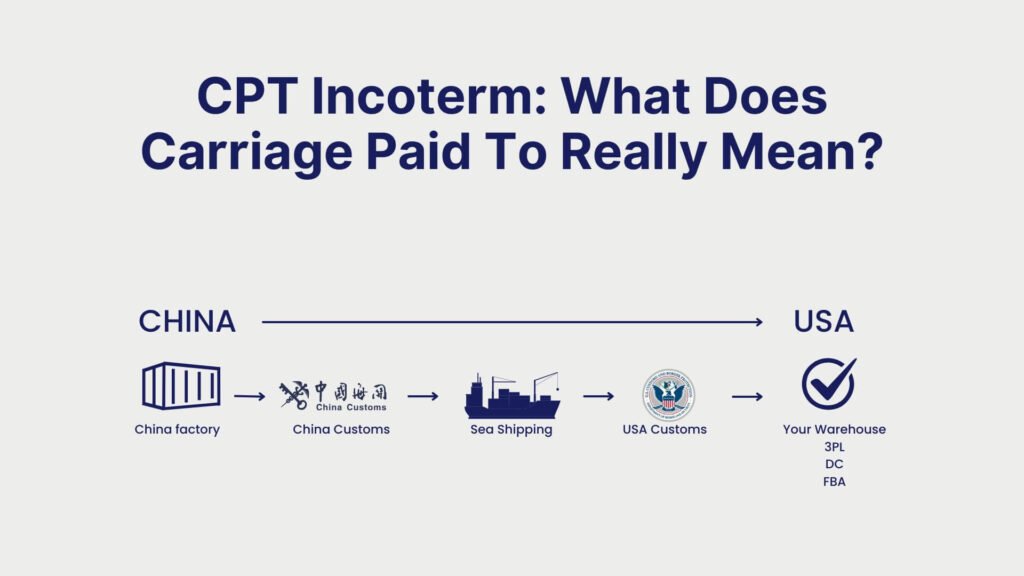
CPT (Carriage Paid To)1 means the seller pays for transportation to the named destination2, but risk transfers to the buyer3 once the goods are handed to the first carrier4. For U.S. importers5, this creates a split between who pays freight and who bears loss, delay, or damage risk.

I've seen many importers, like my client Mark, get tripped up by the details of Incoterms. They seem simple on the surface, but the reality is often more complex. Understanding the fine print is key to avoiding costly surprises. Let's dive deeper into how CPT works and what it means for your bottom line.
What CPT Incoterm (Carriage Paid To) Really Means for Cost, Risk, and Control in U.S. Imports?
You think CPT is easy because the seller pays freight. But risk transfers to you early, leaving you exposed. I'll explain how this split impacts your costs and control.
CPT (Carriage Paid To)1 means the seller pays for transportation to the named destination2, but risk transfers to the buyer3 once the goods are handed to the first carrier4. For U.S. importers5, this creates a split between who pays freight and who bears loss, delay, or damage risk.
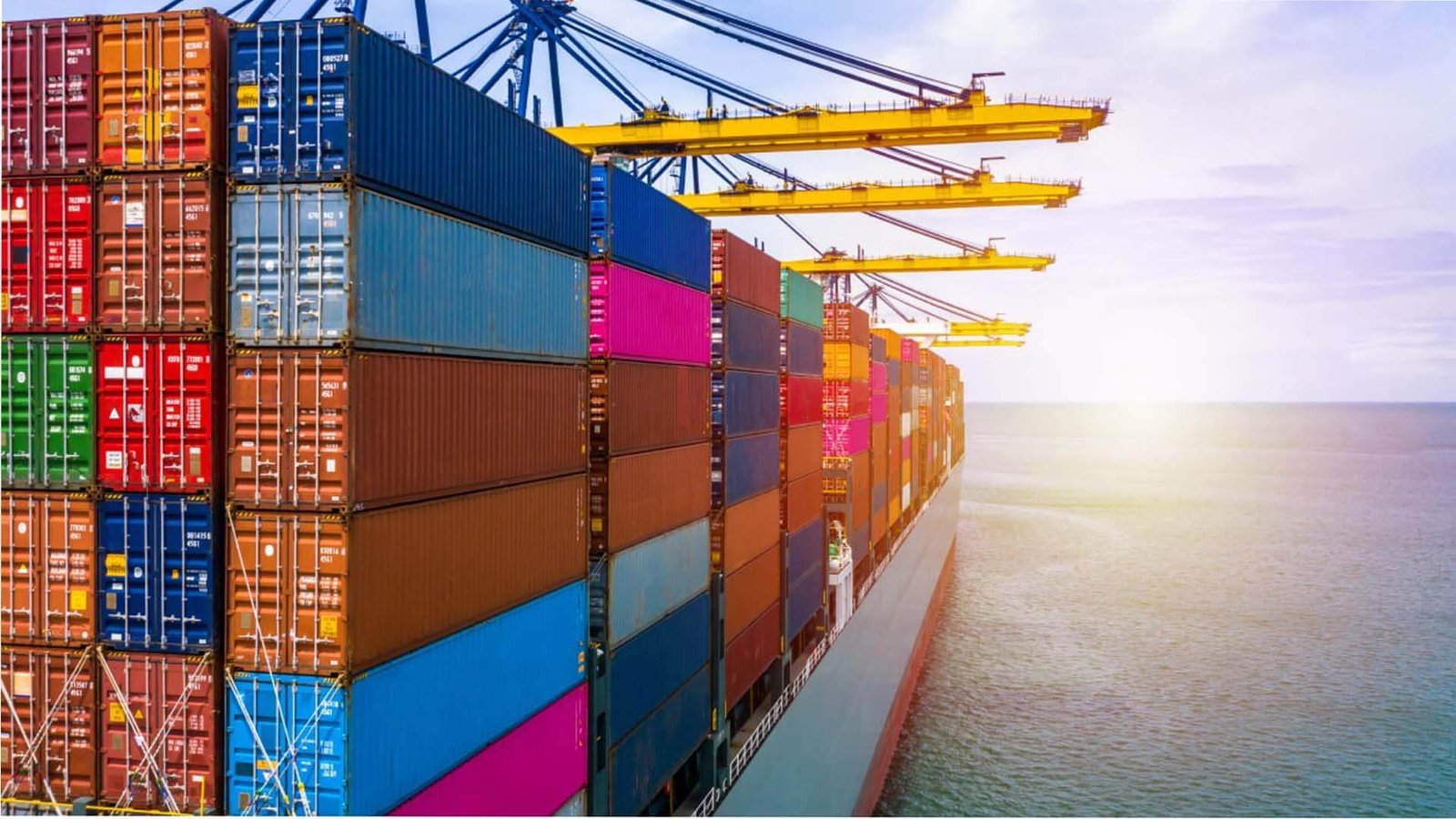
CPT sounds straightforward, but its structure creates a critical divide that many U.S. importers5 miss. Let's break it down into three parts: cost, risk, and control6.
Cost
The seller is responsible for paying the cost of "carriage" (transportation) to a "named destination2." This destination could be a port in the U.S., like the Port of Long Beach, or an inland terminal. The key is that the seller's financial responsibility for freight ends at that specific point.
Risk
This is where importers get into trouble. The risk of loss or damage to your goods transfers from the seller to you, the buyer, much earlier. It happens the moment the goods are handed over to the first carrier4 in the origin country. For example, if your goods are coming from China, risk transfers to you as soon as the factory loads them onto the first truck. If that truck gets into an accident on the way to the port, it's your financial loss, not the seller's.
Control
Because the seller is paying for the main freight, they get to choose the carrier. This means you have very little control over the shipping line, the transit time, or the route. The seller might choose the cheapest, slowest option to save money, which could impact your supply chain schedule.
Seller vs Buyer Responsibilities Under CPT: Where Cost Coverage Ends and Risk Transfers?
Your supplier offers a CPT price, and you feel relieved. But you're responsible for the cargo long before it arrives. Let’s clarify exactly when the risk becomes yours.
Under CPT, the seller arranges and pays for main carriage, while the buyer assumes risk as soon as the cargo is delivered to the first carrier4. This distinction often surprises importers, as freight costs may be prepaid but insurance, delays, or damage during transit become the buyer’s responsibility.

Understanding the exact handover points for cost and risk is essential to avoid disputes. I remember a client whose container of electronics was damaged at sea. They used CPT terms and thought the seller was responsible. They were shocked to learn the loss was theirs because they didn't have insurance. The seller had fulfilled their CPT duty by paying for freight. To prevent this, let’s be very clear about each party's job.
The Seller's Responsibilities
- Prepare and package goods for export.
- Handle export customs clearance7 and all related documentation and fees in their own country.
- Contract and pay for transportation from their location to the agreed-upon named destination2 in the U.S.
- Deliver the goods to the first carrier4 they hired. This is the critical point where risk transfers.
- Provide the buyer with transport documents needed to claim the goods upon arrival.
The Buyer's Responsibilities
- Assume all risk of loss or damage from the moment the goods are handed to the first carrier4.
- Arrange and pay for cargo insurance8. This is not the seller's job under CPT. It is your safety net.
- Handle U.S. customs clearance7. You are the importer of record. You must hire a customs broker (like us) to file the entry.
- Pay all import duties, taxes, and fees9.
- Manage and pay for all costs after arrival at the named destination2, including terminal handling charges10, unloading, and final delivery11 to your warehouse.
Who Pays Freight, Insurance, Duty, and Customs Under CPT Incoterms in the United States?
"Carriage Paid To" sounds all-inclusive. But what about customs duties, taxes, and insurance? These surprise costs can ruin your profit margins. Let’s make a clear list.
In CPT shipments to the United States, the seller pays freight to the named destination2, but the buyer is typically responsible for cargo insurance8, import duties, taxes, customs clearance7, and destination accessorial charges. CPT does not include duty-paid delivery unless explicitly agreed otherwise.
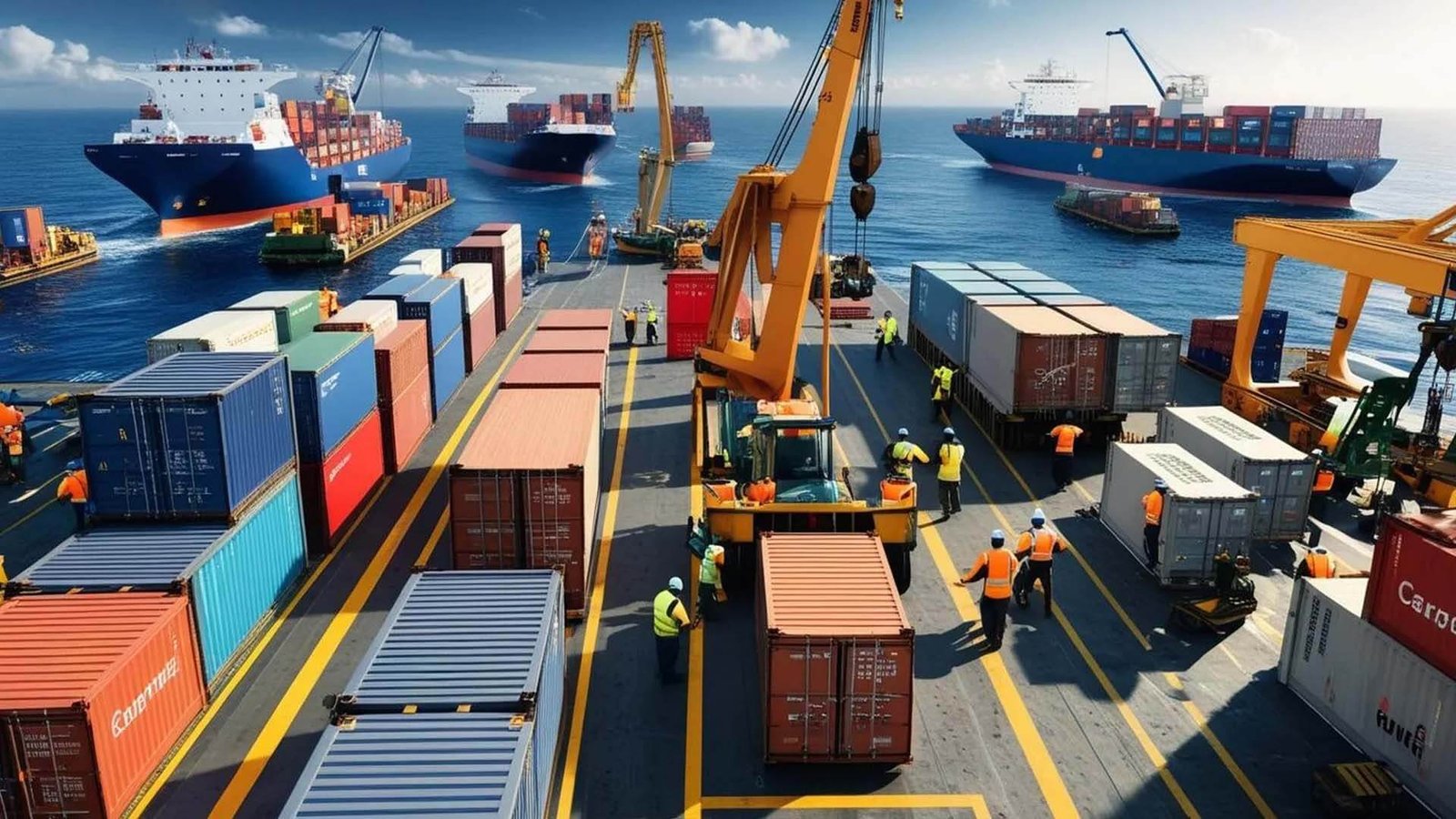
Let's get specific about the money. When you see a CPT price from your supplier, it's just one piece of the total cost puzzle. Many other expenses fall on you, the importer. Failing to budget for these can turn a profitable order into a loss. Here is a clear breakdown of who pays for what when shipping to the U.S. under CPT.
Main Freight
The seller pays for the main transportation. This covers the cost to move the goods from the origin country to the named destination2 in the U.S. For example, from a factory in Shenzhen to the Port of New York.
Cargo Insurance
The buyer pays. This is a critical point. Unlike the CIF Incoterm, the seller has no obligation to purchase insurance for your shipment. Since you take on all risk during transit, it is your responsibility to secure a comprehensive cargo insurance8 policy. I always advise my clients to never ship without it.
U.S. Customs Clearance and Duties
The buyer pays. As the U.S. importer, you are fully responsible for the customs process. This includes hiring a customs broker, paying their fees, and paying all applicable import duties and taxes (like tariffs and Merchandise Processing Fees). CPT is not DDP (Delivered Duty Paid). The seller's job does not include dealing with U.S. Customs.
Destination Charges and Final Delivery
The buyer pays. Once the shipment arrives at the named destination2 (e.g., the port), your financial responsibilities begin. This includes terminal handling charges10 (THC), unloading fees, and the cost of trucking the container from the port to your final warehouse.
CPT vs FOB, CIF, and DAP: When CPT Makes Sense—and When It Creates Risk for Importers?
CPT, FOB, CIF, DAP… a confusing alphabet soup of terms. Choosing the wrong one can cost you money and control over your own shipment. Let's compare them side-by-side.
Compared with FOB, CIF, and DAP, CPT offers cost simplicity but greater risk exposure for importers. Unlike FOB, risk transfers earlier; unlike CIF, insurance is not required; and unlike DAP, the buyer remains responsible for customs clearance7 and destination-side charges after arrival.
Choosing the right Incoterm is a strategic decision that directly impacts your costs, risks, and control. CPT is just one of several options, and it's not always the best one. Let's compare it to other common Incoterms I help my clients with every day.
Here is a table to quickly see the differences:
| Incoterm | Who Pays Main Freight | When Risk Transfers | Who Handles Insurance | Who Clears U.S. Customs | Importer Risk Level |
|---|---|---|---|---|---|
| CPT | Seller | At first carrier4 | Buyer | Buyer | Medium–High |
| FOB | Buyer | At port of loading | Buyer | Buyer | Medium |
| CIF | Seller | At port of loading | Seller (minimum) | Buyer | Medium |
| DAP | Seller | At final delivery11 point | Seller (optional) | Buyer | Low–Medium |
CPT vs. FOB (Free On Board)12
With FOB, you (the buyer) pay for and control the main freight. This gives you power to choose your preferred shipping line and service. Risk also transfers when goods are loaded "on board" the vessel. CPT gives freight control to the seller, but risk transfers even earlier (at the first carrier4). If you want control over your logistics, FOB is often a better choice.
CPT vs. CIF (Cost, Insurance, and Freight)13
These two are very similar. The seller pays for freight in both. The key difference is insurance. With CIF, the seller is required to buy at least a minimum level of insurance for your benefit. With CPT, the seller has no insurance obligation.
CPT vs. DAP (Delivered at Place)14
DAP offers much more security for the buyer. Under DAP, the seller is responsible for cost and risk all the way to your final named destination2, like your warehouse door. Your risk only begins when the goods are ready for unloading from the truck at your facility. CPT transfers risk to you much, much earlier in the journey.
When U.S. Importers Should (and Should Not) Use CPT Incoterms in Real-World Shipping Scenarios?
Now you understand CPT's mechanics. But is it right for your shipment? Using it in the wrong scenario can lead to major headaches and financial loss. Let's explore when.
U.S. importers5 should use CPT when sellers can secure competitive freight rates15 but buyers want control over insurance, customs clearance7, and final delivery11. CPT may be risky for time-sensitive or high-value cargo16, where early risk transfer and limited visibility can increase financial exposure.

Theory is one thing, but real-world application is what matters for your business. As a logistics provider, I help importers like Mark decide on the best terms for their specific situation. CPT has a place, but it's a tool that must be used correctly. Here are some practical scenarios to guide your decision.
Scenarios Where CPT Can Be a Good Choice
- Your Supplier Has Better Freight Rates: If your supplier is a massive company with huge shipping volumes, they may get significantly better ocean freight rates15 than you can. CPT allows you to take advantage of their purchasing power.
- You Have a Trusted Supplier: You should only use CPT with a supplier you have a long, trusted relationship with. You need to trust them to choose a reliable carrier and not just the cheapest one that might cause delays.
- You Have Your Own Strong Insurance Policy: If you already have a great annual cargo insurance8 policy, you don't need the seller to arrange it (like in CIF). CPT allows you to use your own preferred insurance while the seller handles the freight booking.
Scenarios Where You Should Avoid CPT
- Shipping High-Value or Fragile Goods: For valuable cargo, you want maximum control. The early risk transfer and lack of control over the carrier under CPT are too dangerous. An Incoterm like FOB or EXW, where you control the entire process, is safer.
- Your Shipment is Time-Sensitive: If you need your goods by a specific date, do not use CPT. The seller is motivated to find the cheapest freight, which often means the slowest transit time with multiple stops. You will have no say in this.
- You Are Working with a New Supplier: Never give control of your logistics to a new or untrusted party. The risk of them choosing a poor carrier, or issues with documentation, is too high. Start with FOB until you build a trusted relationship.
Conclusion
CPT means the seller pays for freight, but the risk is yours early on. Understand this split to protect your cargo, control costs, and import into the U.S. successfully.
Understanding CPT is crucial for importers to manage costs and risks effectively in international shipping. ↩
Identifying the named destination clarifies where the seller's responsibility ends. ↩
Knowing when risk transfers helps importers prepare for potential losses during transit. ↩
The first carrier is pivotal in determining when risk transfers, impacting the buyer's responsibilities. ↩
U.S. importers need to understand CPT to avoid unexpected costs and manage import processes smoothly. ↩
Grasping these differences is essential for importers to make informed shipping decisions. ↩
Understanding customs responsibilities helps importers avoid legal and financial issues. ↩
Cargo insurance protects buyers from financial loss due to damage or loss during transit. ↩
Knowing who pays these costs helps importers budget accurately for their shipments. ↩
Understanding these charges helps importers anticipate additional costs upon cargo arrival. ↩
Knowing who handles final delivery helps importers plan logistics effectively. ↩
Comparing CPT and FOB helps importers choose the best term for their shipping needs. ↩
Understanding the differences between CIF and CPT aids in selecting the right shipping term. ↩
Knowing the benefits of DAP helps importers decide on the most secure shipping term. ↩
Leveraging supplier rates can reduce shipping costs for importers. ↩
Understanding the risks helps importers protect valuable shipments from potential losses. ↩