Planning a shipment from China to New York feels uncertain. You worry about unpredictable delays1 and hidden costs2. A late container or a surprise bill can derail your business plan.
Shipping from China to New York takes about 30-40 days by ocean freight3 or 3-7 days by air freight. Express services take 1-5 days. Costs range from a few hundred dollars for a small parcel to over $5,000 for a full container, depending on the mode and market.
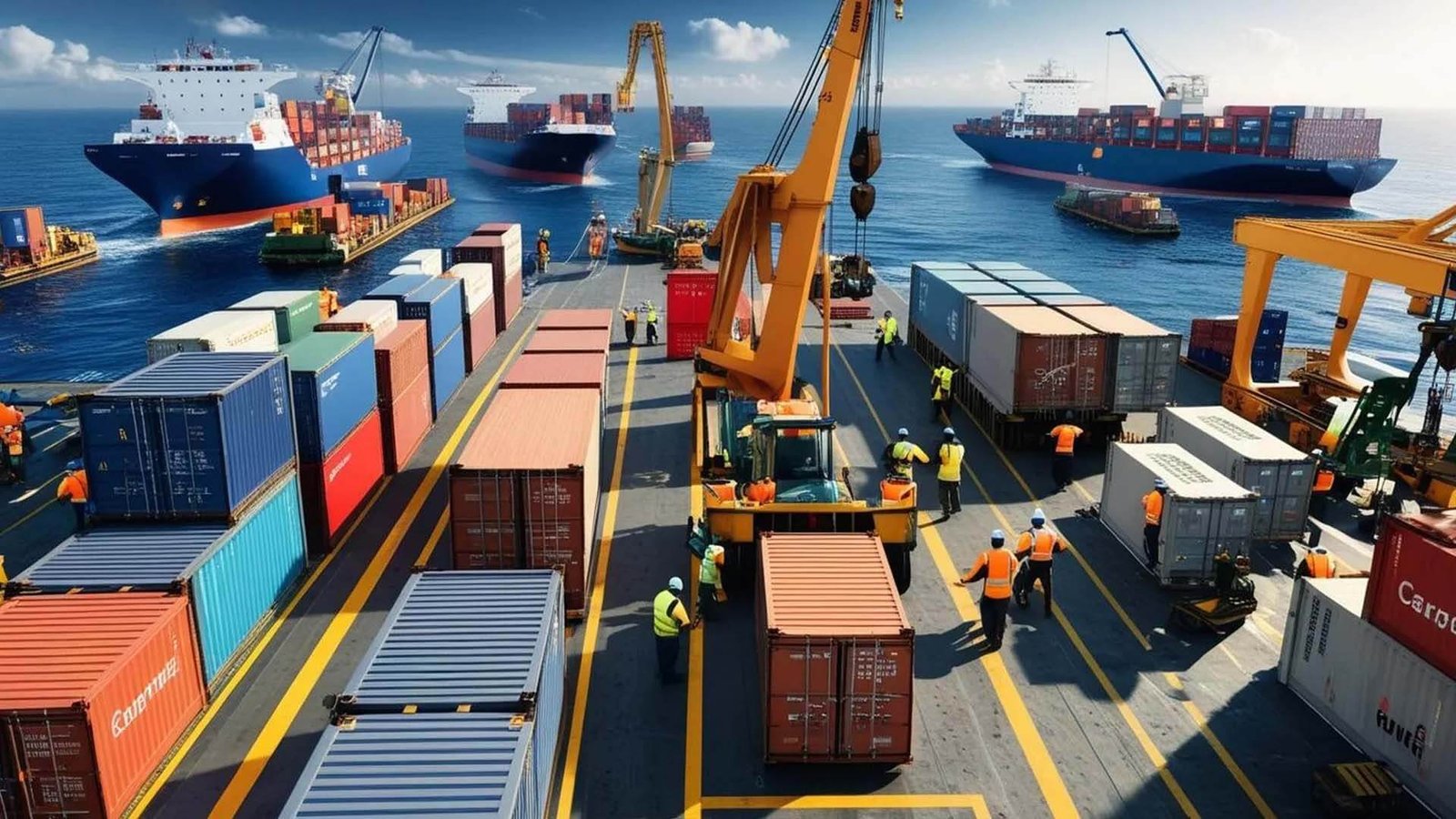
The numbers above are just a starting point. The total time and cost depend on many factors beyond the main transit. To really get control of your supply chain4, you need to understand every step of the journey. Let's break down the details so you can plan your next shipment with confidence and avoid costly surprises.
China to New York Shipping Time by Mode: Realistic Transit Ranges for Air, Ocean, and Express Freight?
You need to move goods, but you are not sure which service is right. Choosing the wrong mode can mean missed deadlines or overspending. Let's clarify the real transit times.
Ocean freight from China to the Port of New York takes about 30-40 days for the sea journey alone. Air freight takes 3-7 days. Express shipping is the fastest at 1-5 days. These times do not include factory pickup, customs clearance, or final delivery.
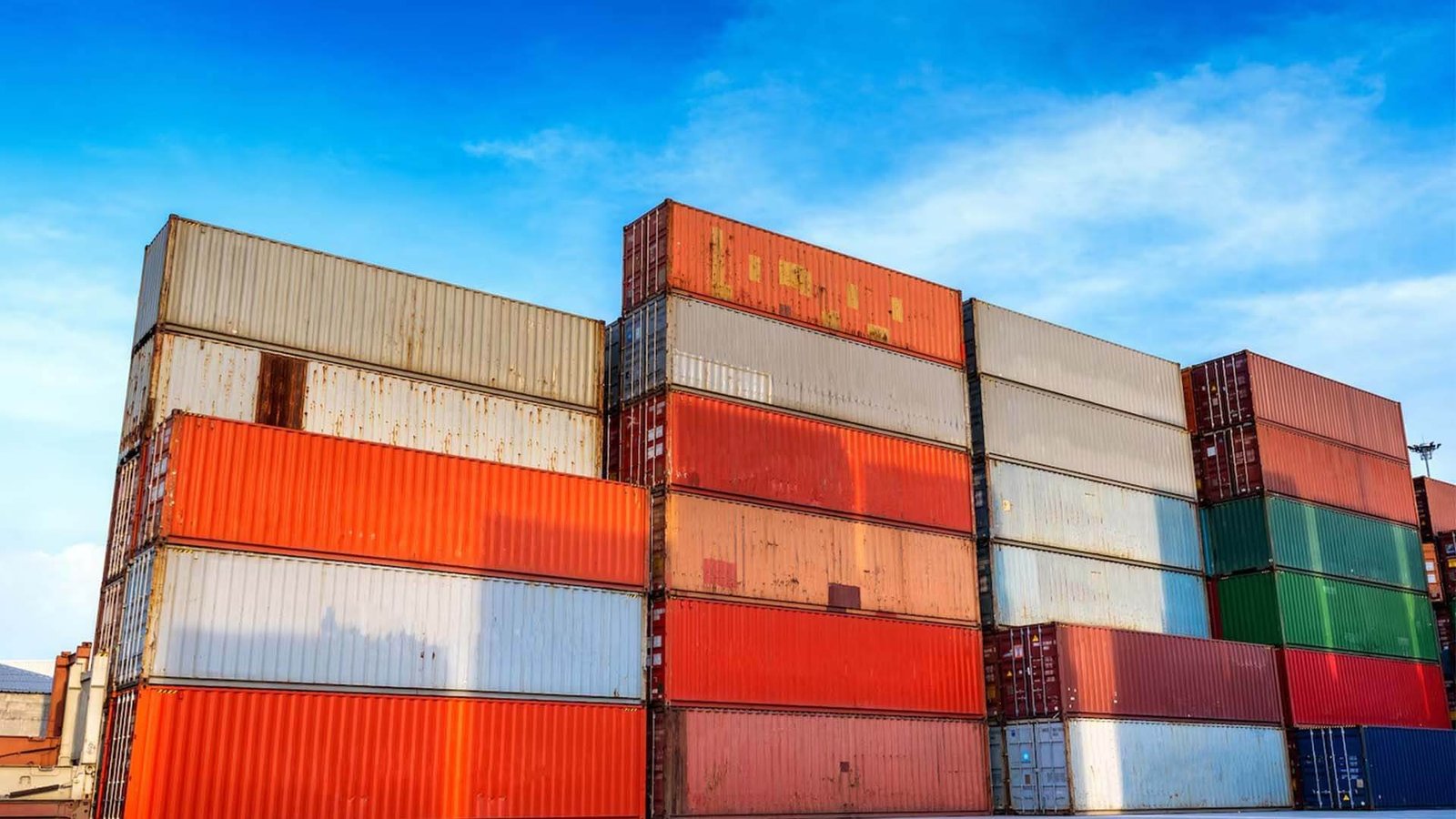
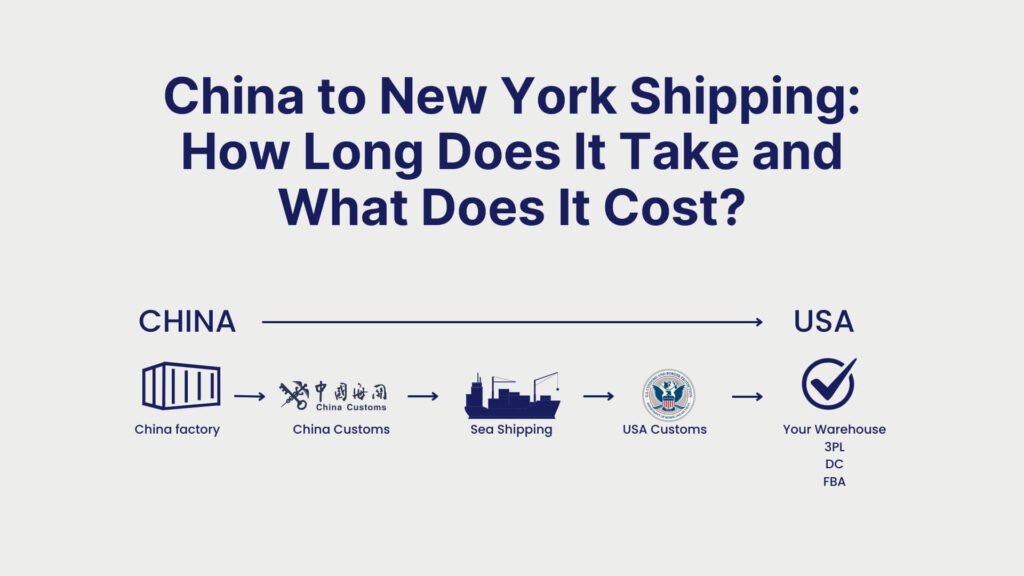
To get a full picture of your shipping time, you need to think about the entire door-to-door process5. The total time is more than just the time on the water or in the air. I always break it down into three main stages for my clients.
Stage 1: First Mile in China6
This is the time it takes to get your goods from the factory to the port or airport in China. It can take anywhere from 1 to 5 days. This includes trucking, export customs declaration, and waiting for the vessel or aircraft.
Stage 2: Main Transit7 (Port-to-Port or Airport-to-Airport)
This is the core shipping time. The mode you choose here makes the biggest difference.
| Shipping Mode | Typical Port-to-Port Transit Time | Best For |
|---|---|---|
| Ocean Freight (FCL/LCL) | 30 - 40 days | Bulk goods, non-urgent inventory |
| Standard Air Freight | 5 - 10 days | Time-sensitive, high-value goods |
| Express Air Freight | 1 - 5 days | Samples, documents, urgent small parcels |
Stage 3: Last Mile in the USA8
Once your shipment arrives in New York, it still needs to clear U.S. Customs and be delivered to your warehouse. This can take 2 to 7 days, or longer if there are customs inspections.
So, a typical ocean shipment can easily take 40-55 days from the factory door in China to your door in New York.
China to New York Shipping Costs Explained: What U.S. Importers Actually Pay Per Shipment?
You got a freight quote, but you are worried about surprise fees. Many importers get hit with unexpected charges that ruin their budget. Let's look at the total landed cost9.
U.S. importers pay for much more than just the freight rate. The total landed cost9 includes the base freight, fuel surcharges, terminal handling, customs clearance fees, and import duties. A container's final cost can be 20-30% higher than the initial freight quote.
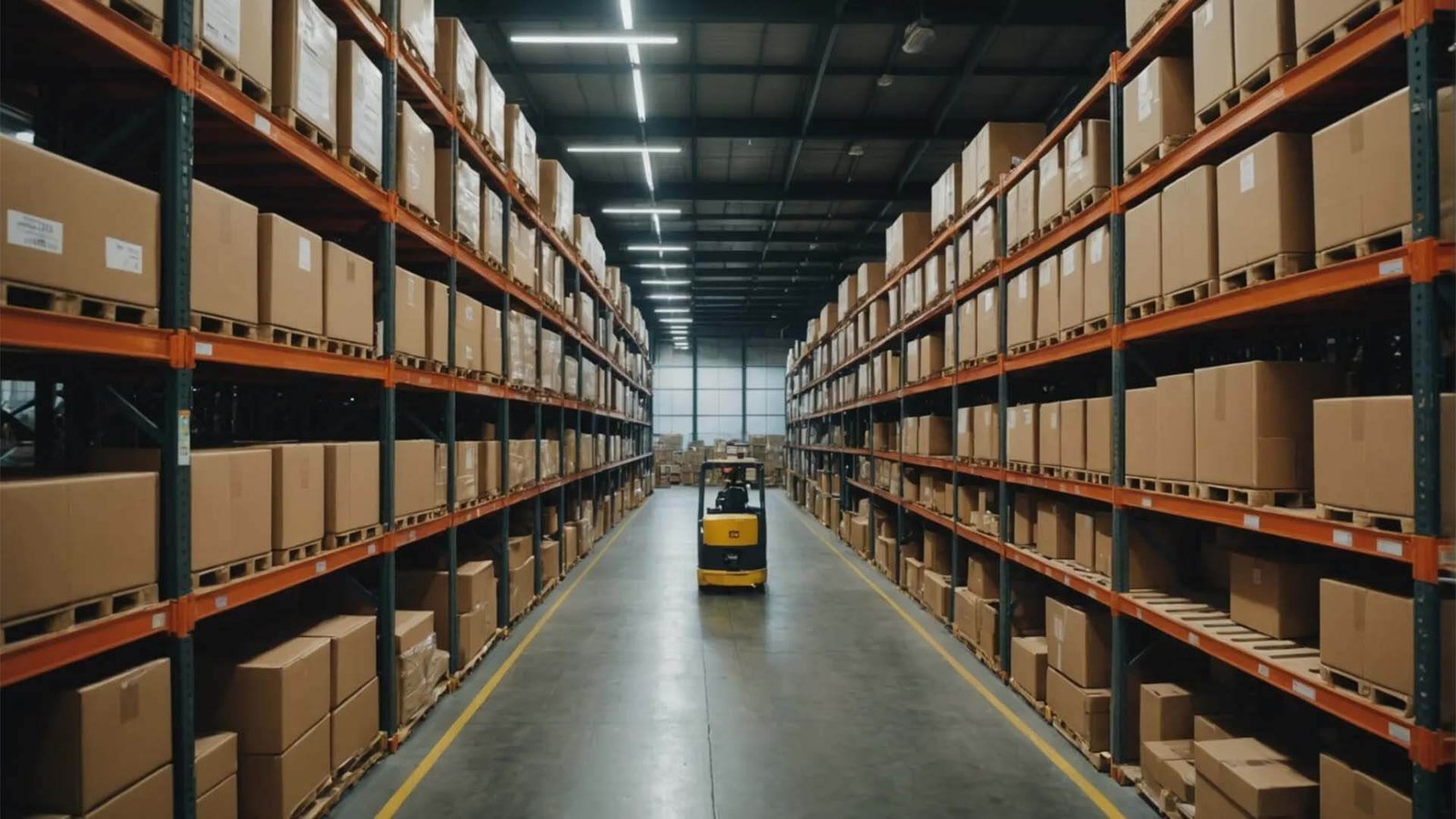
The first freight quote you see is almost never the final price you pay. As an importer, the most important number for your business is the "landed cost9." This is the total cost to get a product from the factory to your warehouse. I always advise my clients, like Mark, a detail-oriented importer I work with, to budget for all of these components. Ignoring them is a common and costly mistake.
Ocean Freight Cost Components10
For a container shipment, your costs will include:
- Base Ocean Freight: The main cost for moving the container from port to port.
- Surcharges: These can include a Bunker Adjustment Factor (BAF) for fuel price changes and a Peak Season Surcharge (PSS) during busy times.
- Terminal Handling Charges (THC): Fees charged by both the origin and destination ports for handling your container.
- Documentation Fees: Charges for the Bill of Lading and other paperwork.
- Customs & Duties: Fees for U.S. customs clearance and any import taxes owed.
- Inland Trucking: The cost to move the container from the Port of New York to your final destination.
Air Freight Cost Components11
Air freight costs are simpler but still have multiple parts:
- Freight Rate: Priced per kilogram, based on the chargeable weight12.
- Fuel & Security Surcharges: Similar to ocean freight3, these are standard additions.
- Airport & Handling Fees: Costs for ground handling services at the airports.
- Customs & Duties: The same customs clearance and duty fees apply.
Understanding these pieces helps you build an accurate budget and avoid surprises.
Fastest vs Cheapest China-to-USA Shipping Options: When Speed, Cost, and Reliability Trade Off?
You need it cheap, or you need it fast. Making the wrong choice can mean losing money on urgent stock or waiting too long for inventory. Let's weigh the options.
Express air freight13 is the fastest and most expensive option, perfect for samples or urgent, high-value goods. Standard ocean freight14t](https://www.freightos.com/shipping-routes/shipping-from-china-to-the-united-states/)%%%FOOTNOTE_REF_3%%% is the cheapest but slowest, best for bulk goods with flexible timelines. Air freight offers a middle ground for larger, time-sensitive shipments.
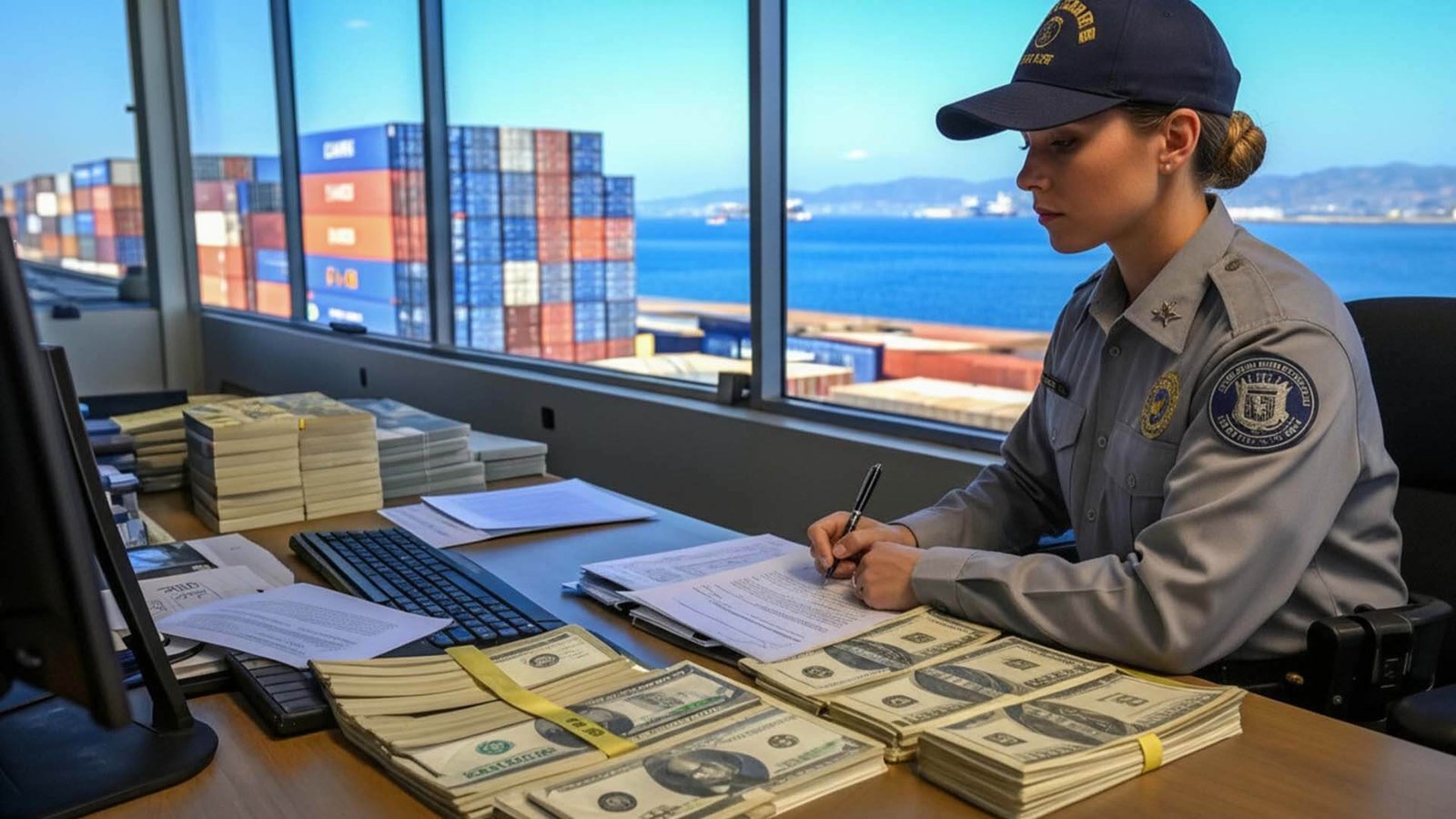
Choosing the right shipping method is a balancing act. You have to trade off speed, cost, and sometimes even reliability. I help my clients think through this decision based on their specific situation. There is no single "best" way to ship; there is only the best way for a particular shipment.
Here's a simple way to think about it:
| Factor | Express Air | Standard Air Freight | Ocean Freight (FCL/LCL) |
|---|---|---|---|
| Speed | Fastest (1-5 days) | Fast (5-10 days) | Slowest (30-50 days) |
| Cost | Highest | High | Lowest |
| Best For | Urgent samples, documents, small high-value items (<150kg) | Time-sensitive inventory, electronics, items >150kg | Bulk goods, furniture, raw materials, stock replenishment |
| Reliability | Very high schedule reliability | High schedule reliability | Moderate; subject to port congestion and weather delays |
I once had a client who was launching a new product. They needed a small batch for a product photoshoot and a press event in New York. For that, we used express air. It was expensive, but missing the launch date would have been more costly. At the same time, we shipped their main inventory by ocean freight3. This two-part strategy allowed them to meet their marketing deadline while keeping the overall shipping cost for their main stock as low as possible. This is a perfect example of how to use different modes for different needs.
How China-to-USA Shipping Costs Are Calculated: Freight Rates, Surcharges, and Hidden Fees Importers Miss?
You are confused by complex shipping invoices. Many hidden fees can inflate your final bill without warning. Let's uncover how these costs are actually calculated so you can spot them.
Shipping costs are based on the shipment's chargeable weight12 (gross vs. volumetric weight) and the shipping mode. Ocean freight is priced per container (FCL) or cubic meter (LCL). Air freight is priced per kilogram. Surcharges for fuel, security, and peak season are then added.
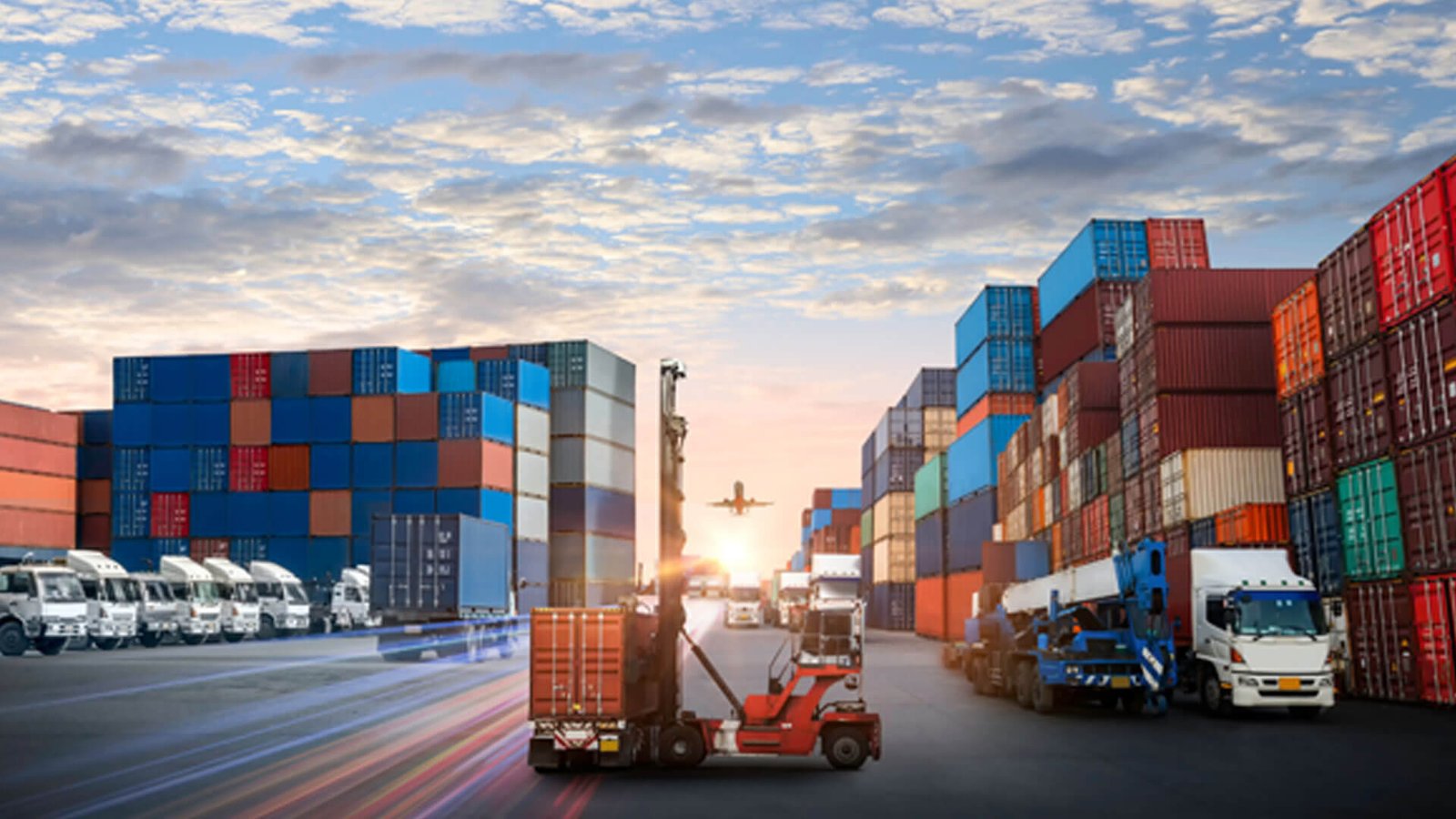
The way carriers calculate your freight bill can seem complicated, but it breaks down into a few key ideas. The most important one for air and LCL ocean freight3 is "chargeable weight12."
Understanding Chargeable Weight
Carriers will charge you based on whichever is greater: the actual gross weight of your cargo or its volumetric weight. Volumetric weight is a measure of how much space your cargo takes up.
- For Air Freight: The formula is typically (Length cm x Width cm x Height cm) / 6000 = Volumetric Weight in kg.
- For LCL Ocean Freight: The charge is per Cubic Meter (CBM) or per 1,000 kg, whichever is higher.
This means that light, bulky items like empty plastic bottles can be more expensive to ship than small, heavy items like steel parts, even if the actual weight is less.
Common Surcharges and Hidden Fees
Beyond the base rate, you must watch out for these fees:
- General Rate Increase (GRI): An increase in base rates applied by carriers across the board.
- Peak Season Surcharge (PSS): Applied during high-demand periods, like before major holidays.
- Detention & Demurrage: These are big ones. Demurrage is a fee for leaving a full container at the port for too long. Detention is a fee for keeping the carrier's container outside the port for too long. These can cost over $100 per day, so quick pickup and return are critical.
Knowing these calculations helps you verify invoices and plan your budget more accurately.
U.S. Import Duties15, Taxes, and Customs Clearance for China Shipments: What New York Importers Must Prepare For?
Are you worried your shipment will get stuck in customs? Compliance mistakes can lead to costly delays, fines, and even seizure of your goods. Let's get you prepared for U.S. Customs.
New York importers must prepare by correctly classifying goods with an HTS code to determine the duty rate, declaring the correct value, and paying all applicable import duties and taxes. A licensed customs broker is essential for filing the ISF and the official Customs Entry.

Getting through U.S. Customs and Border Protection (CBP) smoothly is not about luck; it is about preparation. For every shipment I manage, the customs process is a top priority from the very beginning. A small mistake on paperwork can cause a delay of weeks and cost thousands in fees.
HTS Codes and Duty Rates
Every product has a Harmonized Tariff Schedule (HTS) code. This 10-digit code tells CBP what the product is, and it determines the duty rate you must pay. Getting this code right is the most critical step. A wrong code can lead to paying the wrong duty (too much or too little) and can trigger inspections and fines.
The Customs Entry Process
Here are the key steps for clearing customs in New York:
- ISF 10+2 Filing: For ocean freight3, your customs broker must submit the Importer Security Filing (ISF) at least 24 hours before the cargo is loaded onto the vessel in China. Failure to do this results in a $5,000 penalty.
- Customs Entry Filing: Your broker files the entry documents with CBP as the shipment approaches the U.S.
- Duty Payment: Your broker will calculate the duties and taxes owed, which must be paid before CBP will release your cargo.
- Cargo Release: Once duties are paid and CBP is satisfied, they release the cargo. This can happen quickly or take days if an exam is required.
Necessary Documents
To clear customs, you will need:
- Commercial Invoice
- Packing List
- Bill of Lading (for ocean) or Air Waybill (for air)
Working with a reliable U.S. customs broker is not just a good idea; it's essential for a smooth import process.
How to Reduce China-to-New York Shipping Risk, Delays, and Costs with End-to-End Logistics Management?
Juggling multiple vendors for one shipment is stressful. Miscommunication between your forwarder, trucker, and broker often leads to delays and surprise costs. There is a much simpler way.
You can reduce risk and cost by using a single logistics partner for end-to-end management. This combines freight forwarding, customs brokerage, and final delivery. A single point of contact improves visibility, streamlines communication, and avoids costly errors between different vendors.

I've seen so many importers, like my client Mark, get frustrated by what I call the "Fragmented Approach." He used to hire a company in China for freight, a separate broker in the U.S. for customs, and then find his own trucking company for delivery. When a delay happened, everyone would blame someone else. No one took responsibility. This is where an integrated, end-to-end solution makes all the difference.
The Fragmented vs. The Integrated Approach
Let's compare the two methods.
| Aspect | Fragmented Approach (Multiple Vendors) | Integrated Approach (One Partner) |
|---|---|---|
| Communication | You talk to 3+ companies. Information gets lost. | You have one point of contact for everything. |
| Accountability | When problems occur, vendors blame each other. | Your partner is fully accountable for the entire process. |
| Cost | Hidden fees appear at each handoff point. | You get a clear, all-in quote (like DDP) upfront. |
| Efficiency | Delays are common as documents are passed between parties. | The process is seamless, from booking to customs to final delivery. |
By using an end-to-end service, you are not just buying freight. You are buying control, visibility, and peace of mind. Your logistics partner manages all the handoffs, ensures all documents are correct, and proactively solves problems before they impact your delivery date. This approach directly addresses the biggest pain points for importers and turns logistics from a source of stress into a competitive advantage.
Conclusion
Managing China-to-New York shipping requires balancing time, cost, and risk. With proper planning and a reliable partner, you can achieve predictable, cost-effective imports for your business.
Understanding the causes of delays can help you plan better and avoid disruptions in your supply chain. ↩
Knowing about hidden costs can help you budget accurately and avoid unexpected expenses. ↩
Learning about ocean freight can help you decide if it's the right shipping method for your needs. ↩
Optimizing your supply chain can lead to more efficient and cost-effective shipping processes. ↩
Understanding the entire shipping process can help you manage timelines and costs effectively. ↩
Knowing about the First Mile can help you plan the initial stages of your shipment efficiently. ↩
Understanding Main Transit helps you grasp the core shipping time and choose the right mode. ↩
The Last Mile is crucial for final delivery, and knowing about it can help you avoid delays. ↩
Knowing how landed cost is calculated helps you budget accurately and avoid financial surprises. ↩
Understanding these components can help you anticipate and manage shipping expenses. ↩
Knowing these components helps you understand the full cost of air shipping. ↩
Understanding chargeable weight helps you avoid overpaying for shipping based on weight calculations. ↩
Express air freight is ideal for urgent shipments, and knowing when to use it can save time. ↩
Standard ocean freight is cost-effective for bulk goods, and understanding it can help you save money. ↩
Knowing about import duties helps you prepare for additional costs and avoid compliance issues. ↩