Struggling with slow, expensive warehousing1 that complicates your import process? These delays and hidden costs eat into your profits. Modern warehousing solutions integrate with your supply chain2 to save you money.
Modern warehousing services for U.S. importers go beyond storage to include inbound coordination3, inventory control4, value-added services, and seamless integration with freight and customs5s](https://transnova.ca/the-benefits-of-integrated-freight-and-warehousing-solutions/)%%%FOOTNOTE_REF_6%%%. These solutions help importers reduce dwell time7, improve visibility8, and keep international inventory moving9 efficiently from port to final distribution.
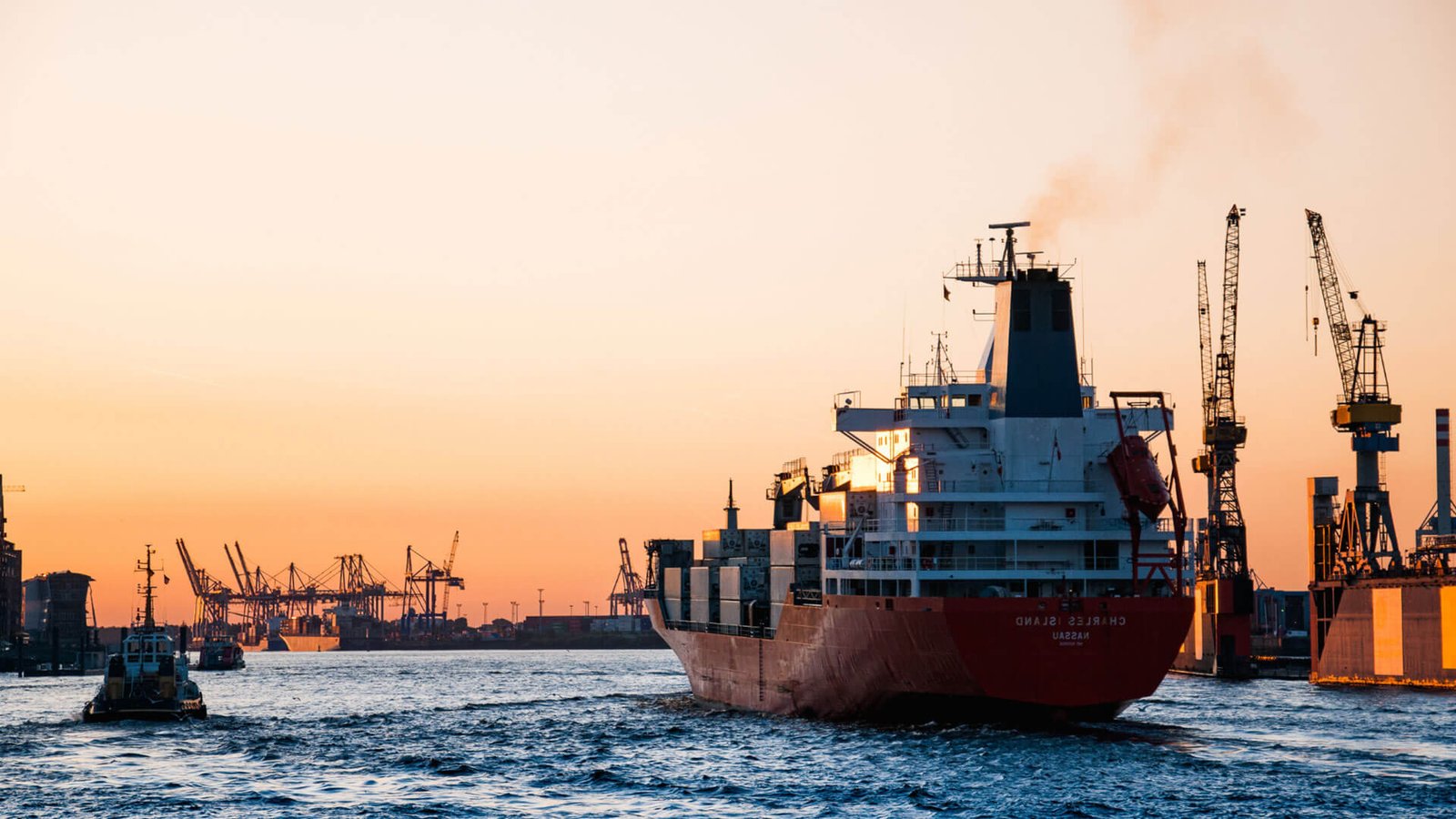
I talk to importers like you every day. Many feel overwhelmed by their warehousing options. They know their current setup isn't working, but they are not sure what to look for in a new solution. The truth is, the right warehouse is more than just a place to store goods; it's a dynamic part of your supply chain. Let's break down what modern warehousing really means for an importer and how to find the right fit for your business.
What Modern Warehousing Services Do U.S. Importers Need to Support International Shipping and Inventory Flow?
Your container arrives, but your warehouse isn't ready. This mismatch creates port demurrage fees, delivery delays, and frustrating stockouts. Integrated warehousing services prevent these problems by keeping your inventory flowing.
Modern warehousing services for U.S. importers go beyond storage to include inbound coordination3, inventory control4, value-added services, and seamless integration with freight and customs5s](https://transnova.ca/the-benefits-of-integrated-freight-and-warehousing-solutions/)%%%FOOTNOTE_REF_6%%%. These solutions help importers reduce dwell time7, improve visibility8, and keep international inventory moving9 efficiently from port to final distribution.
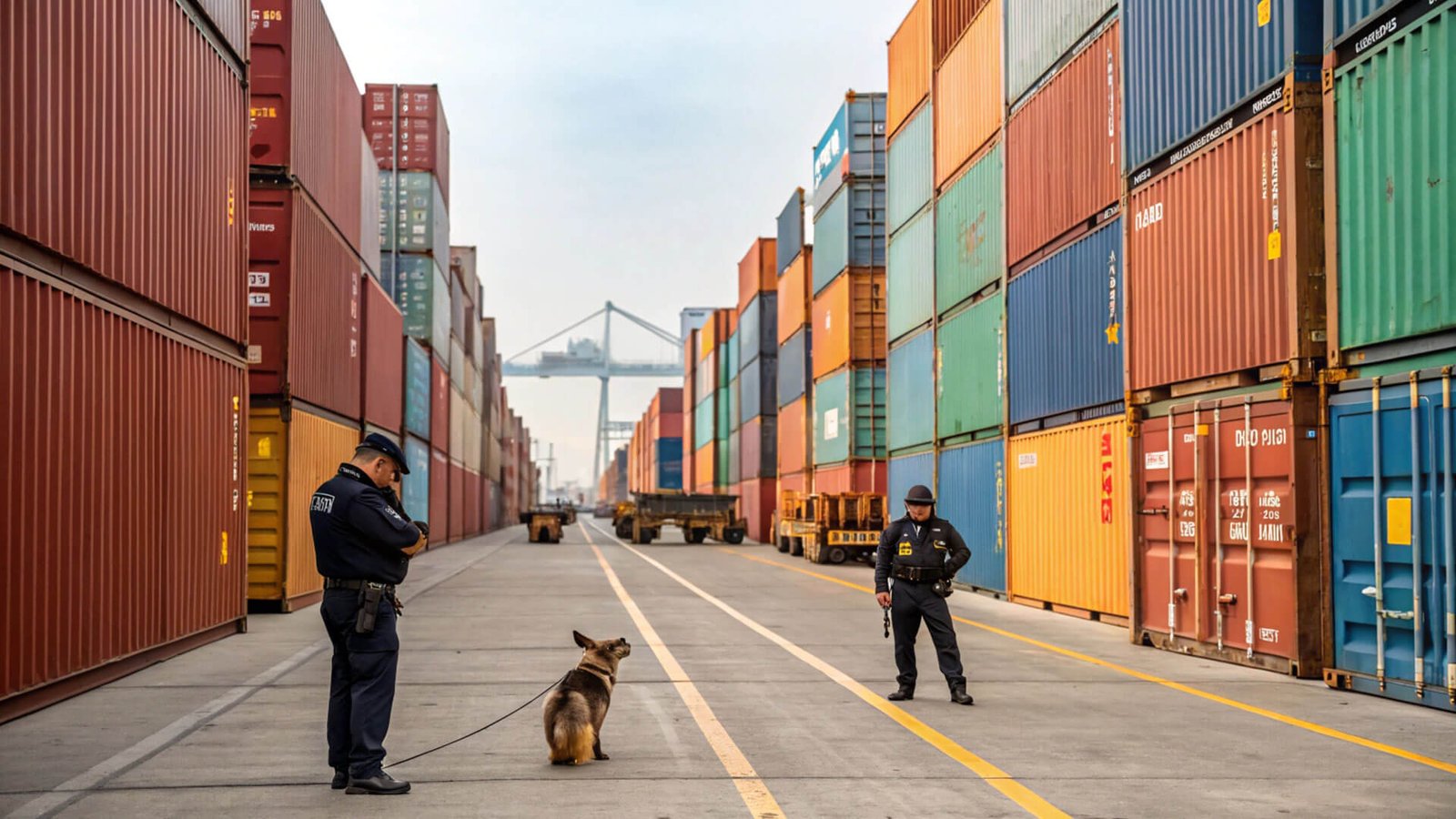
When I first started working with my client Mark, he saw his warehouse as a simple cost center. It was just a big garage where his goods sat after clearing customs. This mindset was costing him. His previous provider had no connection to his freight forwarder or customs broker. This created a huge information gap. Containers would arrive, and the warehouse wouldn't be prepared for unloading, leading to costly delays.
Beyond Just Storage
A modern warehouse isn't a passive storage unit. It's an active, strategic hub. For an importer, its primary job is to keep inventory moving. This means receiving goods from the port efficiently, preparing them for domestic distribution, and shipping them out quickly. Services like cross-docking10—where goods are unloaded from a container and immediately loaded onto an outbound truck—can almost eliminate storage time altogether for pre-sold inventory.
Key Services for Importers
The right partner offers services specifically for imported goods. This includes transloading11 (moving cargo from one container type to another), palletizing goods12 to meet U.S. standards, and applying compliance labels13. These value-added services ensure your products are ready for the next stage of their journey, whether it's a big-box retailer or your own distribution network.
Integration is Everything
The most critical element is integration. Your warehousing partner should have a seamless connection with your ocean freight and customs clearance teams. When your warehouse provider knows exactly when a container is arriving and when it will clear customs, they can schedule labor and dock space accordingly. This eliminates waiting time, cuts down on fees, and gets your product to market faster. It turns three separate, stressful steps into one smooth, predictable process.
Which Types of Warehousing Solutions Are Available and How Do They Fit Different Import Business Models?
Choosing the wrong type of warehouse can be a very expensive mistake. You could end up overpaying on duties you don't owe yet or get locked into a rigid contract.
Importers can choose from bonded warehouses14, foreign trade zones, 3PL warehouses, fulfillment centers, and contract warehousing depending on duty exposure, inventory turnover, and distribution needs. Each model offers different benefits for cash flow, compliance control, and scalability within international supply chains.
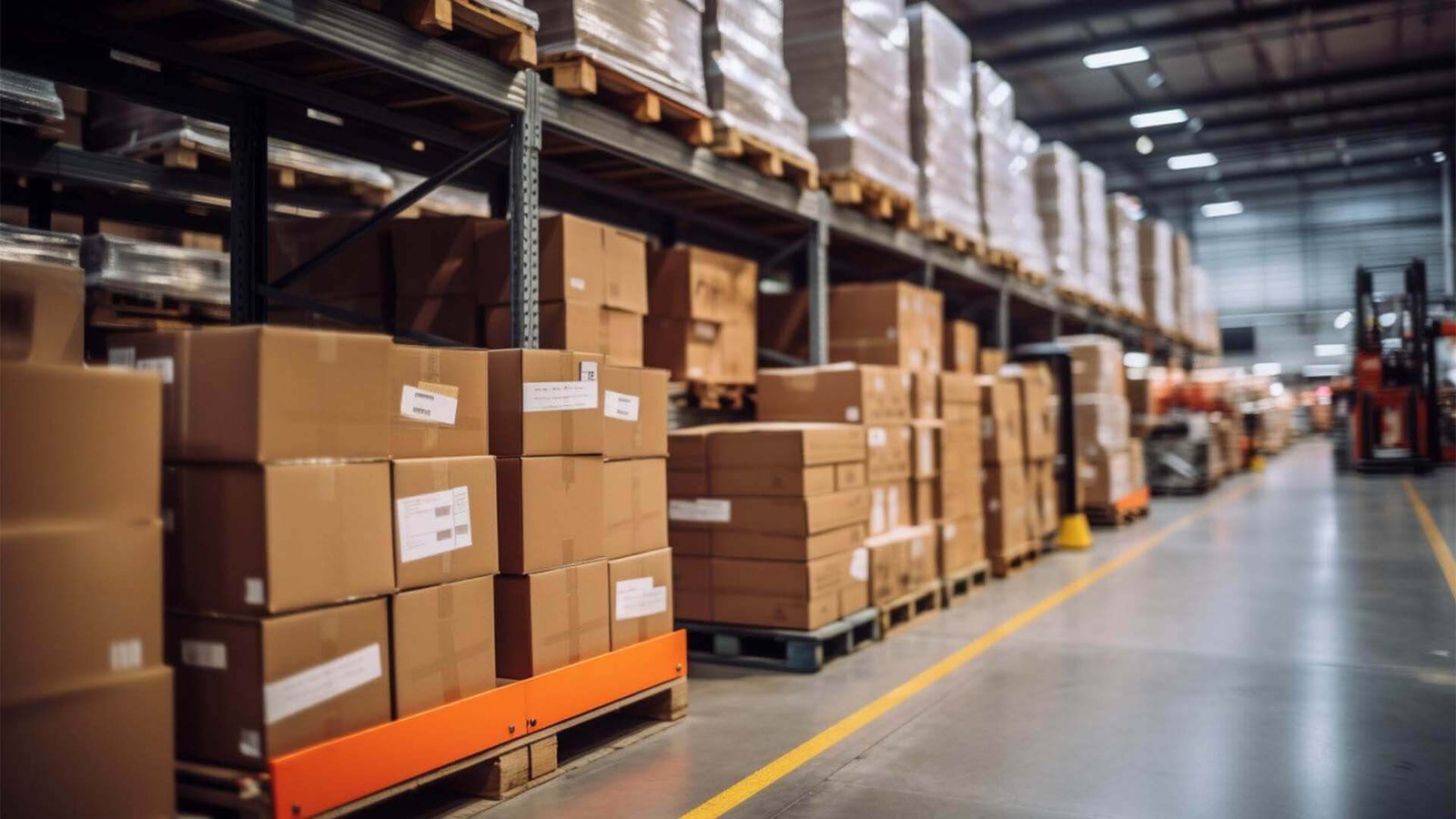
The options can seem confusing, but each one is designed for a specific business need. I always tell my clients to first analyze their cash flow, inventory speed, and customer requirements. For example, a business that imports high-duty goods and sells them over several months has very different needs than a business that imports and ships goods in the same week. The key is to match the warehouse model to your operational and financial reality. Let's look at the main options available to you as a U.S. importer.
A Breakdown of Warehouse Types
| Warehouse Type | Best For | Duty Impact | Key Advantage | Key Limitation |
|---|---|---|---|---|
| Bonded Warehouse | Duty-deferred imports | Duties deferred | Cash-flow control | Compliance rules |
| Foreign Trade Zone (FTZ)15 | High-value imports | Duty reduction/deferral | Tariff optimization | Setup complexity |
| 3PL Warehouse16 | Flexible operations | Duties paid | Scalability | Less control |
| Fulfillment Center | Fast outbound delivery | Duties paid | Speed to customer | Less import focus |
| Contract Warehouse | Stable volumes | Duties paid | Dedicated resources | Lower flexibility |
Matching the Model to Your Business
This table gives you a clear overview, but how do you apply it? If you're like Mark and import goods subject to high tariffs, a Bonded Warehouse is a game-changer. You can store your goods securely without paying duties and taxes until they are sold and shipped to a U.S. customer. This massively improves cash flow. If your business is growing fast and your volume is unpredictable, a 3PL (Third-Party Logistics) Warehouse offers the flexibility to scale up or down without a long-term commitment. For businesses focused on e-commerce, a Fulfillment Center is optimized for picking, packing, and shipping individual orders directly to consumers. The most important thing is to find a partner who understands these differences and can guide you to the right solution.
How Do Technology-Enabled Warehouses Improve Inventory Accuracy, Speed, and Cost Control?
Are you still relying on manual inventory counts and spreadsheets? These old methods are slow, prone to human error, and give you a delayed view of your stock. This leads to bad decisions.
Technology-enabled warehouses use WMS platforms, automation, and real-time data to improve inventory accuracy, picking speed, and space utilization. For importers, this reduces errors, minimizes handling costs, and improves forecasting, especially when managing high-volume or multi-SKU international inventory.

The difference between a traditional warehouse and a modern, tech-enabled one is like night and day. I remember a client who was constantly dealing with "ghost" inventory—stock that their system said they had but couldn't be found in the warehouse. After switching to a partner with a robust Warehouse Management System (WMS)17, the problem vanished. They could see every item's location in real-time, from the moment it was unloaded from the container. This level of visibility is no longer a luxury; it's a necessity for any serious importer.
The Power of a Warehouse Management System (WMS)17
Think of a WMS as the brain of the warehouse. It is a software platform that directs every activity, from receiving and put-away to order picking and shipping. For an importer, this means you can log into a portal and see exactly what inventory you have, where it came from, and its current status. A good WMS integrates with your freight forwarder and customs broker, giving you a single source of truth for your entire inbound supply chain.
From Manual to Modern
The operational gap between old and new methods is huge. Let's compare them directly.
| Criteria | Traditional Warehouse | Modern Warehouse |
|---|---|---|
| Inventory Visibility | Limited, periodic counts | Real-time, on-demand |
| Integration With Freight | Manual communication | Automated, integrated |
| Compliance Support | Basic record-keeping | Advanced, auditable trails |
| Scalability | Fixed space and labor | Flexible and on-demand |
| Cost Control | Reactive, based on bills | Proactive, based on data |
What This Means for Your Bottom Line
This technological shift has a direct impact on your profits. Real-time inventory accuracy means you can avoid both stockouts (lost sales) and overstocking (tied-up capital). Integrated systems reduce manual data entry, which cuts down on labor costs and eliminates costly errors. And with proactive cost control, you can analyze data to see exactly how much it costs to store and handle each product, allowing you to optimize your pricing and strategy.
What Role Do Warehousing Services Play in Customs, Compliance, and Import Risk Management?
Navigating U.S. Customs is a minefield for importers. One small mistake in paperwork or handling can lead to crushing fines, seized goods, and long, costly delays at the border.
Warehousing plays a critical role in import compliance by supporting bonded storage, duty deferral18, inspections, and proper inventory segregation. Importers using compliant warehouse solutions reduce customs risk, avoid penalties, and gain flexibility when managing duties, tariffs, and regulatory requirements.
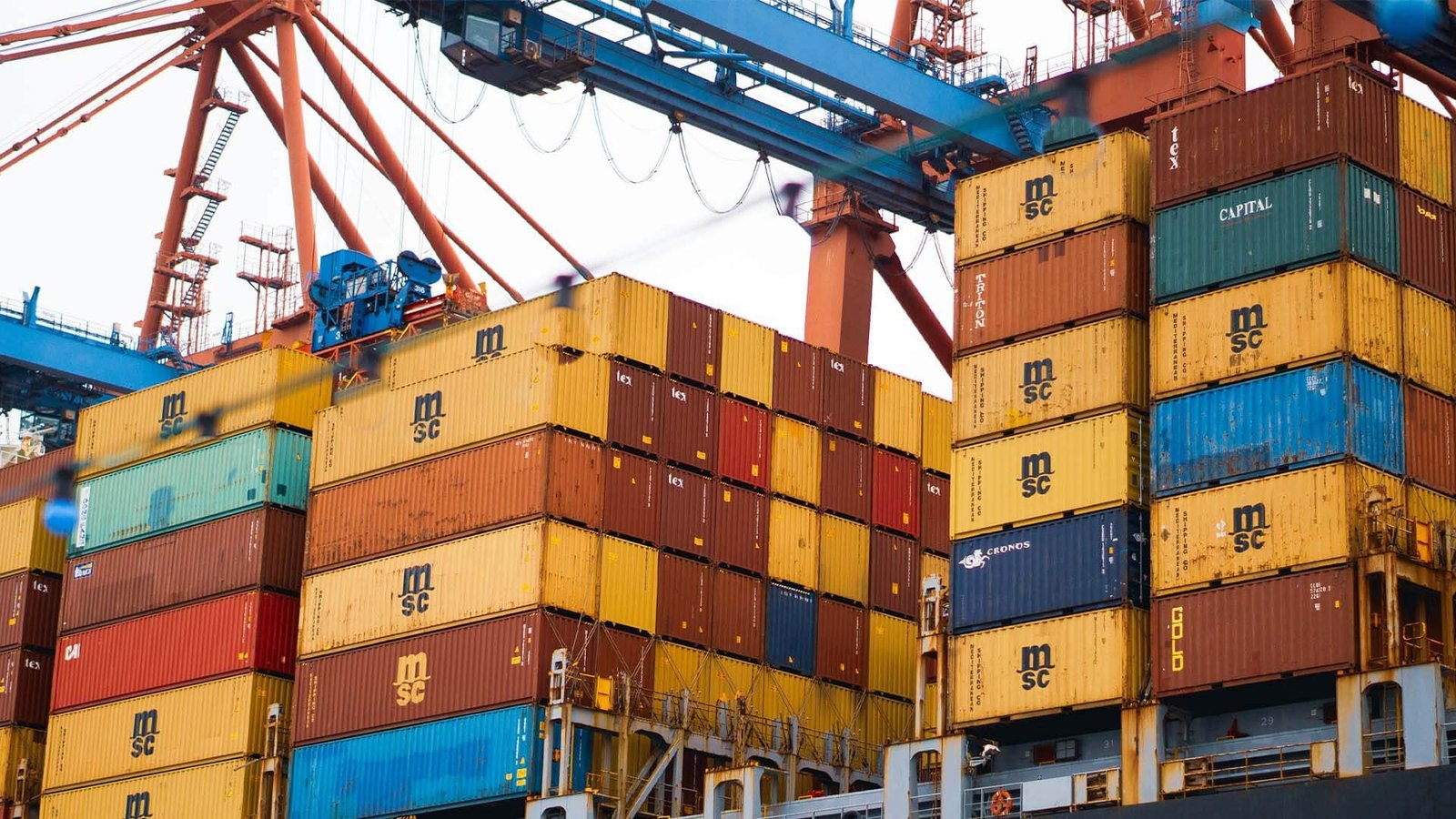
Many importers mistakenly believe that compliance ends once goods are released from the port. This is a dangerous assumption. Your responsibilities, especially regarding record-keeping and duty payments, continue long after. I once helped a client who was facing a massive penalty because their previous warehouse co-mingled duty-paid goods with duty-unpaid goods. It was an honest mistake, but a very expensive one. Your warehouse isn't just a storage facility; it is your partner in maintaining compliance and your first line of defense against risk.
Your Warehouse as a Compliance Hub
A properly managed warehouse is an extension of the customs process. It's a secure environment where goods can be held, inspected, and processed according to U.S. Customs and Border Protection (CBP) regulations. A warehouse partner with strong compliance expertise ensures that all activities are documented correctly. This creates an auditable trail that protects you in the event of a CBP review. They can also facilitate customs exams on-site, which is often faster and more secure than at a crowded port facility.
Understanding Bonded Storage and FTZs
We touched on bonded warehouses14 and Foreign Trade Zones (FTZs) earlier, but their compliance role is critical. By moving your goods directly from the port to a bonded warehouse, you are legally deferring the customs entry. This means you do not have to pay import duties and taxes until you are ready to sell the goods into the U.S. An FTZ offers even more flexibility, allowing you to manufacture, assemble, or repackage goods using foreign and domestic components before making a formal customs entry. This can sometimes change the tariff classification of the final product, leading to significant duty savings.
Mitigating Risk with Your Partner
A great warehousing partner proactively helps you manage risk. They understand the specific requirements for your products and ensure they are stored and handled correctly. They maintain meticulous records for the legally required five years. And if CBP has questions or selects your shipment for an exam, your partner manages the process, communicates with the authorities, and works to resolve the issue quickly. This peace of mind is invaluable.
How Can U.S. Importers Choose the Right Warehousing Partner to Scale and Optimize Their Supply Chain?
Is your current warehouse partner holding you back? If they can't keep up with your sales growth or handle peak season volumes, your entire business can stall.
The right warehousing partner aligns location, technology, compliance expertise, and capacity with an importer’s growth plans. Importers should evaluate integration with freight and customs6, scalability during peak seasons, and operational transparency to ensure warehousing supports long-term supply-chain performance.
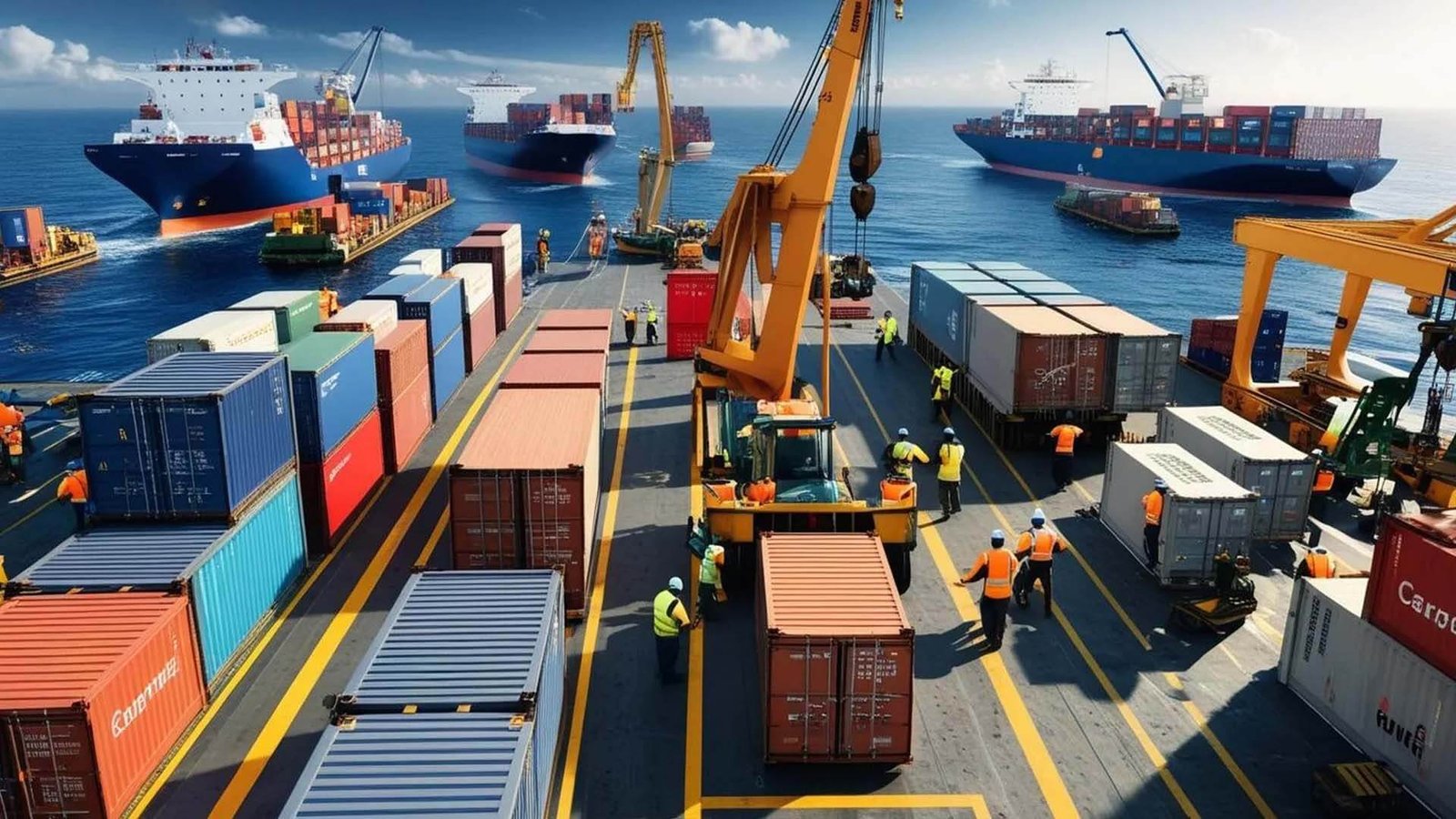
Choosing a warehouse is a long-term strategic decision, not a short-term cost-saving exercise. You're not just renting space; you are selecting a partner who will become a critical extension of your own operations. The cheapest option is rarely the best. I always advise importers to think about where their business will be in three to five years and choose a partner who can grow with them. A partner that offers a single, integrated solution for freight, customs, and warehousing is almost always the best bet for a growing importer.
Key Questions to Ask a Potential Partner
Before you sign any contract, you need to do your homework. Treat it like a job interview for a key employee.
- Do you specialize in handling imports from China and other countries? General-purpose warehouses may not understand the specific needs of importers.
- How does your WMS provide me with visibility, and can it integrate with my systems? You need real-time, easy-to-access data.
- What are your capabilities for customs compliance19? Ask specifically about bonded storage, FTZs, and experience with CBP exams.
- How do you manage labor and space to handle seasonal peaks? Get concrete examples of how they've helped other importers scale.
- Can you connect me with a few of your current clients who are importers like me? A confident partner will be happy to provide references.
Location, Location, Integration
The physical location of the warehouse is crucial. A facility located near your primary port of entry can dramatically reduce drayage costs and transit times. But even more important is the partner's ability to integrate the full chain of services. A provider who can manage your ocean freight, clear your goods through U.S. customs, and then seamlessly move them into their own warehouse offers unparalleled efficiency. This single point of contact eliminates the blame game between different vendors and simplifies your life.
Look for a True Partner, Not Just a Vendor
A vendor simply performs a task for a fee. A true partner invests in your success. They are proactive, bringing you ideas to save money and improve efficiency. They alert you to potential problems before they become critical. They have the expertise to guide you through complex compliance issues and the infrastructure to support your growth. When you find this kind of partner, your warehouse transforms from a cost center into a powerful competitive advantage.
Conclusion
Choosing the right warehousing partner transforms your supply chain. It moves you from simple storage to strategic control, driving efficiency, compliance, and growth for your import business.
Explore how modern solutions can replace outdated warehousing, saving costs and improving efficiency. ↩
Learn how integration can streamline operations and reduce costs in your import process. ↩
Learn about the role of inbound coordination in reducing delays and improving efficiency. ↩
Explore how effective inventory control can prevent stockouts and overstocking. ↩
Understand the advantages of having a warehousing partner integrated with freight and customs. ↩
Explore the benefits of having a warehousing partner that integrates with freight and customs. ↩
Discover strategies to minimize delays and improve inventory flow from port to distribution. ↩
Understand how enhanced visibility can lead to better inventory management and decision-making. ↩
Find out how to maintain a smooth flow of goods from port to final distribution. ↩
Learn how cross-docking can reduce storage time and improve distribution efficiency. ↩
Find out how transloading can optimize cargo handling and meet U.S. standards. ↩
Understand the benefits of palletizing for compliance and efficient distribution. ↩
Learn about the role of compliance labels in ensuring products meet regulatory standards. ↩
Explore how bonded warehouses can defer duties and improve cash flow for importers. ↩
Discover how FTZs can offer duty reduction and flexibility in handling imports. ↩
Learn about the flexibility and scalability offered by third-party logistics warehouses. ↩
Understand the benefits of using a WMS for real-time inventory management and accuracy. ↩
Learn how deferring duties can improve cash flow and reduce financial strain. ↩
Find out how warehousing can help manage customs duties and avoid penalties. ↩