Struggling to manage your e-commerce logistics1 from overseas? The complexity of shipping, customs, and delivery can quickly overwhelm your business, holding back your growth and hurting your bottom line.
Fulfillment providers2 support e-commerce importers by managing inventory storage3, order processing4, returns, and outbound shipping5 while integrating with inbound freight and customs clearance6. Beyond picking and packing, they help reduce delivery times, control inventory risk, and scale operations without requiring importer-owned warehouse infrastructure.
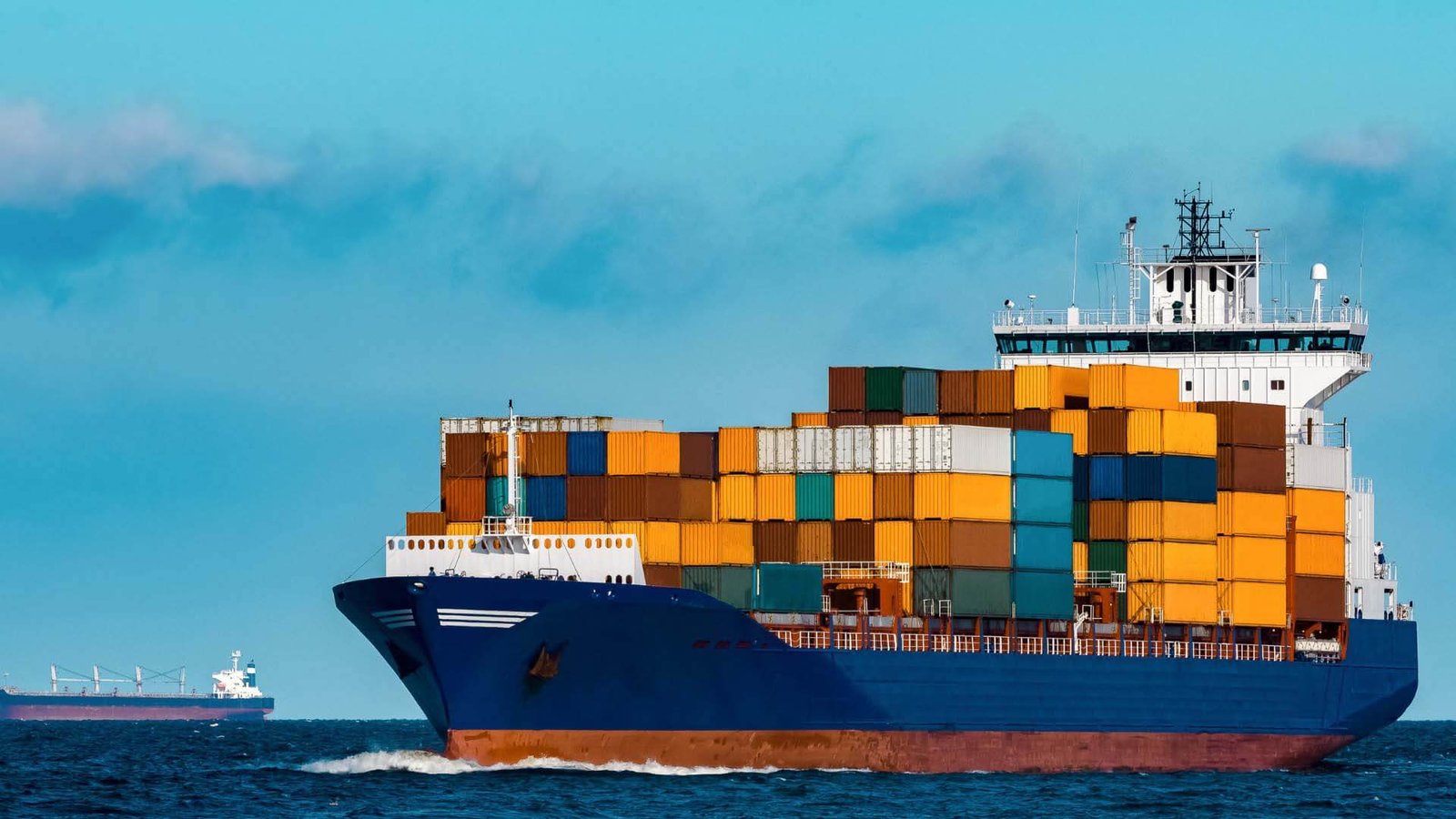
When I first started helping U.S. importers, many saw fulfillment as just a warehouse that packed and shipped orders. They were missing the bigger picture. A true fulfillment partner is a strategic asset, especially for anyone bringing goods into the U.S. from countries like China. They are the crucial link that connects your overseas factory to your American customer's doorstep. Thinking of them as just box packers is a costly mistake. Let's explore how they really support your business from end to end.
What Do Fulfillment Providers Actually Do for E-Commerce Importers Beyond Picking and Shipping Orders?
You think fulfillment is just about packing boxes. But this narrow view means you're missing out on services that could save you thousands and prevent huge operational headaches.
Fulfillment providers2 support e-commerce importers by managing inventory storage3, order processing4, returns, and outbound shipping5 while integrating with inbound freight and customs clearance6. Beyond picking and packing, they help reduce delivery times, control inventory risk, and scale operations without requiring importer-owned warehouse infrastructure.
When I talk to clients like Mark, who are detail-oriented and focused on cost savings, I always emphasize that the real value of a fulfillment partner lies in the services beyond the box. Picking and packing is the final step of a much longer process. A good partner manages the entire lifecycle of your inventory once it's on U.S. soil.
Comprehensive Inventory Management
This is more than just finding a shelf for your pallets. It involves receiving your container shipment, breaking it down, and accurately logging every single unit into a Warehouse Management System (WMS)7. This gives you real-time visibility into your stock levels, so you can make smarter purchasing decisions and avoid stockouts or overstocking. They also handle cycle counts and quality checks to ensure data accuracy.
Streamlined Reverse Logistics8 (Returns)
Returns are an unavoidable part of e-commerce. A fulfillment provider manages this entire process. They receive returned items, inspect them for damage, and determine if they can be restocked, refurbished, or liquidated. This saves you the massive headache of handling returns yourself and helps recover value from returned goods.
Seamless System Integration9
Your fulfillment partner's technology should integrate directly with your e-commerce platform (like Shopify or Amazon) and other systems. This automates the flow of orders, so when a customer clicks "buy," the order is sent to the warehouse instantly without manual entry. This reduces errors and speeds up the entire process.
How Do Fulfillment Partners Support Cross-Border Shipping, Customs, and Last-Mile Delivery10 in the U.S.?
Importing goods feels like a minefield. One mistake with customs or a delay in freight can halt your entire supply chain, costing you sales and creating angry customers.
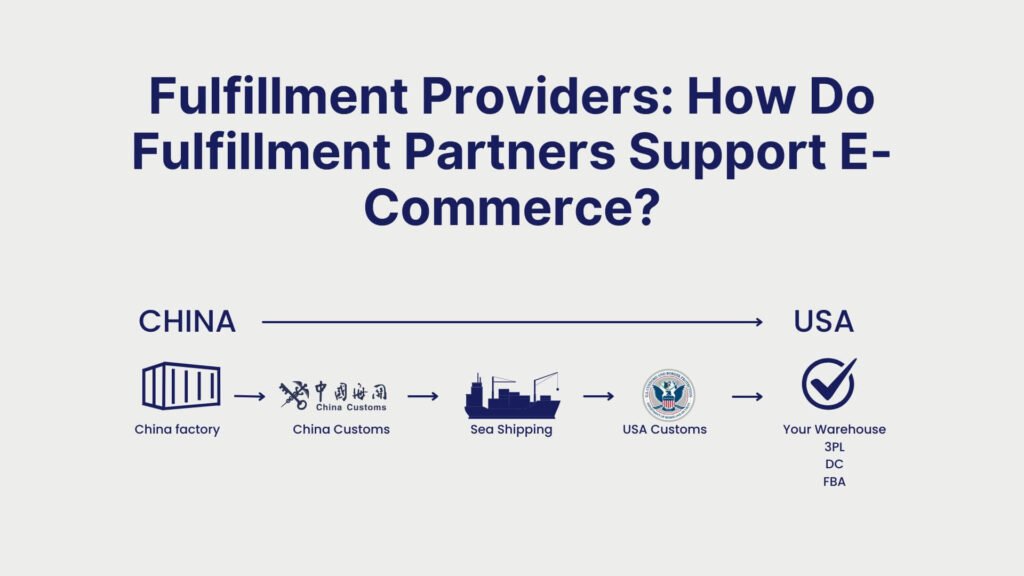
Fulfillment partners coordinate inbound shipping, customs clearance6, and domestic delivery to ensure imported inventory flows smoothly into U.S. distribution. By aligning freight arrival, compliance filings, and last-mile carriers, they reduce delays, prevent customs holds, and improve delivery performance for cross-border e-commerce sellers.
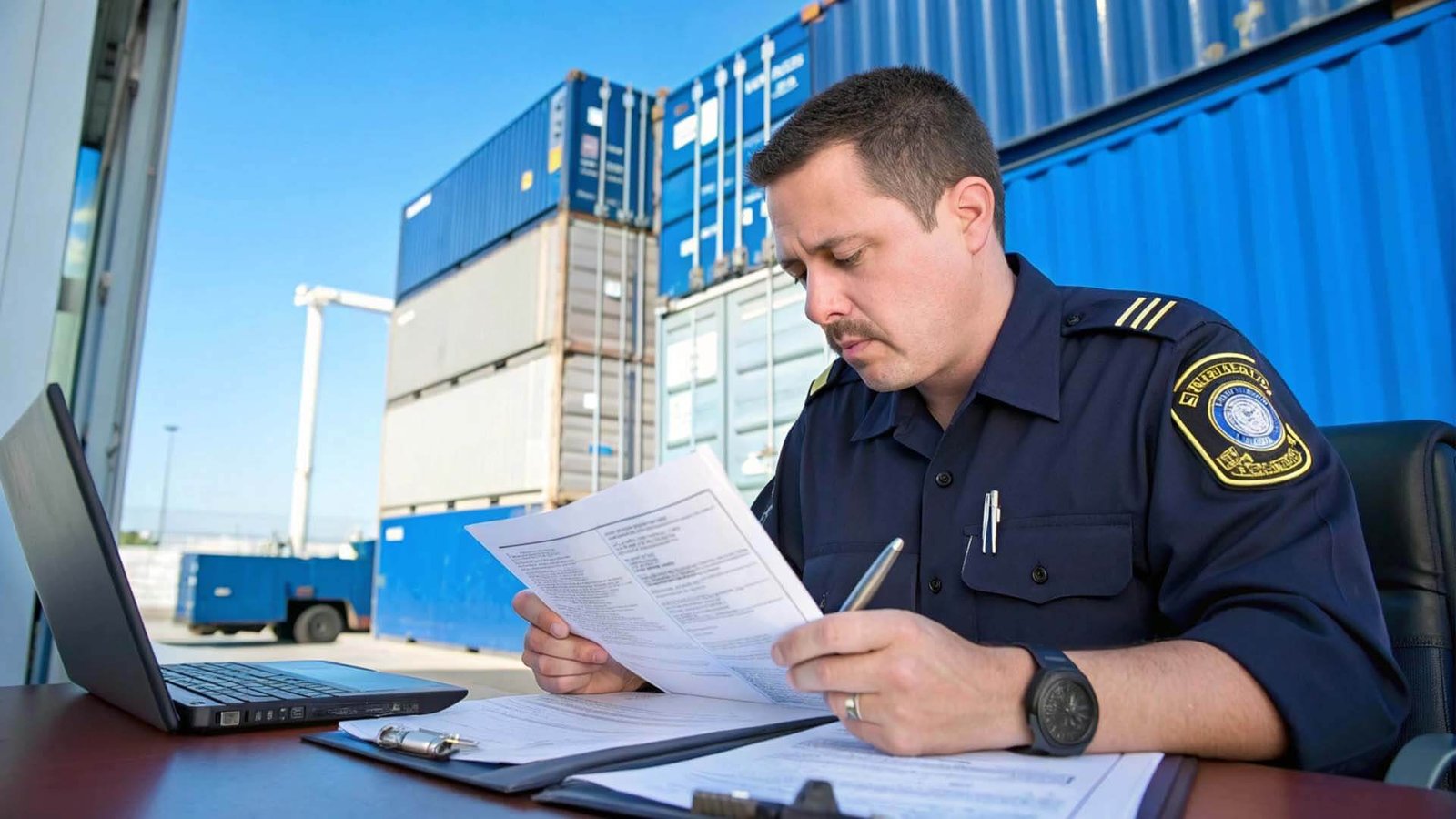
For U.S. importers, this is where a fulfillment provider proves its worth. The journey from a factory in China to a customer's home in the U.S. has many steps, and each one is a potential failure point. I had a client whose containers were constantly getting stuck at the port due to clearance issues before he found us. His previous partners didn't connect the dots between freight, customs, and fulfillment. A truly integrated partner manages this entire flow. They act as the quarterback for your logistics, ensuring a smooth handoff at every stage. This single point of coordination is critical for controlling costs and maintaining a reliable delivery schedule.
Here’s a breakdown of how these stages connect and the risks you face if they are managed poorly.
| Stage | Key Activities | Importer Risk if Mismanaged |
|---|---|---|
| Inbound Shipping | Overseas freight, vessel booking, arrival planning | Delays, demurrage charges, port congestion issues |
| Customs & Clearance | ISF filing, documentation, duties, inspections | Customs holds, expensive penalties, shipment seizure |
| Fulfillment Intake | Container unloading, receiving, inventory check-in | Inventory discrepancies, damaged goods, receiving delays |
| Order Fulfillment | Pick, pack, label generation | Shipping wrong items, incorrect addresses, slow processing |
| Last-Mile Delivery10 | Carrier handoff, tracking, final delivery | Late deliveries, lost packages, high shipping costs |
A partner that handles all these steps in-house or through a tightly integrated network eliminates the communication gaps that cause these expensive problems.
Which Types of Fulfillment Models Are Available and How Do They Fit Different E--Commerce Business Stages?
Choosing a fulfillment model is confusing. If you pick the wrong one for your business stage, you could end up paying too much or getting stuck with a system you can't grow with.
E-commerce fulfillment models include in-house fulfillment, third-party logistics providers, marketplace fulfillment, and hybrid approaches. Each model supports different growth stages, order volumes, and control requirements, allowing importers to balance cost, speed, and operational flexibility as sales scale.
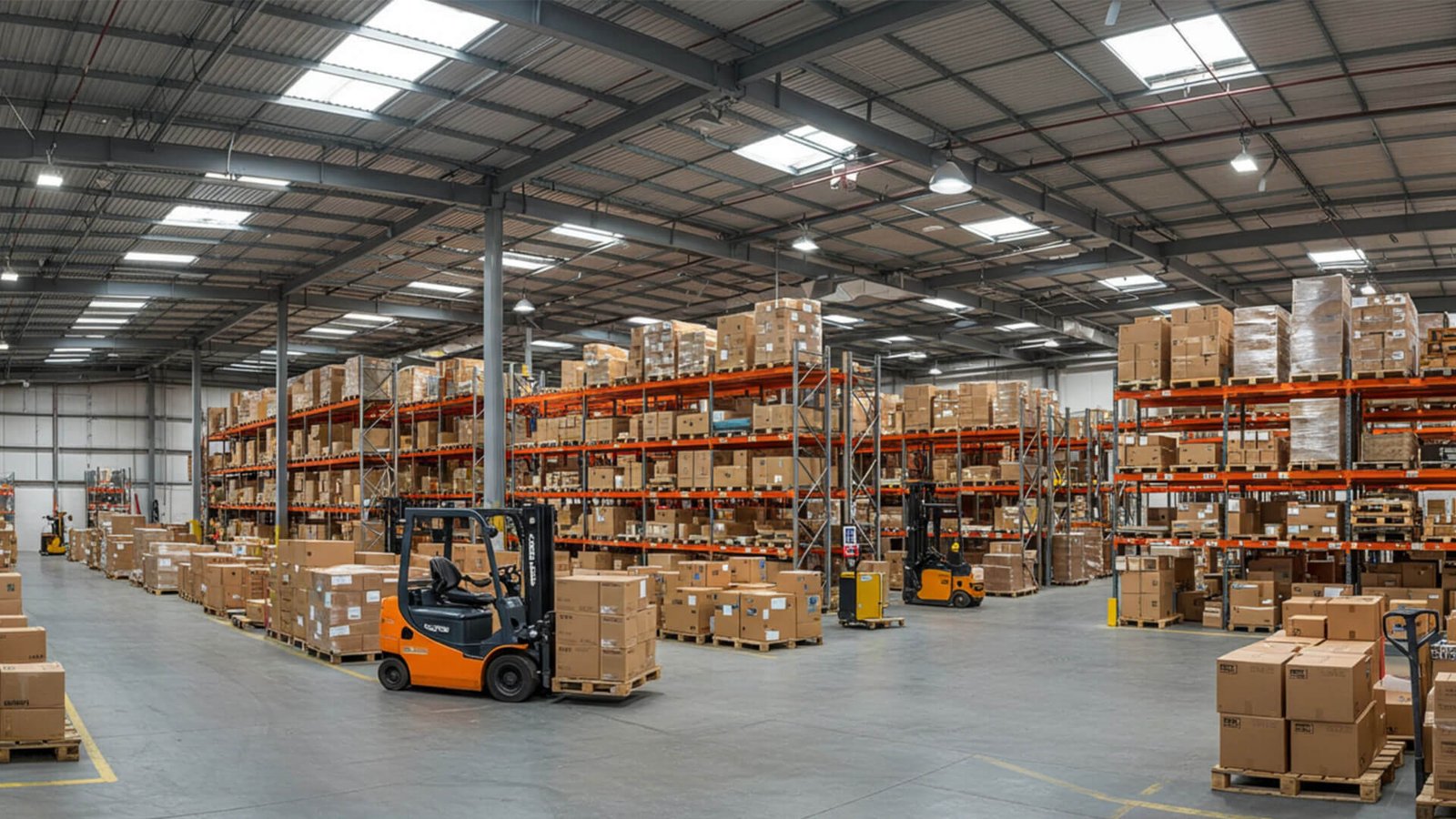
The right model depends entirely on your order volume, complexity, and growth plans. There is no one-size-fits-all solution. I advise my clients to honestly assess where their business is today and where they want it to be in two years. For example, a business just starting might handle shipping from their garage, but that quickly becomes impossible once you're importing full containers. Understanding the trade-offs of each model is key to making a smart, scalable choice that supports your business instead of holding it back.
Here is a simple comparison to help you understand the options.
| Fulfillment Model | Best For | Cost Control | Scalability | Key Trade-Off |
|---|---|---|---|---|
| In-House Fulfillment | Early-stage sellers, low volume | High (but with hidden costs) | Low | Capital and labor intensive; not scalable |
| 3PL Fulfillment11 | Growing brands, medium-to-high volume | Medium | High | Less direct, hands-on control over process |
| Marketplace Fulfillment | Sellers focused on Amazon, Walmart | Low (at scale) | Very High | Platform dependency, strict rules, branding limits |
| Hybrid Model | Multi-channel sellers with complex needs | Medium-High | High | High operational complexity, requires management |
For most U.S. importers I work with, a 3PL (Third-Party Logistics) provider offers the best balance. It gives you professional-grade logistics and the ability to scale without the massive investment in your own warehouses and staff.
How Do Fulfillment Providers Improve Delivery Speed, Order Accuracy, and Customer Experience?
Slow shipping and incorrect orders are killing your brand. Every mistake leads to a bad review, a lost customer, and damage to your reputation that's hard to repair.
Fulfillment providers2 improve performance through strategic warehouse locations, optimized picking workflows, and carrier integrations. Faster order processing4 and accurate inventory management reduce shipping times, minimize errors, and enhance customer satisfaction, which directly impacts repeat purchases and brand reputation.
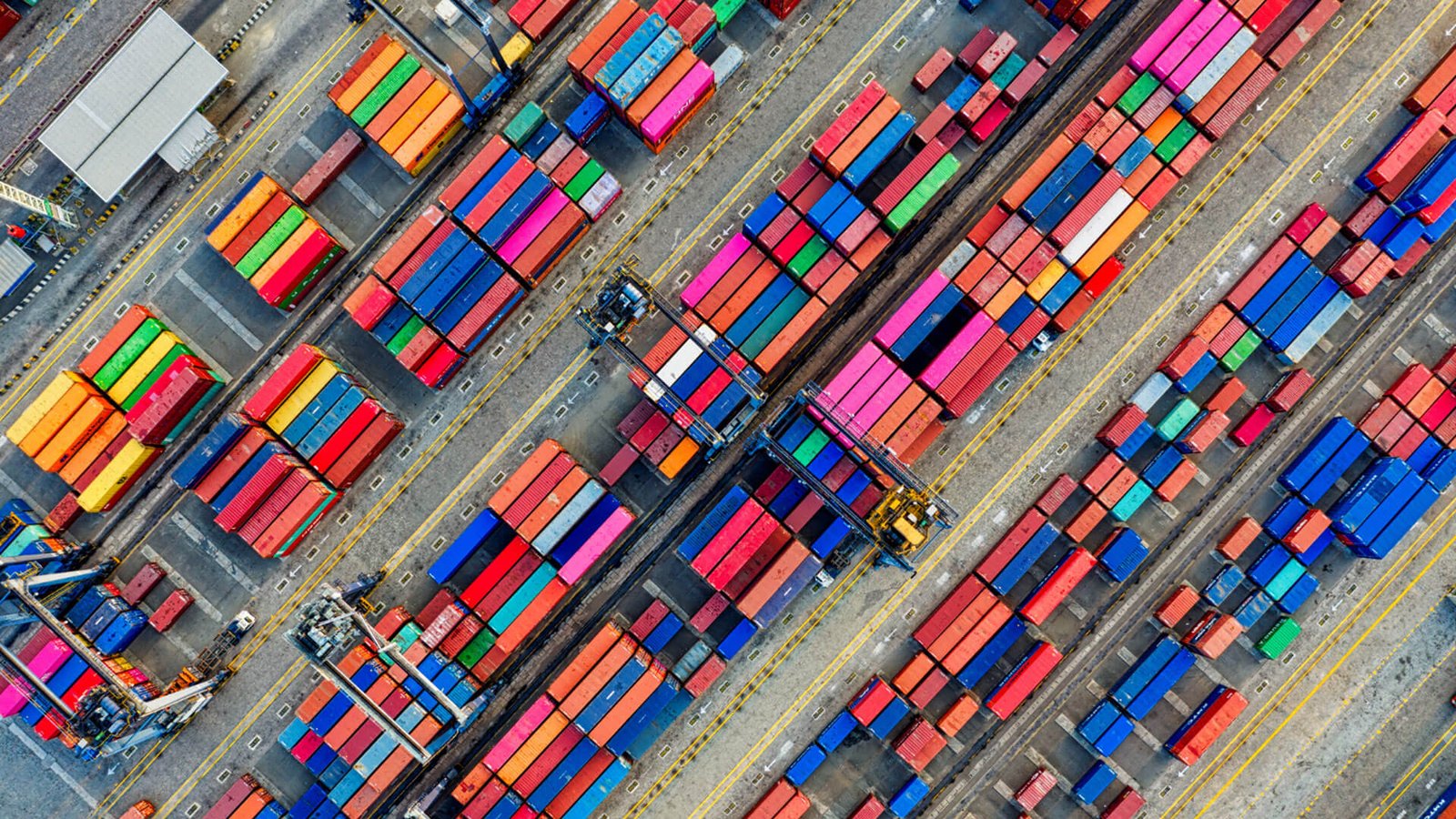
In e-commerce, the post-purchase experience is just as important as the pre-purchase one. Your customer doesn't care about your supply chain; they just want their order fast and correct. This is where a professional fulfillment partner directly impacts your bottom line. I've seen brands transform their customer feedback almost overnight just by switching to a provider that prioritizes speed and accuracy. It's a direct investment in your brand's reputation.
Boosting Delivery Speed
A key strategy is using a provider with multiple warehouses across the U.S. By distributing your inventory, you can store products closer to your customers. This reduces shipping zones, which lowers your shipping costs and enables 2-3 day ground delivery nationwide. This helps you compete with larger retailers without paying for expensive air freight.
Ensuring Order Accuracy
Modern fulfillment centers are technology-driven. They use barcode scanners at every step—receiving, putaway, picking, and packing—to verify that the right item is going into the right box. This systematic approach dramatically reduces human error. An accuracy rate of 99.9% is the standard I expect for my clients, as anything less leads to costly returns and unhappy customers.
Enhancing the Customer Experience
When an order is delivered quickly and accurately, the customer is happy. It builds trust and encourages repeat business. Many fulfillment partners can also support a better experience through custom packaging, branded packing slips, and providing timely tracking information that keeps the customer informed from checkout to delivery.
What Costs, Risks, and Operational Challenges Should Importers Expect When Outsourcing Fulfillment?
You think outsourcing fulfillment will solve all your problems. But hidden fees, poor service, and a loss of control can create a new set of nightmares if you're not careful.
Outsourcing fulfillment introduces costs such as storage, pick-and-pack, returns handling, and integration fees. Importers also face risks around inventory visibility, service-level alignment, and cost creep if contracts lack transparency, making careful provider selection and performance monitoring essential.

I believe in being transparent with my clients. Outsourcing is a powerful tool, but it's not a magic wand. You are handing over a critical part of your business to another company, and that comes with inherent risks and costs. The key is to go into the relationship with your eyes wide open. You need to understand the pricing model completely and establish clear expectations for performance from day one. I always tell importers to ask for a detailed, line-itemed quote and to never sign a contract that has vague or confusing terms.
Understanding the Cost Structure
Fulfillment pricing can be complex. Common fees include:
- Receiving: A one-time fee per pallet or carton to accept your inventory.
- Storage: A monthly fee, usually charged per pallet, bin, or cubic foot.
- Pick & Pack: A fee for each order processed, often with a per-item charge.
- Shipping: The actual cost of postage from carriers like UPS, FedEx, or USPS.
- Account Fees: A monthly fee for software access and support.
Mitigating Key Risks
The biggest risk is a loss of control. Your inventory is in someone else's building. To mitigate this, you need a partner with a great WMS that gives you 24/7 visibility. Another risk is poor service. Define your expectations in a Service Level Agreement (SLA)12 that covers order turnaround times, accuracy rates, and receiving timelines.
Overcoming Operational Hurdles
Integrating your sales channels with the provider's WMS can be a technical challenge. Ensure the provider has experience with your platform. Communication is another hurdle. You need a dedicated account manager who you can call directly when issues arise, not just a generic support email.
How Should U.S. Importers Choose a Fulfillment Partner That Scales With Sales and Inventory Growth?
Your current fulfillment partner is fine for now. But if they can't handle your growth, switching later will be a disruptive, expensive, and painful process for your business.
The right fulfillment partner offers scalable capacity, system integration, compliance support, and geographic coverage13 aligned with your growth plans. Importers should prioritize providers that connect inbound freight, customs clearance6, and fulfillment operations to maintain cost control and service reliability as order volumes increase.
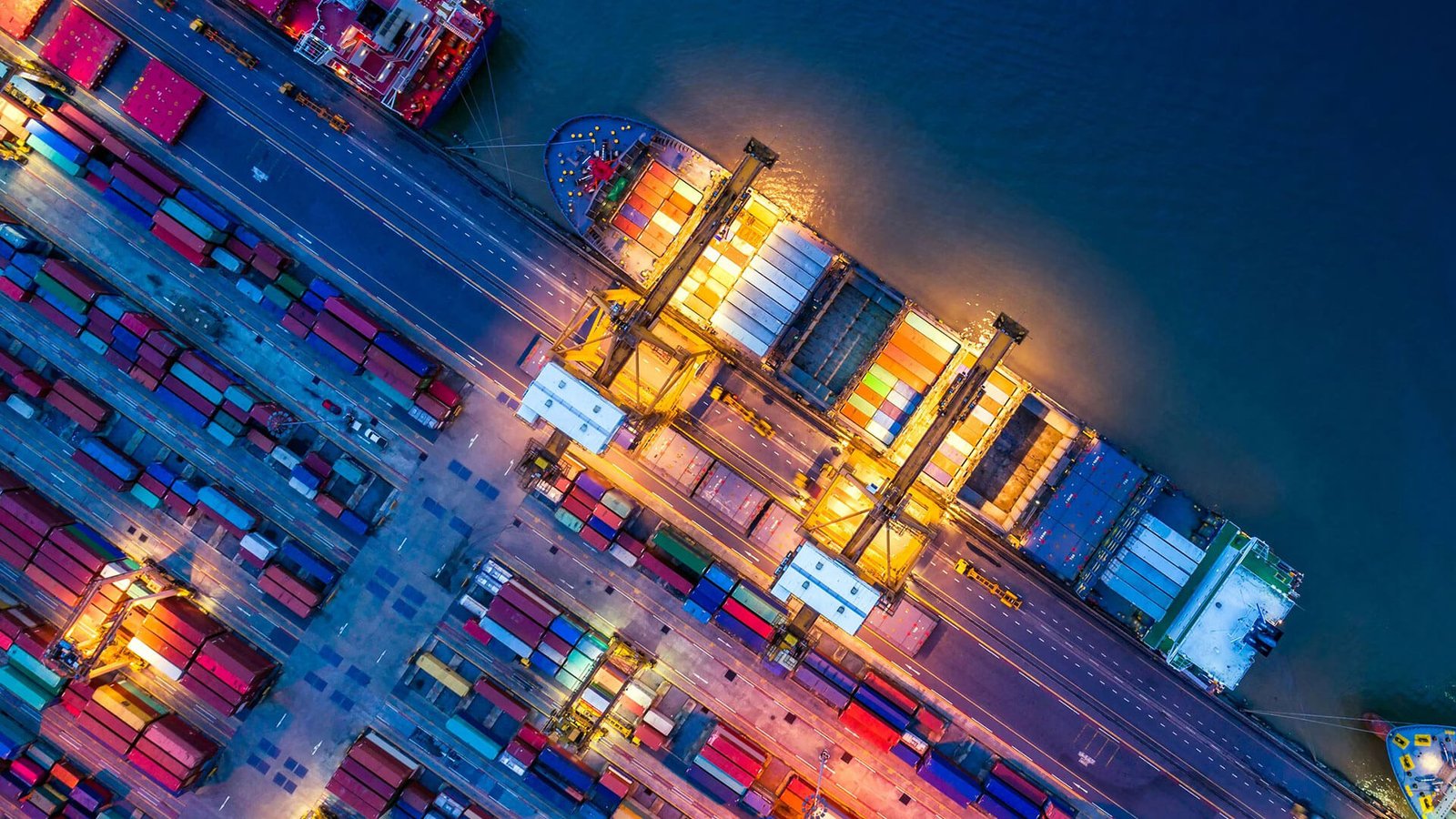
Choosing a fulfillment partner is like choosing a long-term business partner. You need to look beyond your immediate needs and find a provider who can support you in one, three, and five years. For an importer, the most important factor is finding a partner who understands the entire cross-border supply chain. My client Mark learned this the hard way. His first 3PL was great at domestic fulfillment but knew nothing about customs or drayage. This created a huge bottleneck. When he switched to an integrated provider, his entire operation became smoother and more cost-effective.
Scalable Infrastructure and Technology
Does the provider have the warehouse space to handle your inventory as you grow from one container a year to ten? Do they have multiple locations to help you reduce shipping times as you expand your customer base? Their technology must also be robust enough to handle increasing order volumes without slowing down.
End-to-End Service Capability
This is the most critical point for importers. A partner who can manage your ocean freight, clear your goods through U.S. Customs, and seamlessly transfer them into their fulfillment center is invaluable. This end-to-end model eliminates handoff delays, reduces the risk of port fees, and gives you one point of contact for your entire import-to-delivery process. It simplifies everything.
A True Partnership Mentality
Look for a provider who is invested in your success. They should offer transparent pricing, provide a dedicated account manager, and be willing to work with you to solve problems. They should feel like an extension of your own team, not just a vendor.
Conclusion
A fulfillment provider is more than a service; they are a strategic partner. For U.S. importers, choosing one that integrates freight, customs, and fulfillment is essential for scalable, cost-effective growth.
Understanding effective logistics strategies can streamline your operations and boost your business growth. ↩
Learn how fulfillment providers can enhance your business efficiency and reduce operational headaches. ↩
Proper inventory storage can prevent stockouts and overstocking, optimizing your supply chain. ↩
Efficient order processing is crucial for timely deliveries and customer satisfaction. ↩
Optimizing outbound shipping can reduce delivery times and improve customer satisfaction. ↩
Understanding customs clearance can prevent delays and penalties in your supply chain. ↩
A WMS provides real-time inventory visibility, aiding in smarter purchasing decisions. ↩
Reverse logistics can streamline returns and enhance customer satisfaction. ↩
Seamless system integration reduces errors and speeds up order processing. ↩
Efficient last-mile delivery ensures timely and accurate order fulfillment. ↩
3PL fulfillment offers scalability and professional logistics without heavy investment. ↩
A clear SLA ensures alignment of expectations and service quality with your provider. ↩
Wide geographic coverage can reduce shipping times and costs, enhancing customer satisfaction. ↩