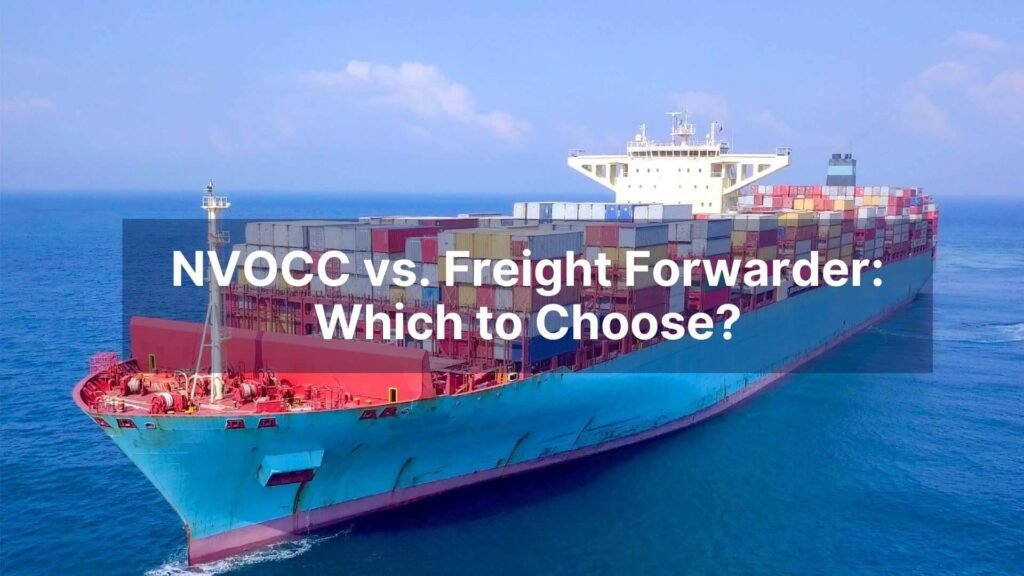
The shipping world can be confusing, especially when deciding between an NVOCC and a freight forwarder1. Understanding these roles is crucial for cost-effective logistics.
NVOCC (Non-Vessel Operating Common Carrier)2 arranges ocean transport without owning ships and can issue its own House Bill of Lading (HBL)3. A freight forwarder1 manages the broader shipping workflow—planning routing, booking carriers, managing documents, coordinating handoffs, and often supporting door-to-door delivery4. Importers choose based on scope and control needs.
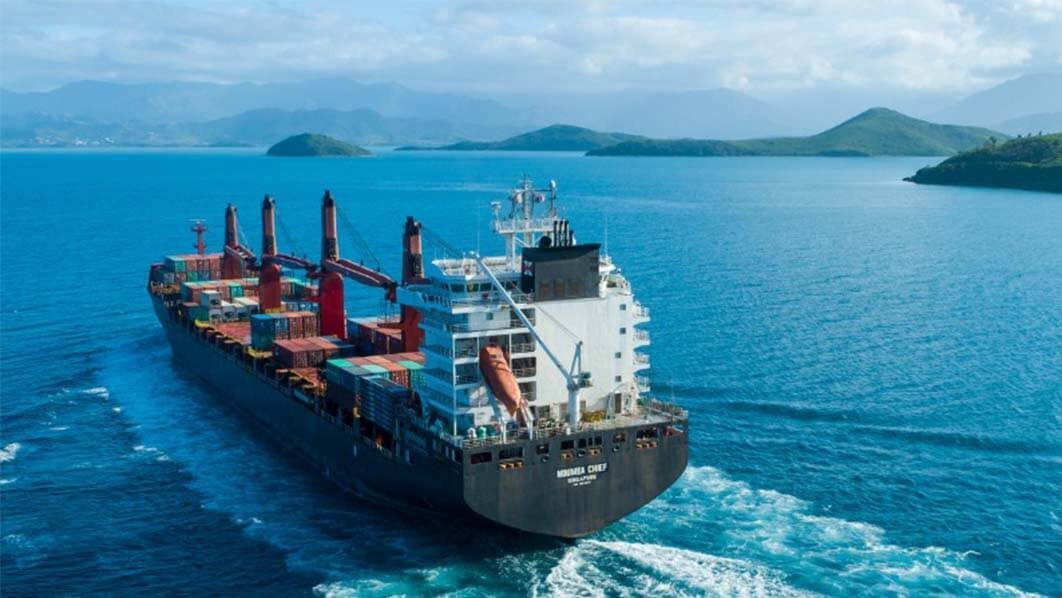
Choosing the right partner can make a significant impact on your shipping efficiency5. Many importers struggle with these choices, leading to delays and increased costs. You don't want to be one of them.
An NVOCC is a carrier-like ocean transport arranger that issues its own House Bill of Lading, while a freight forwarder1 manages the full international shipping workflow end-to-end?
The NVOCC operates like a carrier but does not own the vessels. They manage transport logistics and can issue their own House Bill of Lading (HBL)3. Conversely, freight forwarder1s are responsible for a comprehensive array of shipping tasks from start to finish, including planning, booking, and documentation.
NVOCCs typically issue HBLs while freight forwarder1s handle the shipment's logistics. Importers benefit from understanding these relationships to maintain control over their shipping processes.
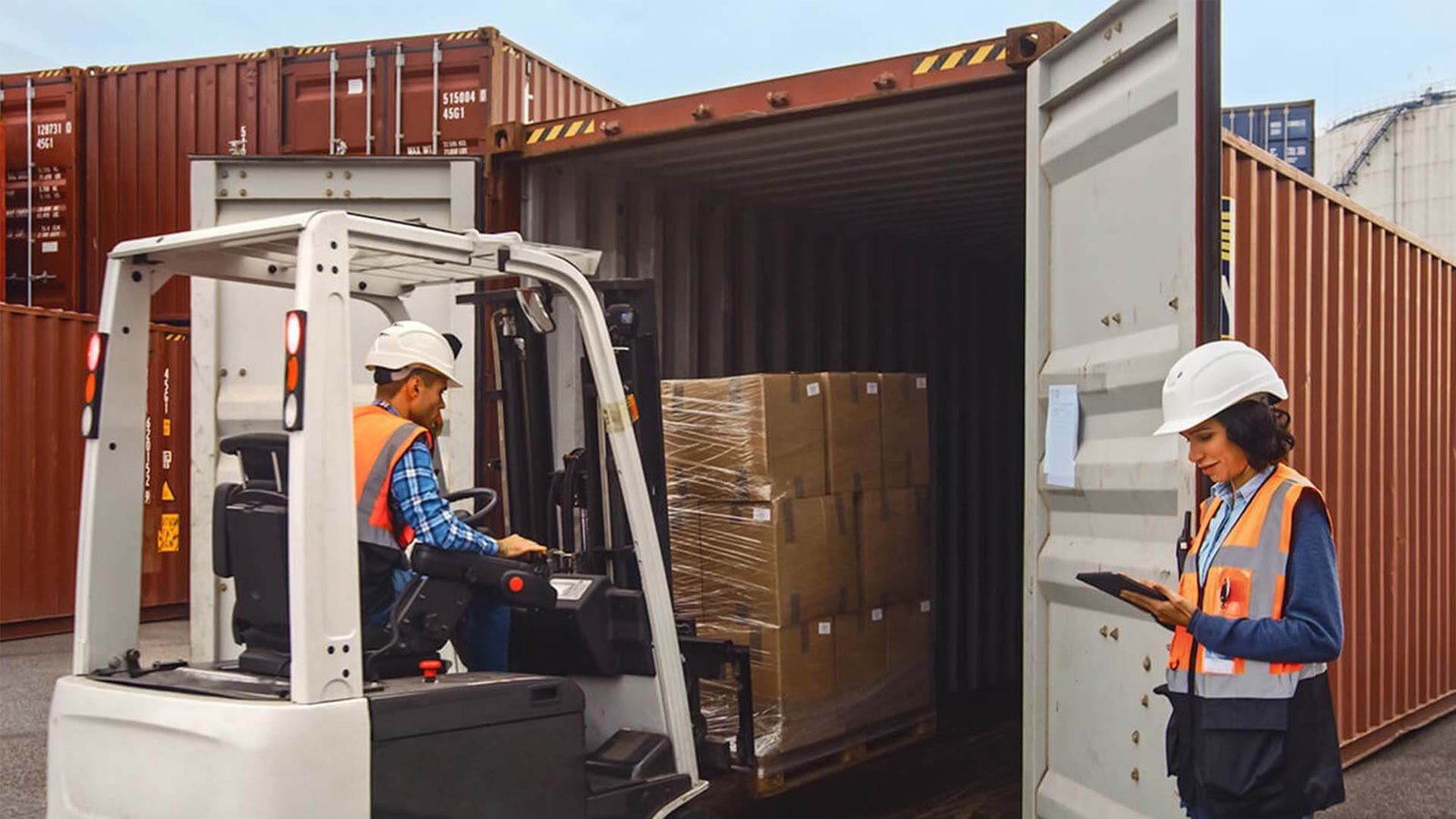
Diving deeper, both NVOCCs and freight forwarder1s are vital cogs in international shipping. Their roles can be simplified into a few key components:
| Term | Definition |
|---|---|
| NVOCC | Non-Vessel Operating Common Carrier; issues HBL. |
| VOCC | Vessel Operating Common Carrier; owns the ships. |
| Freight Forwarder | Manages entire shipping process. |
| Shipper | The entity that sends the goods. |
| Consignee | The entity that receives the goods. |
| HBL | House Bill of Lading; issued by NVOCC. |
| MBL | Master Bill of Lading; issued by VOCC. |
NVOCCs provide specific ocean transport terms, while freight forwarder1s take on broader roles. The choice depends on how much control and organization you need.
The most important difference for U.S. importers is who controls the shipment and paperwork—especially the bill of lading structure (HBL vs MBL) and release process?
Control over documentation can make or break a shipping schedule. NVOCCs usually issue HBLs, whereas the ocean carrier issues a Master Bill of Lading (MBL)6. The forwarder often manages the shipping instructions, which helps maintain clarity.
The key difference is who handles the paperwork. NVOCCs give you an HBL while freight forwarder1s often oversee the entire document accuracy process, which can minimize delays and errors.
The structure is important:
| Document | Issued By | Used For | Importer Impact | Common Mistakes |
|---|---|---|---|---|
| HBL | NVOCC | Specific shipments | Direct control | Miscommunication on release terms |
| MBL | VOCC | General shipment | Less visibility | Document errors causing delays |
Understanding these documents can be a game-changer, especially when it comes to getting your products on time.
NVOCCs are often best for ocean freight execution and container shipping reliability, while forwarders are better when you need door-to-door coordination, visibility, and multi-mode planning7?
NVOCCs are often the go-to for ocean freight due to their expertise in container shipping. They excel in providing reliable ocean transport services. On the other hand, freight forwarder1s shine in providing a comprehensive service experience, especially when you require additional coordination.
For ocean freight execution, NVOCCs usually offer better reliability. If you want door-to-door services or multi-modal transport, freight forwarder1s typically are the better choice.
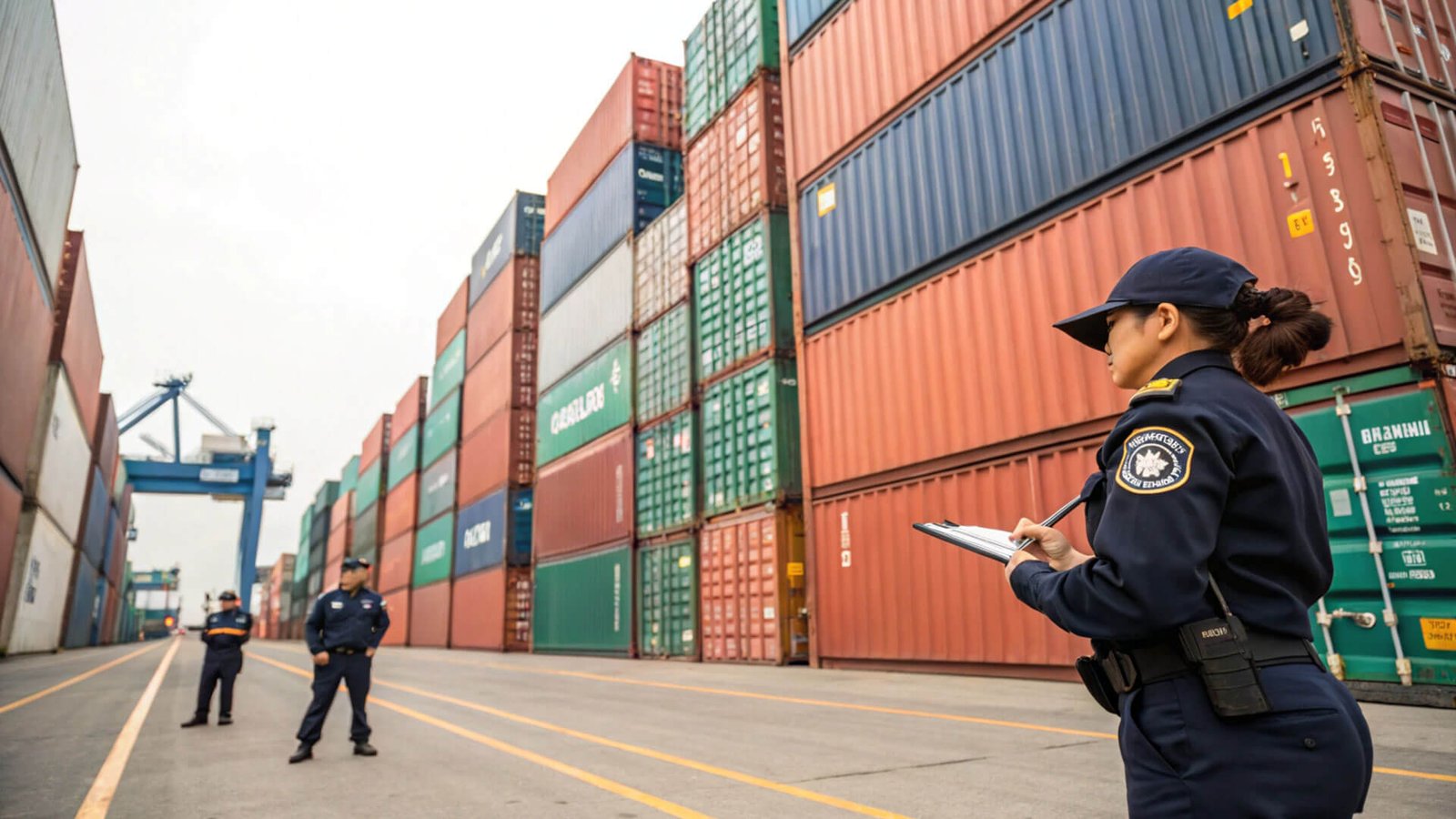
Importers might consider these scenarios:
- Port-to-port FCL: NVOCC is usually the right fit.
- Door-to-door: Freight forwarders typically excel here.
- Mixed modes: Freight forwarders often provide a better solution.
- High exception risk lanes: Using both could be the best approach.
This strategic division can save you time and money, aligning your logistics efficiently.
When it comes to pricing, there's a distinct difference in how NVOCCs and freight forwarder1s present their quotes. NVOCCs emphasize the ocean freight itself and associated carrier charges, while forwarders provide a wider scope including operational services.
Understanding how these quotes are structured can help you anticipate costs better. Forwarders' quotes often cover more ground but can sometimes mislead if you're only looking at initial rates.
Here's a closer look at the cost structure:
| Cost Line | NVOCC | Freight Forwarder | Notes for Importers |
|---|---|---|---|
| Base ocean freight | Yes | Yes | Always included |
| Origin handling | No | Yes | May vary based on service |
| Destination handling | No | Yes | Often included in total |
| Documentation | Yes | Yes | Essential for compliance |
| CFS/LCL fees | Sometimes | Yes | Consider for LCL shipments |
| Drayage/chassis | No | Yes | Essential for delivery |
| Delivery | No | Yes | Critical for door-to-door |
| Variable charges | Rarely | Yes | Watch for hidden fees |
The differences in pricing can affect your shipment's total cost significantly. Always analyze the quotes carefully.
Risk and accountability differ because the contracting party, claims handling, and exception management8 (rollovers, port delays, D&D) change based on whether you book with an NVOCC or a forwarder?
Different partners lead to different types of accountability. NVOCCs operate under carrier-like responsibilities when it comes to shipping, while freight forwarder1s manage the entire process, which includes exception management8.
Accountability issues can arise depending on your partner, impacting risk and delays. If you choose an NVOCC, be prepared for specific transport terms; with a forwarder, you'll likely have more comprehensive support.
To handle exceptions effectively, consider these questions:
- Who owns the issue?
- What is the response time?
- How is escalation managed?
- Who discloses costs?
- What is the prevention process?
- What kind of proof or backups are required?
Being clear about these factors can mitigate risks associated with delays or issues.
Use a decision checklist based on cargo type, Incoterms9, compliance complexity10, delivery deadline11, and internal team capacity12 to choose the right partner (or use both)?
Choosing between an NVOCC and a freight forwarder1 isn't always straightforward. If your team can manage inland delivery, an NVOCC might be the right choice. However, if your shipment involves complex customs processes or a need for visibility, a freight forwarder1 is often a better fit.
A detailed checklist can aid your decision-making process, ensuring you consider all aspects of your shipping needs.
Here's a simple checklist to guide you:
| Decision Factor | Weight | NVOCC Fit (1-5) | Forwarder Fit (1-5) | Notes |
|---|---|---|---|---|
| Door-to-door coordination | 20% | 1 | 5 | Assess need |
| Customs complexity | 15% | 2 | 5 | Evaluate risks |
| Visibility | 15% | 2 | 5 | Define importance |
| Quote transparency | 15% | 2 | 4 | Analyze breakdown |
| Exception handling | 20% | 2 | 5 | Determine risks |
| Internal bandwidth | 10% | 4 | 2 | Assess team capacity |
| Ocean-only need | 5% | 5 | 1 | Determine focus |
Using this scorecard can help clarify your choice.
Conclusion
Choosing between an NVOCC and a freight forwarder1 depends on your specific needs and capacity for managing logistics.
Discover the comprehensive services offered by freight forwarders, which can enhance your shipping efficiency and coordination. ↩
Understanding the role of an NVOCC can help you decide if it's the right choice for your shipping needs, especially if you require specific ocean transport terms. ↩
Learn about the HBL to understand how it impacts control over your shipments and the potential for miscommunication on release terms. ↩
Learn about the benefits of door-to-door delivery services, especially when using a freight forwarder for comprehensive shipping solutions. ↩
Explore how selecting the right partner can streamline your logistics, reduce delays, and lower costs. ↩
Understanding the differences between MBL and HBL can help you maintain better control over your shipping processes. ↩
Explore how multi-mode planning by freight forwarders can provide flexibility and efficiency in your shipping operations. ↩
Understanding exception management can help you mitigate risks associated with shipping delays and issues. ↩
Learn how Incoterms can influence your choice between an NVOCC and a freight forwarder, impacting compliance and delivery. ↩
Explore how compliance complexity can affect your decision, especially if your shipment involves intricate customs processes. ↩
Understand how strict delivery deadlines can influence whether you choose an NVOCC or a freight forwarder. ↩
Assessing your team's capacity can help determine if you need the comprehensive services of a freight forwarder. ↩