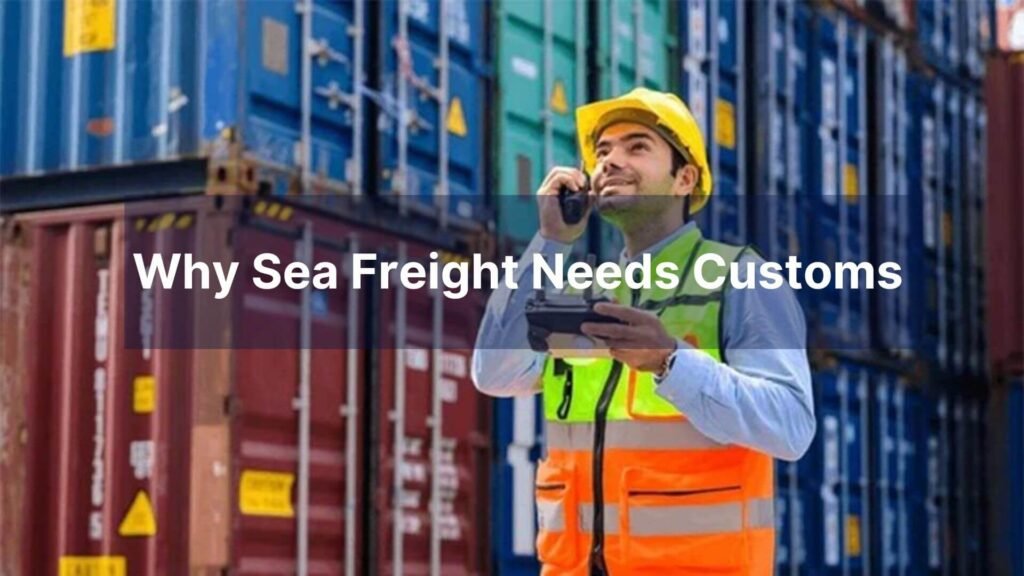
Every U.S. importer must understand the importance of customs in sea freight. Without proper compliance, your shipments may face significant delays and extra costs.
Sea freight needs customs because imported cargo cannot legally enter U.S. commerce until it is declared and reviewed through the customs entry process1. CBP requires key compliance data—HTS classification2, declared value, and country of origin—to assess duties and confirm admissibility. Without a proper customs entry, ocean cargo cannot be released for delivery.
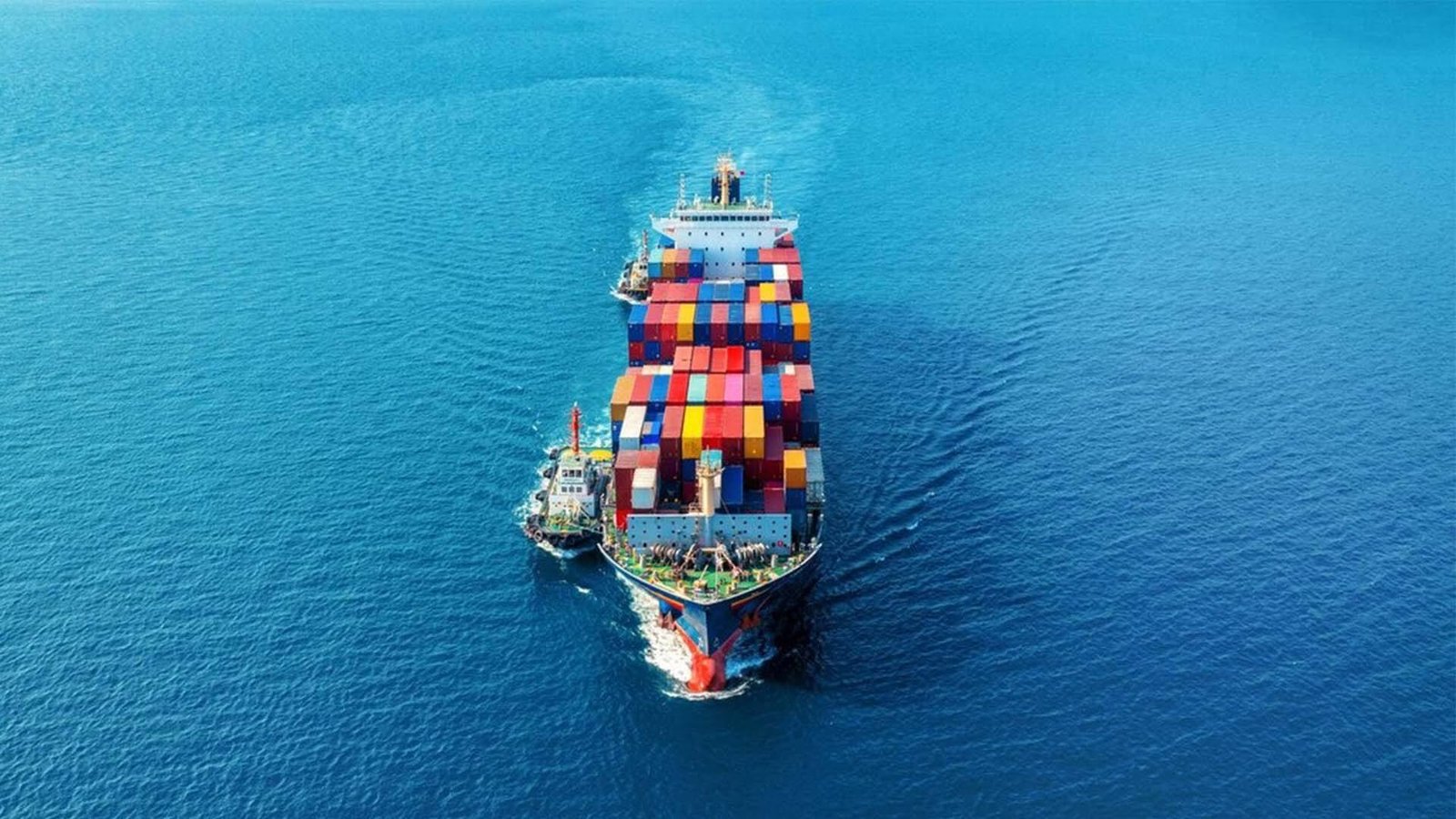
Most importers think customs is just another bureaucratic hurdle. But, it is essential for the successful entry of your cargo. Understanding customs clearance can save you time and money. Let's explore why sea freight needs customs and how to navigate this critical process.
Sea freight requires customs because every international ocean shipment must be declared to CBP with verified classification, valuation, and origin before it can legally enter U.S. commerce?
Every shipment that crosses borders goes through customs. It’s not just an inconvenience; it’s a legal requirement. Customs helps ensure that all goods are accurately classified and valued. This is crucial for determining appropriate duties and tariffs.
| CBP needs the following to release cargo: | HTS Code | Value | Origin | Importer of Record | Bond | Required Docs |
|---|---|---|---|---|---|---|
| Required | Required | Required | Required | Required | Required |
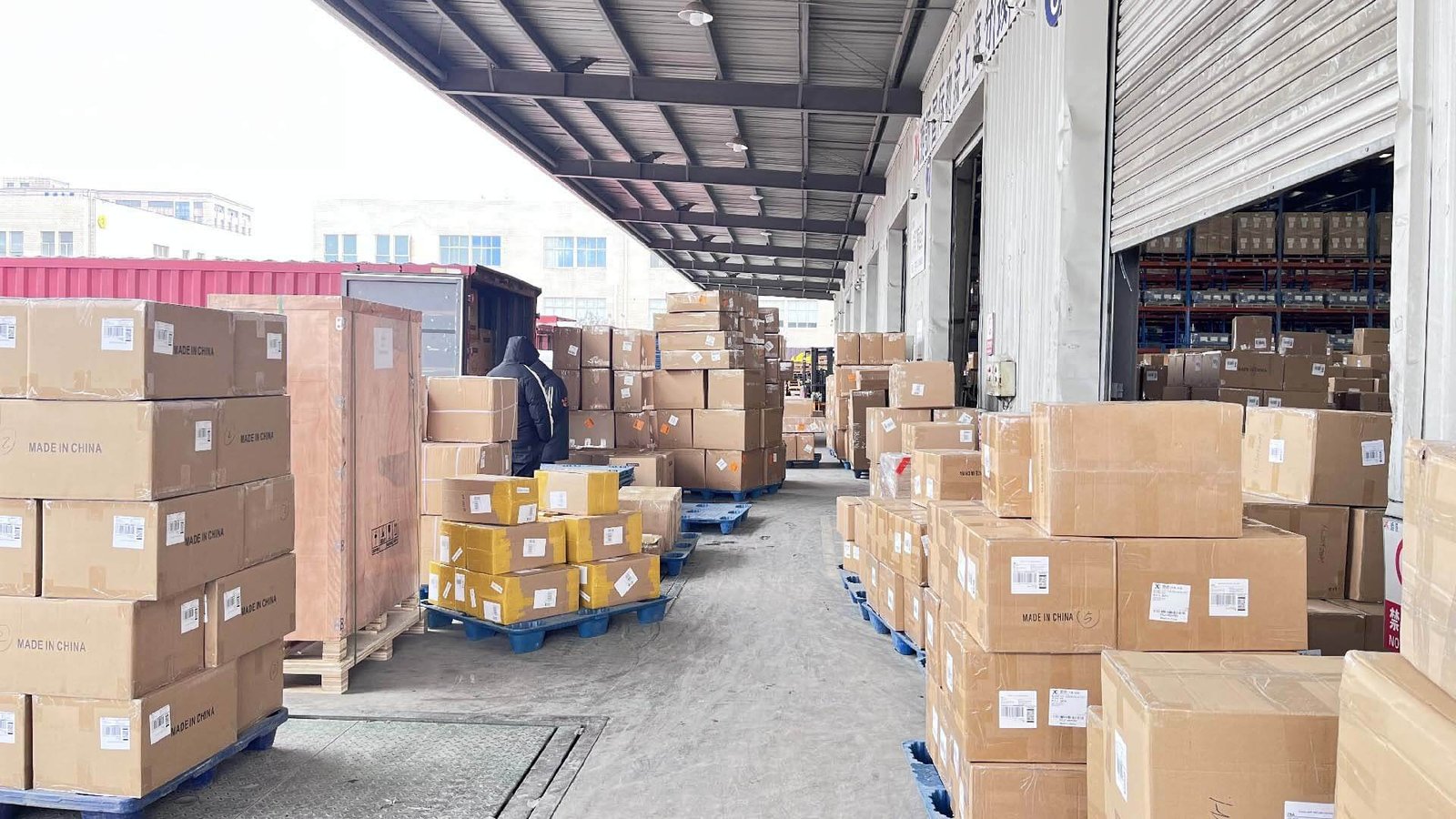
The process may seem complex, but knowing what to expect can help you prepare your documents. Inaccurate information can lead to delays or even penalties. Proper documentation is the foundation for smooth clearance.
Ocean imports have unique compliance requirements (especially ISF “10+2”, customs bonds3, and entry filing timelines) that directly affect release speed and penalty risk?
When you import goods by sea, things get a bit more complicated. You need to handle certain compliance requirements that can affect how quickly your shipment is released.
Ocean freight has extra compliance steps that don’t apply the same way in other modes, especially ISF (Importer Security Filing4, “10+2”) and customs bond requirements. ISF timing and bond readiness affect whether entry can be filed smoothly. Late or inaccurate filings can create penalties, holds, or costly rework that delays release.
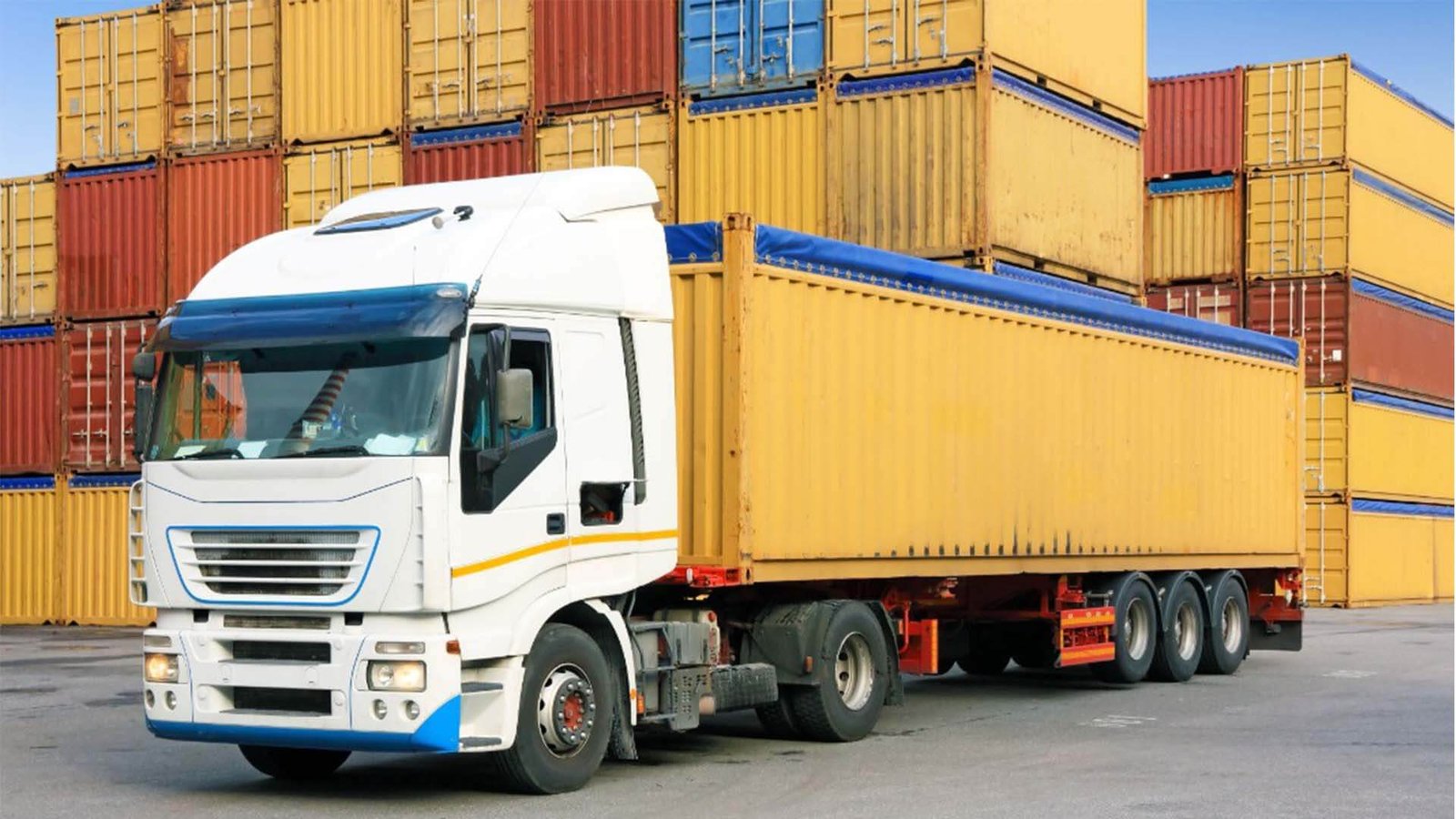
Ocean Compliance Deadlines:
- ISF Data Readiness: Must be filed at least 24 hours before loading.
- Bond Activation: Ensure bonds are in place prior to shipment departure.
- Entry Filing Window: Complete within 15 days of arrival.
- Arrival Notice and Final Docs Timing: Prepare final documents as soon as you receive the arrival notice5.
Understanding these timelines is critical. Missing a deadline can lead to significant penalties or delays. Be proactive in managing your compliance requirements.
Customs clearance depends on document accuracy (Commercial Invoice6, Packing List7, Bill of Lading8, arrival notice5), and mismatches are a top cause of holds and exams?
The truth is, customs clearance is all about the documents. Each paper must be accurate and consistent.
Customs clearance succeeds or fails based on documentation quality. CBP entry data must match the Commercial Invoice6, Packing List7, and Bill of Lading8, while arrival notice5 timing supports release planning. Common delays occur when descriptions are too generic, consignee details are wrong, or invoice values don’t align across documents—leading to holds, exams, or amendments.

Sea Freight Document Checklist:
- Commercial Invoice6: Ensure value, Incoterms, and HS code are correctly documented.
- Packing List7: Include carton counts, weights, and dimensions.
- Bill of Lading8: Double-check consignee and notify party details.
- Arrival Notice: Confirm receipt and prepare for entry filing.
- Broker POA + Bond Info: Ensure all permissions are in place.
- ISF Data Pack: Prepare and verify for submission.
Document Mismatches That Trigger Issues
| Mismatch | Example | Outcome | Prevention |
|---|---|---|---|
| Generic descriptions | "Electronics" | Hold | Use detailed product descriptions |
| HS classification mismatch | Incorrect code | Exam | Validate HS codes beforehand |
| Value inconsistencies | Different values | Hold | Confirm values across documents |
| Origin inconsistencies | Misstated country | Exam | Verify origin consistency |
Accurate documents mean fewer holds and a smoother experience. Avoid generic descriptions and ensure that every detail is consistent across all paperwork.
Importers need customs for cost control because duty calculation9, tariff exposure10, and government fees (MPF/HMF11 where applicable) are determined during the entry process?
Customs isn’t only about compliance; it’s also crucial for managing costs.
Customs is not only a compliance requirement—it directly determines landed cost. Duties and tariff exposure10 are calculated based on HTS classification2, origin rules, and customs value. Government fees such as MPF and HMF may apply depending on the entry. Accurate entry filing protects importers from overpayment, underpayment risk, and unexpected duty surprises.
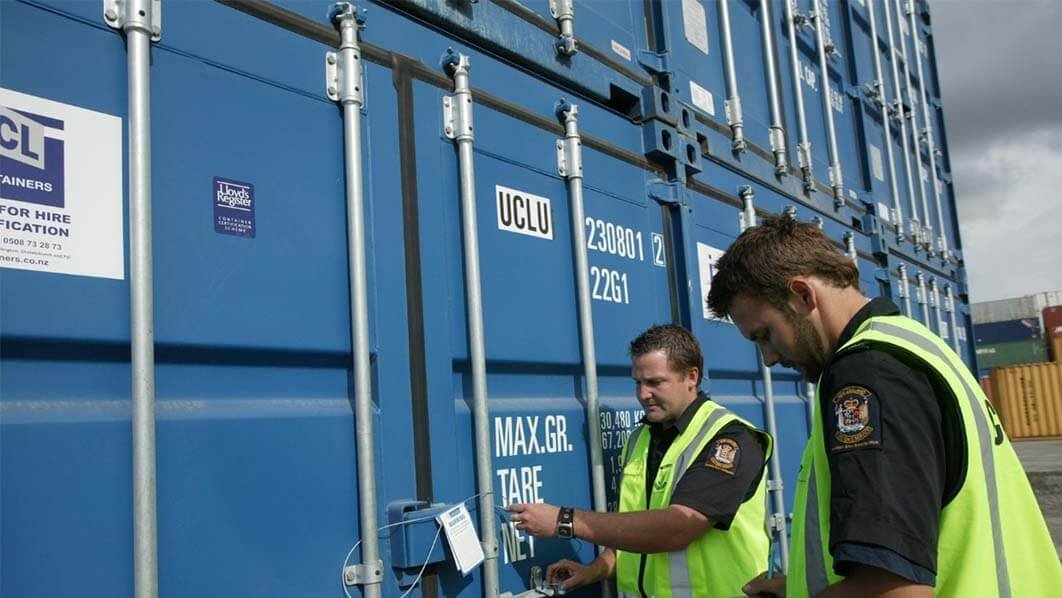
Landed Cost Components Controlled by Customs Entry:
| HTS Code | Duty Rate | Tariffs | MPF | HMF | Broker Fees | Exam-Related Fees |
|---|---|---|---|---|---|---|
| Defined | Based on classification | Applicable tariffs | Varies | Varies | Varies | Potential penalties |
Understanding these components will help you manage your costs. An accurate customs entry protects you from unexpected charges.
The fastest way to avoid delays and demurrage/detention12 is proactive broker + forwarder coordination from pre-alert13 to release and port pickup planning?
Delays are often caused by a lack of coordination. The best way to avoid them is through proactive planning.
Most ocean freight delays happen after arrival—when clearance, holds, and port pickup aren’t synchronized. Importers avoid demurrage and detention by coordinating forwarder milestones with broker entry filing early, validating documents before ETA, and scheduling drayage14 immediately after release. A disciplined “pre-alert13 → file → release → outgate → empty return” SOP reduces downtime and fees.
Workflow Diagram:
- Supplier prepares CI/PL and confirms cargo-ready date
- Forwarder/NVOCC books ocean freight and confirms cutoffs
- Pre-alert created (routing + BL data + document pack)
- Importer/broker validates HS/value/origin + bond readiness
- ISF filed (ocean requirement)
- Cargo arrives; arrival notice5 issued
- Broker files entry → CBP review (release vs hold/exam)
- Release issued; drayage14 scheduled for pickup
- Delivery completed; empty container return managed
- Invoice audit and exception review (KPI + prevention)
Effective communication with both your forwarder and broker is essential. This will ensure a smoother process from shipment to delivery.
Conclusion
Understanding customs for sea freight is critical for ensuring compliance and cost control in U.S. imports.
Understanding the customs entry process is crucial for ensuring your sea freight shipments are compliant and avoid delays. ↩
HTS classification determines duties and tariffs, impacting the cost and legality of importing goods. ↩
Customs bonds are essential for ensuring compliance and avoiding penalties during the import process. ↩
ISF is a critical compliance step that affects the speed and legality of your ocean freight shipments. ↩
The arrival notice is key for timely customs entry filing and planning the release of shipments. ↩
The Commercial Invoice is vital for accurate customs clearance, affecting duties and shipment release. ↩
A detailed Packing List ensures accurate customs processing and prevents shipment delays. ↩
The Bill of Lading contains crucial shipment details that must align with customs documentation. ↩
Understanding duty calculation helps manage costs and avoid unexpected charges during import. ↩
Tariff exposure affects the overall cost of importing goods and must be managed carefully. ↩
MPF and HMF fees are government charges that can impact the total cost of importing goods. ↩
Avoiding demurrage and detention fees requires proactive coordination and planning with brokers and forwarders. ↩
A pre-alert helps synchronize logistics and customs processes, reducing delays and costs. ↩
Drayage is a critical step in the logistics chain, affecting the timely delivery of imported goods. ↩