Fulfillment and warehousing are key drivers for business success, especially for U.S. importers. They provide solutions that streamline operations and enhance customer satisfaction.
Fulfillment and warehousing improve delivery speed by placing inventory closer to customers. Instead of shipping every order from one location, businesses can use strategically located warehouses1 or 3PL fulfillment centers2 to reduce transit time, increase on-time delivery, and improve customer satisfaction. Faster delivery also lowers support tickets and helps businesses compete in crowded markets.

Fulfillment and warehousing can be the backbone of a thriving business. They offer significant advantages, particularly in meeting customer demands efficiently. The right approach to positioning inventory can lead to faster delivery times and a better overall customer experience. Let’s explore how these strategies can transform your business.
Fulfillment and warehousing help businesses shorten delivery times and improve customer experience by positioning inventory closer to demand?
The speed at which products reach customers can make or break a business. With fulfillment centers, businesses can position their inventory strategically. This not only shortens delivery times but also enhances the customer experience. Warehouse proximity to demand ensures orders are fulfilled quickly.
Strategic inventory placement directly drives delivery speed and impacts overall costs. By leveraging a multi-node network3 rather than a single warehouse, businesses can improve their service levels and reduce expenses.
| Inventory Placement | Delivery Speed Impact | Cost Impact | Best Fit |
|---|---|---|---|
| Single Warehouse | Longer delivery times | Higher shipping costs | Low volume operations |
| Multi-Node Network | Shorter delivery times | Lower shipping costs | High volume, diverse channels |
| Regional Fulfillment | Optimized delivery speed | Balanced costs | Mixed demand fluctuations |
Using a fulfillment warehouse lowers total landed cost4 by reducing storage waste, shipment rework, last-mile costs5, and avoidable exception fees?
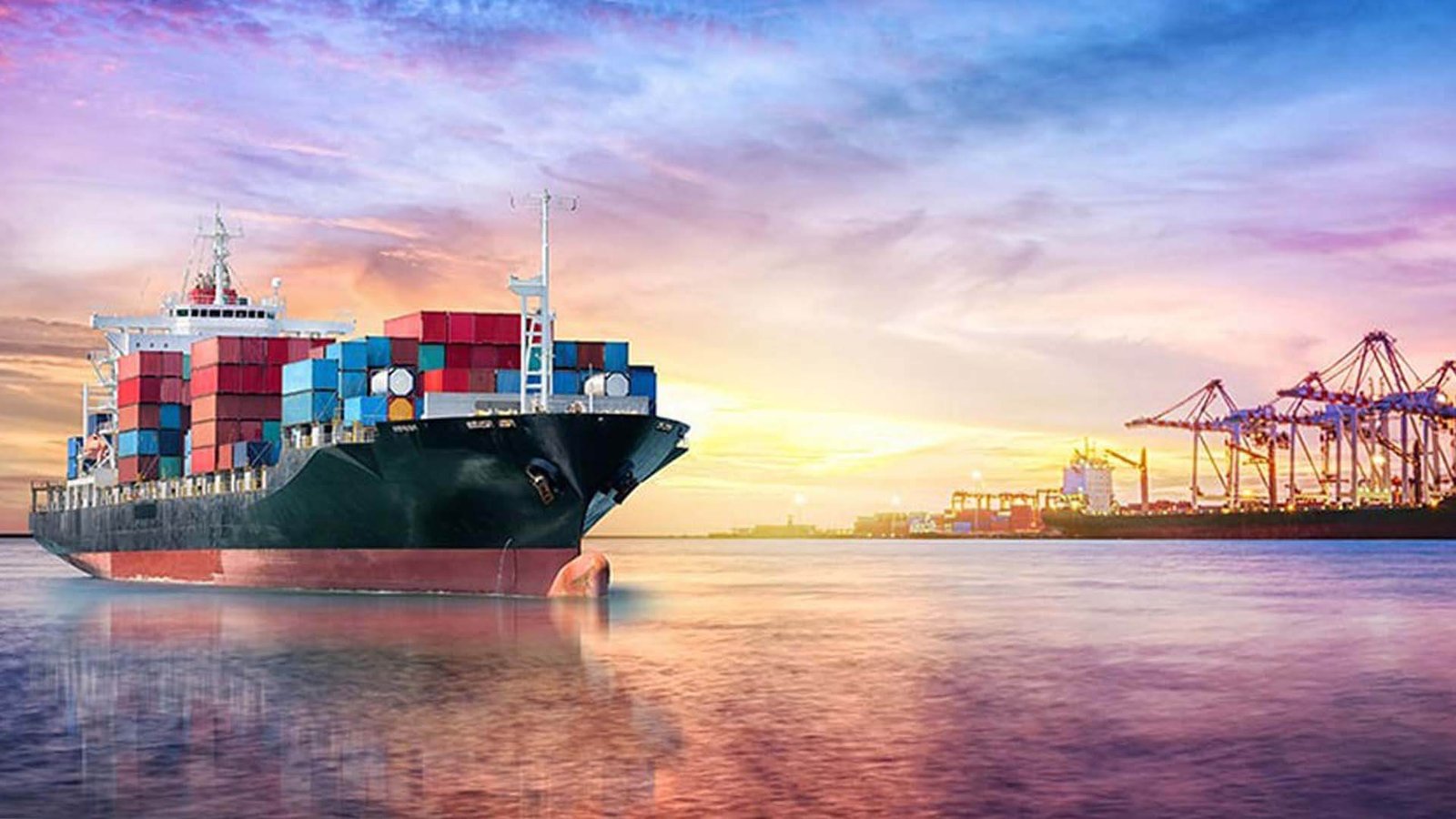
Cost efficiency is crucial for any business, and fulfillment warehouses play a vital role in this area. By minimizing waste and optimizing processes, companies can significantly lower their total landed cost4s.
Fulfillment warehouses reduce total landed cost4 by improving storage efficiency, reducing re-handling, and optimizing outbound shipping rates. For importers, warehousing also reduces expensive exceptions like re-delivery, missed appointment fees, and urgent expediting caused by stockouts. The right fulfillment setup helps businesses control variable costs instead of reacting to delays.
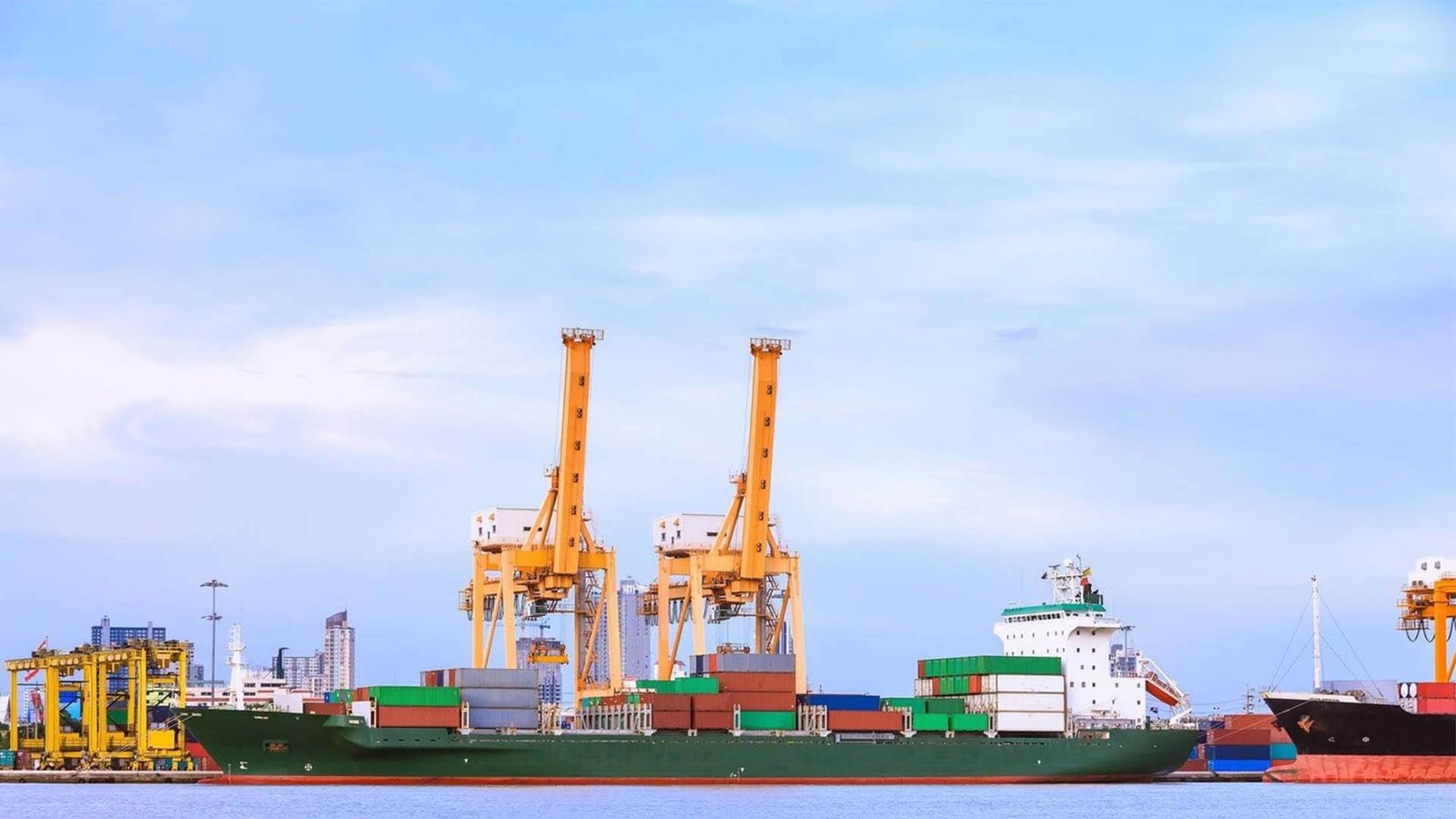
| Benefit | What it Improves | Cost Impact | KPI to Track |
|---|---|---|---|
| Lower last-mile cost | Overall shipping expenses | Significant cost savings | Shipping cost per order |
| Reduced rework / fewer touches | Operational efficiency | Lower handling costs | Touches per shipment |
| Fewer stockout-related expedite costs | Inventory management | Reduced emergency shipping fees | Stockout rate |
| Better storage utilization | Space efficiency | Lower rental costs | Storage space utilization |
| Lower order processing cost | Order fulfillment throughput | Reduced labor costs | Orders processed per hour |
Warehouse fulfillment increases inventory accuracy6 and operational control through standardized receiving, scanning, cycle counts, and SKU-level traceability7?
Accurate inventory management is essential for any business looking to scale. Warehouse fulfillment increases accuracy and control through standardized processes that enhance operational efficiency8.
Inventory accuracy is the foundation of scalable fulfillment. A strong fulfillment warehouse uses barcode scanning at receiving, standardized SKU labeling, cycle counting, and system-controlled putaway to reduce shrinkage and mis-picks. Better traceability improves customer satisfaction, reduces returns, and prevents overselling across channels. Accurate inventory also improves forecasting and replenishment planning.
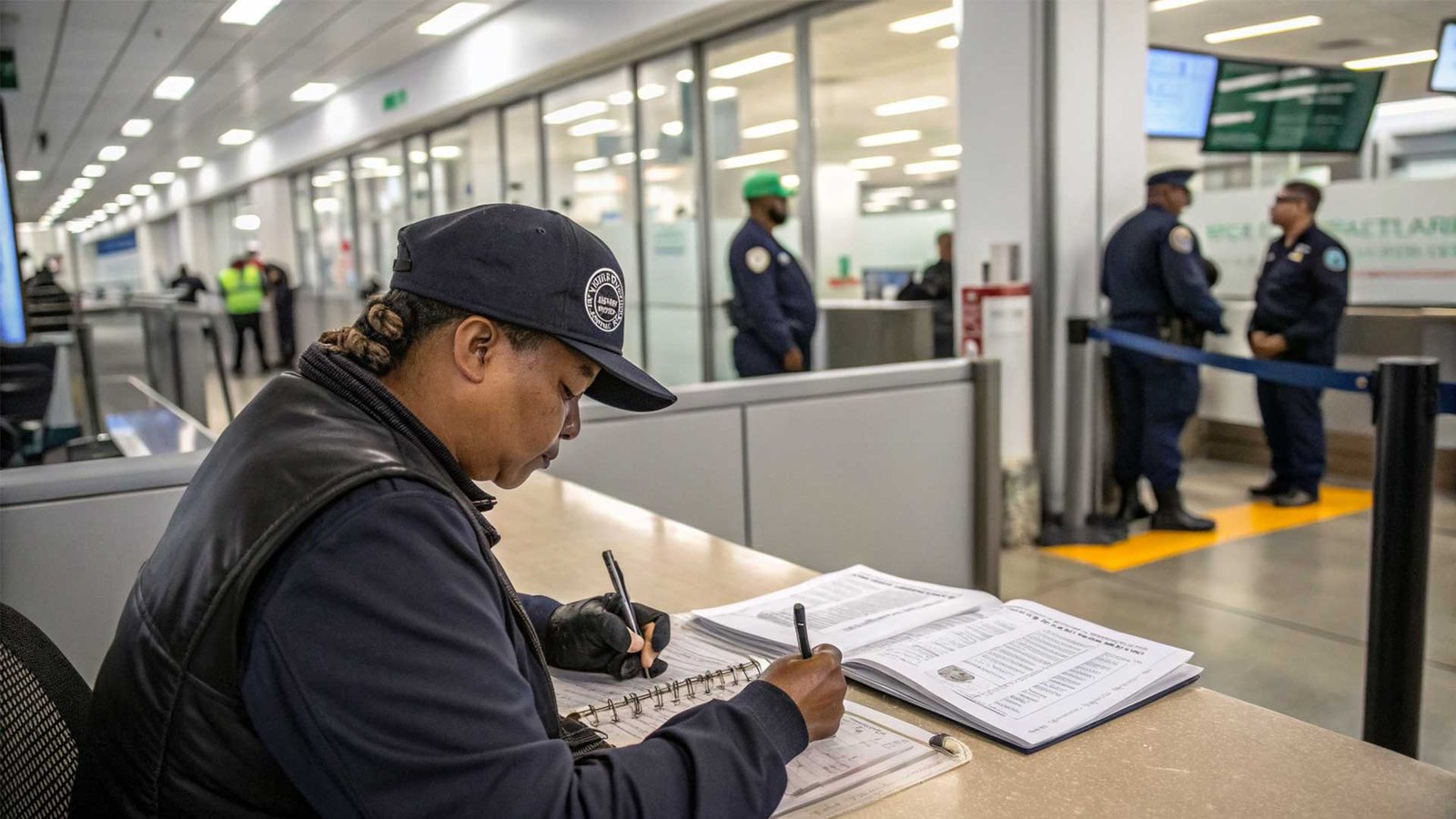
Inventory Control Practices Checklist
- SKU master data standard
- Barcode scan receiving
- Cycle count frequency
- ABC classification
- Discrepancy reporting workflow
Importers benefit from warehousing because it smooths inbound flow (port delivery9, devanning, cross-dock, labeling) and prevents stockouts during transit variability?
For importers, warehouses act as a buffer against unpredictable transit delays. They facilitate smoother operations and maintain inventory levels despite supply chain challenges.
For importers, warehouses are a buffer against international transit variability. Warehousing enables coordinated port delivery9 appointments, container devanning, cross-docking10, relabeling, and quality checks. This reduces inbound bottlenecks and helps maintain steady stock levels even when ocean schedules shift. A well-run inbound workflow lowers detention risk11 and keeps sales channels supplied.
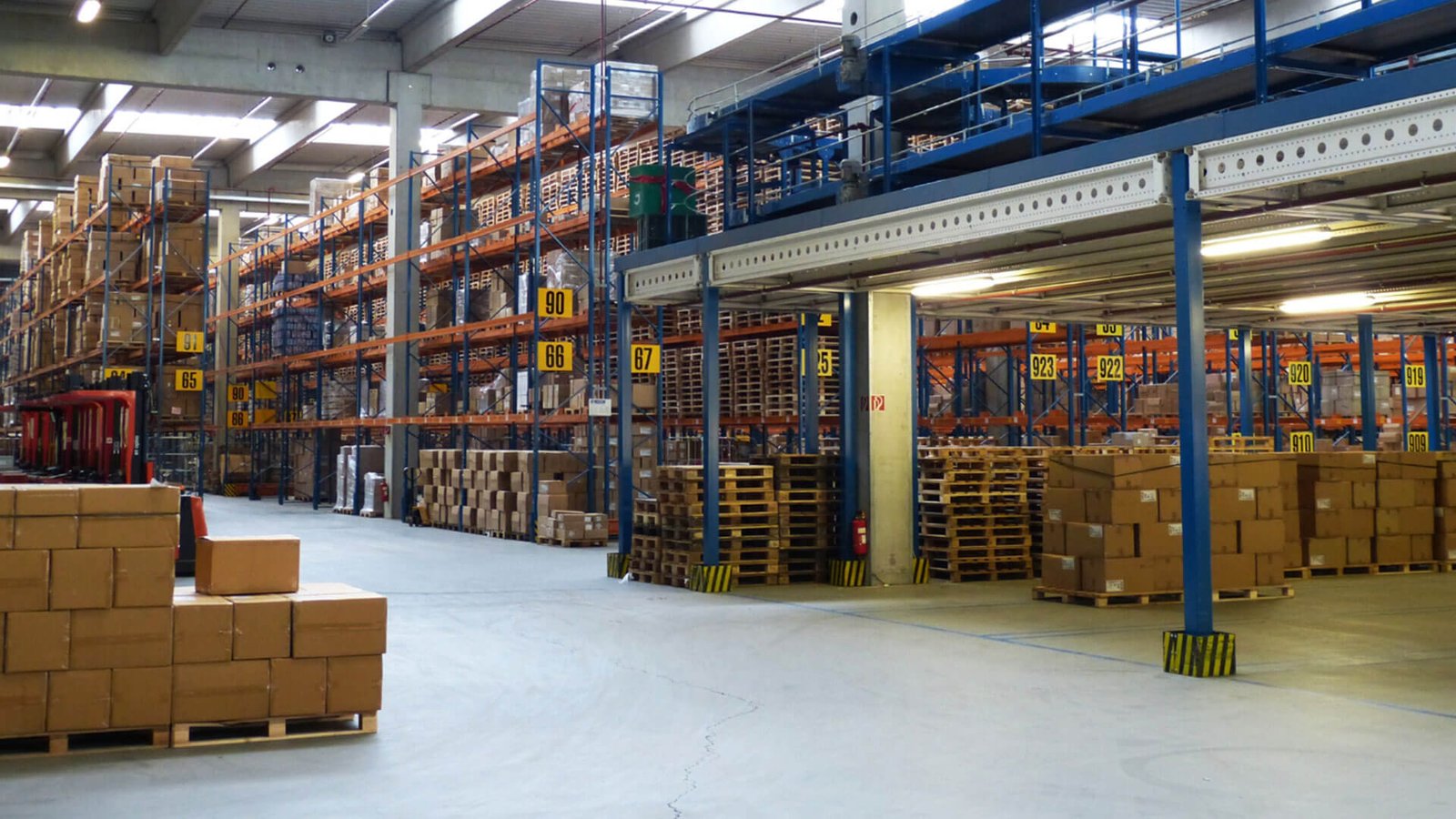
| Inbound Stage | Warehousing Role | Business Impact |
|---|---|---|
| Port Delivery | Timely arrival scheduling | Reduced detention fees |
| Devanning/Transload | Efficient unloading | Lower handling times |
| Receiving | Accurate checks | Improved inventory accuracy6 |
| Labeling | Preparation for fulfillment | Faster order processing |
| Staging for Fulfillment | Ensuring stock availability | Prevent stockouts |
Fulfillment partners enable scalable growth by handling seasonal peaks12, multi-channel orders, and returns management without requiring major fixed warehouse investment?
As businesses grow, they often face challenges in managing fluctuations in order volume. Fulfillment partners can provide the necessary scalability without the burden of fixed costs.

Fulfillment and warehousing support growth by scaling capacity up or down without major capital investment. Businesses can handle seasonal peaks12, promotions, and multi-channel demand while maintaining service levels. A strong fulfillment partner also improves returns processing and reverse logistics13, which protects margins. Scalability is often the main reason businesses move from self-fulfillment to 3PLs.
Fulfillment Methods
- In-house fulfillment
- Hybrid fulfillment (in-house + 3PL)
- Full outsourced 3PL fulfillment
Conclusion
In summary, fulfillment and warehousing provide essential benefits that enhance operational efficiency8, reduce costs, and improve customer satisfaction.
Discover how strategically located warehouses can enhance delivery speed and customer satisfaction by reducing transit times. ↩
Explore how 3PL fulfillment centers can enhance delivery speed and customer satisfaction. ↩
Learn how a multi-node network can optimize delivery speed and lower shipping costs for high-volume businesses. ↩
Explore how fulfillment warehouses can lower total landed costs by minimizing waste and optimizing processes. ↩
Understand how reducing last-mile costs can lead to significant savings in overall shipping expenses. ↩
Find out how warehouse fulfillment enhances inventory accuracy through standardized processes and traceability. ↩
Learn about the importance of SKU-level traceability in improving customer satisfaction and reducing returns. ↩
Discover how fulfillment warehouses enhance operational efficiency by reducing rework and optimizing processes. ↩
Discover how warehousing facilitates timely port delivery and reduces detention fees for importers. ↩
Explore the benefits of cross-docking in reducing handling times and improving efficiency for importers. ↩
Find out how warehousing lowers detention risk by coordinating port delivery and maintaining steady stock levels. ↩
Learn how fulfillment partners manage seasonal peaks without major fixed warehouse investments. ↩
Understand the importance of reverse logistics in protecting margins and improving returns processing. ↩