The first step in improving your supply chain is understanding how to pick the right customs broker1. Choosing poorly can lead to delays and increased costs.
The right customs broker1 depends on your specific import needs. Factors like product type, regulatory requirements, and shipment frequency2 play key roles in making an informed selection.
A good customs broker1 can make or break your supply chain. They ensure that your goods clear customs smoothly and comply with all regulations. However, many importers struggle to find the broker that fits their unique needs. This article will guide you through choosing the right customs broker1, focusing on your import profile3, execution capabilities, compliance expertise4, and much more.
Start by defining your import profile3 (products, HTS complexity5, PGA requirements6, ports, frequency) because the right customs broker1 depends on your compliance risk and shipment volume?
Your import profile3 is the cornerstone of your customs broker1 selection. Understanding the intricacies of what you import can help you choose a broker who can handle your specific needs.
The “right” customs broker1 depends on what you import and how often you ship. Products with complex HTS classification7, higher duties, or regulated requirements need deeper compliance support.
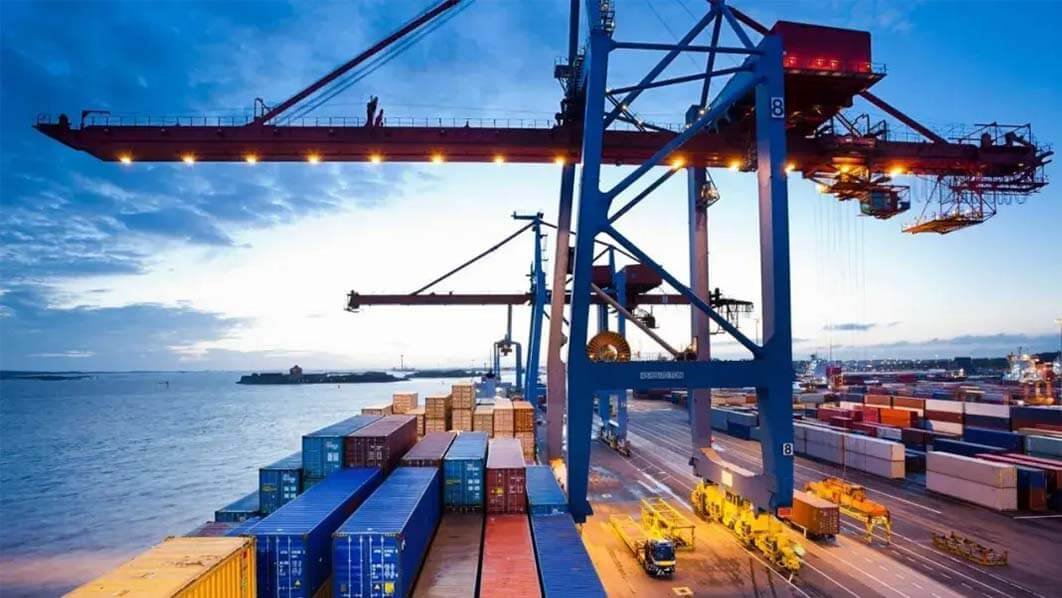
Before diving into broker selection, define your import profile3, which includes factors like shipment frequency2, ports used, and the types of products you import. For example, if you regularly import regulated commodities8 like electronics or food products, you will need a broker who is well-versed in the relevant PGAs (Partner Government Agencies) regulations.
Import Profile Factors
| Import Profile Factor | Why It Matters | Broker Capability Required |
|---|---|---|
| Regulated commodities (PGA) | Must comply with additional government regulations | Expertise in PGA requirements6 |
| High tariff exposure | Increases landed costs due to duties | Strong compliance expertise4 |
| Multi-origin supply chain | Complexity in logistics management | Coordinated operational capability |
| Frequent shipments | Requires streamlined processes | High capacity and efficiency |
| Multiple ports | Involves various customs regulations | Familiarity with different ports |
| Complex valuation/pricing | Needs accurate assessments to avoid penalties | Expertise in valuation techniques |
Defining your import profile3 is essential. It ensures that you match your specific needs with the capabilities of potential customs broker1s.
Choose a broker based on execution capability9—entry accuracy10, ISF/bond readiness, document control11, and proven SOPs for fast CBP release?
Execution capability is critical. A customs broker1's ability to handle the paperwork correctly can speed up the clearance process.
A customs broker1 impacts your supply chain by controlling release speed and error rates. The best brokers run disciplined SOPs that keep your cargo moving smoothly.
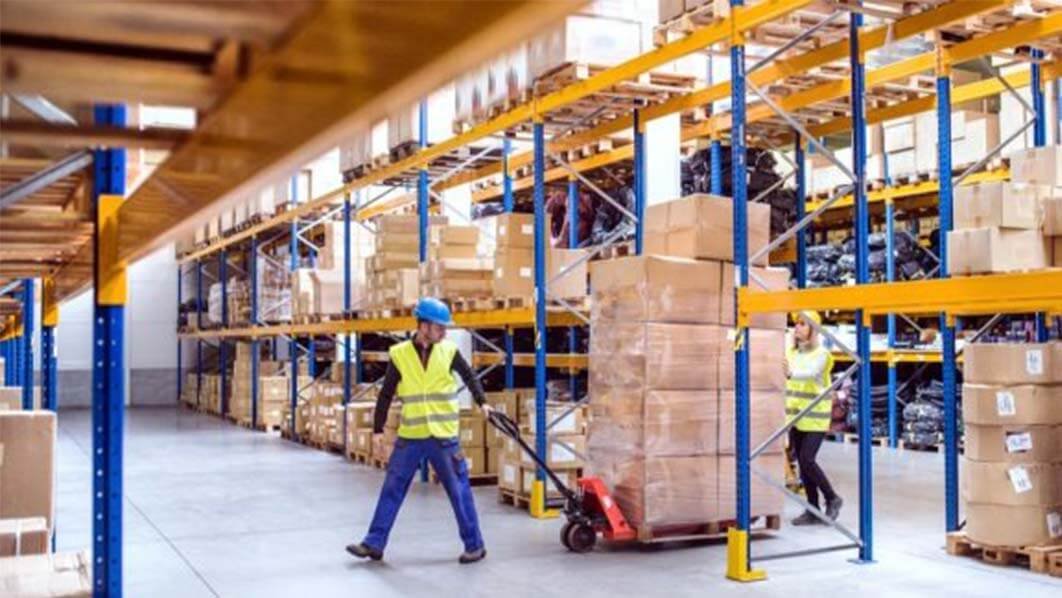
When evaluating brokers, pay close attention to their execution systems. Check for entry accuracy10, ISF (Import Security Filing) readiness, and effective document control11. A broker who has proven SOPs in place will minimize the risk of delays and ensure smoother operations.
Execution SOP Proof Points
- Document checklist discipline: Ensure they have strict document validation processes.
- Pre-alert review workflow: Look for a broker who conducts thorough checks before your cargo reaches port.
- Filing timeline management: Timeliness is crucial; ask about their filing schedules.
- Escalation process for holds/exams: Confirm that they have a plan for dealing with customs holds or exams.
- Exception prevention: They should be proactive about managing risks related to delays and additional costs.
Focusing on execution capability9 can help avoid costly mistakes and improve your overall supply chain efficiency.
Evaluate compliance expertise4 where it matters most: HTS classification7, valuation support, country-of-origin rules12, and tariff/program eligibility13 that directly impact duties and penalties?
Compliance expertise is a game-changer in customs broker1age. A small mistake in classification can lead to significant financial repercussions.
Broker quality directly affects landed cost because small compliance decisions drive duty outcomes. Importers should test broker competency in HTS classification7 methodology, valuation support, and country-of-origin rules12.
When evaluating a customs broker1, ensure they have a solid grasp of HTS classification7, valuation, and country-of-origin rules12. These factors can significantly impact your duties and penalties.
Duty-Impact Decision Points
| Decision Point | Impacts | Common Mistake | Best Practice |
|---|---|---|---|
| HTS | Determines applicable duties | Misclassification | Accurate tariff coding |
| Origin | Affects trade agreements and tariffs | Incorrect origin declaration | Verify with supplier documentation |
| Value | Affects duty calculations | Over or under-reporting | Regular value assessments |
| Special programs | Eligibility for reduced rates | Ignoring program benefits | Continuous trade program monitoring |
| Documentation consistency | Ensures compliance | Paperwork errors | Maintain organized documentation |
Testing a broker's compliance expertise4 early can save you from financial headaches down the road.
Compare brokers using measurable service levels14 (response SLA15, release time, correction rate, exam handling speed, quote-to-invoice variance) instead of “lowest fee” claims?
Price is just one factor when selecting a customs broker1. You should also focus on measurable service levels14.
Broker selection should be KPI-driven. Low brokerage fees mean little if the broker causes delays and additional costs.
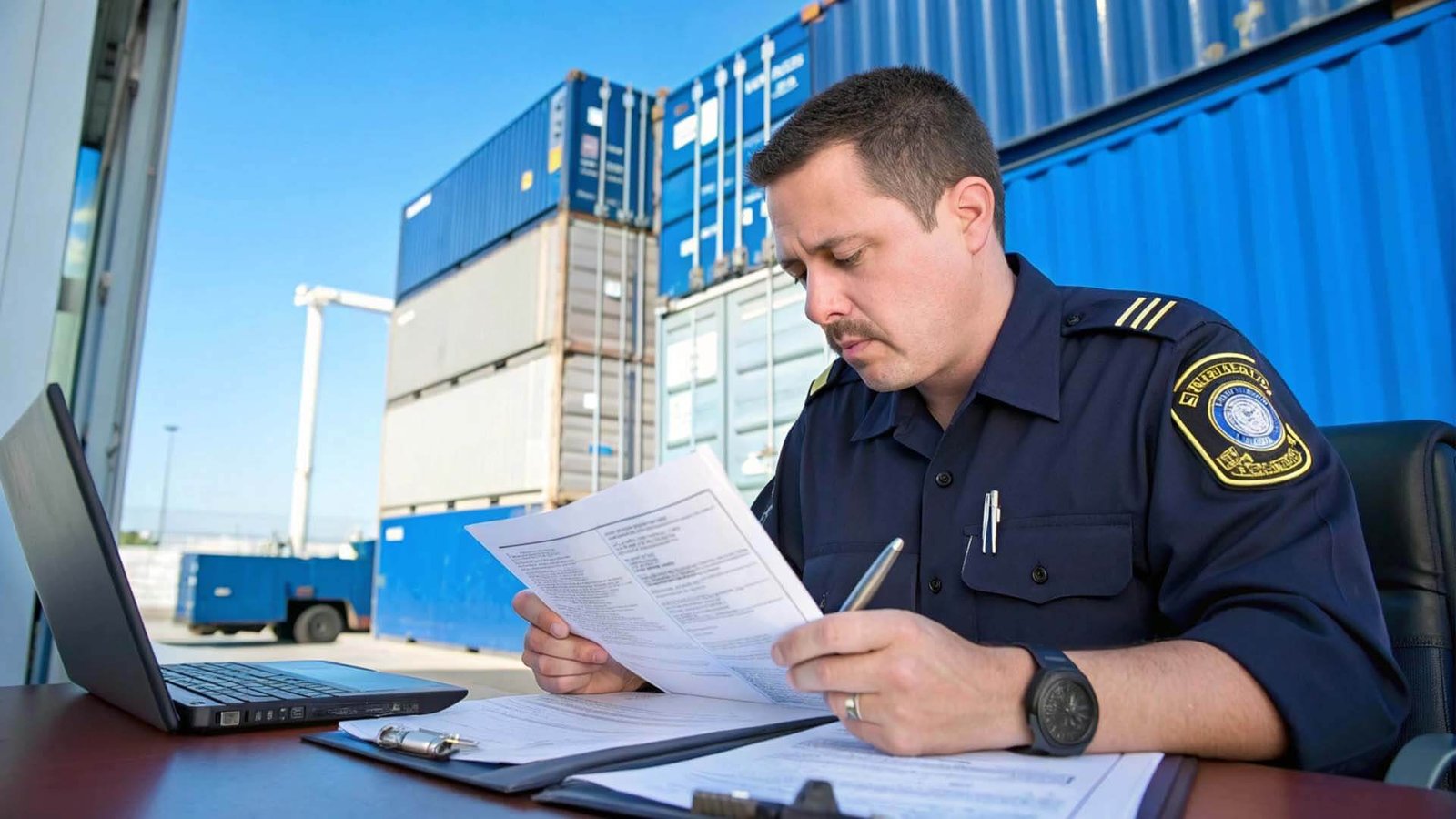
Utilize Key Performance Indicators (KPIs) to evaluate potential brokers. Compare them based on metrics such as:
Broker Performance Dashboard
| KPI | Definition | Why It Matters | Target Trend | Fix Action |
|---|---|---|---|---|
| Response SLA | Time taken to respond to queries | Predicts service reliability | Under 24 hours | Establish clear communication |
| Release speed | Time from filing to customs release | Affects overall supply chain timing | Under 48 hours | Streamline filing processes |
| Correction rate | Rate of entry errors | Impacts costs and delays | Below 2% | Implement accuracy checks |
| Exam handling time | Time taken to resolve holds | Minimizes costly delays | Under 24 hours | Monitor customs communication |
| Quote-to-invoice variance | Discrepancy between quoted fees and actual charges | Cost predictability | Below 5% | Regular audits of fee structures |
By comparing brokers based on measurable KPIs, you can make a more informed decision.
Select a long-term partner by testing their systems and controls (ACE visibility16, shipment tracking, audit-ready recordkeeping17, escalation process) to prevent delays and surprise costs?
A long-term partnership with your customs broker1 can save you both time and money. But only if they have efficient systems in place.
The best broker is a supply-chain partner with systems, not just people. Importers should confirm ACE visibility16 and reporting, document storage practices, and a defined escalation process.
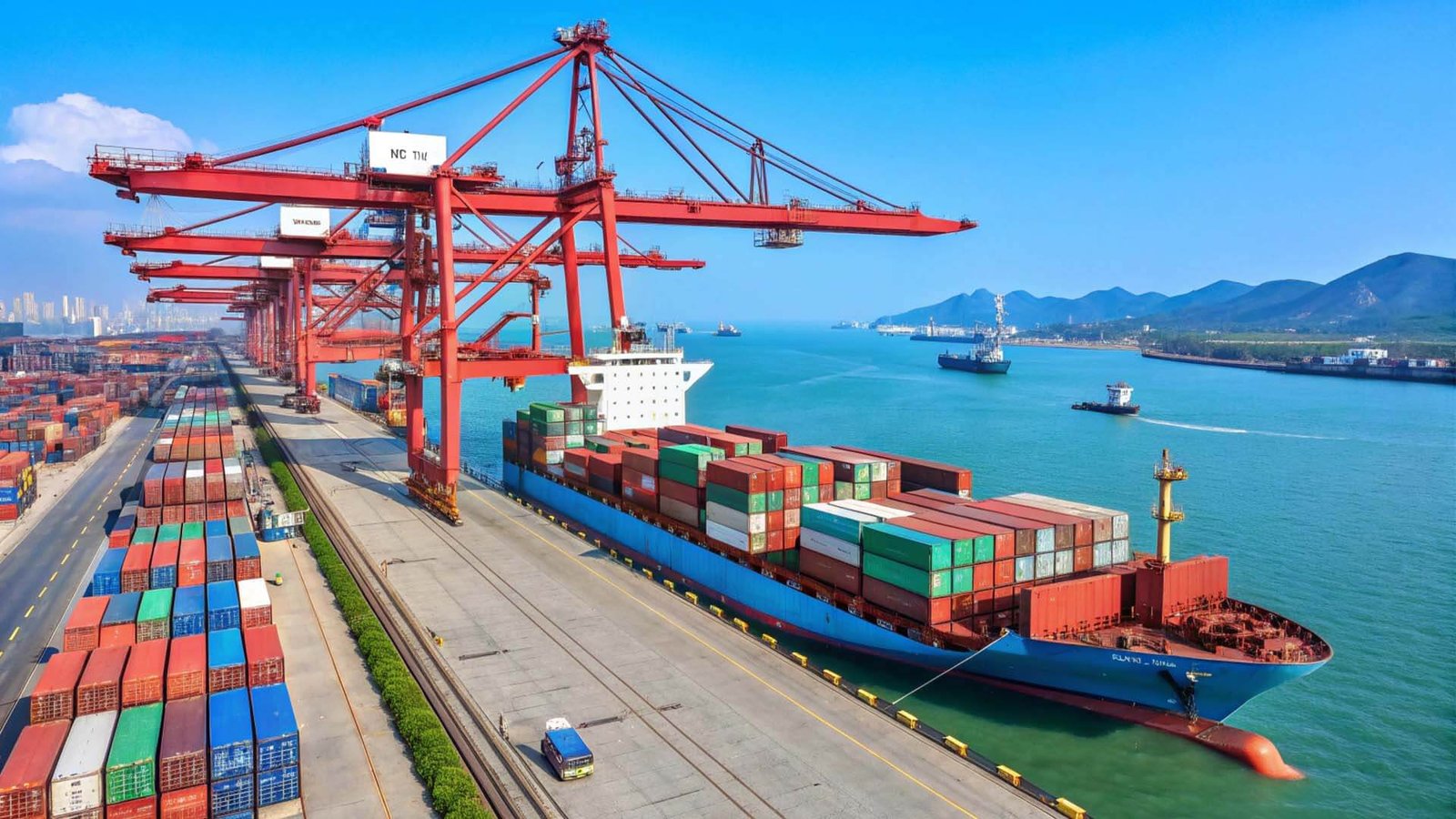
Ensure that your broker has robust systems and controls for visibility and tracking. This includes access to the ACE (Automated Commercial Environment) portal, which can significantly enhance communication and efficiency.
Systems and Controls Checklist
| Capability | Why It Matters | What to Ask | Proof Artifact |
|---|---|---|---|
| ACE visibility16 | Real-time tracking | Do you provide ACE access? | Example reports |
| Reporting cadence | Regular updates on shipment status | How often do you report? | Sample reporting schedule |
| Recordkeeping | Audit readiness | How do you maintain records? | Document retention policies |
| Escalation | Handling exceptions | What’s your escalation process? | Flowcharts of escalation procedures |
| Secure document exchange | Protects sensitive information | How do you secure documents? | Security protocols |
Testing these systems ensures that you avoid any unexpected costs related to poor communication or recordkeeping.
Conclusion
Choosing the right customs broker1 can streamline your supply chain and reduce costs. Evaluate based on your needs to find the best fit.
Understanding the role of a customs broker is crucial for optimizing your supply chain and ensuring smooth customs clearance. ↩
Frequent shipments require a broker with streamlined processes to handle high volumes efficiently. ↩
Defining your import profile helps in selecting a broker that matches your specific import needs and compliance requirements. ↩
Compliance expertise prevents costly mistakes in classification and valuation, impacting duties and penalties. ↩
HTS complexity can impact duty costs and compliance, making it essential to choose a broker with expertise in this area. ↩
Understanding PGA requirements is vital for importing regulated commodities and ensuring compliance with government regulations. ↩
Accurate HTS classification determines applicable duties, making it essential for cost-effective customs brokerage. ↩
Regulated commodities must comply with additional regulations, requiring brokers with specific expertise in these areas. ↩
Execution capability ensures accurate paperwork and fast customs clearance, crucial for maintaining supply chain efficiency. ↩
Entry accuracy minimizes errors and delays, ensuring smooth customs clearance and reducing additional costs. ↩
Effective document control ensures all necessary paperwork is accurate and complete, facilitating smooth customs clearance. ↩
Country-of-origin rules impact trade agreements and tariffs, requiring brokers to verify and document origins accurately. ↩
Understanding tariff/program eligibility can reduce rates and costs, making it a key factor in broker selection. ↩
Measurable service levels provide a clear benchmark for evaluating broker performance beyond just fees. ↩
Response SLA indicates a broker's reliability and speed in addressing queries, crucial for maintaining service quality. ↩
ACE visibility provides real-time tracking and reporting, enhancing communication and efficiency in customs processes. ↩
Audit-ready recordkeeping ensures compliance and prevents unexpected costs due to poor documentation practices. ↩