In today’s complex trade environment, understanding Section 301 exclusions1 and extensions is vital for U.S. importers. These exclusions can significantly impact your cost structure, but they require careful monitoring and compliance.
Section 301 exclusions1 reduce or remove additional tariffs2 on certain China-origin products, but the relief is time-limited and often extended in phases. Importers must track which exclusion lists3 are active, the effective dates4, and the expiration date5 to avoid overpaying duties or incorrectly claiming relief. Treat extensions as compliance deadlines, not “nice-to-have” updates.
It’s crucial to stay informed about the latest changes regarding Section 301 exclusions1. As an importer, being proactive instead of reactive can save you time and money. Let’s explore the latest exclusion extensions and how you can determine eligibility for your products.
Explain the latest Section 301 exclusion extensions (what was extended, the effective dates4, and when the relief expires) so importers know if they still qualify?
The recent updates on Section 301 exclusion extensions have brought clarity. Recently, the U.S. Trade Representative announced the extension of several exclusions, which were originally set to expire. These extensions are important for importers like you.
| Exclusion Group | Coverage (High Level) | Effective Date | Extension End Date | What Importers Must Do |
|---|---|---|---|---|
| Group A | Specific Electronics | Jan 1, 2023 | Dec 31, 2023 | Confirm eligibility and HTS code6 |
| Group B | Machinery | March 1, 2023 | Feb 28, 2024 | Review documentation and scope |
| Group C | Consumer Goods | July 1, 2023 | June 30, 2024 | Update broker on exclusion status |
What changed: exclusions extended for certain products
Why it matters: tariff savings + filing risk
Importer impact: eligibility check + broker instructions + refund opportunity review
Show how to determine eligibility by matching products to the correct HTSUS exclusion notes/Chapter 99 numbers7 and verifying product scope8—not just HS code?
Determining eligibility for Section 301 exclusions1 requires diligence. Many importers overlook specific descriptions that must match the exclusion notes. It's essential to go beyond the HTS code6 and dig into the language of the exclusions.
Eligibility Decision Flow:
China origin? → Is the base HTS under Section 301 action list? → Is there an active exclusion tied to this product description? → Correct Chapter 99 required? → Documentation supports scope match? → Claim at entry + retain support file
Scope Proof Checklist (Keep in Importer File):
- Product specs
- Composition/materials
- Technical datasheet
- Photos
- Use-case statement
- Supplier declaration (if needed)
- HTS rationale memo
- Exclusion text match summary

The scope is not just limited to the HS code; it involves ensuring that all criteria are met. Tracking this ensures compliance and protects against potential penalties.
Walk through how to claim exclusions correctly in customs entries (ACE filing, Chapter 99 reporting, broker instructions) to avoid denied claims and penalties?
Correctly claiming Section 301 exclusions1 in the Automated Commercial Environment (ACE)9 is critical. Missteps can lead to denied claims and unwanted penalties.
How to Claim in ACE (Importer/Broker Workflow):
- Confirm HTS classification
- Confirm active exclusion + correct Chapter 99 number
- Update broker SOP for Section 301 lines
- File entry with Chapter 99 + base HTS pairing
- Verify entry summary lines
- Retain support docs
- Run post-entry audit sample check
| Mistake | What Happens | Risk | Fix |
|---|---|---|---|
| Wrong Chapter 99 | Claim denial | Financial loss | Recheck classification |
| Wrong HTS | Compliance exposure | Audit risk | Confirm with experts |
| Scope mismatch | Claim denial | Financial penalties | Review product specs |
| Date outside eligibility | Claim denial | Financial loss | Update records regularly |
| Missing product proof | Claim rejection | Increased scrutiny | Maintain comprehensive files |
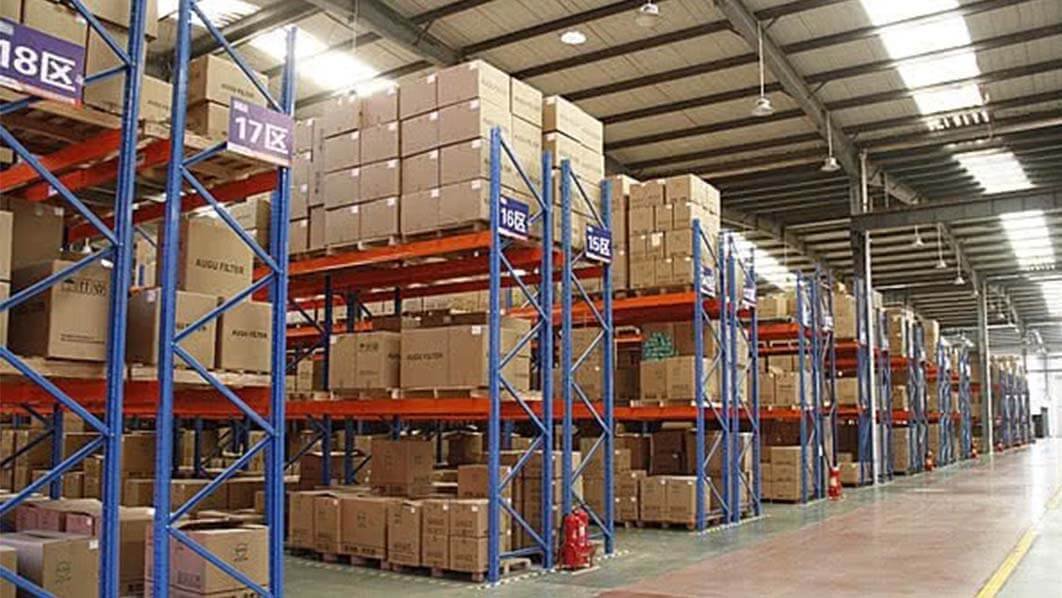
Following these steps ensures you navigate the ACE properly. It's essential to maintain clear communication with your customs broker to facilitate accurate claims.
Cover money-back strategies for importers including refunds, Post Summary Corrections (PSC)10, protests, and duty drawback11 planning when exclusions apply or change?
Refund opportunities arise when exclusion rules change. Importers can make the most of these situations by knowing the available strategies.
| Method | Best When | Timing Constraints | Pros | Risks/Notes |
|---|---|---|---|---|
| PSC | To correct an entry | Must be filed within 5 days | Corrects entry quickly | Time-sensitive action needed |
| Protest | To dispute a denied exclusion | Must be filed within 180 days | Can lead to favorable outcomes | May take time for resolution |
| Reconciliation | For prior entries needing adjustments | Timing varies by entry | Potential for duty recovery | Requires thorough documentation |
| Duty Drawback | When exclusions apply retroactively | Must be filed within 3 years | Good for long-term strategies | Complex process to navigate |
Refund Readiness Checklist:
- Eligible entry list
- Duty amount estimate
- Line-item matching to exclusion
- Documentation file complete
- Broker correction plan
- Finance reconciliation plan
- Status tracking dashboard

Implementing these strategies ensures you utilize all avenues for potential refunds, mitigating costs effectively.
Provide an importer action checklist for managing future extensions (renewal monitoring, supplier documentation, classification governance12, and internal controls13) to reduce tariff risk long-term?
Long-term tariff risk management14 involves a proactive governance system. It's not just about one-time fixes; it requires ongoing oversight.
| Control | Owner | Frequency | Evidence |
|---|---|---|---|
| USTR/CBP update monitoring | Compliance | Monthly | Update log |
| Classification governance | Compliance | Quarterly | Change log |
| Broker instructions + SOP updates | Compliance | As needed | Approved documents |
| Entry audit sampling | Compliance | Bi-annually | Audit reports |
| Supplier documentation controls | Compliance | Ongoing | Supplier file updates |
| Savings tracking | Finance | Monthly | Reporting dashboard |
| Escalation playbook for exclusions expiring | Compliance | As needed | Playbook document |

This checklist ensures that you maintain oversight over your compliance processes and minimize any potential risks associated with tariffs.
Conclusion
Understanding Section 301 exclusions1 and extensions is crucial for U.S. importers. By implementing the strategies and checklists outlined, you can reduce tariff costs and navigate your filing risks effectively.
Understanding Section 301 exclusions is crucial for importers to manage costs and compliance effectively. ↩
Learning about additional tariffs helps importers anticipate cost changes and strategize accordingly. ↩
Knowing about exclusion lists helps importers track which products are exempt from additional tariffs. ↩
Effective dates determine when tariff relief applies, crucial for importers to avoid overpaying duties. ↩
Understanding expiration dates helps importers plan for potential cost increases when exclusions end. ↩
HTS codes are essential for classifying products and determining applicable tariffs and exclusions. ↩
Chapter 99 numbers are crucial for claiming specific tariff exclusions under Section 301. ↩
Understanding product scope ensures importers meet all criteria for claiming tariff exclusions. ↩
ACE is vital for importers to file entries and claim tariff exclusions accurately. ↩
PSC allows importers to correct entry errors, crucial for maintaining compliance and avoiding penalties. ↩
Duty drawback offers importers a way to recover duties paid, enhancing cost efficiency. ↩
Proper classification governance ensures compliance and reduces the risk of tariff misapplication. ↩
Internal controls are essential for maintaining compliance and minimizing financial risks. ↩
Effective tariff risk management strategies help importers navigate complex trade environments. ↩