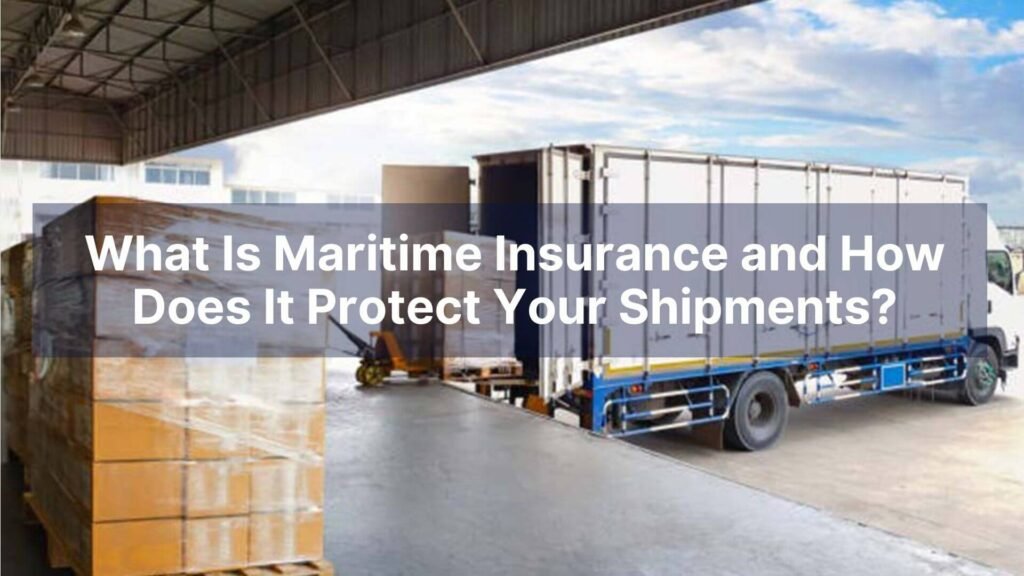
Maritime insurance is crucial for anyone involved in shipping goods. It provides financial protection against risks that can occur during transit. Without it, you could lose a significant amount of money if something goes wrong.
Marine cargo insurance1 protects the financial value of goods during transit, while carrier liability2 is limited and governed by international conventions3. Insurance covers broader risks and higher values, whereas carrier compensation is often restricted and may not reflect the true shipment value.

Maritime insurance is a complex subject. Many factors influence a shipment's risk profile, and understanding these can help manage potential losses. Let’s explore maritime insurance in detail and how it can protect your shipments effectively.
What Maritime (Marine Cargo) Insurance Is and How It Differs from Carrier Liability?
Marine cargo insurance1 is designed to cover the financial loss of goods while in transit. This insurance is vital for importers and exporters alike. It differs significantly from carrier liability2, which is limited by international conventions3 and typically offers less coverage. Many importers assume their carrier's liability will cover potential losses. Unfortunately, this is often not the case.
Marine insurance policies vary in coverage scope, from broad all-risk protection4 to limited named-peril policies. Selecting the right policy depends on cargo type, value, and risk exposure during transit.
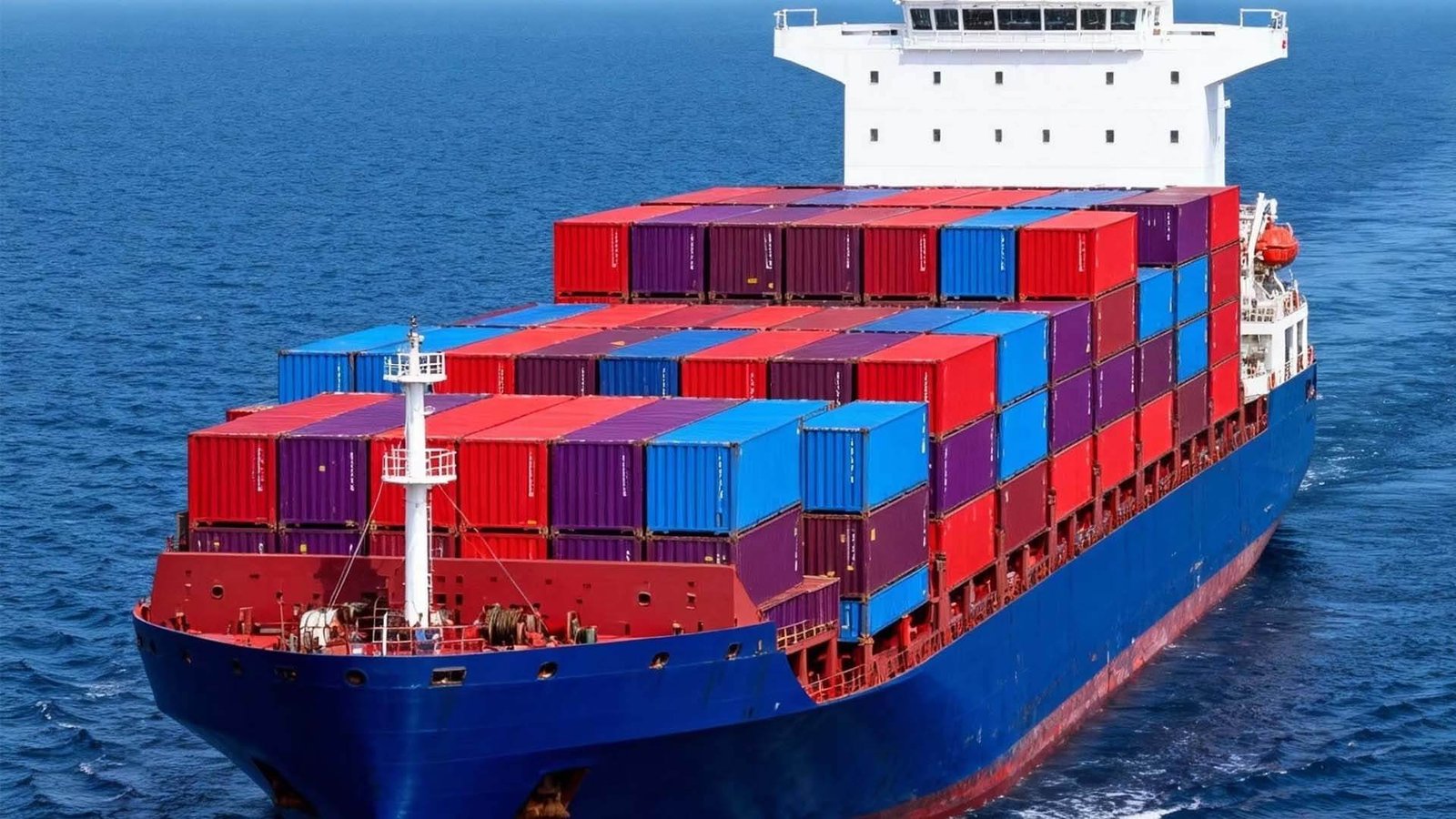
| Policy Type | Coverage Scope | Best For |
|---|---|---|
| All-Risk | Broad coverage for accidental loss/damage | High-value cargo |
| Named Perils5 | Specific listed risks only | Lower-risk goods |
| Total Loss Only6 | Major loss events | Low-value shipments |
Many importers don't realize that all risks are not covered under carrier liability2. Understanding the distinctions can lead to better risk management strategies.
The Main Types of Marine Insurance Policies and What Each One Covers
There are several types of marine insurance policies available. Each provides different levels of coverage. Understanding these can help in selecting the right policy for your specific needs.
Typical marine insurance covers physical damage, theft, weather-related incidents, and General Average contributions7. These risks can occur at sea, in port, or during inland transit, making insurance critical throughout the shipment journey.

Common types of marine insurance include:
- All-Risk Policies: These offer broad coverage, protecting against a variety of potential issues.
- Named Perils5 Policies: These only cover specific risks that are listed in the policy.
- Total Loss Only6: This type covers only catastrophic events resulting in total loss.
Choosing the right policy requires assessing your cargo's value and the associated risks.
Common Risks Covered in Ocean Shipping (Damage, Theft, General Average, and Transit Loss)
Shipping goods involves various risks, including damage, theft, and unexpected events. Marine insurance acts as a safety net against these risks, ensuring financial protection.
Common exclusions often include improper packaging8, inherent vice, delays, and certain regulatory issues. Understanding exclusions helps importers manage residual risks and avoid claim disputes.
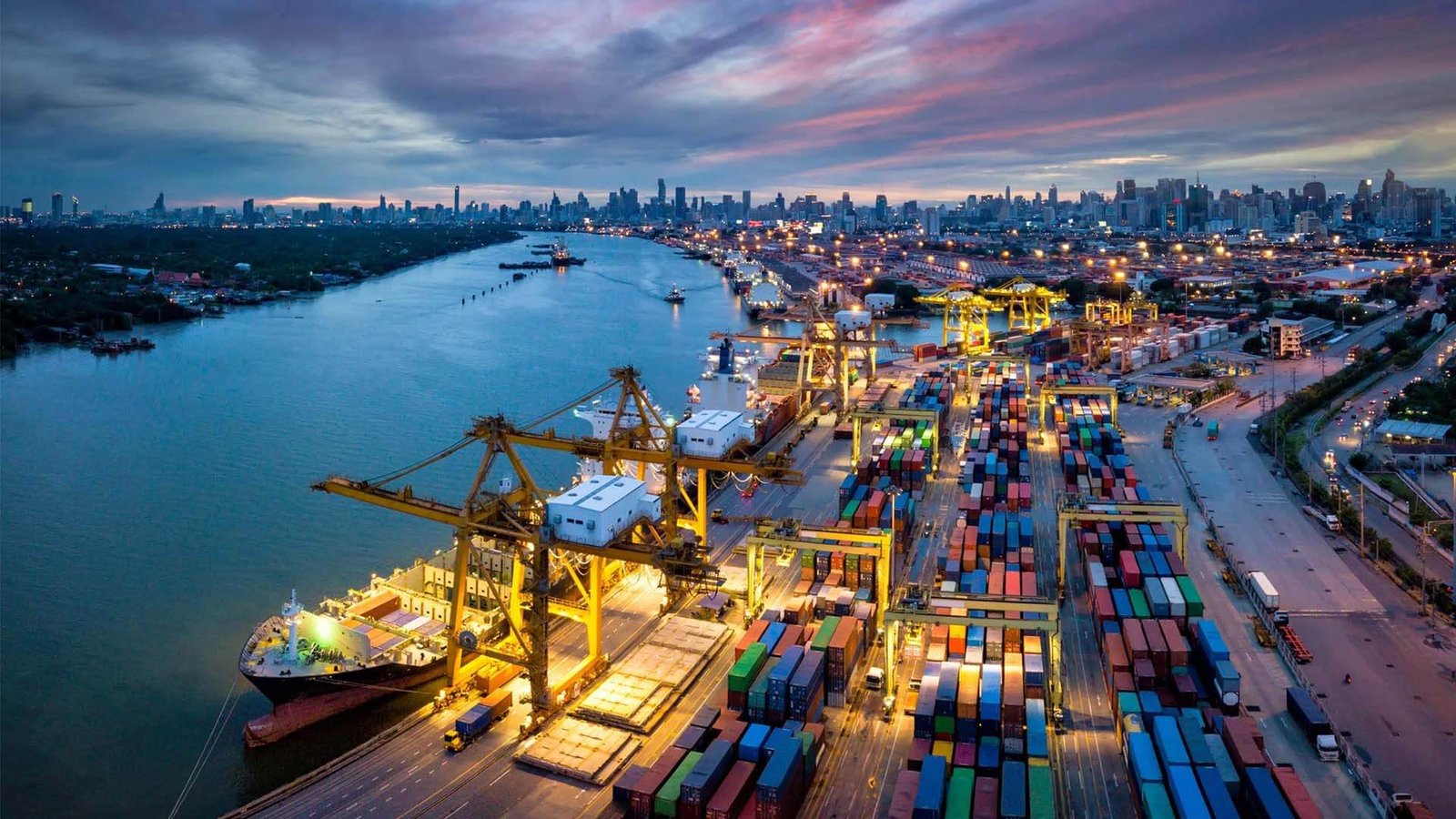
| Exclusion | Reason |
|---|---|
| Poor packaging | Preventable damage |
| Delay losses | Not physical damage |
| Regulatory seizure9 | Compliance issue |
Despite having insurance, importers still face potential exposure. Knowing what is not covered can help in preparing for unforeseen circumstances.
What Marine Insurance Does Not Cover and Why Importers Still Face Exposure
While marine insurance is comprehensive, it does not cover every possible scenario. Certain risks are excluded, leaving importers vulnerable.
Claims require timely notification10, proof of loss, and proper documentation. Missing evidence, late reporting, or excluded causes are frequent reasons for denial.
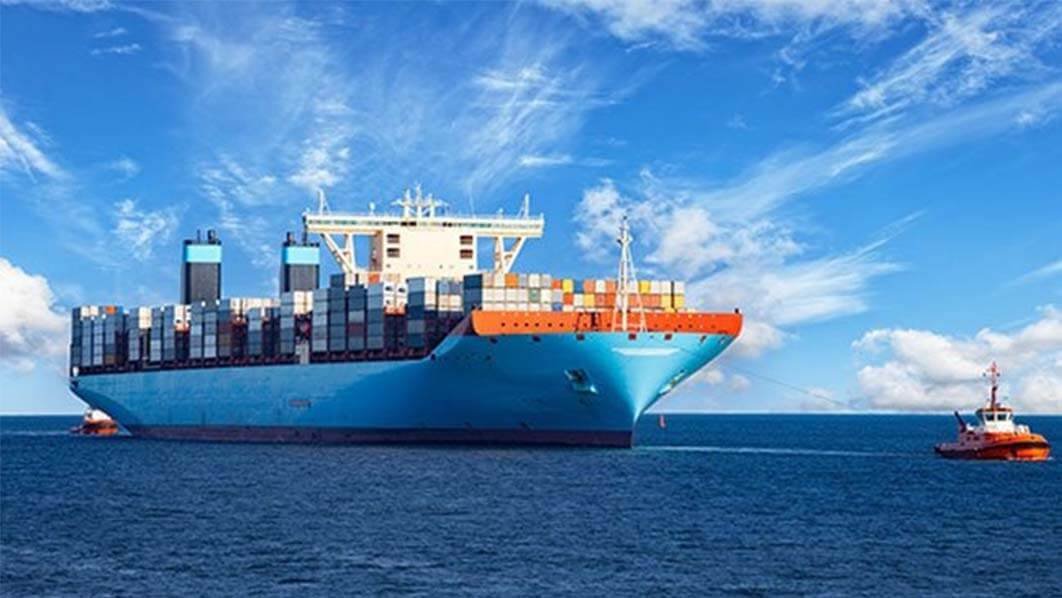
It’s essential to understand these exclusions:
- Poor packaging can lead to denied claims.
- Delay losses are often not compensated, as they do not relate to physical damage.
- Regulatory seizure9s may arise from compliance issues.
Being aware of these limitations can help mitigate losses and ensure a smoother claims process.
How Claims Work: Documentation, Timelines, and Common Reasons for Denial
Navigating the claims process can be daunting. It involves several steps, and it's essential to understand what is required for a successful claim.
A structured risk management process ensures coverage is active, incidents are documented, and claims are supported with accurate records, reducing financial exposure.
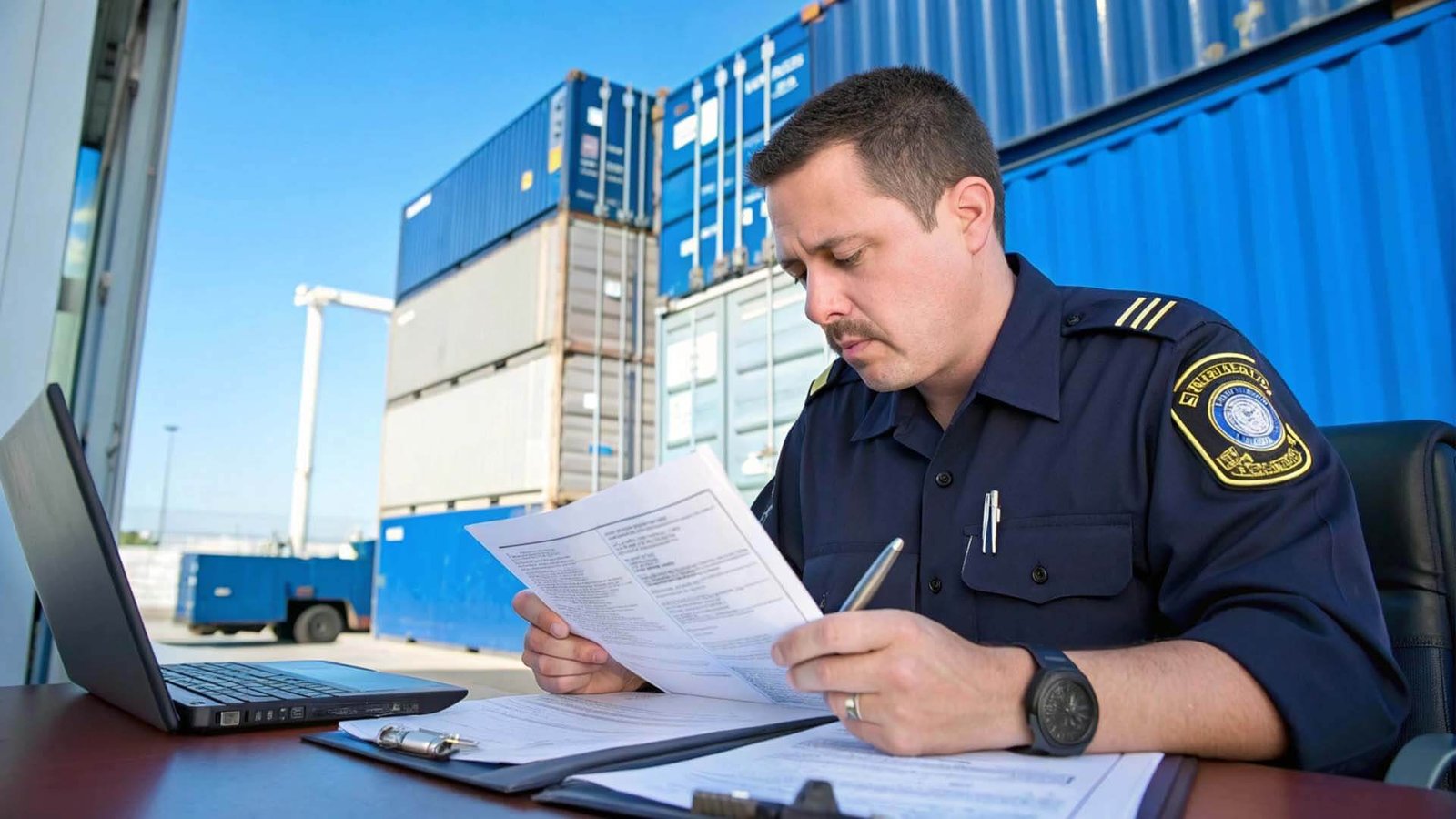
Claim processes typically require:
- Timely notification of incidents.
- Proof of loss11 through proper documentation.
- Clear communication with the insurance provider.
Missing crucial information often leads to claim denials. Importers must maintain accurate records throughout the shipping process to avoid issues.
Risk Management Workflow: Booking Cargo → Insurance Coverage → Transit Monitoring → Incident Response → Claim Settlement
A structured risk management workflow12 can significantly mitigate financial exposure. This involves several key steps from booking your cargo to settling claims.
Workflow: Shipment Booking → Insurance Bound → Transit Monitoring → Incident Occurs → Loss Documentation → Claim Filing → Settlement
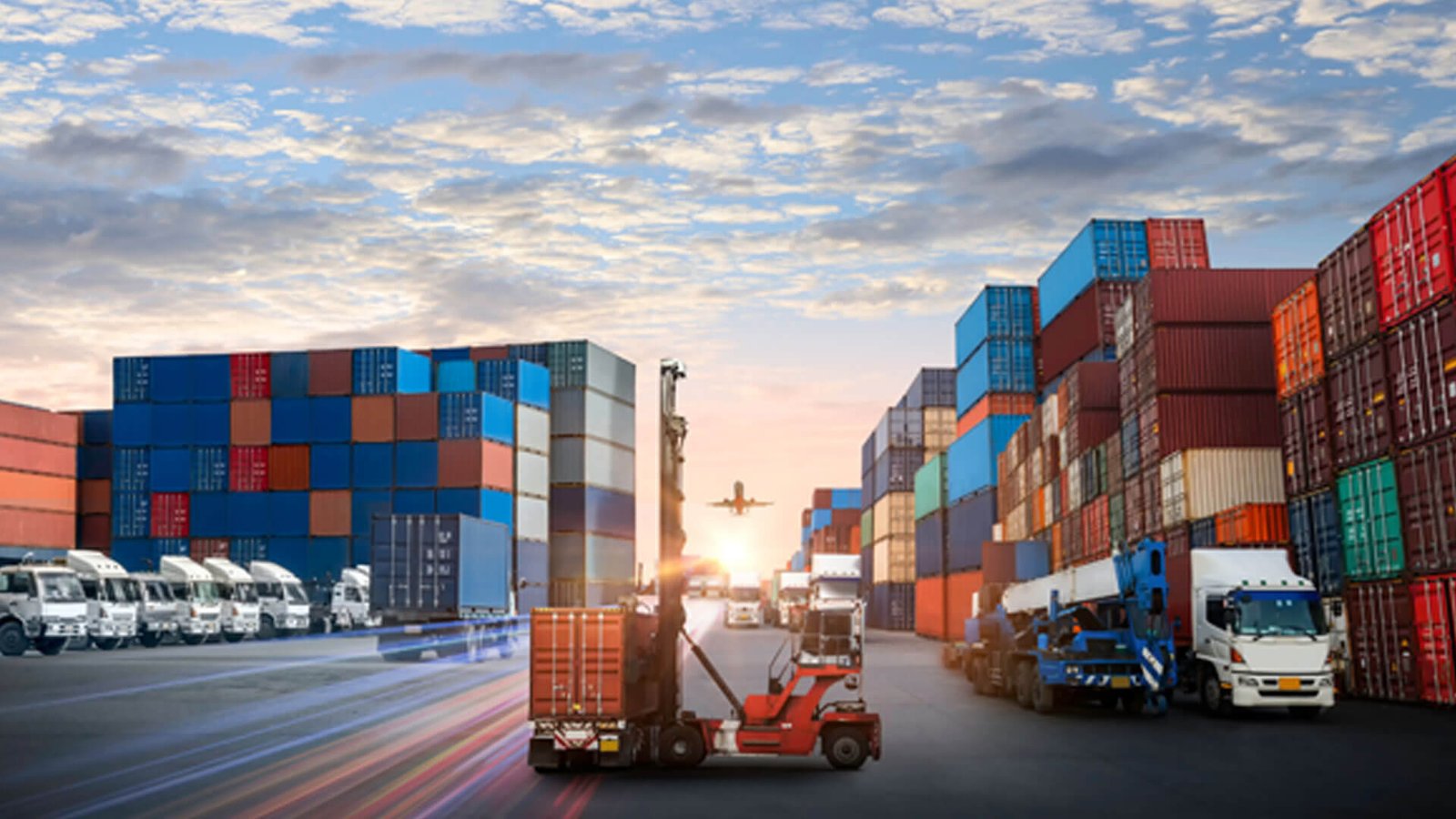
By incorporating systematic risk management, you ensure that all steps are handled correctly. This reduces the chances of unexpected surprises during transit.
Conclusion
Understanding maritime insurance is vital for managing shipment risks effectively. Proper coverage protects your financial interests during transit.
Explore this link to understand how marine cargo insurance protects the financial value of goods during transit, offering broader coverage than carrier liability. ↩
Learn about the limitations of carrier liability and why it may not fully cover potential losses during shipping. ↩
Discover the international rules that limit carrier liability and how they impact shipping risk management. ↩
Find out how all-risk protection offers broad coverage for accidental loss or damage, ideal for high-value cargo. ↩
Understand how Named Perils policies cover specific listed risks, suitable for lower-risk goods. ↩
Learn about Total Loss Only policies that cover major loss events, ideal for low-value shipments. ↩
Explore how General Average contributions work and why they are critical in sharing losses during maritime incidents. ↩
Understand why poor packaging can lead to denied claims and how to avoid this common exclusion. ↩
Learn about the impact of regulatory seizures on insurance claims and how compliance issues can lead to exclusions. ↩
Discover the importance of notifying incidents promptly to ensure successful insurance claims. ↩
Find out what documentation is needed to support a claim and avoid denials. ↩
Explore how a structured risk management workflow can mitigate financial exposure during shipping. ↩