The United States-Mexico-Canada Agreement (USMCA) has changed the landscape for U.S. importers. Understanding how it works is crucial for maximizing benefits while ensuring compliance.
USMCA is a trade agreement that allows qualifying goods to enter duty-free or at reduced rates. For U.S. importers, USMCA can lower landed costs1, but only if products meet strict rules of origin2 and documentation requirements.
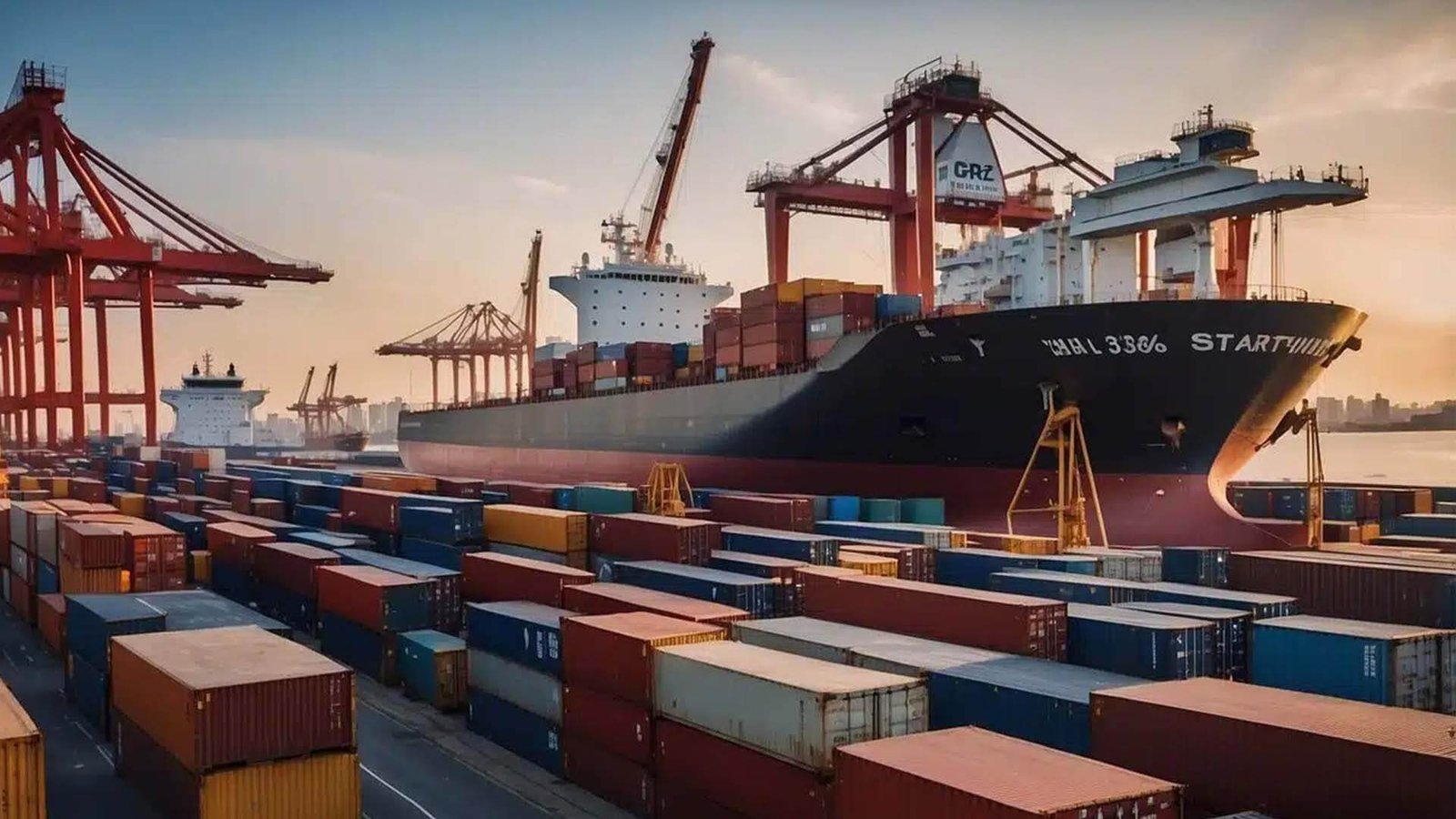
Understanding the USMCA can be a game-changer for U.S. importers. It replaces NAFTA and introduces new rules that can significantly impact your operations. With USMCA, you may enjoy duty reductions, but it is not without its complexities. Importers must take an active role in ensuring compliance with the rules of origin2 and provide the necessary documentation. Failure to do so can result in unexpected costs.
What Is USMCA and How It Affects U.S. Importers?
The United States-Mexico-Canada Agreement (USMCA) is a modernized trade agreement designed to enhance economic cooperation between the U.S., Canada, and Mexico. It offers duty-free access3 for eligible goods, leading to reduced costs for importers.
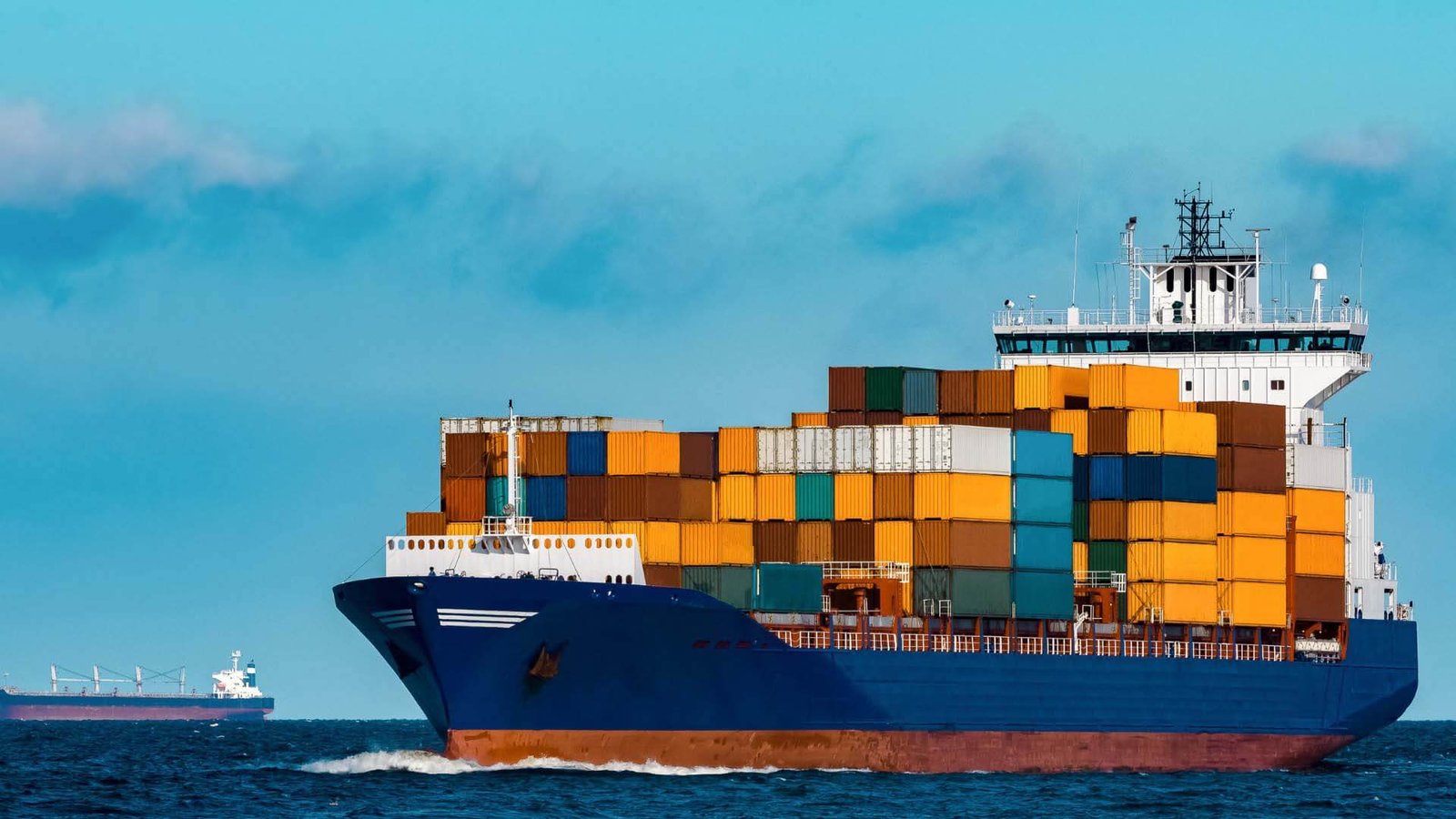
USMCA replaces NAFTA and brings several key benefits for U.S. importers. One major advantage is the potential for reduced landed costs1. However, with such benefits come responsibilities. Importers must ensure their products meet specific rules of origin2 to qualify for these advantages. Non-compliance can result in tariffs being applied, negating any savings.
Key Points:
- Duty Reduction Benefits: Eligible goods can enter the U.S. without tariffs, saving importers money.
- Importer Responsibility: Importers must ensure compliance to reap the benefits. This includes verifying the origin and ensuring proper documentation.
How to Determine If Your Product Qualifies for USMCA Duty-Free Treatment?
To qualify for USMCA duty-free treatment, a product must meet specific rules of origin2 concerning manufacturing and content. Importers should assess HS classification4, regional value content5, and the production process of their goods.

Determining eligibility can be complex. Importers must closely analyze their products based on several criteria, including tariff shift rules6 and regional value content5. A thorough understanding of these factors will help safeguard against potential compliance issues.
Key Considerations:
- Tariff Shift Rules: Importers need to know if their product's classification has shifted to qualify for duty-free status.
- Regional Value Content: Products must meet specified regional content thresholds to be eligible.
- Wholly Obtained Goods: Some products may qualify as wholly obtained, simplifying the eligibility process.
What Documentation Is Required to Claim USMCA Benefits?
To claim USMCA benefits, a valid USMCA certification of origin7 is necessary, along with supporting documentation. Inaccuracy or incompleteness may lead to penalties and duty reassessment.
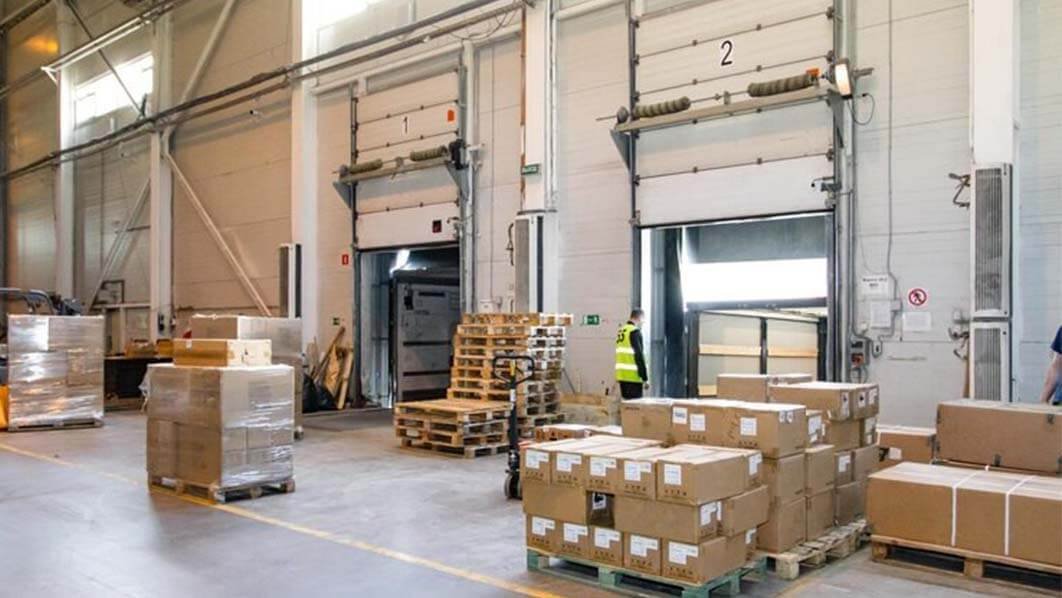
Proper documentation is critical for claiming USMCA benefits. Not only must you provide the certification of origin, but you must also ensure all supporting records are accurate and complete. Missing or incorrect documentation can lead to significant costs.
Documentation Checklist:
✔ USMCA Certification of Origin
✔ HS classification4 confirmation
✔ Producer origin statement
✔ Costed bill of materials (if required)
✔ Supporting origin records
How USMCA Impacts Customs Clearance and CBP Procedures?
USMCA claims undergo scrutiny during customs entry, necessitating accurate declarations from brokers. U.S. Customs and Border Protection (CBP) may conduct post-entry audits8 to ensure compliance.
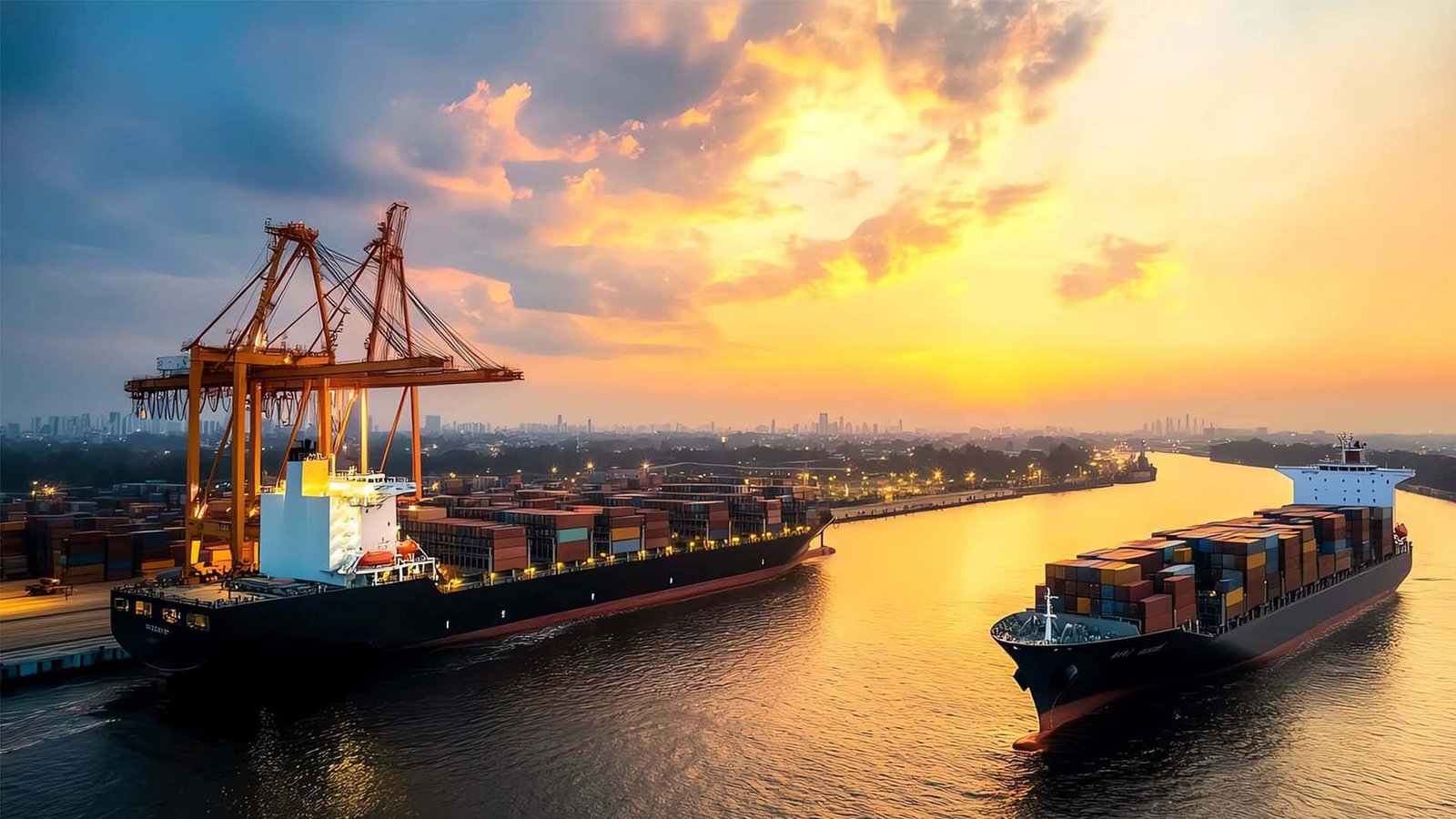
Customs clearance can be a challenging process, especially when it comes to USMCA claims. Brokers play a crucial role in ensuring that all preference claims are declared accurately. CBP may request documentation even after entry, which highlights the importance of maintaining proper records.
Key Procedures:
- CBP Verification: Customs may verify claims to ensure compliance with USMCA rules.
- Post-Entry Audits: Be prepared for audits that could result in penalties if compliance is not met.
- Denial of Claims: Inaccurate documentation can lead to claims being denied, resulting in unexpected tariffs.
Common USMCA Compliance Mistakes Importers Should Avoid
Importers frequently make errors such as using outdated forms, misclassifying products9, and failing to verify supplier data. These mistakes can lead to serious compliance issues and additional costs.

Avoiding common compliance mistakes is essential for U.S. importers. Frequent errors include using outdated NAFTA forms, misclassification of goods, and neglecting to verify supplier origin information10. Each mistake can lead to significant costs and delays.
Common Mistakes:
- Using outdated NAFTA forms
- Misclassifying products or failing to verify supplier origin data
- Claiming benefits without proper documentation
How Brokers and Logistics Partners Help Manage USMCA Compliance?
Experienced customs brokers11 and logistics partners are invaluable in managing USMCA compliance, helping importers validate documentation, classify products correctly, and file claims efficiently.
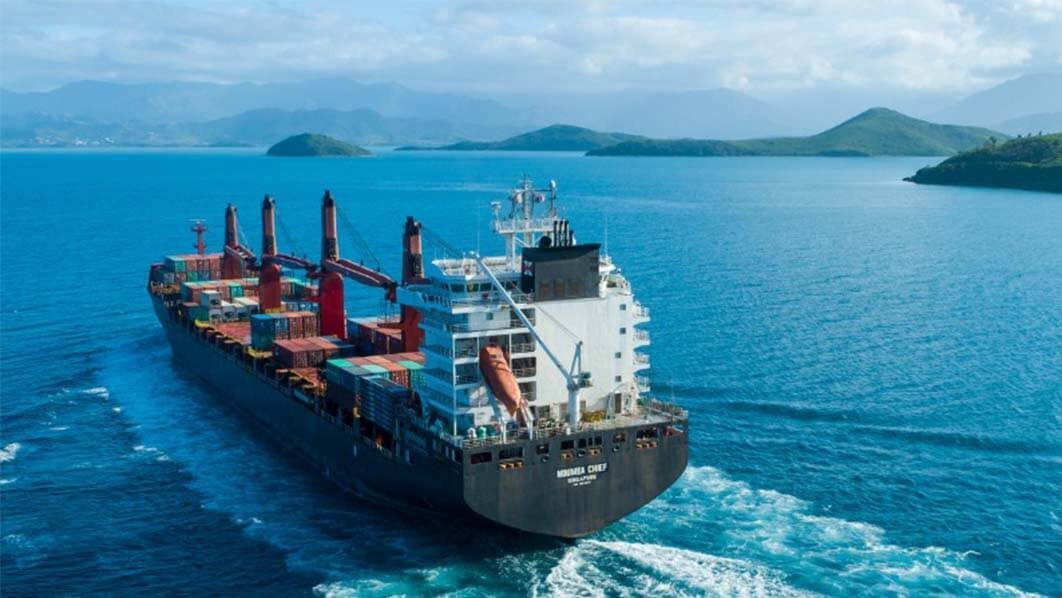
Navigating USMCA compliance can be daunting for importers. This is where logistics partners come into play. They help ensure that all documentation is validated and compliant before submission. Their expertise helps reduce the risks associated with duty exposure12 while securing potential savings.
USMCA Qualification Flow:
Supplier → Origin Analysis → Certification Issued → Broker Entry Filing → CBP Review → Duty-Free Release
Brokers ensure compliance checks are performed thoroughly, and they review HS classification4s to minimize risks. Their role is crucial to the success of USMCA utilization for cost-saving benefits.
Conclusion
Understanding USMCA is vital for U.S. importers. By ensuring compliance and proper documentation, businesses can benefit significantly while avoiding costly mistakes.
Learning about the impact on landed costs can help importers optimize their pricing strategies and improve profit margins. ↩
Understanding the rules of origin is crucial for importers to qualify for duty-free benefits under USMCA, ensuring compliance and cost savings. ↩
Exploring duty-free access under USMCA can help importers reduce costs and enhance competitiveness in the North American market. ↩
Accurate HS classification is essential for determining product eligibility and ensuring compliance with USMCA rules. ↩
Knowing about regional value content helps importers ensure their products meet the necessary criteria for duty-free status. ↩
Understanding tariff shift rules is essential for determining product eligibility for duty-free treatment under USMCA. ↩
A USMCA certification of origin is vital for claiming benefits, and understanding its importance can prevent costly compliance errors. ↩
Understanding post-entry audits can help importers prepare for compliance checks and avoid penalties. ↩
Avoiding product misclassification is crucial to prevent unexpected tariffs and ensure compliance with USMCA. ↩
Verifying supplier origin information is critical to ensure products meet USMCA requirements and qualify for duty-free treatment. ↩
Customs brokers play a key role in managing compliance, helping importers navigate complex regulations and avoid costly mistakes. ↩
Managing duty exposure effectively can lead to significant cost savings and compliance with USMCA regulations. ↩