The logistics landscape is changing. Many companies are realizing that just storing goods isn’t enough anymore.
Value-added logistics refers to services performed beyond storage and handling, such as labeling, kitting1, inspection, and customization2. For U.S. importers, value-added warehousing3 transforms warehouses from passive storage points into operational hub4s that reduce landed cost5, shorten lead times, and streamline post-import processing.
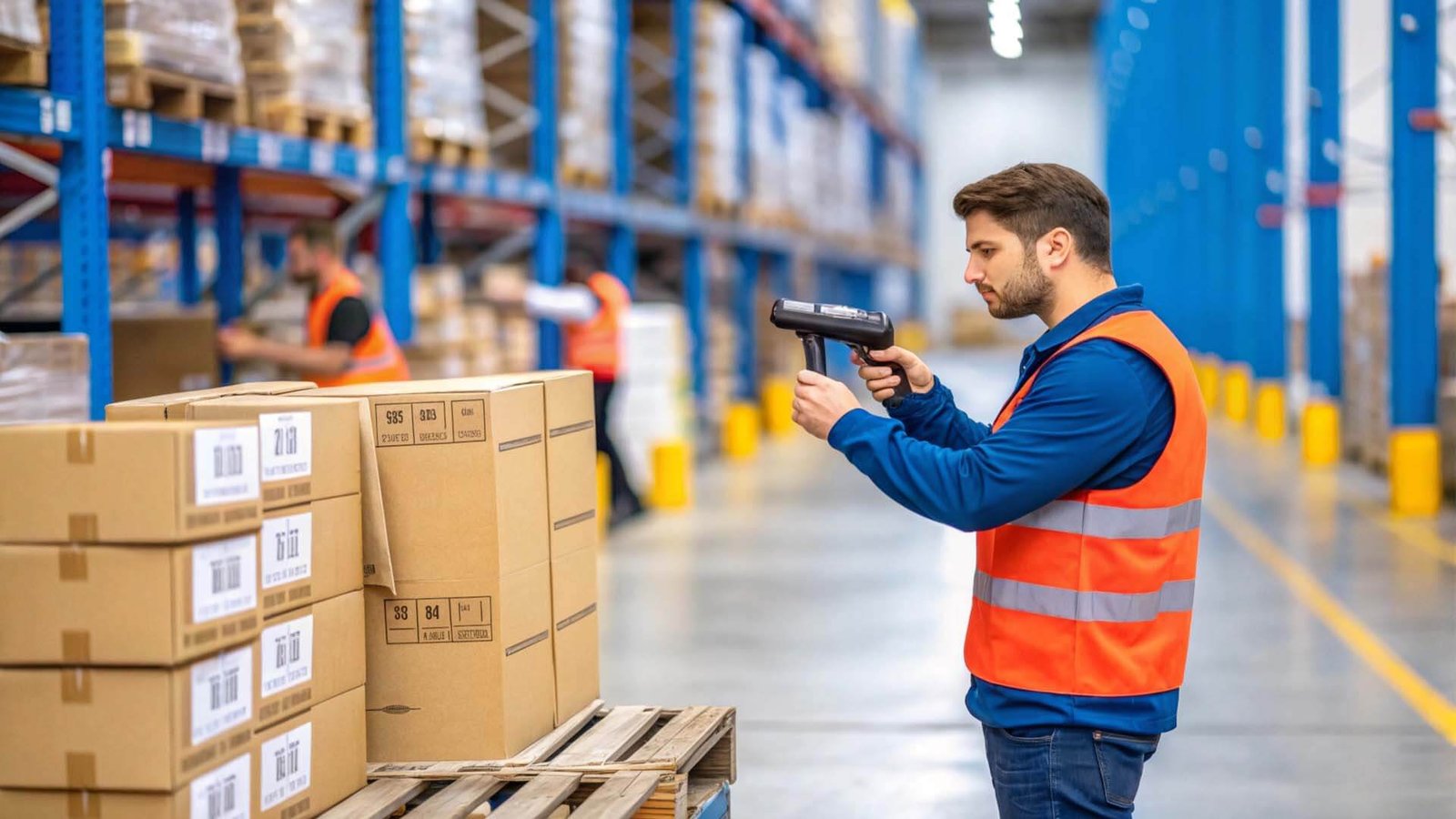
Many importers are still unaware of how these services can enhance their operations. Understanding the full potential of value-added warehousing3 can keep businesses competitive in today's fast-paced market. Let’s dive into what value-added logistics6 really means and how it goes beyond mere storage.
What Is Value-Added Logistics and How Does Value-Added Warehousing Go Beyond Basic Storage for Importers?
Value-added logistics provides a significant advantage for importers. Traditional warehousing focuses on storage and basic handling. However, value-added warehousing3 encompasses a range of additional services. These services can include labeling, kitting1, assembly, and quality checks. This shift enables warehouses to play a critical role in the supply chain.
Value-added warehousing allows importers to delay final product configuration until goods arrive in the U.S., simplifying overseas production. This approach supports SKU diversification7, country-specific labeling, and compliance checks8, while reducing the risk of rework, rejected shipments, and costly customs or regulatory issues9.
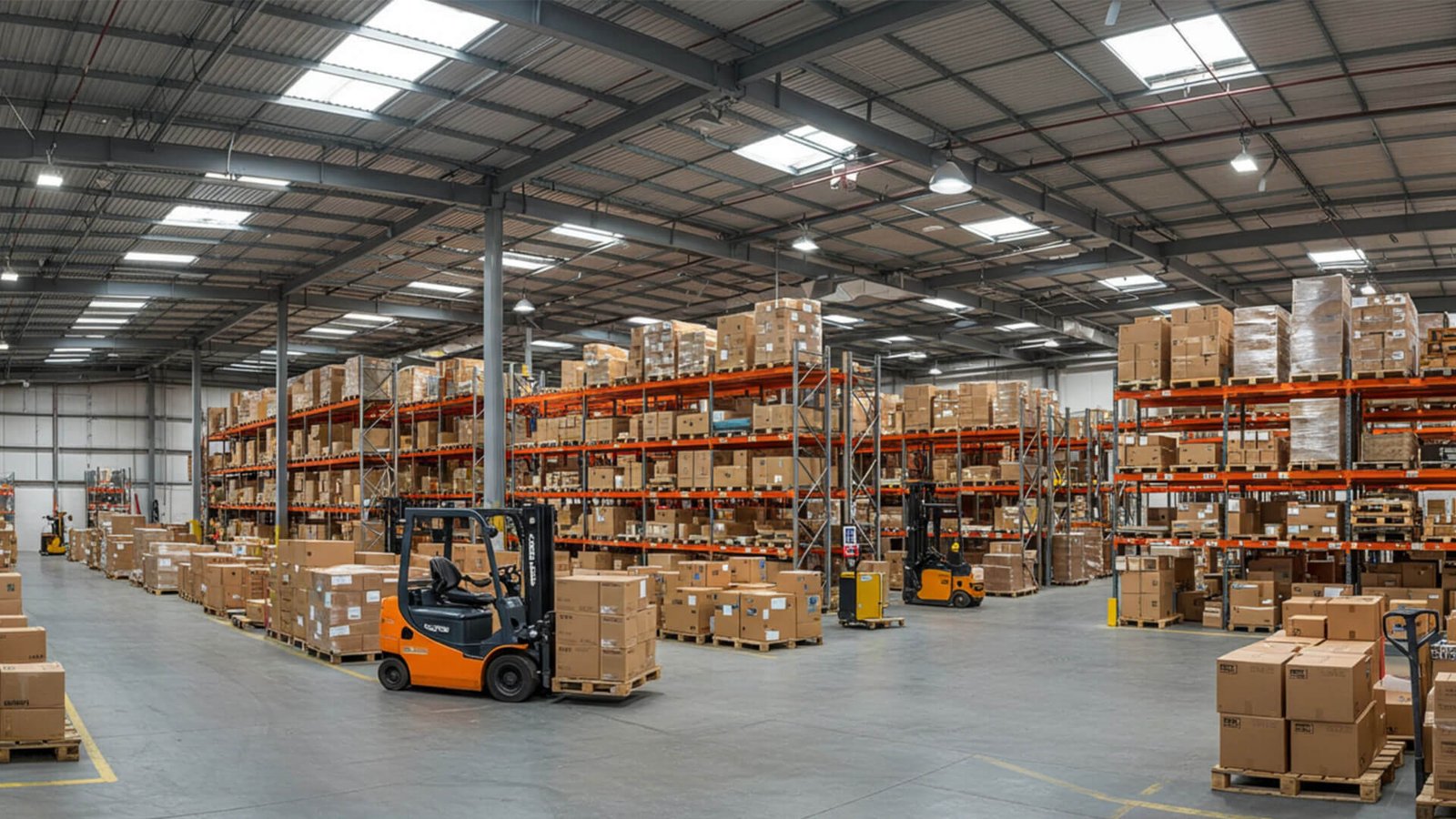
When companies embrace value-added services, they change how they operate. Instead of being a static storage space, a warehouse becomes an operational hub4. This transformation helps streamline processes and cut costs. Companies can save time and money by using these services effectively.
Value-added logistics is especially important for U.S. importers. It aligns perfectly with their needs for efficiency, speed, and compliance. This ensures that products are ready for market faster. Plus, it enhances overall supply chain efficiency.
Which Value-Added Warehousing Services Reduce Landed Cost and Improve Speed to Market for U.S. Imports?
Several specific services fall under the umbrella of value-added warehousing3. These include labeling, repacking, kitting1, light assembly, inspection, and cross-docking10. Each of these services provides unique benefits that contribute to reducing landed cost5s and improving speed to market.
Common value-added warehousing3 services include labeling, repacking, kitting1, light assembly, quality inspection, and cross-docking10. Performing these tasks closer to port arrival helps importers avoid secondary handling, reduce transportation moves, and accelerate order fulfillment—directly improving speed to market while controlling total landed cost5.

Using value-added warehousing3 can lead to significant cost savings. When tasks are completed closer to the port, importers save on transportation and handling costs. This not only reduces total landed cost5s but also speeds up the delivery process.
For example, kitting1 allows different components to come together in a single package before reaching the final destination. This reduces the number of handling steps and speeds up order fulfillment. By optimizing these processes, companies can respond more rapidly to market demands.
How Value-Added Warehousing Helps Importers Manage SKU Complexity, Customization, and Compliance Requirements.
As businesses grow, they often face SKU complexity. The more products you handle, the harder it becomes to manage everything effectively. Value-added warehousing helps mitigate these challenges by providing operations that support customization2 and compliance requirements.
Value-added warehousing allows importers to delay final product configuration until goods arrive in the U.S., simplifying overseas production. This approach supports SKU diversification7, country-specific labeling, and compliance checks8, while reducing the risk of rework, rejected shipments, and costly customs or regulatory issues9.
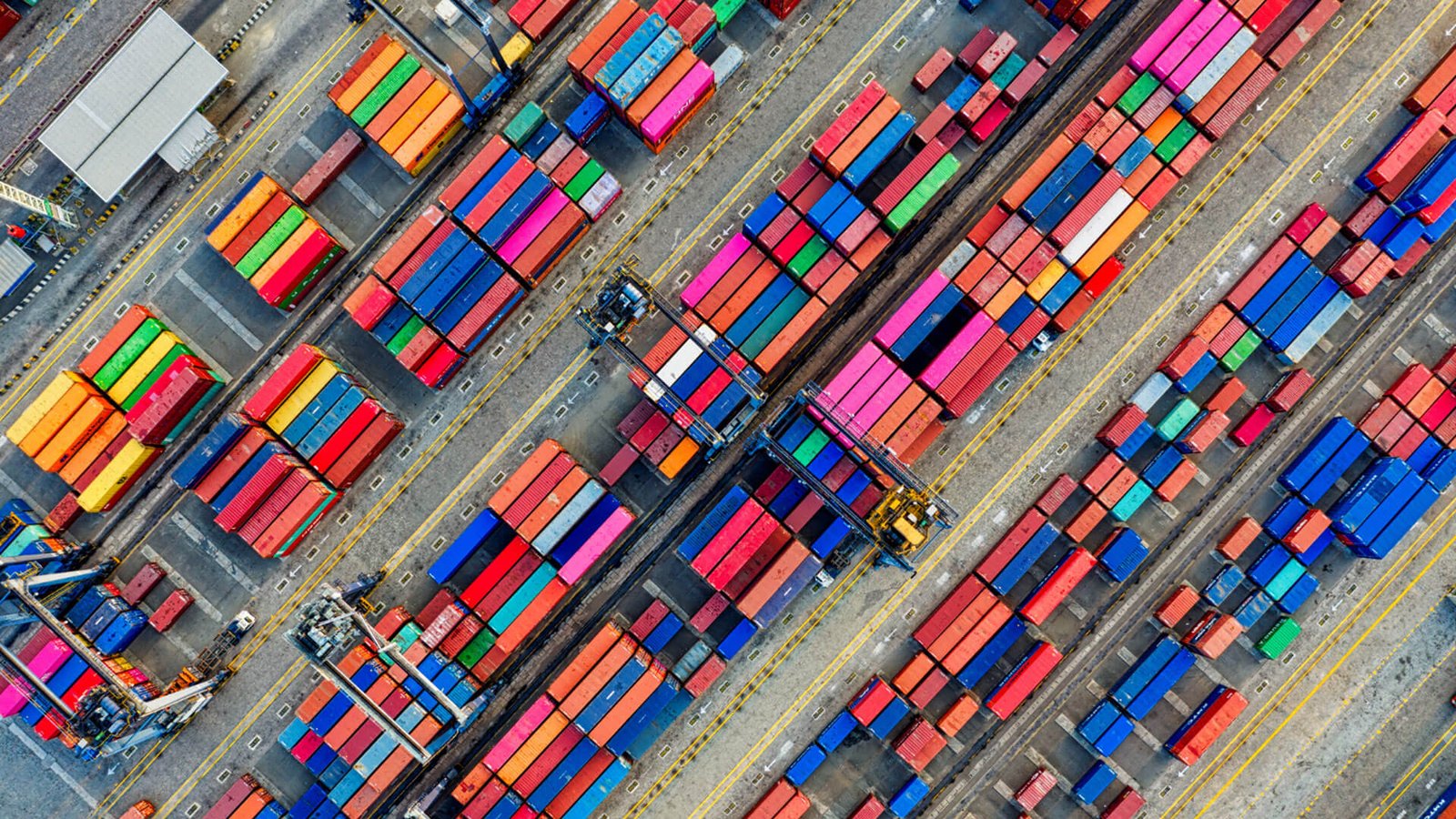
This delay in final configuration means that importers can manage a diverse range of SKUs without overwhelming their production capabilities. Additionally, services like labeling and kitting1 ensure that products meet specific country requirements. This reduces the risk of customs issues and ensures compliance with regulations.
The flexibility offered by value-added services allows importers to adapt to market changes. They can quickly pivot and address different customer needs without incurring extra costs or delays. Overall, this adaptability can lead to increased customer satisfaction.
What Is the ROI of Value-Added Warehousing When Compared to Handling These Activities In-House or Post-Delivery?
Evaluating the ROI of value-added warehousing3 is essential for importers. When comparing in-house operations to outsourcing these services, the numbers often favor value-added warehousing3. This choice can lead to lower labor costs, reduced inventory dwell time11, and faster order cycles12.
The ROI of value-added warehousing3 comes from lower labor costs, reduced inventory dwell time11, fewer handling steps, and faster order cycles12. Compared to in-house or post-delivery processing, importers often see improved cash flow13, better inventory velocity, and reduced operational risk tied to demand fluctuations.

When companies choose value-added warehousing3, they often experience better cash flow13 and can manage inventory more effectively. The faster cycle times lead to quicker access to cash and less exposure to market fluctuations. This is crucial for maintaining a competitive edge.
Overall, the benefits of outsourcing value-added warehousing3 services create a compelling argument for businesses looking to improve their operations.
How Value-Added Warehousing Fits Into an End-to-End Import Strategy From Port Arrival to Final Distribution.
Integrating value-added warehousing3 into an end-to-end logistics strategy14 is vital for U.S. importers. When warehouses work seamlessly with inbound freight, customs clearance, and outbound distribution, they create a more efficient flow of goods.
Value-added warehousing delivers the most impact when integrated with inbound freight, customs clearance, and outbound distribution. For U.S. importers, this alignment reduces port congestion15, shortens lead times, and ensures goods flow efficiently from vessel arrival through final delivery without unnecessary handoffs or delays.
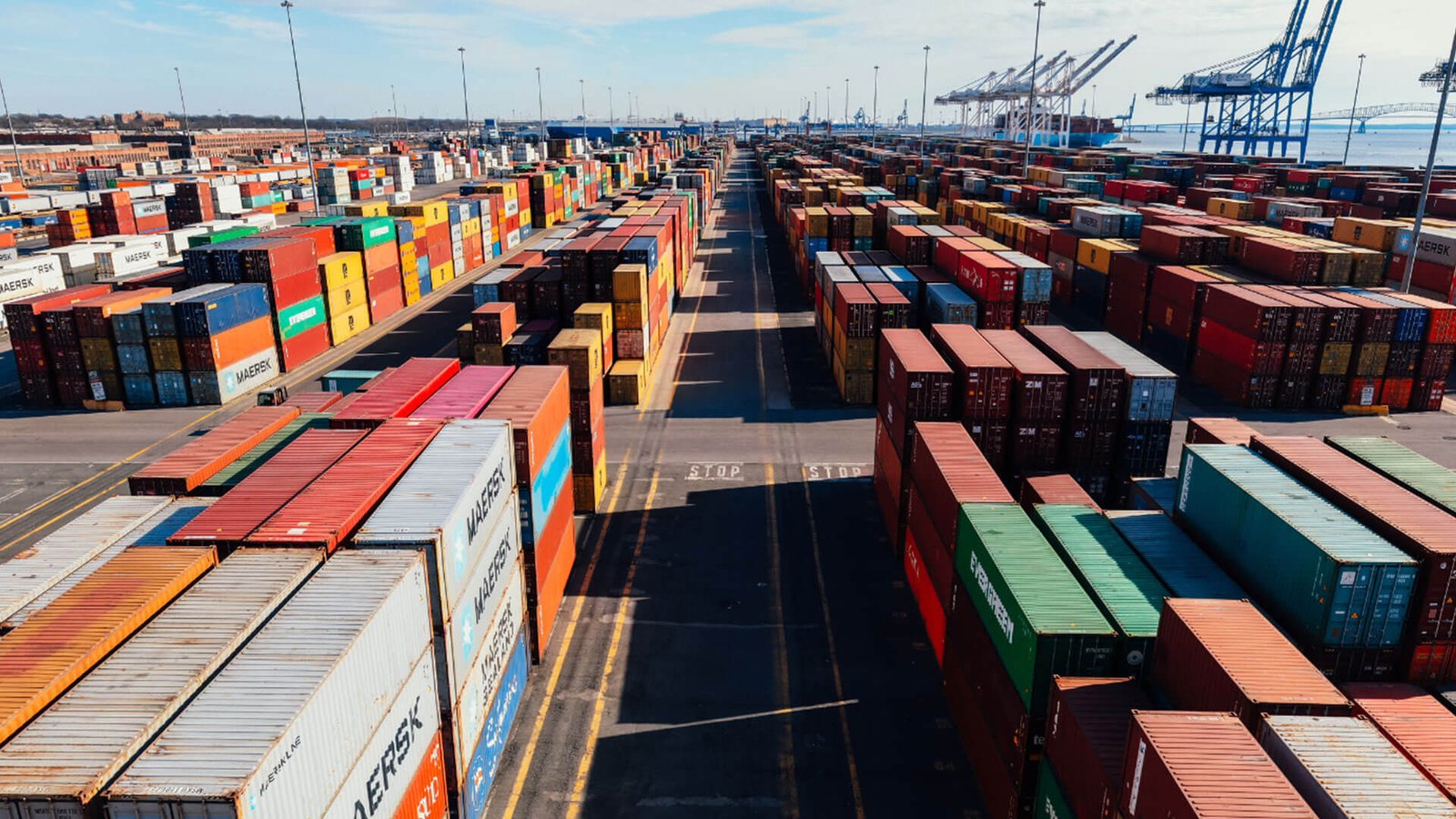
This integration helps streamline the overall process. By minimizing handoffs and reducing congestion at the port, businesses can ensure that products move quickly and efficiently. This not only improves lead times but also enhances customer satisfaction.
Importers can adapt their strategies based on real-time data16. This allows them to make informed decisions and respond to market changes swiftly. In a world where speed and efficiency are paramount, integrating value-added warehousing3 into the logistics strategy is a vital step.
| Basic Warehousing | Value-Added Warehousing |
|---|---|
| Primary function: Storage and simple handling | Primary function: Storage plus operational processing |
| Services included: Receiving, put-away, and storage | Services included: Labeling, kitting1, repacking, inspection |
| Impact on landed cost5: Limited cost control | Impact on landed cost5: High potential cost reduction |
| Flexibility for imports: Low | Flexibility for imports: High |
| Best for: Stable SKUs with minimal customization2 | Best for: Importers with SKU variety, compliance needs |
Conclusion
Investing in value-added warehousing3 can significantly enhance operational efficiency and reduce costs for U.S. importers.
Kitting streamlines the order fulfillment process, reducing handling steps and speeding up delivery times. ↩
Customization services in warehousing allow businesses to meet specific market demands and enhance customer satisfaction. ↩
Exploring value-added warehousing reveals how it turns warehouses into operational hubs, improving efficiency and reducing costs. ↩
Transforming warehouses into operational hubs enhances their role in the supply chain, leading to cost savings and efficiency. ↩
Reducing landed costs is crucial for importers to maintain profitability and competitive pricing. ↩
Understanding value-added logistics can help businesses enhance their operations and stay competitive in the market. ↩
Learn how value-added warehousing supports SKU diversification, allowing businesses to manage a wide range of products efficiently. ↩
Compliance checks ensure that products meet regulatory standards, reducing the risk of costly customs issues. ↩
Avoiding regulatory issues is crucial for smooth import operations and preventing costly delays. ↩
Cross-docking minimizes storage time and accelerates the movement of goods, enhancing supply chain efficiency. ↩
Reducing inventory dwell time improves cash flow and reduces the risk of obsolescence. ↩
Faster order cycles mean quicker access to products and improved customer satisfaction. ↩
Improved cash flow from faster order cycles and reduced inventory costs strengthens a company's financial position. ↩
Integrating value-added warehousing into logistics strategies ensures efficient flow from port to final delivery. ↩
Reducing port congestion leads to faster processing and delivery of goods, improving overall supply chain efficiency. ↩
Real-time data allows businesses to make informed decisions and quickly adapt to market changes. ↩