The Harmonized System (HS) codes are a key part of international trade. They can make or break your shipping experience. If you're an importer, understanding these codes is vital.
HS codes1 are essential for U.S. importers to accurately classify products and determine the correct duties and taxes. These codes ensure compliance with U.S. Customs and Border Protection (CBP) regulations2, streamline customs clearance3, and reduce the risk of fines or delays in shipment processing.
Navigating the world of international shipping can be tough. Mistakes can lead to delays and penalties. That’s why knowing about HS codes1 is so important. Let's explore why understanding them is crucial for U.S. importers.
Why Understanding Harmonized System (HS) Codes Is Crucial for U.S. Importers?
The world of customs can feel overwhelming. Understanding HS codes1 helps simplify this process. These codes are not just for classification; they are essential for compliance and avoiding issues at the border.
Properly classifying products using HS codes1 is crucial to avoid delays at customs. U.S. importers must ensure that the correct code is assigned to each product, as an incorrect classification can result in customs holds, fines, or even confiscation of goods.
Getting the HS codes1 right means avoiding customs delays. If a product is misclassified, it can lead to a hold on your shipment. This creates frustration and costs time and money. Therefore, it’s crucial to understand how to classify products properly.
How to Properly Classify Products Using HS Codes to Avoid Customs Delays
Classifying products with HS codes1 isn’t just about meeting regulations. It directly impacts your shipping timeline. If you want smooth operations, accuracy in classification is a must.
HS codes1 play a pivotal role in determining the tariffs and duties4 applied to imported goods. By classifying products correctly, U.S. importers can predict the applicable duties, comply with trade regulations, and avoid costly tariff-related mistakes5 during the customs clearance3 process.
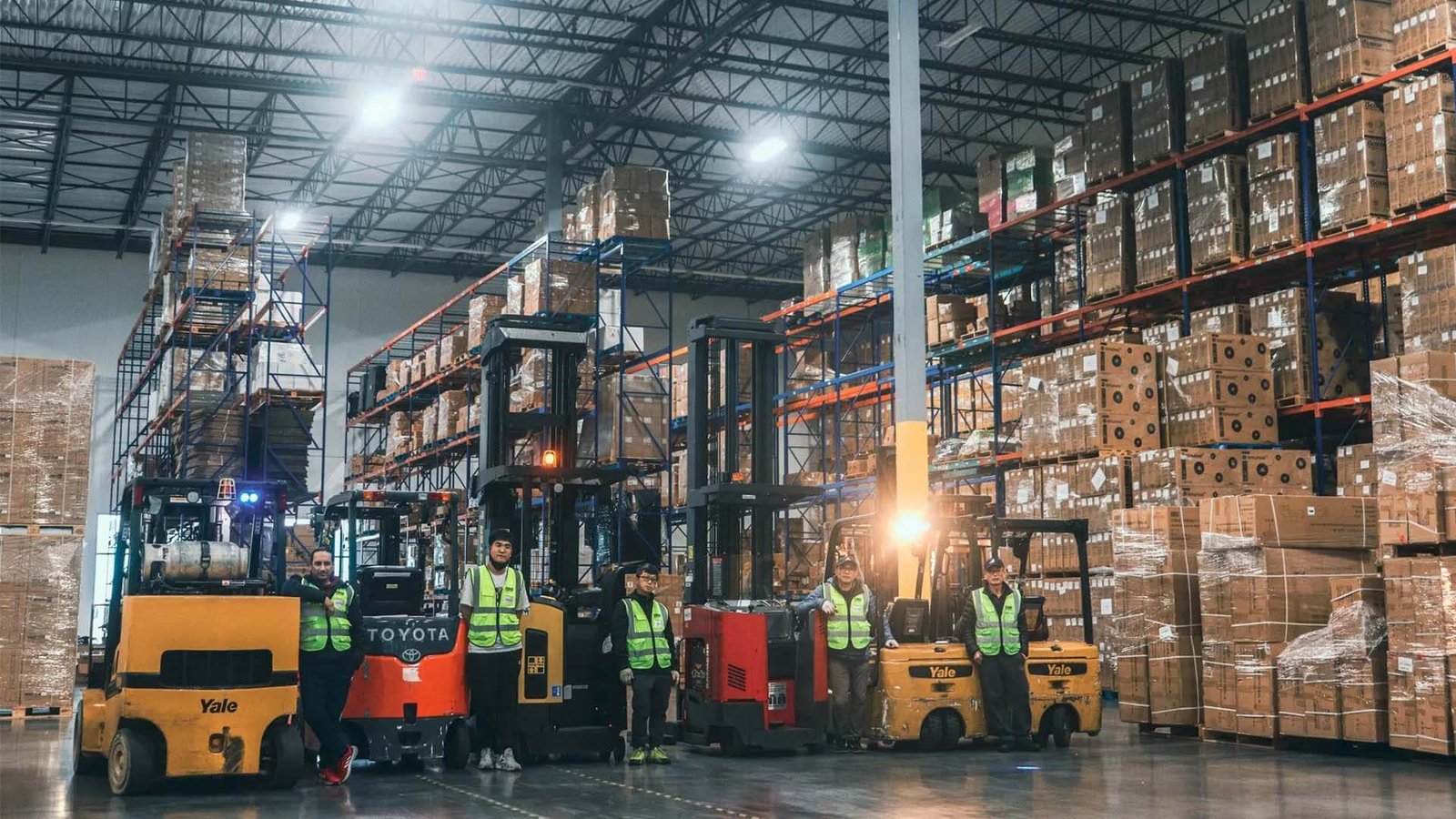
To classify correctly, you first need to understand the product. Gather all information about it. This includes materials used, purpose, and specifications. Accurate classification leads to correct tariff calculations, which saves money in the long run.
The Role of HS Codes in Determining Tariffs and Customs Duties for U.S. Importers
Tariffs can significantly impact your bottom line. Knowing the correct HS code helps you understand the duties that apply. This can help you plan your budgets better.
To find the correct HS code, U.S. importers can reference the U.S. Harmonized Tariff Schedule (HTSUS)6, consult with customs brokers7, or use specialized classification tools8. Accurate classification helps avoid penalties, delays, and ensures smooth customs processing.
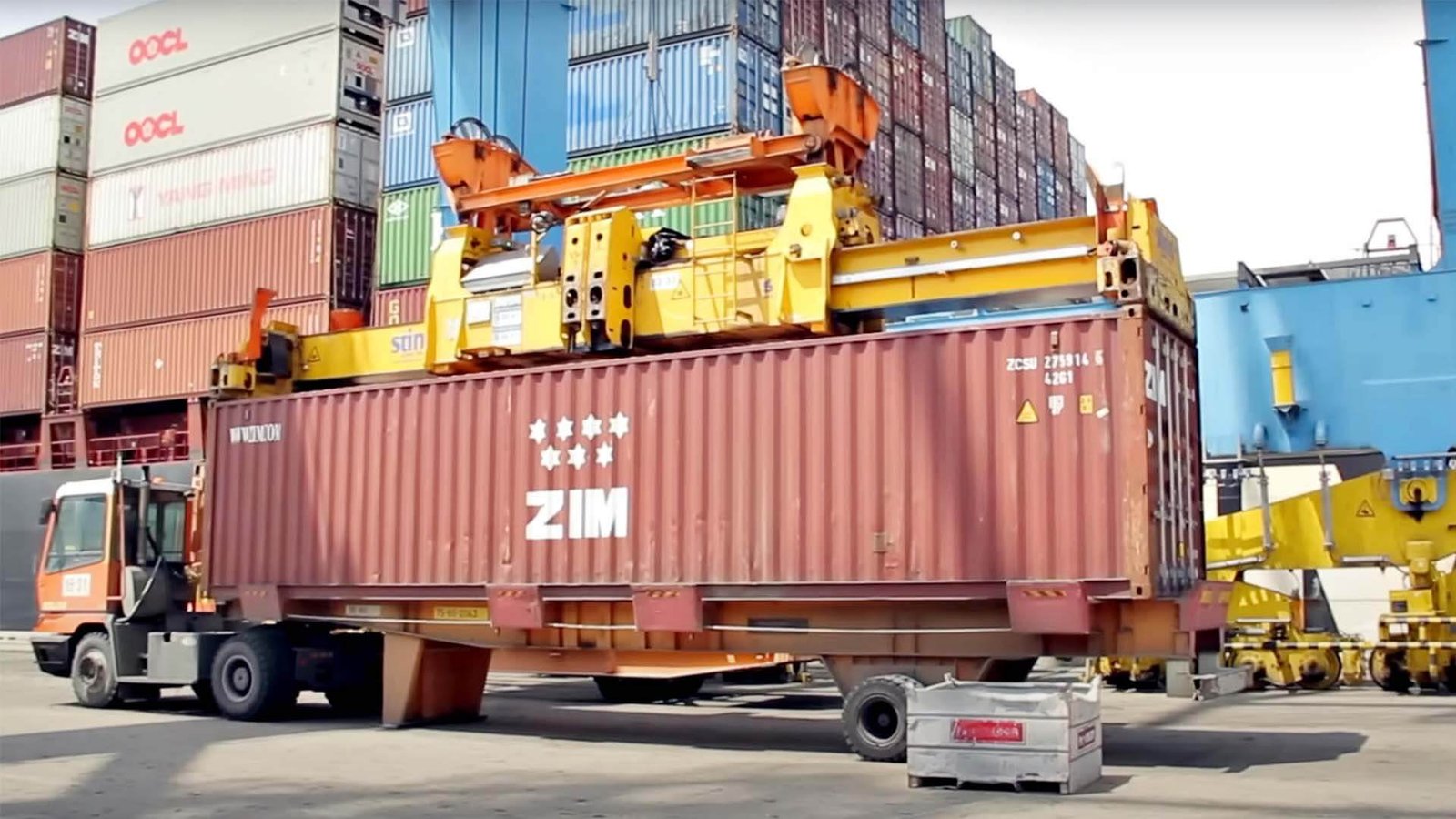
Many resources are available to help find the correct code. Using the HTSUS is a great starting point. Consulting with a customs broker can also provide guidance. They can help you navigate the complex world of HS codes1 and tariffs.
How to Find the Correct HS Code for Your Shipment and Avoid Penalties
Finding the right HS code is crucial for avoiding penalties. It’s not just about compliance; it’s also about making smart financial decisions.
HS codes1 consist of six digits, with the first two digits identifying the chapter, the next two indicating the heading, and the last two specifying the subheading. U.S. importers should understand this structure to accurately classify goods and ensure compliance with both international and domestic regulations.
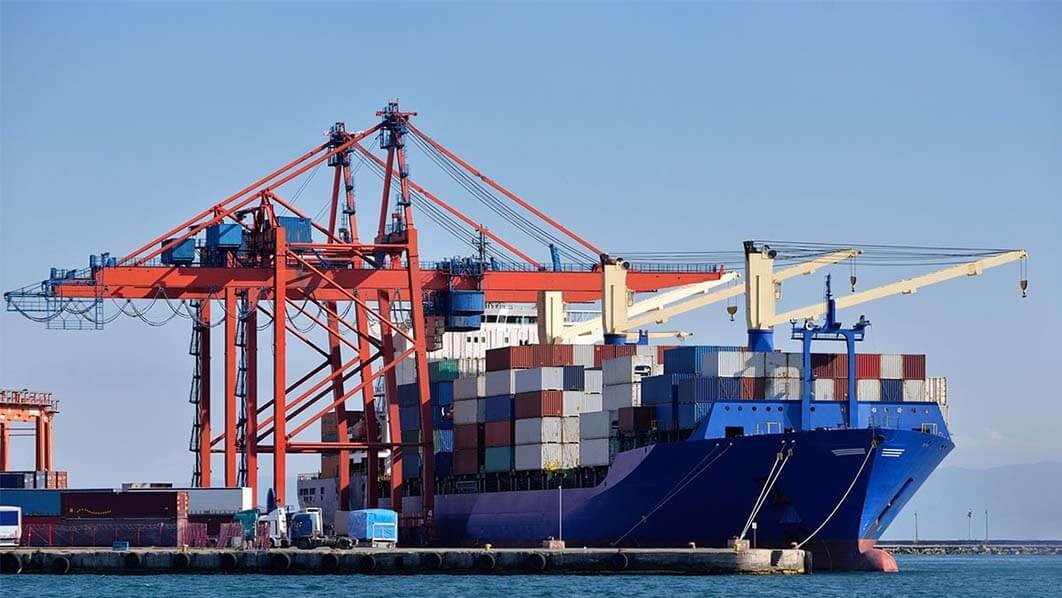
Understanding the structure of HS codes9s](https://www.dhl.com/discover/en-us/global-logistics-advice/import-export-advice/understanding-hs-codes)%%%FOOTNOTE_REF_1%%% can seem daunting. However, it’s simpler than it looks. The first two digits tell you the chapter. The next two show the heading, and the last two indicate the specific subheading. This breakdown ensures that you classify products accurately.
Understanding the Structure of HS Codes and What Each Digit Represents
HS codes1 follow a specific structure. Learning this structure allows for better product classification and compliance with regulations.
Using incorrect HS codes1 can lead to fines, shipment delays10, and potential legal issues. U.S. importers must double-check product classifications, stay up-to-date with tariff changes, and work closely with customs brokers7 to minimize the risk of errors and ensure smooth customs clearance3.

Mistakes can be costly. If you use the wrong HS code, it could result in fines and delays. It is essential to stay informed about changes in tariffs and regulations. Working with customs brokers7 can help minimize risks and ensure compliance.
Conclusion
Understanding HS codes1 is vital for smooth shipping operations and compliance with customs regulations.
Understanding HS codes is crucial for compliance and avoiding shipment delays, making it essential for importers to explore this topic. ↩
Compliance with CBP regulations is vital to avoid fines and delays, so learning how HS codes help is beneficial for importers. ↩
Streamlining customs clearance can save time and money, making it important to understand the role of HS codes in this process. ↩
Knowing how HS codes impact tariffs and duties can help importers plan their budgets and avoid costly mistakes. ↩
Avoiding tariff-related mistakes is crucial for cost-effective importing, making it important to learn how to prevent them. ↩
The HTSUS is a valuable resource for finding HS codes, and understanding it can aid in accurate product classification. ↩
Customs brokers offer expertise in HS codes and tariffs, helping importers avoid penalties and ensure smooth customs processing. ↩
Using classification tools can simplify the process of finding the correct HS codes, reducing the risk of errors. ↩
Understanding the structure of HS codes is key to accurate classification, ensuring compliance with regulations. ↩
Avoiding shipment delays is critical for timely delivery, so understanding the impact of incorrect HS codes is essential. ↩