The complexity of U.S. customs clearance1 can be overwhelming for many importers. Understanding the process is vital to ensuring timely delivery and compliance.
U.S. customs clearance1 involves declaring goods to Customs and Border Protection (CBP) and fulfilling all legal requirements. The importer of record2 holds ultimate responsibility for compliance and duties3, even if a customs broker4 is involved.

The customs clearance process is not just a formality. It requires careful attention to documentation and compliance to avoid costly delays.
What Is U.S. Customs Clearance and Who Is Legally Responsible for It as the Importer?
The process of U.S. customs clearance1 is essential for importers. It ensures that goods entering the U.S. comply with laws and regulations. Understanding who is responsible is crucial. The importer of record2 is the individual or entity legally accountable for the imported goods. This includes ensuring accurate declarations and payment of duties.
To successfully clear customs, the importer must provide correct and complete information. Even if a customs broker4 files entries on their behalf, the importer remains liable for compliance.
Being aware of your responsibilities as an importer can significantly impact your business operations. Failure to meet these obligations can lead to fines, delays, and even seizure of goods.
Dive deeper Paragraph: The importer's responsibility encompasses several key areas. First, the accuracy of the import declaration5 is paramount. This includes providing the correct value, classification, and origin of goods. Any discrepancies can lead to penalties or audits. Second, recordkeeping6 is vital. The importer must retain documentation related to the shipment for a specified period, as required by CBP. Finally, compliance with all regulations regarding the importation of specific products is essential. Importers must stay informed about changes in laws and regulations that may affect their goods.
How the U.S. Customs Clearance Process Actually Works From Arrival to Cargo Release?
Once cargo arrives in the U.S., the customs clearance process begins. This involves several crucial steps that ensure your goods meet federal requirements.
The customs clearance process starts with the cargo arrival7 and filing an entry with CBP. Customs reviews documentation, assesses risk, and may either release the shipment or request further information. Clearance is only complete when CBP authorizes cargo release.
Each step in this process is critical for the timely release of cargo. Understanding these steps can help importers navigate potential pitfalls.
Dive deeper Paragraph: The customs clearance process generally has four main stages: Arrival, Entry, Exam, and Release. Upon arrival, the carrier notifies CBP of the shipment. The broker submits the import entry. CBP reviews the entry for accuracy, including duties and classification. If they identify any discrepancies, they may request additional documentation or subject the shipment to an examination. The examination can be non-intrusive, like an X-ray, or require a physical inspection. Once everything is in order, and CBP authorizes the release, the cargo can move on to its final destination. Understanding these steps helps importers prepare effectively and reduce the risk of delays.
What Documents and Data Are Required to Clear U.S. Customs Without Delays or Rejections?
Documentation is at the heart of the customs clearance process. Having the right documents ready is essential for a smooth experience.
To clear U.S. customs, essential documents include a commercial invoice8, packing list9, and bill of lading10. Inaccuracies in these documents can lead to delays and compliance issues.
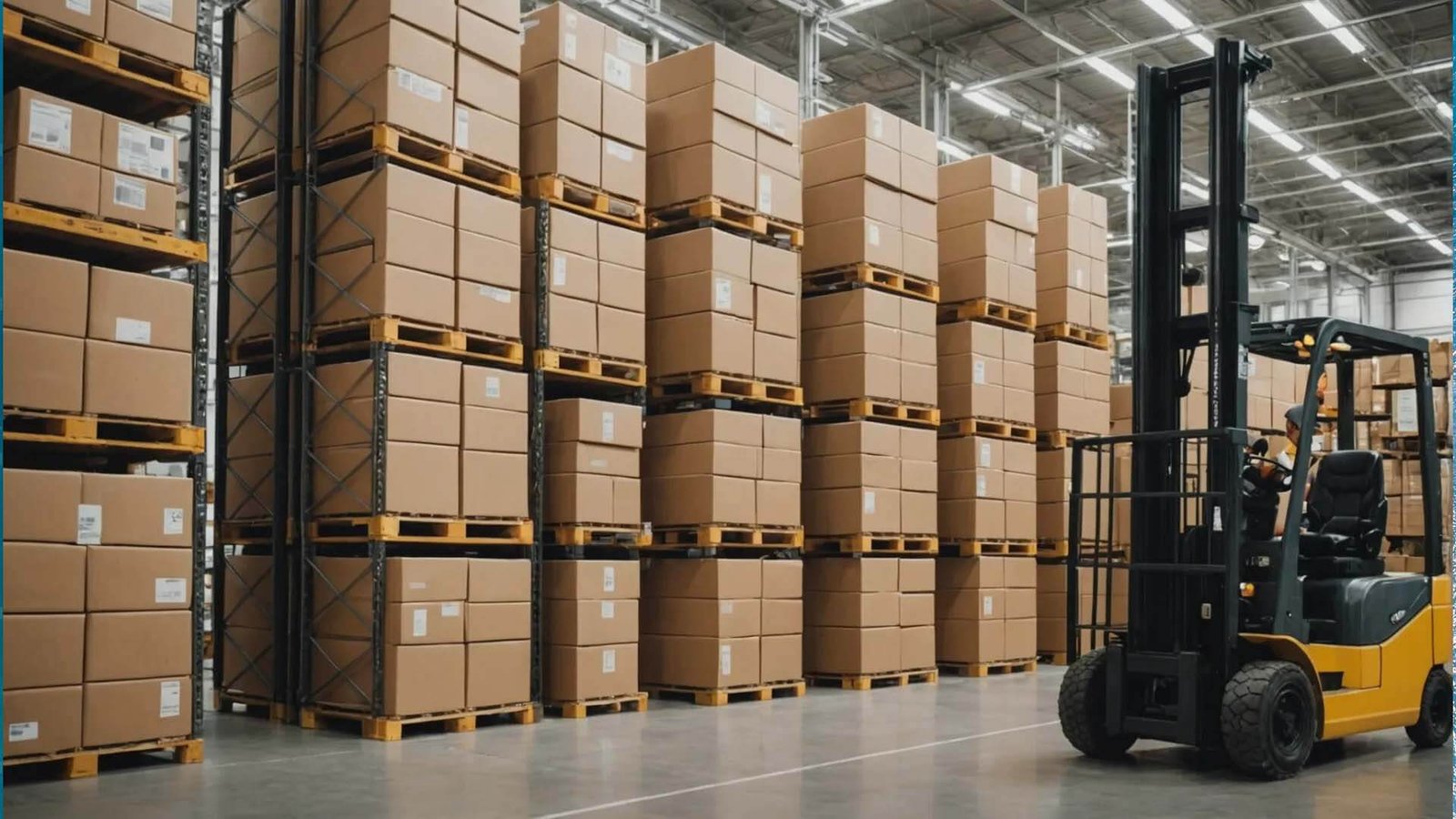
Ensuring that you have the necessary paperwork in order can make or break your import experience.
Dive deeper Paragraph: The three core documents required for a standard import declaration5 are the commercial invoice8, packing list9, and bill of lading10. The commercial invoice8 serves as proof of sale and outlines the terms of the transaction. The packing list9 details the contents of the shipment, which helps customs verify the accuracy of the cargo. Lastly, the bill of lading10 is a contract between the shipper and carrier, providing essential shipping details. Mistakes in these documents can lead to delays, rejections, or even fines. Common errors include misreported values, incorrect tariff classification11s, and discrepancies in party information. Importers should double-check these documents for accuracy to reduce the risk of issues during the customs review process.
How Duties, Taxes, and Customs Fees Are Assessed and Collected During Clearance?
Understanding how duties and taxes are calculated is crucial for importers. This knowledge can save you money and prevent unexpected expenses.
During customs clearance, CBP assesses duties, taxes, and fees based on the declared value and tariff classification11. Accurate valuation is essential to avoid overpayment or penalties.

Knowing how costs are determined can help importers budget more effectively and avoid surprises.
Dive deeper Paragraph: U.S. import duties are assessed based on several factors, including the value of the goods, the tariff classification11, and the country of origin. The declared value is crucial, as customs duties are typically calculated as a percentage of this figure. Importers need to accurately classify their products according to the Harmonized Tariff Schedule. Any misclassification can lead to overpayment of duties or penalties, making it vital for importers to consult with customs broker4s or compliance experts when determining the correct classification. Additionally, customs clearance fees, which can vary depending on the broker and complexity of the shipment, must also be factored into the total cost. Knowing these details helps importers avoid financial pitfalls during the clearance process.
What Causes U.S. Customs Holds, Exams, and Delays—and How Importers Can Reduce the Risk?
Holds and delays can be frustrating and costly for importers. Understanding their causes can help mitigate risks.
Holds and exams occur due to incomplete documentation, unusual values, or a poor compliance history12. By ensuring thorough documentation, importers can minimize these risks.
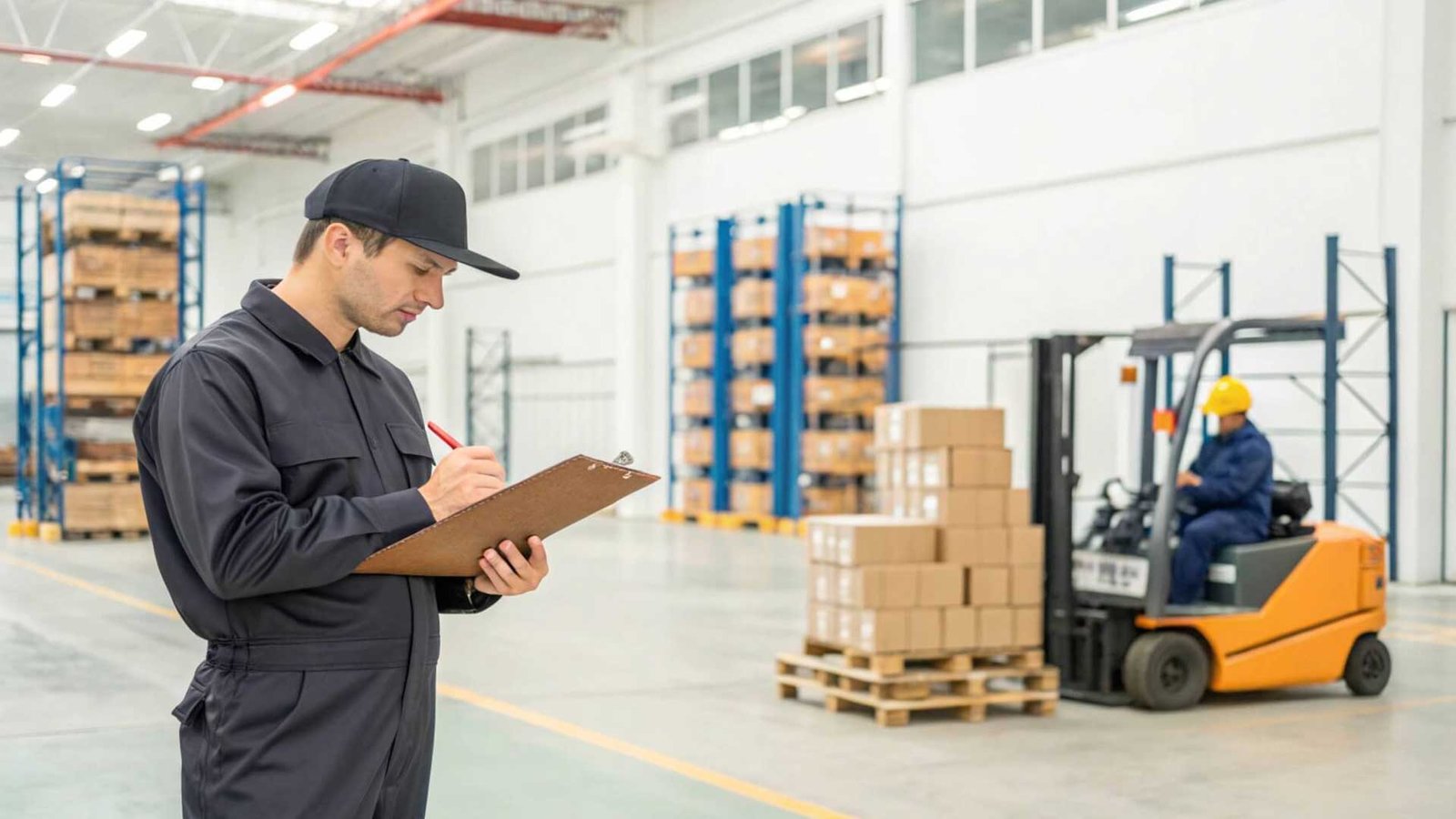
Awareness of potential pitfalls allows importers to take proactive steps to ensure smooth clearance.
Dive deeper Paragraph: Common reasons for customs holds13 include incomplete or inaccurate documentation, unusual declared values that raise red flags, or goods that fall under strict regulatory controls. While not all shipments are physically examined, those that are can experience significant delays. Custom holds can also stem from the importer’s compliance history12. A history of violations may prompt customs to scrutinize future shipments more closely. To mitigate these risks, importers should maintain accurate and complete documentation and regularly review their compliance practices. Ensuring effective communication with customs broker4s can also help identify potential issues before they lead to holds or delays.
How Importers Can Speed Up Customs Clearance Through Proper Planning and Broker Coordination?
Proper planning is key to a smooth customs clearance process. Coordination with your customs broker4 can significantly impact timing.
Importers can expedite clearance by preparing documents early and maintaining consistent data with their customs broker4. Early planning can reduce holds and ensure timely release of goods.
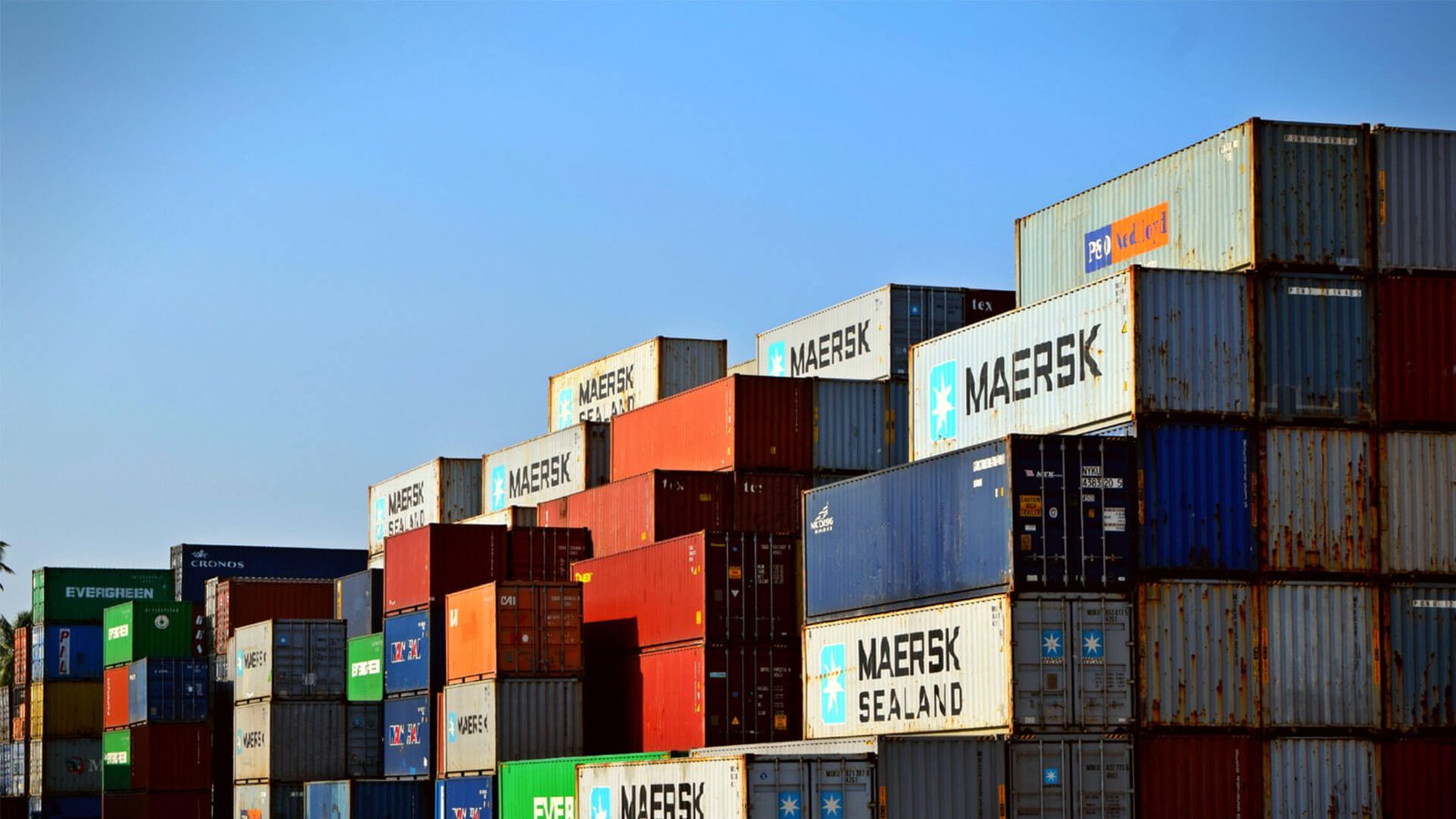
Taking proactive steps is essential for importers looking to streamline their processes.
Dive deeper Paragraph: To speed up customs clearance, importers should start preparing documentation well before the cargo arrives. This includes having commercial invoice8s, packing list9s, and other necessary paperwork ready in advance. Consistency and accuracy in data sharing with your customs broker4 are also crucial. Regular communication helps address any discrepancies early, reducing the risk of last-minute corrections that can delay clearance. Importers should also take the time to coordinate their logistics plans with their customs clearance strategies. This includes understanding drayage and warehousing14 timelines to ensure that once clearance is granted, the goods can be moved promptly to their final destination.
Conclusion
Understanding the U.S. customs clearance1 process is critical for smooth imports. Knowledge of responsibilities, documentation, and proactive planning15 can significantly enhance efficiency.
Understanding U.S. customs clearance is crucial for importers to ensure compliance and avoid costly delays. ↩
Knowing the role of the importer of record helps in understanding legal responsibilities and compliance requirements. ↩
Compliance and duties are key factors in the import process, impacting costs and legal obligations. ↩
A customs broker can assist with navigating complex customs regulations, making them a valuable resource for importers. ↩
An accurate import declaration is essential to avoid penalties and ensure smooth customs clearance. ↩
Proper recordkeeping helps importers maintain compliance and avoid audits or penalties from customs authorities. ↩
Understanding cargo arrival procedures helps importers prepare for the initial steps of customs clearance. ↩
A commercial invoice is a key document that outlines transaction details, essential for customs clearance. ↩
A packing list provides detailed information about the shipment, aiding in the verification process during customs clearance. ↩
The bill of lading is a crucial document that serves as a contract between the shipper and carrier. ↩
Correct tariff classification is vital to avoid overpayment of duties and ensure compliance with customs regulations. ↩
A good compliance history can facilitate smoother customs clearance, while a poor one may lead to increased scrutiny. ↩
Understanding the causes of customs holds helps importers take preventive measures to avoid delays. ↩
Understanding drayage and warehousing helps in planning logistics and ensuring timely movement of goods post-clearance. ↩
Proactive planning helps importers prepare for potential issues, ensuring a smoother and faster clearance process. ↩