Your budget is set, but sudden tariffs ruin your profit margins1. Shipments stall at the port, and you feel helpless. You need to understand these risks to protect your business.
Trade wars disrupt supply chains2 by raising tariffs and imposing sanctions. These actions immediately increase landed costs3, create unpredictable customs delays4, and make strategic planning nearly impossible. Importers are forced to react to constant changes instead of managing a stable supply chain.
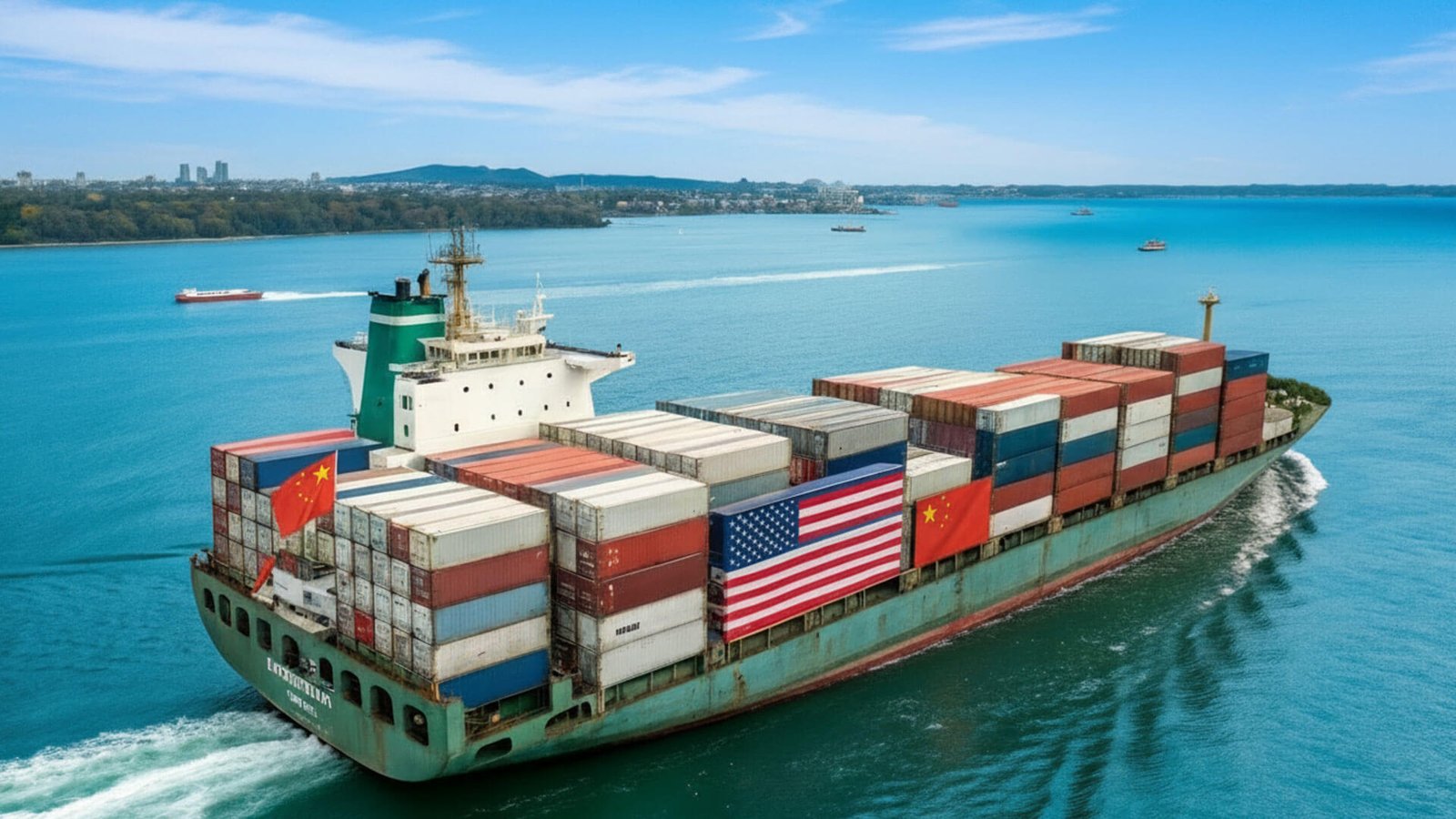
These disruptions aren't just minor headaches; they can fundamentally break your business model if you aren't prepared. The rules of the game change overnight, and what worked yesterday becomes a major liability today. I've seen it happen to many importers who thought they were safe. Let's break down exactly where the system gets stressed, and more importantly, what you can do about it. The key is to see the problems before they hit your bottom line.
How do tariffs and sanctions disrupt supply chains by increasing landed costs3, delays, and planning uncertainty?
Your landed cost estimates are suddenly wrong. Shipments you expected in days are held for weeks. Planning your next quarter's inventory feels like guessing. This uncertainty makes managing cash flow impossible.
Tariffs and sanctions directly increase your landed costs3 through new duties. They cause delays as customs officials implement new screening procedures. This volatility makes accurate forecasting impossible, turning your strategic supply chain planning into a purely reactive and costly exercise.
Deeper Dive: The Three-Front War on Your Bottom Line
When a trade war begins, your supply chain is attacked on three fronts: cost, time, and planning. First, costs explode. It’s not just one simple tariff. You face tariff stacking5, where new duties like Section 301 tariffs6 are added on top of existing Most-Favored-Nation (MFN) rates7. Suddenly, a product with a 2% duty now has a 27% duty. Second, delays become the new normal. Customs and Border Protection (CBP)8 is tasked with enforcing new sanctions and tariffs. This means more intensive document reviews and a higher likelihood of physical exams. Sanctions screening for restricted parties or technologies adds another layer of potential holds. These delays aren't free; they lead to expensive demurrage and detention fees. Finally, your ability to plan is destroyed. How can you set prices or promise delivery dates when you don't know the final duty rate or clearance time? This uncertainty ripples through your entire operation, from finance to sales.
To manage this, you must see risk clearly. Here is how I map it for my clients:
Trade War Risk Matrix9
| Risk Area | Low Impact | Medium Impact | High Impact |
|---|---|---|---|
| Cost | MFN duty changes | Section 301 tariffs6 | Emergency or reciprocal tariffs |
| Delay | Documentation review | Customs exams | Sanctions or license holds |
| Compliance | Routine filing | Classification disputes | Penalties, seizures, audits |
Why do trade wars break traditional sourcing, routing, and inventory strategies for U.S. importers?
You built your supply chain on reliable suppliers and routes. Now, tariffs make your primary supplier too expensive. Alternative routes are congested and slow. Your "just-in-time" inventory model is failing.
Trade wars make traditional strategies obsolete because they eliminate stability. Tariffs force you to find new, unvetted suppliers. Sanctions can close entire shipping routes overnight. Lean, "just-in-time" inventory models become too risky, forcing you to hold expensive safety stock.

Deeper Dive: When Your Playbook Becomes Obsolete
Your old supply chain playbook was written for a world with predictable rules. Trade wars tear that playbook up. Your sourcing strategy10 is the first to break. A 25% tariff can wipe out the cost advantage of your long-term Chinese supplier overnight. Now you have to find a new factory in another country, which involves risk, qualification time, and new logistics paths. Your routing strategy also fails. If you shift sourcing to Vietnam or Mexico, so does everyone else. Ports in those regions become congested, and shipping capacity gets tight, driving up freight rates. Your trusted China-to-LA route may no longer be viable.
Finally, your inventory strategy is shattered. "Just-in-time" delivery is impossible when a customs hold can delay a container for weeks. You are forced to shift to a "just-in-case" model, buffering your inventory to protect against delays. This ties up huge amounts of cash and increases warehousing costs, directly hitting your profitability.
Scenario 3: Industrial Components (FCL) – China → Houston (DDP) A client of mine imported industrial components under a fixed-price DDP contract. When new tariffs were announced, the cumulative duty rate jumped from 5% to 30%. Their contract was broken, as the supplier couldn't absorb the massive increase. The importer's margins were completely eroded on all in-transit and future orders. We had to intervene immediately. I helped them restructure future shipments under different terms (FOB) so they could control the customs entry. We also helped them analyze sourcing options to stabilize their costs for the long term.
You’ve always filed your customs entries the same way. Suddenly, CBP is questioning your classifications. A shipment is held because of a connection to a sanctioned entity you've never heard of.
During trade wars, customs enforcement intensifies dramatically. CBP increases scrutiny on product classification (HTS codes11), country of origin, and valuation. The tolerance for errors drops to zero, and the risk of penalties, shipment seizures, and audits skyrockets for unprepared importers.
Deeper Dive: The Spotlight on Your Paperwork
In a stable trade environment, customs compliance12 can feel routine. During a trade war, it becomes a high-stakes minefield. CBP is on high alert, and their priorities shift. They are actively looking for attempts to evade tariffs or violate sanctions. Your HTS classification will be scrutinized to ensure you aren't misclassifying goods to get a lower duty rate. Your country of origin documentation will be checked for accuracy, especially if you start sourcing from new regions to avoid China tariffs.
Most importantly, your entire supply chain is screened for connections to sanctioned entities. This goes beyond just your direct supplier. A financial institution, a logistics partner, or even a vessel owner could be on a restricted party list, causing your shipment to be frozen. Remember, as the Importer of Record13, you are legally responsible for everything in your declaration. An "oops" is not a defense. This is when a simple filing error can turn into a major penalty.
Scenario 2: Consumer Goods (FCL) – China → New Jersey (DDP) We worked with an importer whose container of consumer goods was flagged during a sanction-related screening. The automated system found a potential link between a minor party in the logistics chain and a restricted list. The shipment was put on hold, threatening a key delivery deadline. Because we were their broker, we had already pre-vetted the primary suppliers. We were able to quickly provide CBP with documentation to prove the link was benign and resolve the hold. The shipment was delayed by a week, but we avoided a seizure and ensured compliant clearance.
What do trade wars mean for China → USA shipping, especially under DDP and fixed-price import contracts?
You use DDP (Delivered Duty Paid)14 to simplify shipping. But when new China tariffs hit mid-transit, your supplier demands more money or the forwarder refuses to clear the cargo. You're trapped.
For China → USA shipping, DDP terms concentrate all trade war risk into one fragile chain. When tariffs change, DDP contracts often fail, leading to disputes between the importer, supplier, and forwarder. The importer loses control but is still exposed to the consequences.
Deeper Dive: The DDP Trap
Many importers love DDP because it seems easy: one price, and the goods show up at your door. But during a trade war, especially with China-origin goods, DDP becomes a trap. The entire model is based on predictable costs. When a 25% tariff is imposed while your container is on the water, that predictability vanishes. Who pays the extra duty? Your supplier, who priced the deal based on old rates, will likely refuse. The forwarder they hired has no obligation to you. This often leads to ugly disputes, with your cargo held hostage at the port until someone pays.
Even worse, you lose all control and visibility over the customs entry. The DDP forwarder's priority is clearing the shipment cheaply, not correctly. They may misclassify your goods to avoid duties, exposing you, the Importer of Record13, to future audits and penalties. DDP does not shield you from policy risk or legal liability. It only separates you from the process, leaving you blind and powerless when things go wrong.
Scenario 1: Electronics (FCL) – China → Los Angeles (DDP) A new client was shipping a container of electronics from China to Los Angeles on DDP terms. Halfway through the voyage, the U.S. announced a new list of Section 301 tariffs6 that applied to their products. Their landed cost instantly increased by 25%. The supplier's forwarder was not prepared. We were brought in to take over the clearance. By acting as their U.S. customs broker, we could manage the entry directly, ensure the correct (though higher) duties were paid, and prevent any compliance penalties. We controlled the impact and kept their cargo from getting stuck in a dispute.
How can U.S. importers protect their supply chains from trade war shocks through broker-led planning15 and flexible logistics execution16?
Feeling overwhelmed by the risk is normal. But sitting back and hoping for the best is not a strategy. You need a proactive plan to navigate the chaos and protect your business.
You can manage trade war risks with proactive customs and logistics planning, led by an expert broker. This involves monitoring tariffs, building flexible routing options, and controlling your own customs clearance. This approach turns unpredictable threats into manageable business variables.
Deeper Dive: Taking Control with an Expert Partner
The only way to survive a trade war is to regain control. This is achieved through a partnership with a U.S. customs broker who acts as your strategic advisor, not just a filer. The process starts with tariff monitoring17 and scenario planning. Your broker should help you understand your potential duty exposure and model the financial impact of new tariffs before they are even announced. This allows you to make informed sourcing and pricing decisions.
Next is flexible logistics execution16. Instead of being locked into one route, your broker can help you build a network of options. This might mean having carriers and routes from alternative countries ready to go, or planning to use different U.S. ports to avoid congestion. It also includes flexible entry timing, where you might delay or accelerate a customs filing to align with policy changes. Most critically, this strategy requires broker-controlled clearance18. By switching from DDP to terms like FOB or EXW, you hire your own broker. This ensures the customs entry is filed correctly in your best interest, protecting you from the compliance risks I mentioned earlier. This is your best defense.
Conclusion
Trade wars don’t stop supply chains; they stress them. Importers who plan with experts absorb the shocks, while those who don't absorb the losses. The safest path is flexible logistics combined with broker-controlled customs execution.
Understanding how sudden tariffs impact profit margins can help businesses prepare for financial challenges and adapt their strategies accordingly. ↩
Exploring the impact of trade wars on supply chains can provide insights into managing logistics and minimizing disruptions. ↩
Learning about landed costs helps importers understand the full expenses involved in bringing goods into a country, aiding in better financial planning. ↩
Understanding the reasons behind customs delays can help businesses develop strategies to minimize waiting times and improve efficiency. ↩
Exploring tariff stacking reveals how multiple tariffs can compound, significantly increasing import costs and affecting pricing strategies. ↩
Understanding Section 301 tariffs provides insights into specific trade policies and their effects on international business operations. ↩
Understanding MFN rates provides insights into standard tariff rates and their implications for global trade agreements. ↩
Learning about CBP's role in trade enforcement helps businesses navigate compliance and avoid penalties during customs processes. ↩
Exploring the Trade War Risk Matrix helps businesses assess and manage risks associated with trade wars, enhancing strategic planning. ↩
Learning about sourcing strategy adaptation helps businesses find reliable suppliers and routes amidst trade uncertainties. ↩
Exploring HTS codes helps importers classify goods correctly, ensuring accurate duty rates and compliance with trade regulations. ↩
Understanding customs compliance is essential for importers to avoid penalties and ensure smooth clearance of goods. ↩
Understanding the Importer of Record's responsibilities helps businesses manage legal liabilities and compliance during import processes. ↩
Exploring DDP terms helps importers understand the convenience and potential pitfalls of this shipping arrangement during trade wars. ↩
Learning about broker-led planning helps businesses develop proactive strategies to manage trade risks and ensure supply chain resilience. ↩
Exploring flexible logistics execution helps importers adapt to changing conditions and maintain efficient supply chain operations. ↩
Understanding tariff monitoring helps importers anticipate changes and adjust their strategies to minimize financial impacts. ↩
Learning about broker-controlled clearance helps importers ensure accurate filings and compliance, reducing risks during customs entry. ↩