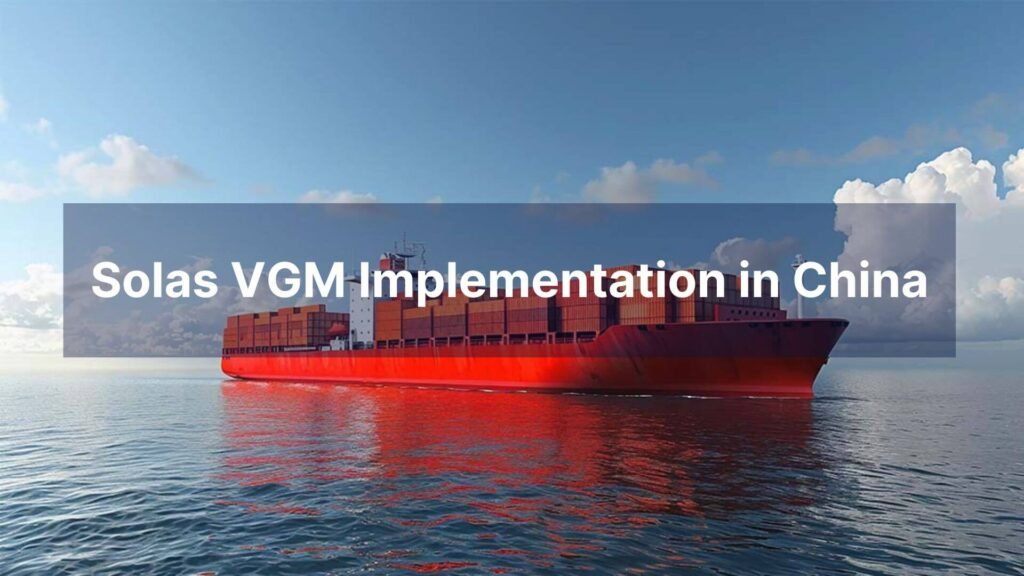
The SOLAS VGM implementation1 is a critical topic for U.S. importers. With regulations tightening, understanding its implications is vital for smooth shipping operations from China.
The SOLAS (Safety of Life at Sea) Verified Gross Mass (VGM) rule requires U.S. importers to ensure that containers' weight is verified before shipment. In China, this rule impacts the entire supply chain, as shippers must provide accurate VGM information2 to avoid delays and fines. Understanding this rule helps U.S. importers ensure smooth shipping and compliance with global regulations.
The SOLAS VGM rules are not just bureaucratic red tape; they are crucial for safety in maritime shipping. As U.S. importers like myself navigate the waters of international logistics, knowing how to comply with these regulations can save time and money.
What the SOLAS VGM Rule Means for U.S. Importers Shipping Containers from China?
The SOLAS VGM rule is essential for U.S. importers. It ensures that containers have verified weight before they are loaded onto ships. This requirement significantly changes how we operate.
The SOLAS VGM rule requires U.S. importers to ensure containers' weight is verified before shipment. In China, this rule impacts the entire supply chain, as shippers must provide accurate VGM information2 to avoid delays and fines. Understanding this rule helps U.S. importers ensure smooth shipping and compliance with global regulations.
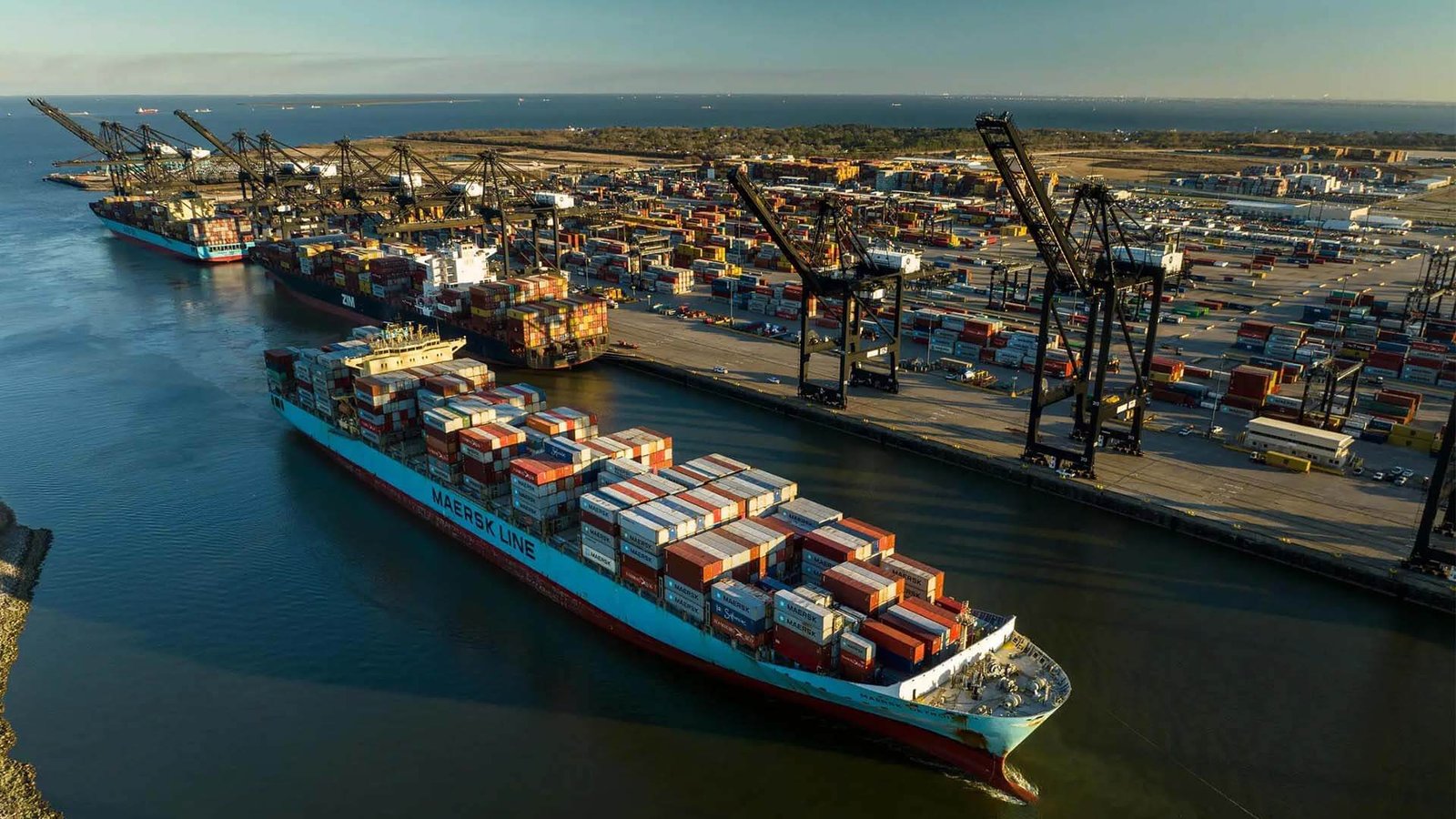
Not adhering to the SOLAS VGM can lead to serious issues. Missing or inaccurate VGM submissions can delay shipments and increase costs. As an importer, I recognize that every detail matters. A missing VGM can mean additional fees or even cargo being left behind. This reality highlights the importance of maintaining accurate weight information throughout the shipping process.
The Importance of Accurate VGM Information
- Compliance with Rules3: Accurate VGM information is not just a suggestion; it's a necessity. Ensuring compliance helps avoid costly penalties.
- Avoiding Delays4: Accurate submissions lead to timely shipments, avoiding potential disruptions in the supply chain.
- Cost Management5: Understanding and managing VGM costs ensures a smoother financial operation.
How SOLAS VGM Regulations Affect Container Weight Verification and Shipping Costs?
Understanding how SOLAS VGM regulations affect shipping costs is crucial. As U.S. importers, we need to be aware of the financial impact of these rules.
SOLAS VGM regulations require accurate container weight declarations, which can impact shipping costs and logistics planning. U.S. importers may incur additional fees for verification services and possible delays if the VGM is not properly submitted. Ensuring compliance helps minimize unexpected costs and ensures timely delivery.
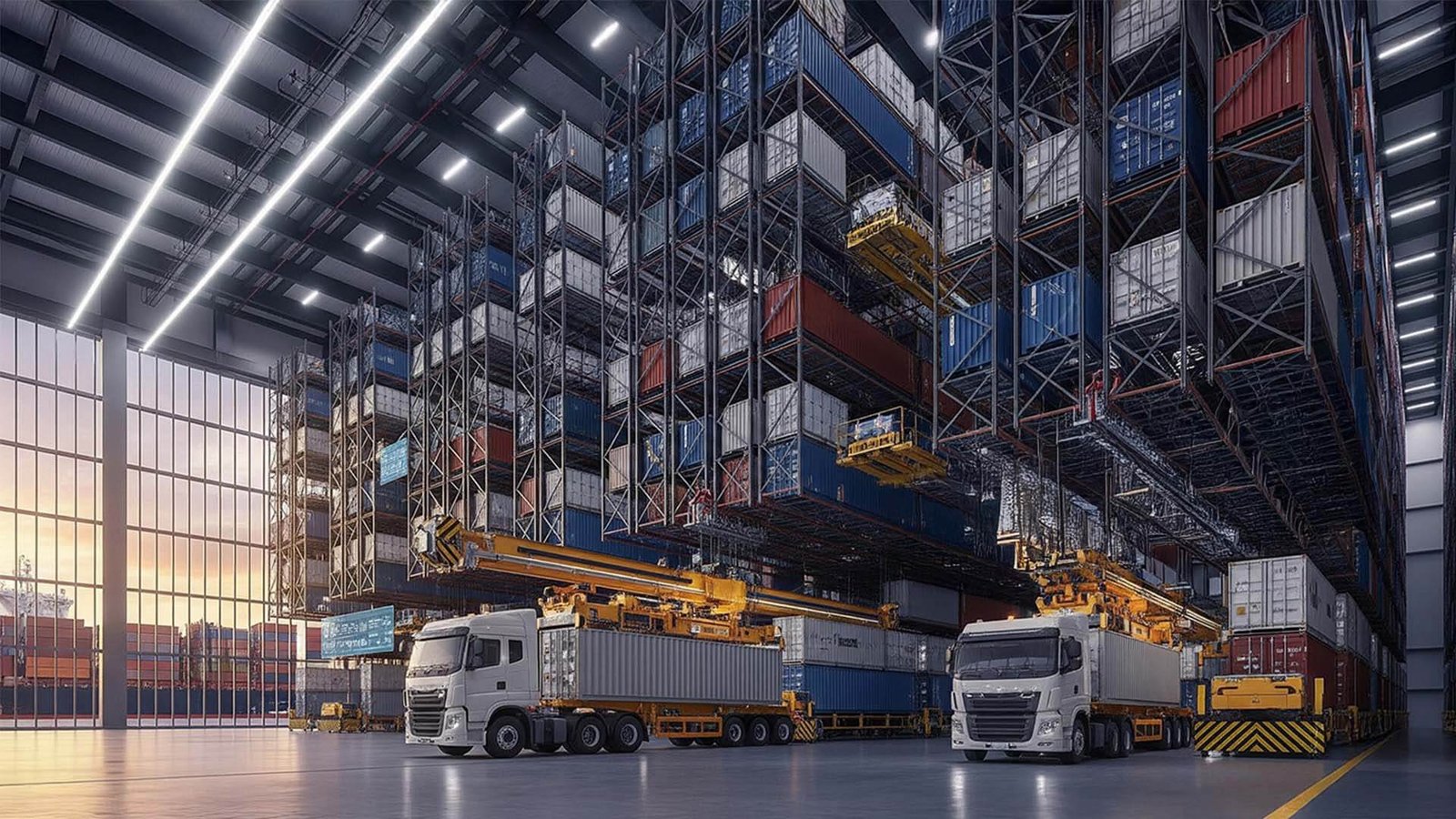
The relationship between container weight verification6 and shipping costs can be complicated. For example, if weight verification is rushed or improperly done, it can lead to unexpected fees. I’ve learned that investing time upfront to ensure accurate weights can save money in the long run. This proactive approach helps to manage logistics more efficiently.
Financial Implications of Accuracy
- Verification Fees7: Improper weight verification often leads to extra costs.
- Logistical Delays8: Delays can incur additional shipping costs, making timely submissions vital.
- Budget Planning9: Understanding potential costs related to VGM helps in better budgeting for shipments.
Understanding the Different Methods for Container Weighing Under SOLAS VGM
It’s essential to know how to weigh containers properly to comply with SOLAS VGM. Understanding the methods can help avoid mistakes.
SOLAS VGM offers two main methods for container weighing: the gross mass method10 and the method based on individual cargo weight. U.S. importers should choose the correct method based on their shipment to comply with regulations. Knowing how to calculate and verify the VGM helps avoid compliance issues and delays.
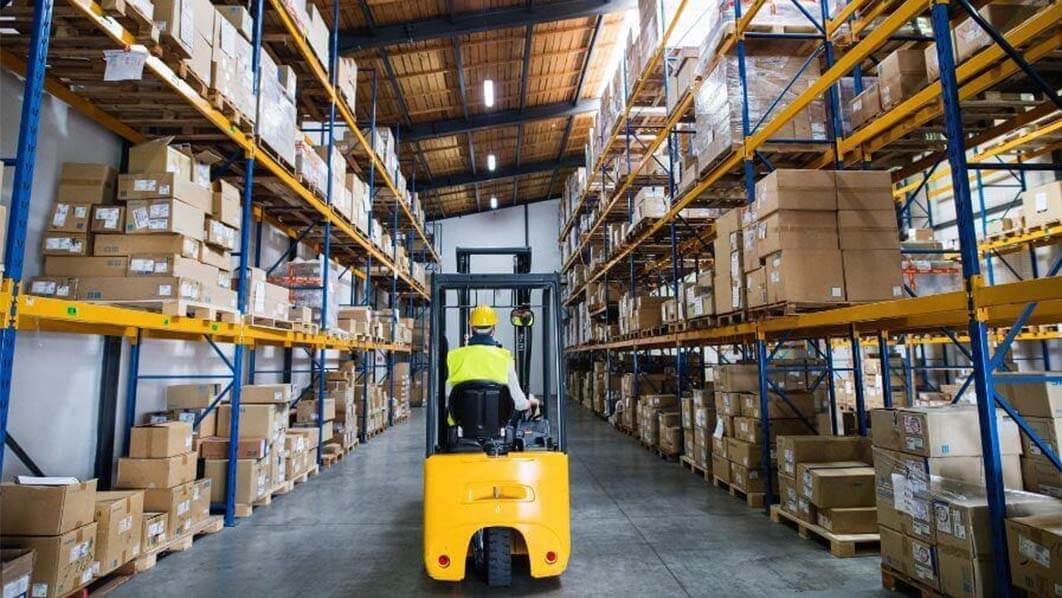
When it comes to VGM compliance, knowing the two methods for container weighing is crucial. The gross mass method10 includes the weight of the container plus its cargo. The alternative method involves weighing each item in the container separately and summing the weight. Choosing the right method impacts compliance and operational efficiency.
Weighing Methods Explained
| Method | Description | Pros | Cons |
|---|---|---|---|
| Gross Mass Method | Weight of container plus contents | Simplicity | Can lead to inaccuracies |
| Individual Cargo Method11 | Total weight of each item summed | More accurate | Requires more detailed documentation |
Who Is Responsible for SOLAS VGM Submissions and How to Ensure Compliance?
Knowing who is responsible for VGM submissions can clarify the compliance process. For U.S. importers, this responsibility is shared.
The shipper is responsible for submitting the VGM to the carrier under SOLAS regulations. U.S. importers should work closely with their suppliers and freight forwarders to ensure the VGM is accurate and submitted on time. Collaboration with customs brokers ensures full compliance, preventing costly penalties.
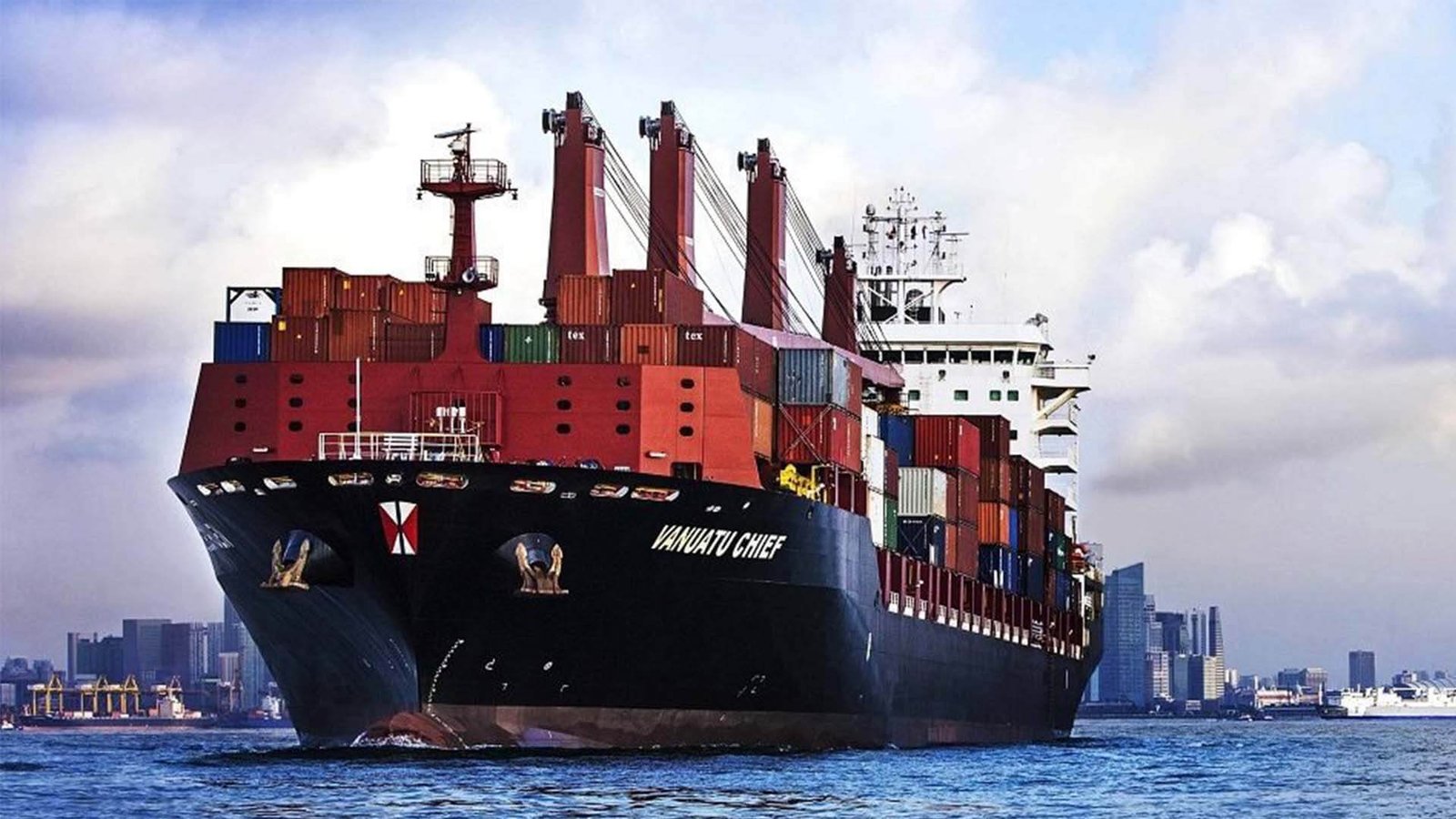
As an importer, I collaborate with various partners to ensure compliance with the VGM requirements. It’s vital to have clear communication with suppliers and freight forwarders. Often, I find that coordinating with customs brokers can streamline this process. They help ensure that every detail of the VGM submission is accurate and timely.
Building a Compliance Network
- Partnerships12: Develop strong relationships with suppliers and freight forwarders.
- Communication: Clear communication ensures that everyone understands their roles.
- Regular Checks: Frequent updates and checks can help maintain accurate submissions.
The Impact of SOLAS VGM on Shipping Schedules and Delays for U.S. Importers
Understanding the impact of VGM on shipping schedules13 can significantly help U.S. importers. Delays can be costly.
SOLAS VGM compliance can delay shipments if VGM information is missing, inaccurate, or submitted late. For U.S. importers, this can result in missed deadlines, higher costs, and disruptions in supply chains. Timely VGM submission and accurate weight verification help minimize delays and maintain efficient shipping schedules13.
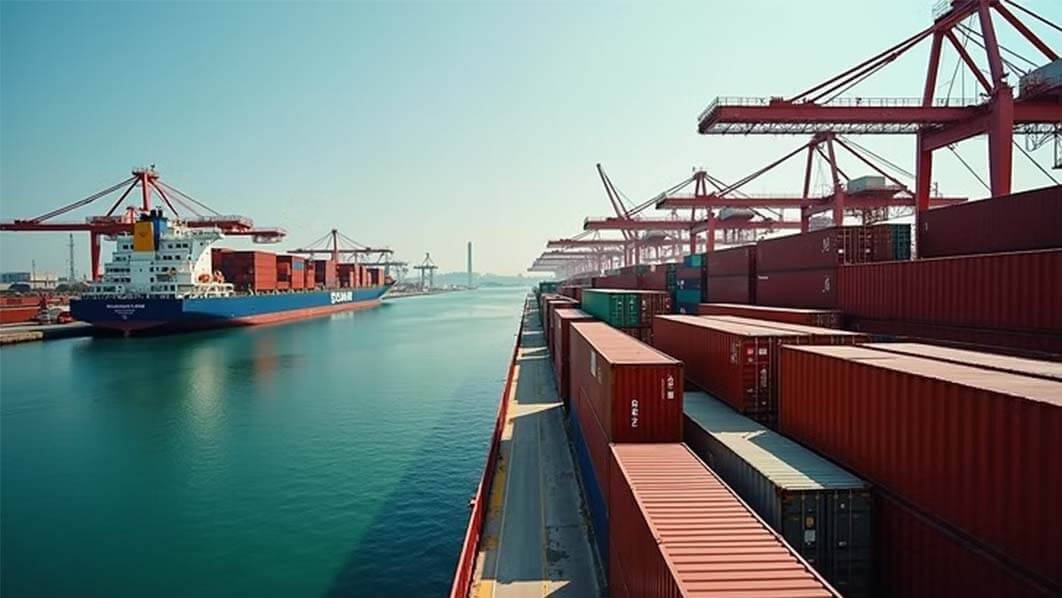
I have seen firsthand how missed deadlines due to VGM issues can affect my business. Timing is crucial in logistics. When VGM information is not submitted correctly or on time, it can lead to significant delays. Such delays can disrupt my supply chain and lead to increased costs. Therefore, staying ahead of the compliance curve is imperative.
Mitigating Schedule Disruptions
- Timely Submissions: Always aim to submit VGM information well in advance.
- Monitor Compliance: Keep a close eye on compliance to avoid last-minute issues.
- Backup Plans: Develop contingency plans for potential delays.
How to Avoid Common Errors in SOLAS VGM Submissions and Minimize Penalties?
Avoiding common errors in VGM submissions can prevent hefty penalties. Understanding what to look out for is essential for U.S. importers.
Common errors in SOLAS VGM submissions include incorrect weight reporting, incomplete documentation, or missed deadlines. U.S. importers can avoid these by working with experienced freight forwarders and customs brokers, ensuring all data is accurately recorded and submitted on time. Proper preparation helps avoid penalties and shipping delays.
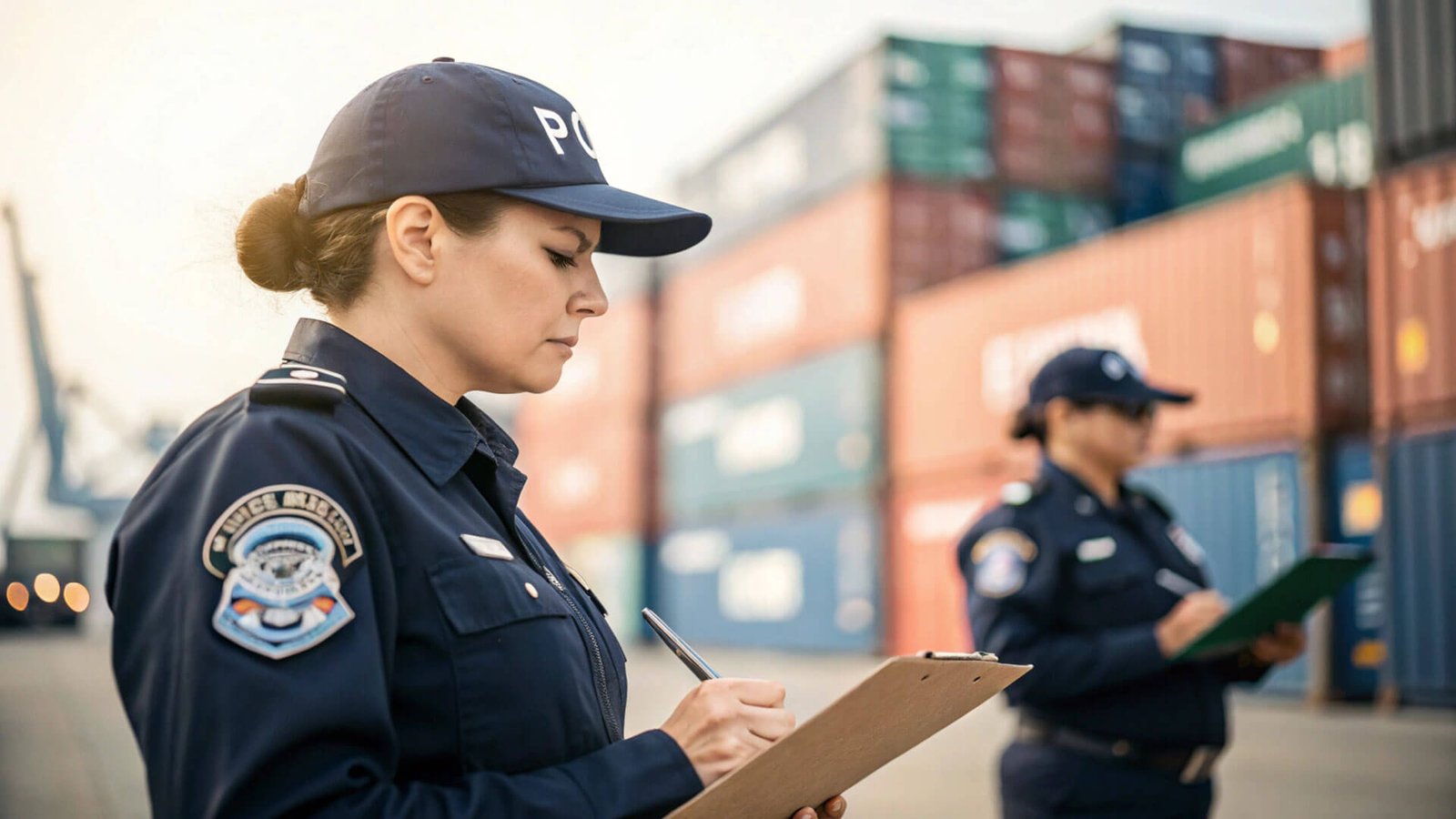
Throughout my experience, I have learned that awareness of common pitfalls can help mitigate issues. Inaccurate weight reporting or failure to meet documentation standards can lead to penalties. Therefore, collaborating with knowledgeable freight forwarders and customs brokers can help ensure that the VGM submission process is smooth and efficient.
Preventative Measures14
- Education: Stay informed about VGM regulations and changes.
- Professional Help: Seek assistance from experienced logistics partners.
- Double-Check: Regularly review documents before submission.
Conclusion
In summary, understanding SOLAS VGM implementation1 in China is crucial for U.S. importers to ensure compliance and avoid costly mistakes.
Understanding SOLAS VGM implementation is crucial for U.S. importers to ensure compliance and avoid costly mistakes in shipping operations. ↩
Accurate VGM information ensures compliance with regulations, avoiding costly penalties and ensuring smooth shipping operations. ↩
Compliance with SOLAS VGM rules is necessary to avoid costly penalties and ensure timely shipments in international logistics. ↩
Accurate VGM submissions lead to timely shipments, preventing potential disruptions in the supply chain. ↩
Understanding VGM costs helps U.S. importers manage their financial operations more smoothly, avoiding unexpected expenses. ↩
SOLAS VGM regulations require accurate container weight declarations, impacting shipping costs and logistics planning. ↩
Improper weight verification often leads to extra costs, making it crucial to understand verification fees under SOLAS VGM. ↩
Logistical delays can incur additional shipping costs, emphasizing the importance of timely VGM submissions. ↩
Understanding potential costs related to VGM helps U.S. importers in better budgeting for shipments, avoiding financial surprises. ↩
The gross mass method simplifies container weighing but can lead to inaccuracies, impacting compliance and efficiency. ↩
The individual cargo method offers more accuracy in container weighing, requiring detailed documentation for compliance. ↩
Developing strong relationships with suppliers and freight forwarders ensures accurate and timely VGM submissions. ↩
SOLAS VGM compliance can delay shipments if VGM information is missing or inaccurate, affecting shipping schedules. ↩
Taking preventative measures like education and professional help ensures accurate VGM submissions, avoiding costly penalties. ↩