The first step in ensuring a smooth shipping process is understanding the Shipper’s Letter of Instruction (SLI)1. This document is vital for both exporters and importers, as it directly affects the shipment's compliance and efficiency.
A Shipper’s Letter of Instruction (SLI)1 is a formal document used by U.S. exporters and importers to instruct freight forwarders2 on how to handle a shipment. It provides the data needed for booking, export filing3, and documentation, making it critical for compliance, accuracy, and proper execution across the shipping process.

To avoid potential confusion, let’s delve deeper into the importance of an SLI and how it facilitates the shipping journey.
What Is a Shipper’s Letter of Instruction (SLI)1 and Why Is It Critical in U.S. Export and Import Operations?
When I first started in the logistics field, I quickly learned that the SLI is not just a piece of paper; it's a comprehensive guide for freight forwarders2. This document clarifies the specifics of each shipment and ensures that every party involved knows their responsibilities. Without it, the risk of errors increases dramatically.
The SLI is essential for providing clarity on how shipments should be handled, including the necessary data for customs and AES filing4. This helps avoid costly mistakes and ensures compliance with U.S. regulations.
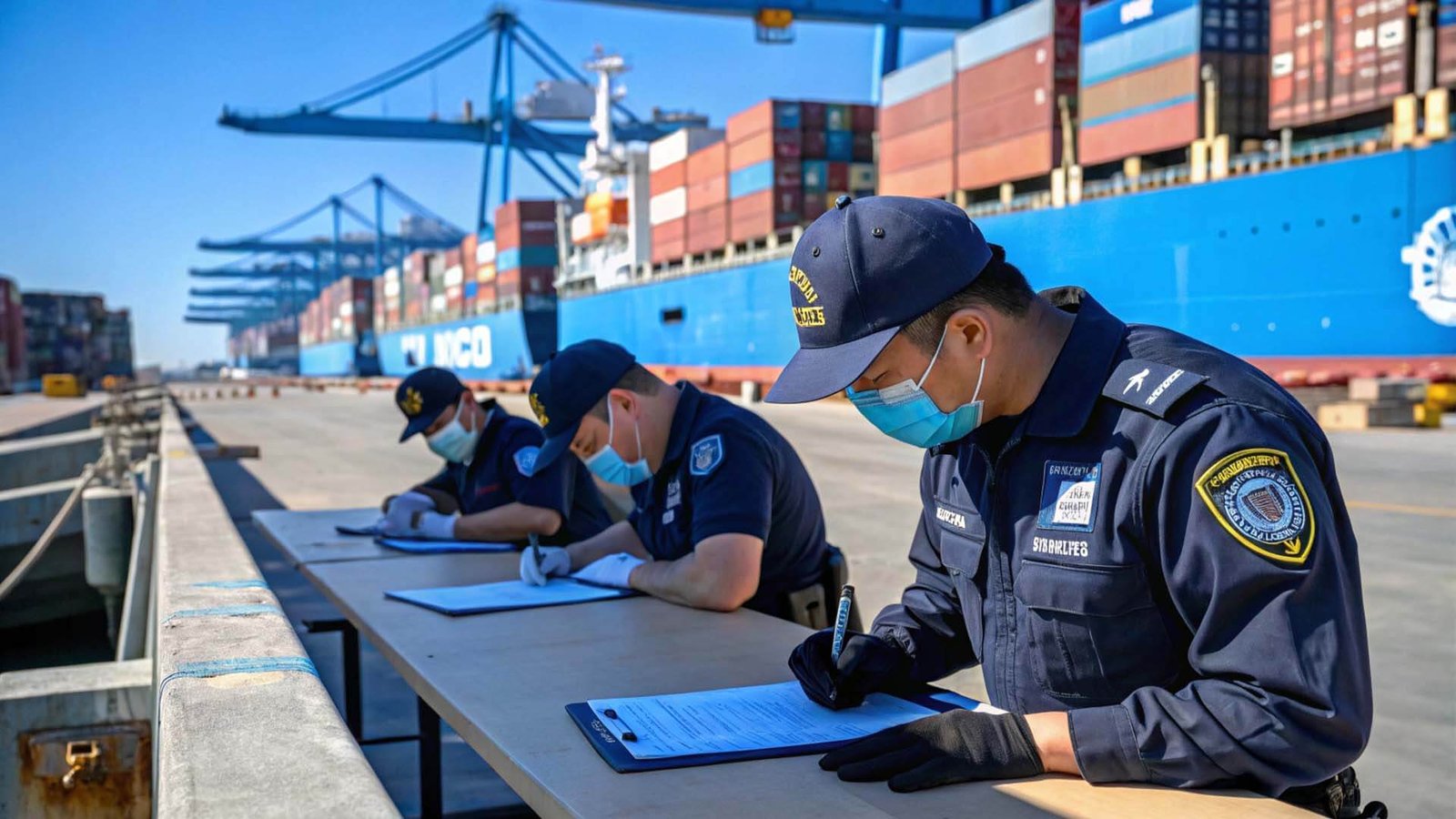
An SLI includes details such as the shipper's and consignee's information, descriptions of the goods being shipped, and any specific instructions for handling the shipment. Having this document filled out accurately can save time and money while reducing stress.
Who Is Responsible for Completing the SLI and How It Differs From the Bill of Lading (BOL)5?
Determining who is responsible for completing the SLI can be a source of confusion. In my experience, it is crucial to understand that the shipper holds the responsibility for accuracy on the SLI, even if they delegate the task to a freight forwarder.
The shipper is legally responsible for completing the SLI, even if a freight forwarder prepares it on their behalf. Unlike the Bill of Lading, which is a transport contract issued by the carrier, the SLI is an instruction document that drives how filings, bookings, and documents are created.

This distinction is key. The Bill of Lading serves as a receipt and contract for carriage, while the SLI is focused on providing instructions. Knowing the difference can help shippers communicate effectively with their forwarders and avoid any misunderstandings during shipping.
What Key Information Must Be Included on an SLI to Avoid AES, Customs, and Carrier Errors?
Filling out the SLI properly is critical. I have seen firsthand how missing information can lead to significant issues with customs and delays in shipping.
An SLI must include accurate shipper and consignee details, commodity descriptions6, export values7, Incoterms8, routing instructions9, and licensing information10. Missing or incorrect data can cause AES filing errors, customs delays, and carrier rework, exposing the shipper to fines and shipment disruptions.

Let’s break this down further. The SLI needs to include:
- Accurate Shipper and Consignee Details: Address and contact information for both parties.
- Commodity Descriptions: Clear descriptions of the goods, including quantity and unit of measure.
- Export Values: The correct monetary value of the shipment.
- Incoterms8: Specify the terms of delivery and responsibility.
- Routing Instructions: Details on how and where the goods should be shipped.
- Licensing Information: Any necessary export licenses for the goods.
Each piece of information is crucial in ensuring that the shipment moves smoothly through customs and reaches its destination on time.
How to Complete an SLI Correctly for Commercial Value, Freight Terms, and Export Compliance?
Completing an SLI isn't just about filling in blanks; it requires a careful approach. When I assist clients in this process, I emphasize the need for accuracy and consistency.
Completing an SLI correctly requires aligning commercial invoice values11, Incoterms8, and export classifications. Declared values must reflect the true transaction price, while freight terms must match contracts. Consistency across documents is essential to avoid compliance violations, rejected filings, and downstream billing disputes.

Here’s how to ensure you get it right:
- Align Values with Commercial Invoices: Ensure that the values declared match what is on the invoice.
- Specify Incoterms8 Carefully: Choose the right terms that reflect the agreement between the buyer and seller.
- Use Correct Export Classifications: Make sure the classification aligns with the goods being exported.
This attention to detail can prevent unwanted complications later in the shipment process.
What Are the Most Common SLI Mistakes That Cause Shipment Delays, Fines, or Rework?
In my years of experience, I have observed many avoidable mistakes that can lead to significant issues.
Common SLI mistakes include incorrect values, mismatched Incoterms8, incomplete commodity descriptions6, and inconsistent party information. These errors can lead to AES rejections12, customs holds, carrier delays, and financial penalties, turning a simple export shipment into a costly compliance issue.

To illustrate, here's a brief overview of some common errors and their implications:
| Mistake | Implication |
|---|---|
| Incorrect Values | Results in fines and shipment holds. |
| Mismatched Incoterms8 | Confusion over responsibilities leads to disputes. |
| Incomplete Descriptions | Customs may delay clearance due to lack of clarity. |
| Inconsistent Party Information | Can cause issues in communication and documentation. |
Avoiding these mistakes is essential to maintain the flow of goods and to stay compliant with regulations.
How Freight Forwarders Use the SLI to Execute Shipping, Customs Filing, and Documentation Accurately?
Working closely with freight forwarders2 has shown me how invaluable the SLI is. They use this document to ensure that every shipment adheres to regulations and is executed flawlessly.
Freight forwarders rely on the SLI as the authoritative instruction set for booking freight, filing AES/EEI, issuing Bills of Lading, and coordinating customs documentation. A complete and accurate SLI allows forwarders to execute shipments correctly while protecting shippers from compliance errors and operational delays.

By relying on the SLI, forwarders can:
- Book Freight Accurately: Clear instructions enable the right arrangements for shipping.
- File AES Efficiently: Accurate data minimizes the risk of errors in filing.
- Issue Bills of Lading Correctly: Ensures the transport contract aligns with shipment details.
This coordination is crucial for a seamless shipping process and helps maintain compliance with all necessary regulations.
Conclusion
In summary, understanding and completing the Shipper’s Letter of Instruction is crucial for smooth shipping operations, compliance, and avoiding costly mistakes.
Understanding the SLI is crucial for ensuring compliance and efficiency in shipping operations, making it a vital document for exporters and importers. ↩
Freight forwarders rely on the SLI to execute shipments accurately, ensuring compliance and avoiding operational delays. ↩
Export filing is a critical part of the shipping process, and the SLI provides the necessary data to ensure it is done correctly. ↩
Proper customs and AES filing ensures compliance with regulations, preventing costly mistakes and shipment delays. ↩
Knowing the difference between a BOL and an SLI helps in understanding their distinct roles in the shipping process. ↩
Accurate commodity descriptions prevent customs delays and ensure smooth shipment processing. ↩
Correctly declaring export values in an SLI is essential to avoid fines and ensure compliance with shipping regulations. ↩
Incoterms define the responsibilities of buyers and sellers, impacting shipping terms and compliance. ↩
Routing instructions guide the shipment's path, ensuring it reaches its destination efficiently and on time. ↩
Including licensing information in an SLI ensures compliance with export regulations and prevents shipment disruptions. ↩
Aligning commercial invoice values with the SLI prevents compliance violations and billing disputes. ↩
Understanding the causes of AES rejections helps in preventing shipment delays and ensuring compliance. ↩