The logistics landscape is complex. Understanding shipping routes1 can make or break your import strategy. Here’s how global shipping routes1 impact transit time2 and reliability.
Global shipping routes1 are established trade lanes that connect origin regions to destination markets through specific oceans, canals, and hubs. For importers, route choice determines not only nominal transit time2 but also schedule reliability3, exposure to congestion, and the likelihood of delays that disrupt inventory planning4.
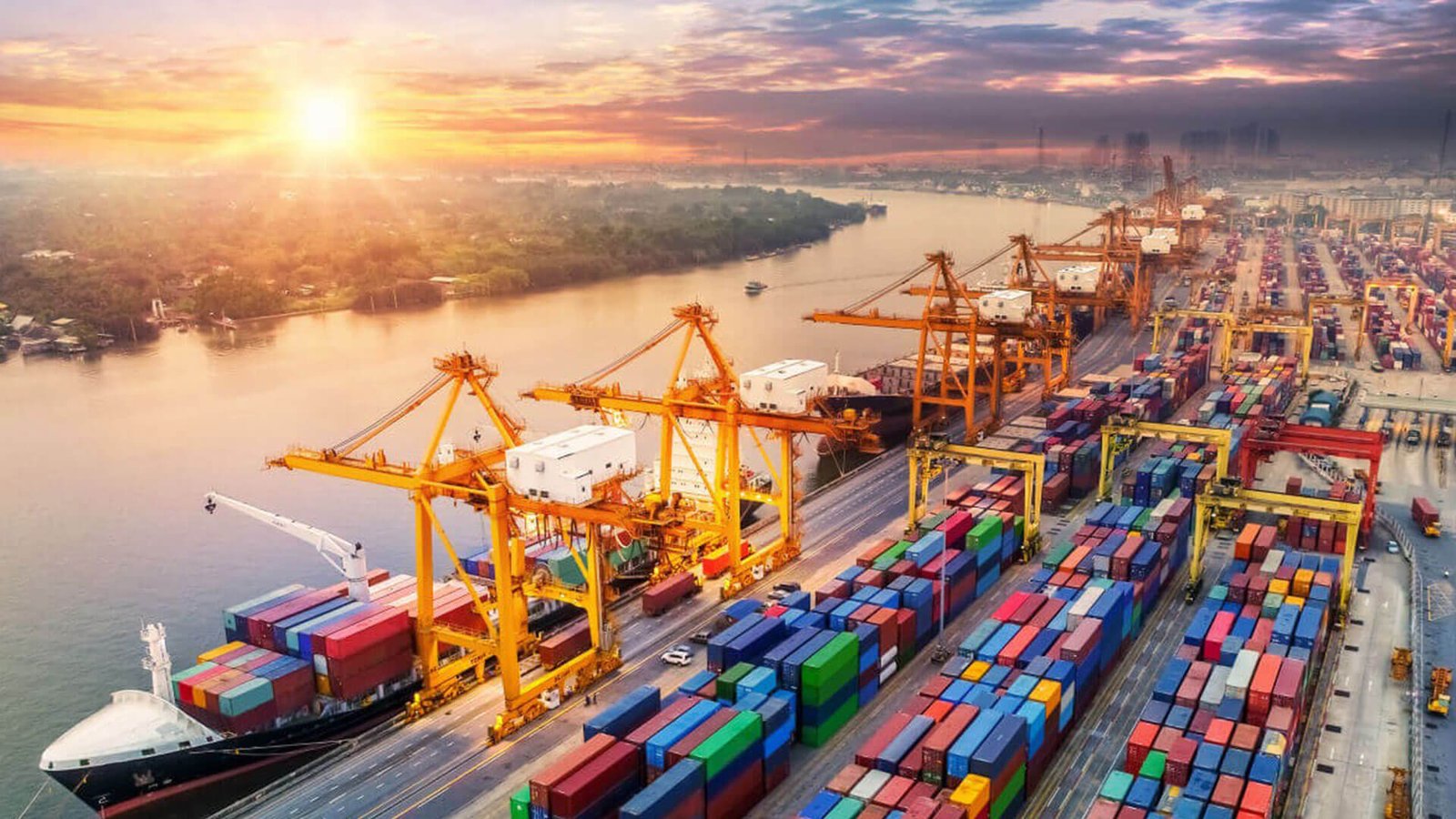
Transit times are crucial for any importer. They can influence everything from cash flow to inventory management. When you understand global shipping routes1, you can make better decisions that align with your business goals.
What Global Shipping Routes Are and Why They Directly Impact Import Transit Time and Reliability?
Global shipping routes1 are the paths that ships take from one location to another. These routes connect various ports and are influenced by trade agreements, geopolitical factors, and natural geographic features. Knowing how they work can save you time and money.
The choice of shipping route has direct implications for transit time2 and reliability. Different routes can expose shipments to varying levels of risk, congestion, and other delays.
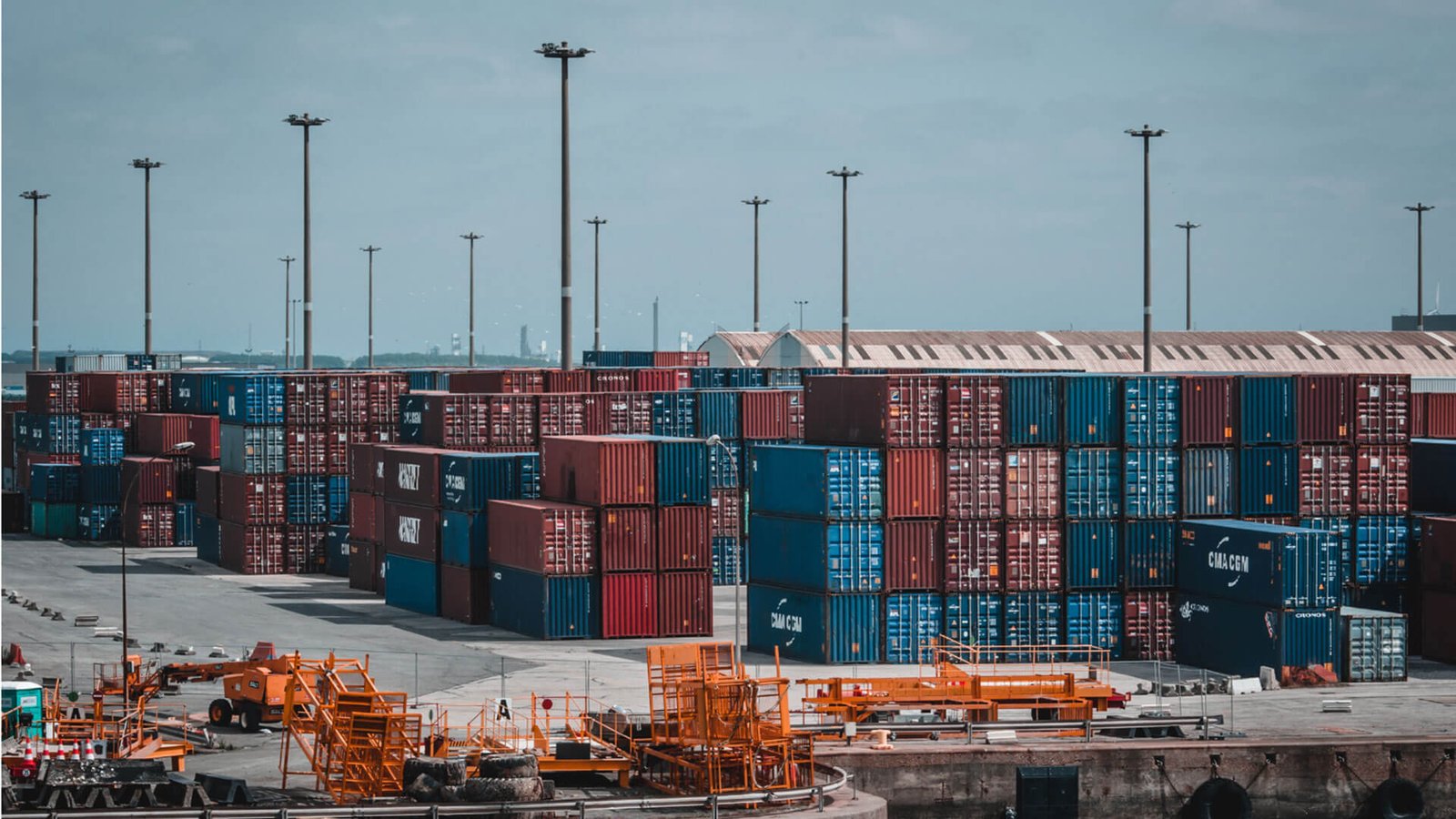
Understanding global shipping routes1 can be a game changer for importers. For instance, routes that pass through the Suez Canal may experience delays due to weather or port congestion5. On the other hand, direct routes might be faster but can also face unexpected holdups.
To effectively navigate these complexities, importers must stay informed about the nuances of different shipping lanes and their associated risks.
How Major Trade Lanes and Canal Routes Shape Typical Transit Times to the U.S.?
Major trade lanes, such as those between Asia and the U.S., influence the transit time2 significantly. These routes are designed based on the volume of goods exchanged between regions, and their efficiency dictates how quickly goods can reach your warehouse.
Major routes like Asia–U.S. West Coast and Asia–U.S. East Coast via canals set baseline transit time2s. Canal usage shortens distance but introduces choke-point risk6, while direct transpacific routes are faster but often face port congestion5 during peak seasons.
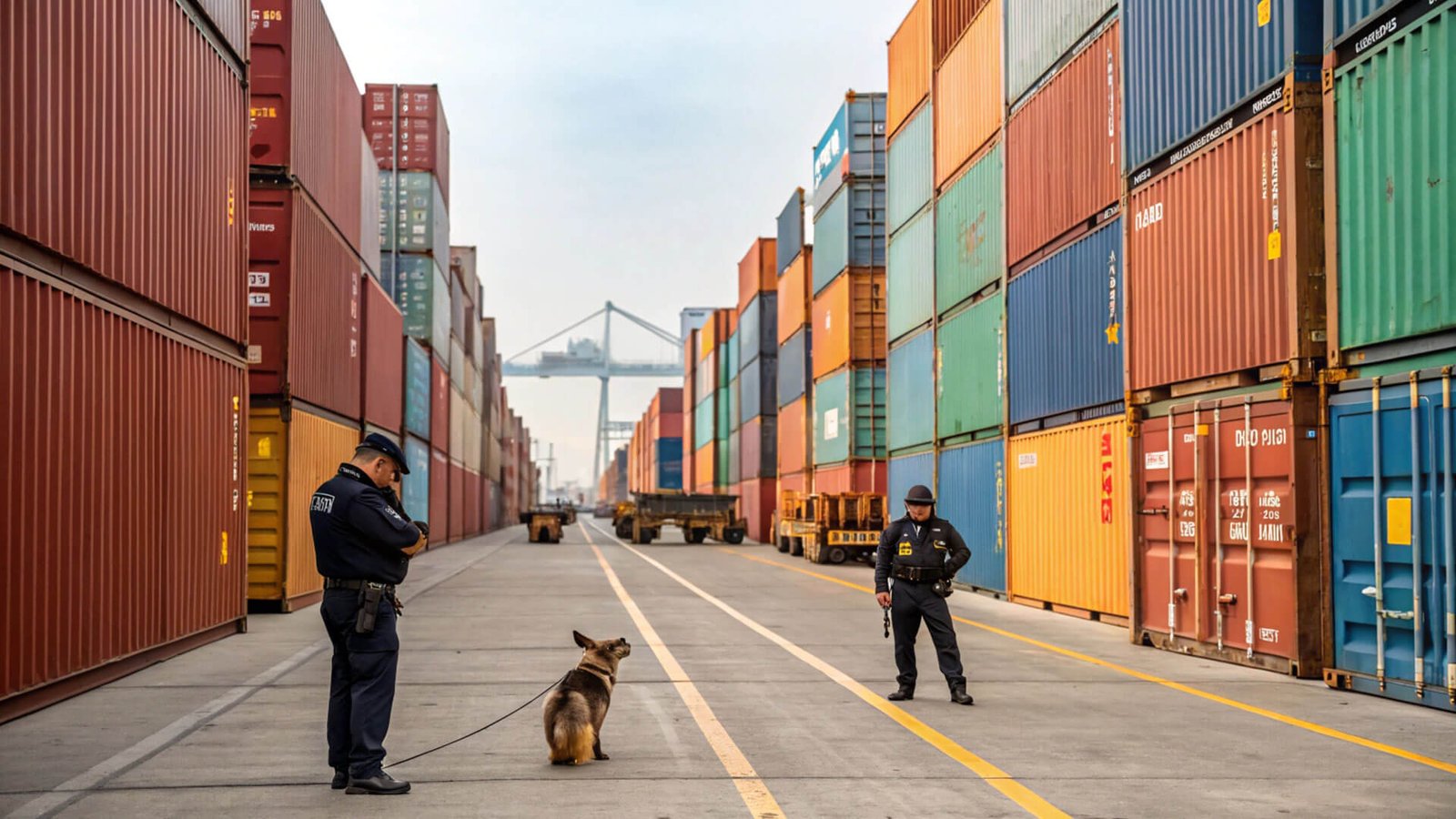
The Asia–U.S. West Coast route7 is often the fastest. It typically has a shorter transit time2 due to fewer port calls. However, this route can become congested, especially during peak shipping seasons.
The Asia–U.S. East Coast route8, while longer, utilizes canals like the Suez to cut travel distance. Yet, this route brings higher costs and risks associated with canal traffic and weather disruptions.
To make informed decisions, importers should assess the strengths and weaknesses of each route in the context of their specific needs.
Why Route Congestion, Port Calls, and Transshipment Increase Transit Time Variability?
Transit time variability is a critical concern for importers. Each additional port call or transshipment9 can introduce unexpected delays. Factors such as port congestion5, missed connections, and vessel bunching10 can dramatically affect your shipping schedule.
Congested hubs, missed connections, and vessel bunching10 can extend transit well beyond planned schedules. For importers, variability matters more than averages because it directly affects inventory buffers and service commitments.
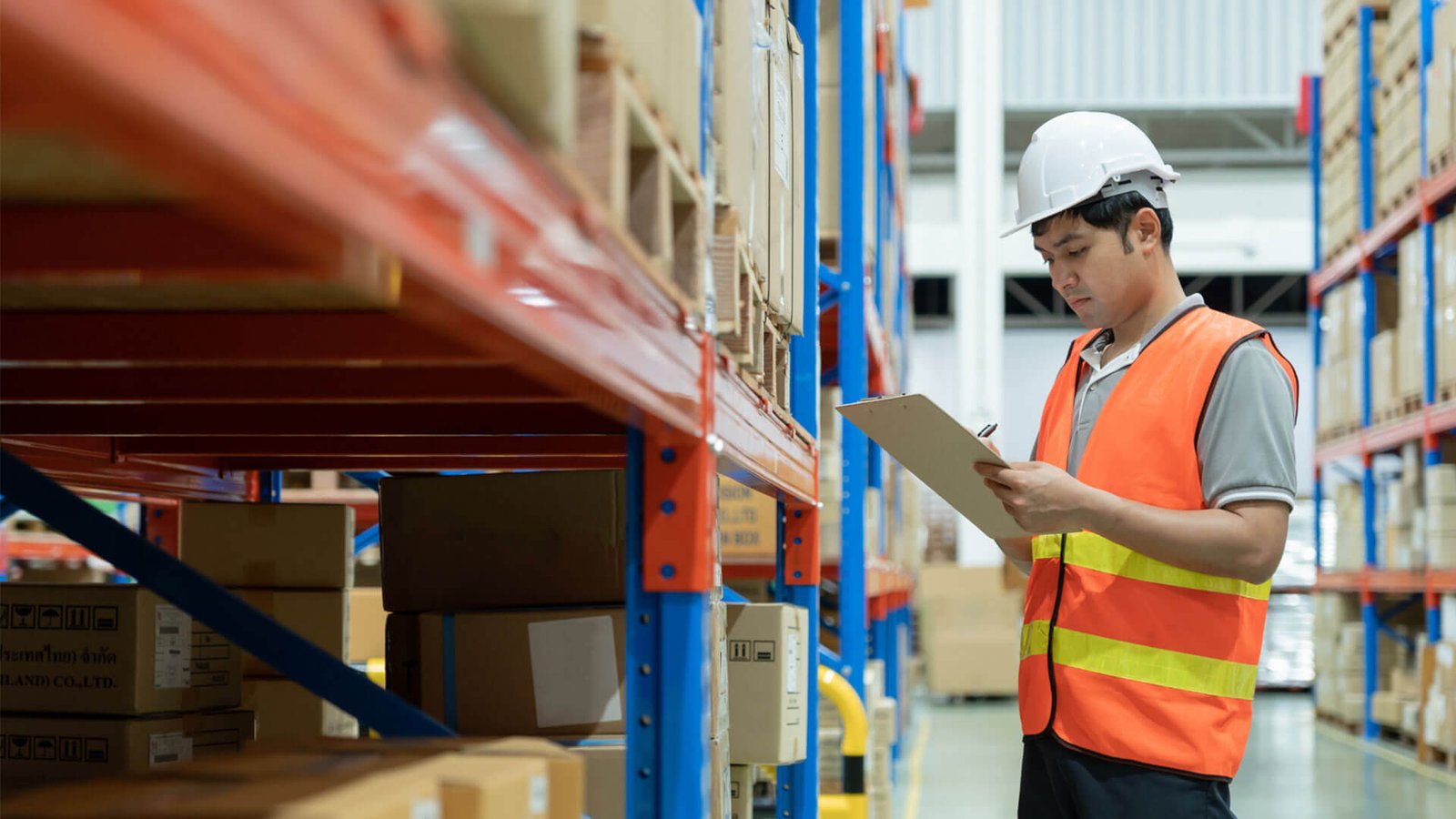
Understanding these factors is essential for effective inventory management. If your shipments are delayed due to port congestion5 or transshipment9s, it can throw off your entire supply chain. You must account for these variables in your logistics planning.
One way to mitigate this risk is by choosing routes that minimize the number of port calls. This strategy helps reduce potential delays, ensuring that goods arrive on time.
How Geopolitical Disruptions and Route Diversions Change Shipping Schedules Overnight?
Geopolitical events can have a swift and significant impact on shipping routes1. Labor actions, trade embargoes, or security risks may force carriers to reroute vessels, often with little notice.
Geopolitical events, labor actions, or security risks can force carriers to reroute vessels with little notice. Diversions add days or weeks to transit and increase fuel and handling costs. Importers relying on single routes face higher exposure when disruptions occur unexpectedly.
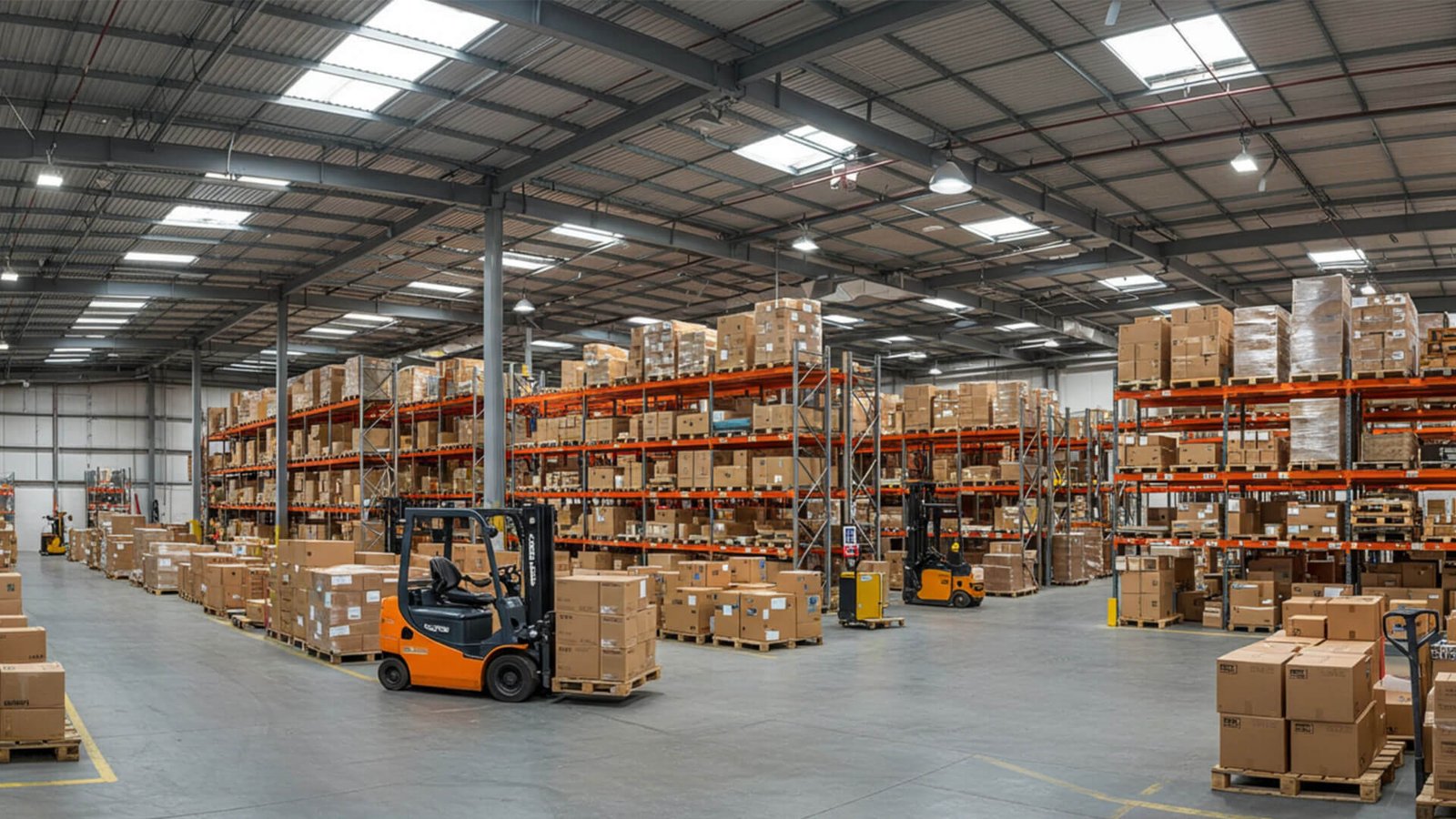
For importers, the unpredictability of geopolitical disruptions11 can be alarming. If you rely on a specific route, any sudden changes can leave you scrambling.
To counteract this risk, consider diversifying your shipping routes1. By having alternate paths mapped out, you can maintain delivery schedules even when disruptions occur.
What Importers Can Control in Route Selection to Balance Speed, Cost, and Risk?
While carriers primarily operate the vessels, importers can still exert influence over route selection12. You can choose ports, select service types, and set transit time2 requirements tailored to your needs.
Importers influence routes through port selection, service choice, transit time2 requirements, and tolerance for transshipment9. Aligning route strategy with inventory needs allows importers to trade marginal cost increases for greater schedule predictability and reduced disruption risk.
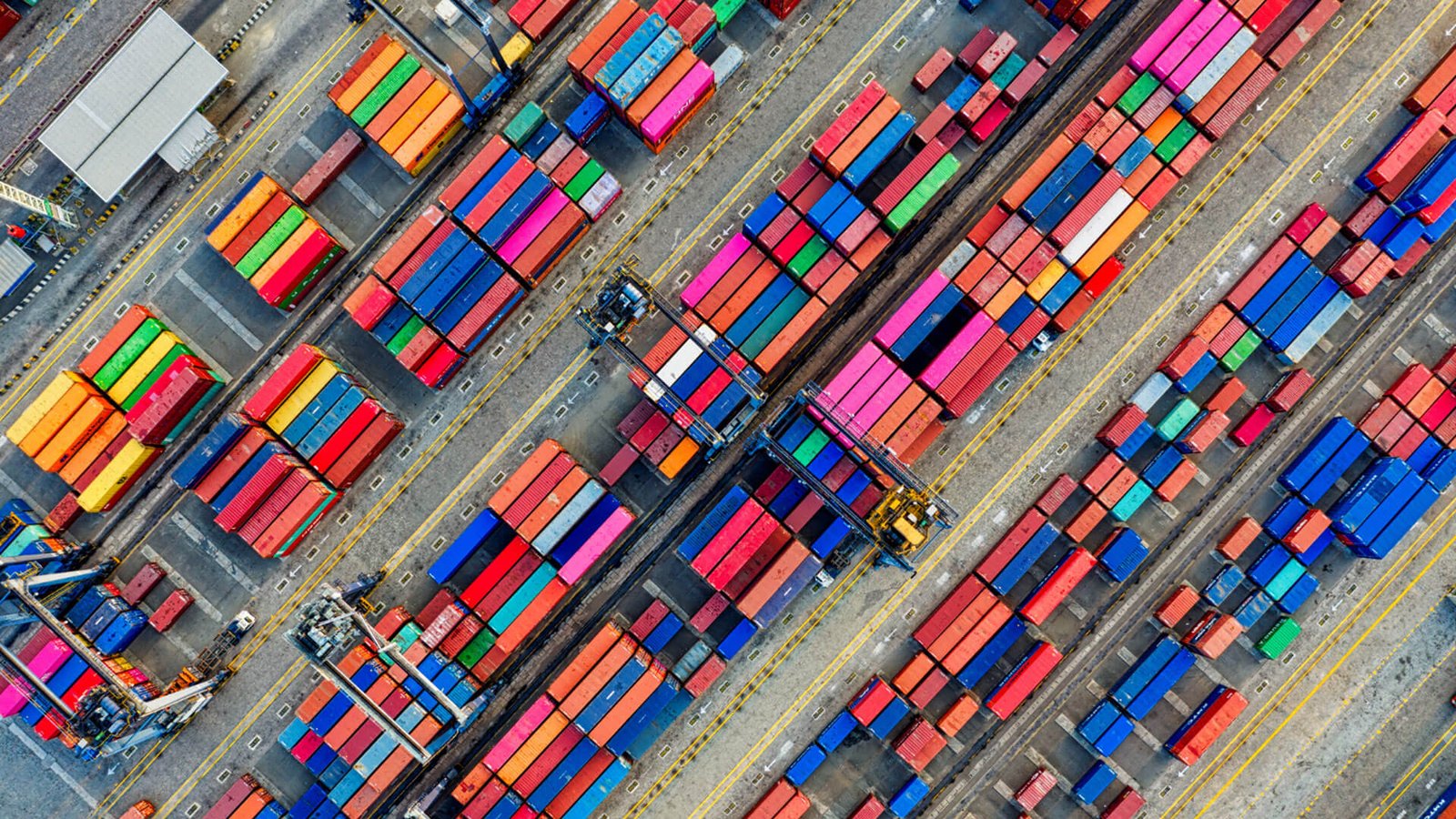
By strategically selecting your shipping routes1, you can balance speed, cost, and risk. For example, if you are willing to pay a little more for a faster route, you may avoid the complications associated with delays.
Effective route selection12 becomes a competitive advantage when it aligns with your overall logistics and inventory strategies.
How Strategic Route Planning Improves End-to-End Import Predictability and Inventory Planning?
Strategic route planning has far-reaching implications for your supply chain. It connects ocean transit with inland transport and warehouse timing, which ultimately stabilizes lead times.
Strategic route planning connects ocean transit with inland transport and warehouse timing. By choosing routes with consistent performance—not just shortest distance—importers can stabilize lead times, reduce safety stock, and improve cash-flow forecasting across the supply chain.
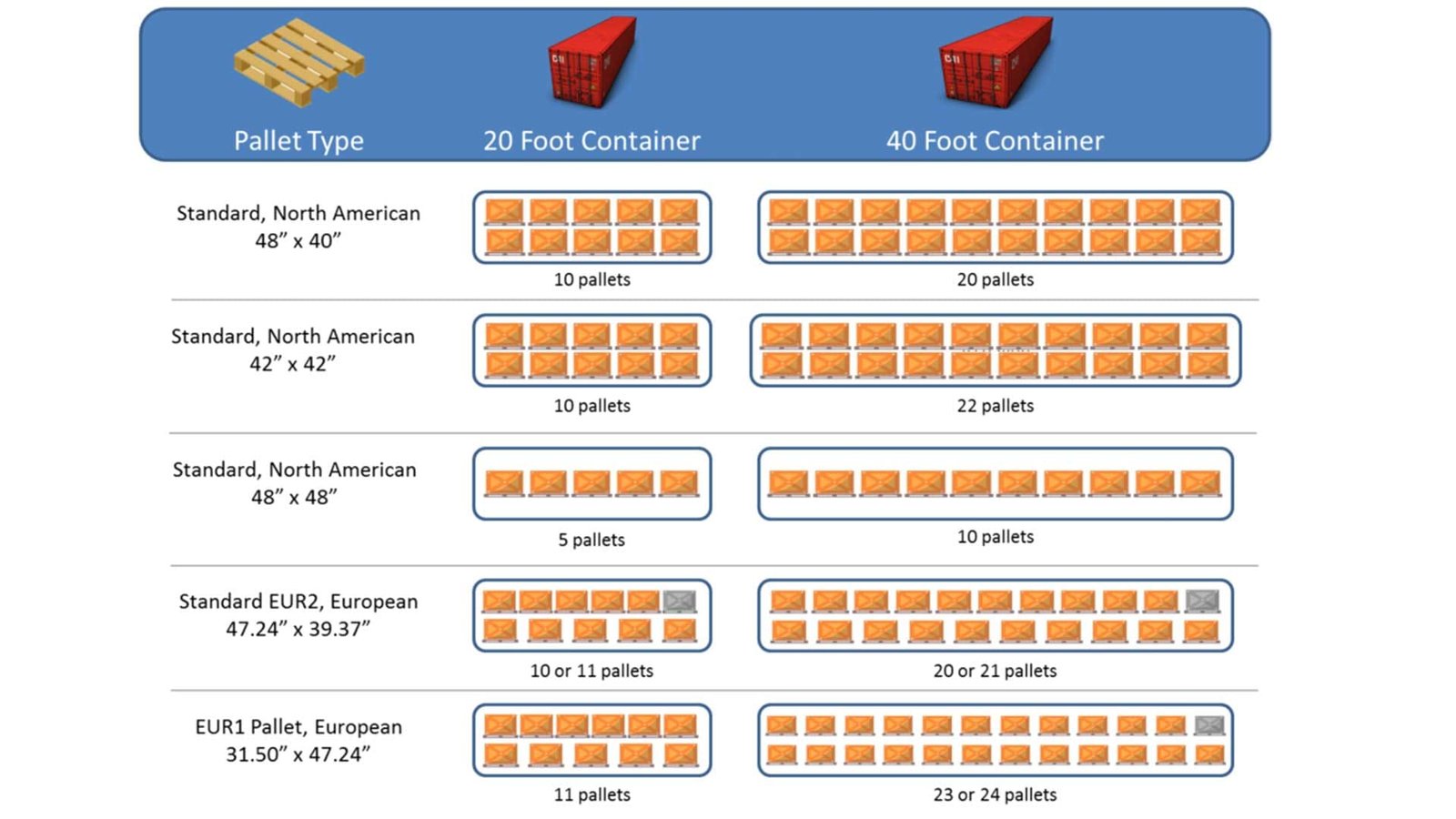
When planning your routes, prioritize those that offer reliability over mere distance. Consistent performance can minimize the need for safety stock and improve cash flow, allowing you to operate more efficiently.
In summary, strategic route planning13 is not just about getting goods from point A to point B. It's about ensuring your entire supply chain runs smoothly.
Conclusion
Global shipping routes1 play a critical role in shaping transit time2s and reliability for importers. By understanding these complexities, you can make informed decisions that enhance your logistics strategy.
Understanding shipping routes is crucial for optimizing transit time and reliability in your import strategy. ↩
Transit time influences cash flow and inventory management, making it vital to understand for better business decisions. ↩
Schedule reliability affects inventory planning and can prevent costly delays in your supply chain. ↩
Effective inventory planning can mitigate risks associated with transit time variability. ↩
Port congestion can lead to unexpected delays, affecting your entire supply chain and delivery schedules. ↩
Understanding choke-point risks helps in planning routes that minimize potential delays. ↩
This route is often the fastest but can become congested, impacting your shipping efficiency. ↩
Understanding this route's use of canals and associated risks can help in making informed shipping decisions. ↩
Transshipment can introduce delays, making it important to consider in logistics planning. ↩
Vessel bunching can extend transit times, affecting your logistics and delivery commitments. ↩
Geopolitical events can cause route diversions, impacting transit times and costs. ↩
Importers can balance speed, cost, and risk by strategically selecting shipping routes. ↩
Strategic route planning improves supply chain predictability and inventory management. ↩