Shipping plays a vital role in global trade. It’s essential to understand how global shipping lanes1 operate and their impact on your logistics.
Global shipping lanes are established ocean trade corridors that concentrate vessel traffic between major production and consumption regions. They exist to optimize distance, fuel use, port access, and schedules. For importers, lanes determine how cargo moves globally and set the foundation for transit time2, reliability, and cost.
Navigating shipping lanes can be complex. Still, having a clear understanding helps in making informed decisions that can save both time and money.
What Global Shipping Lanes Are and How They Structure International Trade Flows?
Shipping lanes are the arteries of global trade. Without them, international commerce would grind to a halt. These lanes create pathways that efficiently connect suppliers and customers across oceans.
Shipping lanes define the routes vessels take, connecting countries and facilitating the movement of goods. They exist primarily to balance trade efficiency with the natural limitations of geography. This balance is crucial as it affects how quickly goods can reach their destination, impacting supply chains significantly.
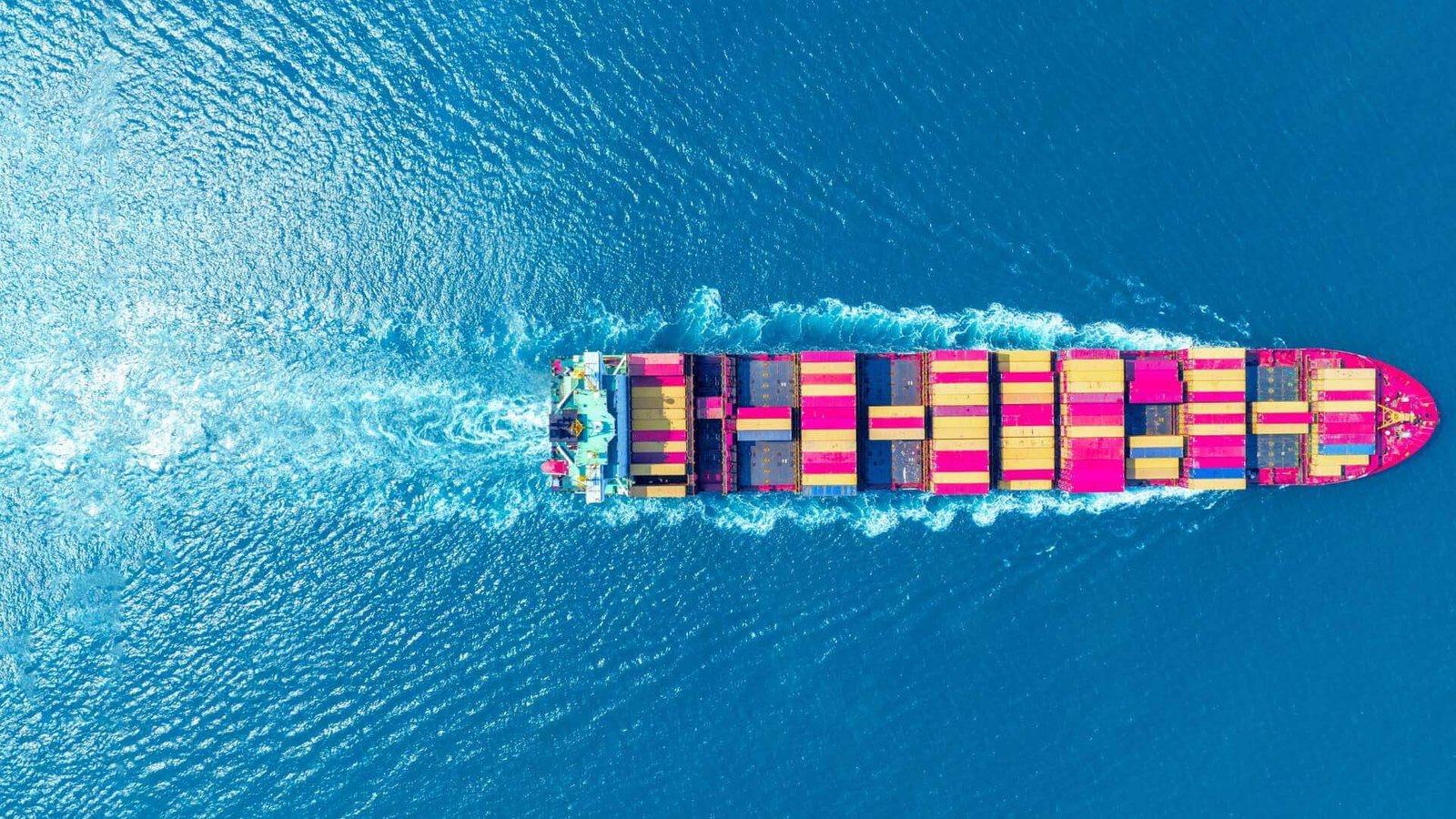
To break this down further, shipping lanes are categorized based on traffic density, which directly affects your operations as an importer. For example, the transpacific route3 from Asia to North America is one of the busiest and is essential for U.S. imports. Other routes, like those connecting Europe to the U.S. East Coast, while important, might not experience the same volume.
| Shipping Lane | Characteristics | Importance for U.S. Imports |
|---|---|---|
| Asia-North America | High volume, key for electronics | Essential for timely shipments |
| Europe-North America | Moderate volume, seasonal fluctuations | Affects luxury goods and perishables |
| Suez Canal Routes4 | Long-distance, subject to chokepoints | Critical for East Coast access |
Understanding these factors can empower importers to make better decisions about their shipping routes.
Which Major Shipping Lanes Matter Most for U.S. Imports and Why?
When planning your imports, it’s vital to know which shipping lanes carry the most weight.
U.S. imports rely heavily on Asia–North America transpacific lanes, Europe–North America Atlantic lanes, and canal-connected routes linking Asia to the East Coast. These lanes handle the highest volumes and directly influence capacity availability, seasonal congestion, and rate volatility for U.S. importers.
For instance, the Asia to U.S. West Coast lane plays a crucial role in the flow of consumer electronics. This lane is highly efficient but can also face congestion during peak seasons, impacting delivery timelines. Additionally, routes via the Suez Canal are essential for connecting Asian goods to the U.S. East Coast, but can be vulnerable to disruptions.
| Major Shipping Lane | Dependency | Risk Factors |
|---|---|---|
| Asia → U.S. West Coast | High | Port congestion, peak-season issues |
| Asia → U.S. East Coast (via canals) | Medium | Canal chokepoints, weather delays |
| Europe → U.S. East Coast | Medium | Labor disputes, seasonal weather challenges |
Knowing these lanes will aid you in deciding which route minimizes both costs and risks.
How Shipping Lanes Influence Transit Time, Reliability, and Freight Rates?
The choice of shipping lane has significant implications for transit time2, reliability, and freight costs.
Each shipping lane has distinct transit profiles based on distance, port density, and vessel frequency. High-volume lanes offer faster service but face congestion during peaks, while secondary lanes may be slower but more stable. Lane selection directly impacts transit reliability and freight-rate behavior.
For example, the transpacific lane is known for its quick transit time2s but can see variable freight rates5 due to demand fluctuations. Conversely, a less traveled lane might offer stability but could lead to longer transit time2s.
| Lane Type | Transit Time | Freight Rates | Reliability |
|---|---|---|---|
| High-volume | Short | Volatile | Moderate |
| Secondary | Longer | Stable | High |
As an importer, balancing these factors is essential in maintaining efficient supply chains.
Why Congestion, Canal Chokepoints, and Lane Imbalances Disrupt Supply Chains?
Supply chains are often at the mercy of congestion and lane imbalances.
Shipping lanes concentrate risk at ports, canals, and narrow passages. Congestion, labor issues, weather, or geopolitical events can quickly reduce capacity and force rerouting. Importers dependent on single lanes face higher exposure to delays, surcharges, and extended lead times when disruptions occur.
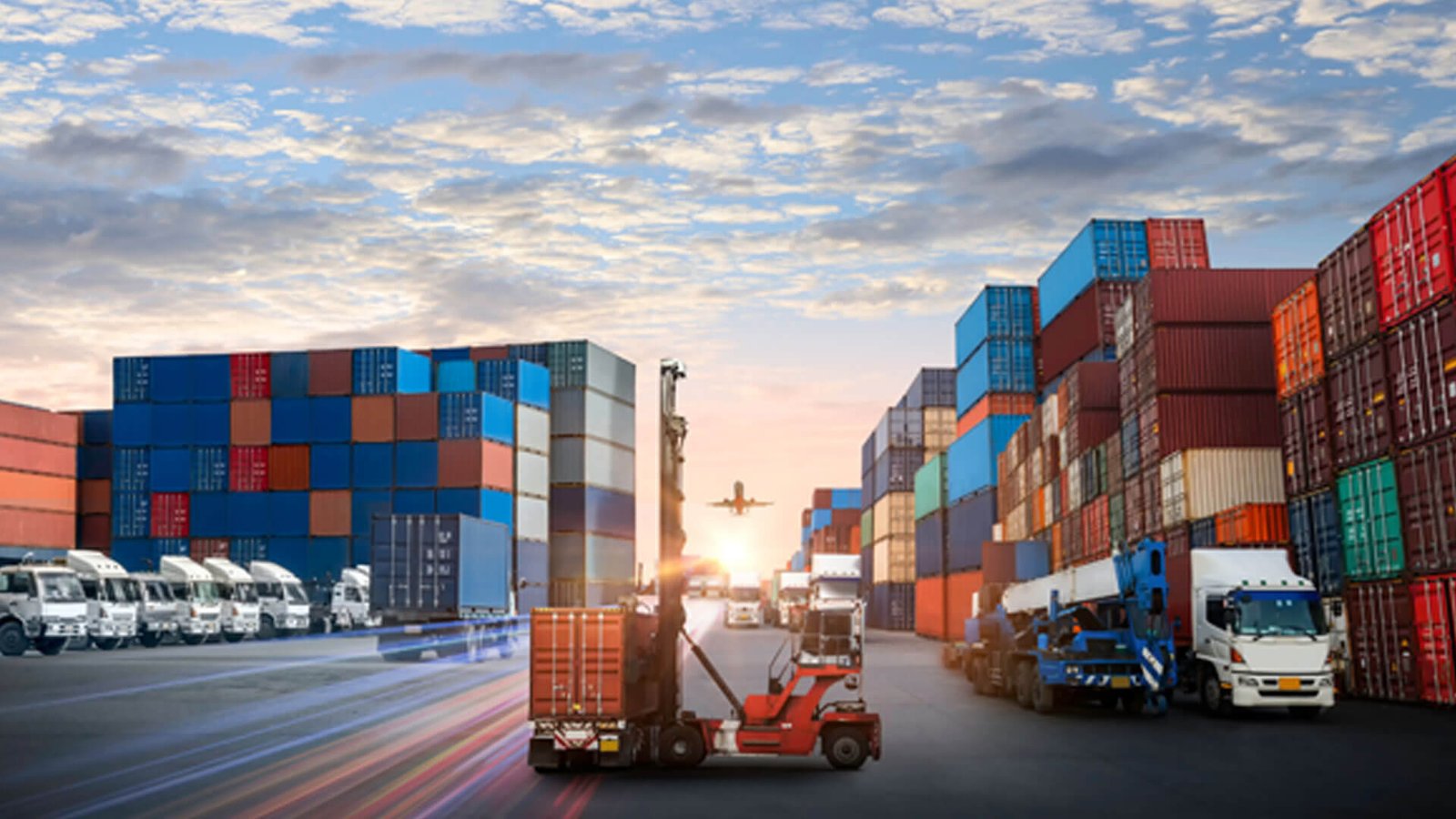
A clear example is during peak seasons when the transpacific lane sees increased congestion. This can lead to delays that ripple through the supply chain, affecting inventory levels and customer satisfaction.
| Disruption Cause | Impact on Shipping Lanes | Long-term Effects |
|---|---|---|
| Congestion | Delayed shipments | Increased costs |
| Weather | Rerouting | Unpredictable delivery |
| Labor strikes | Reduced capacity | Dependency on alternative routes |
Being aware of these disruptions can help importers plan for potential issues.
How Importers Should Evaluate Shipping Lanes When Planning Routes and Ports?
As an importer, evaluating shipping lanes requires a strategic approach.
Importers should evaluate lanes based on transit consistency, congestion history6, port efficiency, inland connectivity7, and cost trade-offs. The fastest lane is not always the most reliable. Strategic planning balances speed with predictability to protect inventory availability and downstream distribution.
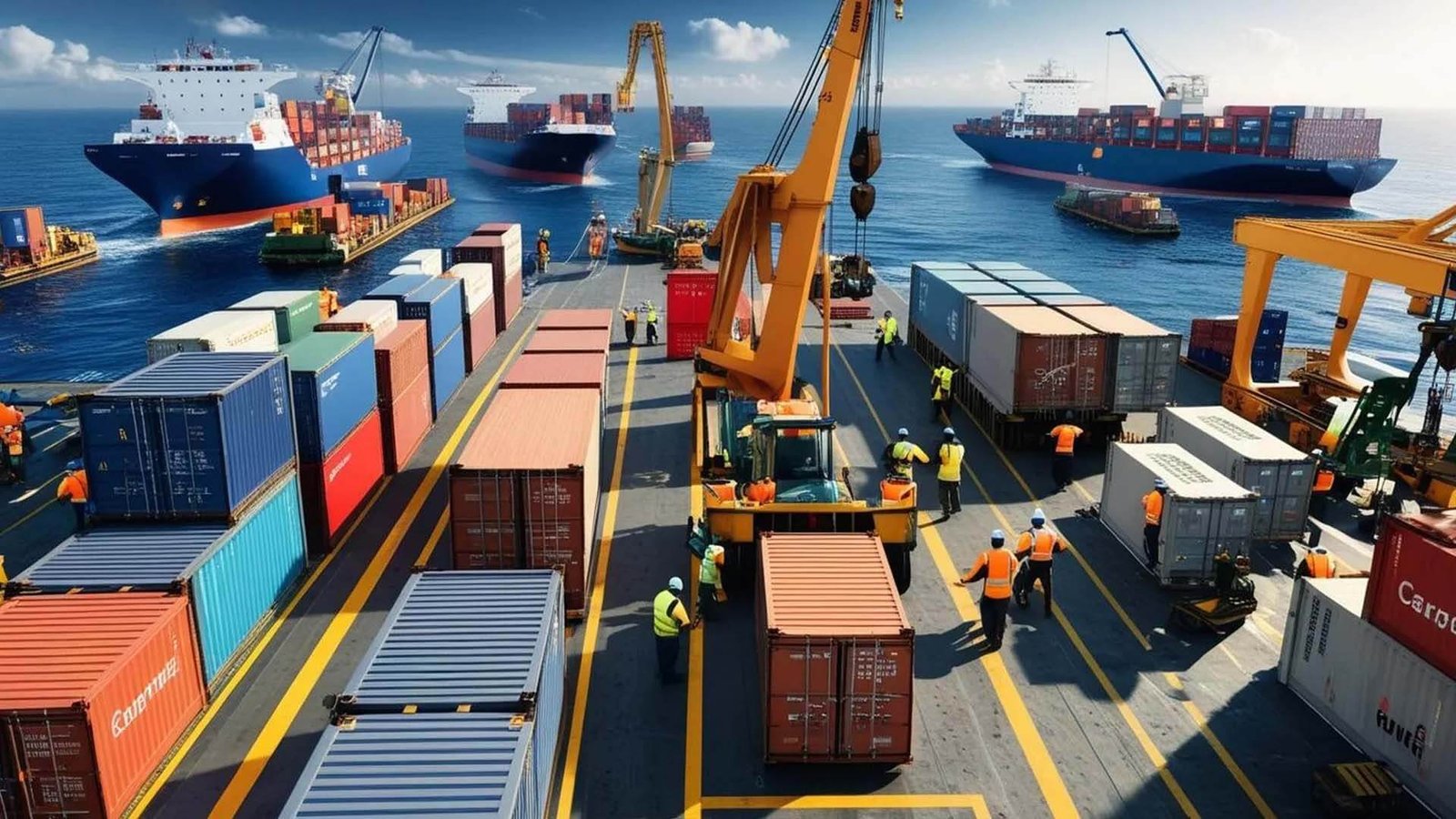
When selecting a shipping lane, consider not just the speed but other factors such as:
- Port efficiency: How quickly can goods be unloaded and cleared?
- Congestion history: Are there patterns indicating delays?
- Inland connectivity: How seamless is the transition from port to final destination?
By assessing these elements, you can make informed decisions that align with your business needs.
How Understanding Shipping Lanes Helps Importers Reduce Risk and Improve Planning?
Understanding shipping lanes is a key factor in risk management.
By understanding shipping lanes, importers can diversify routes, adjust safety stock8, and anticipate disruption patterns. Lane awareness improves forecasting accuracy and enables proactive decisions on routing, mode shifts, or port changes—reducing exposure to delays and stabilizing supply-chain performance.
Developing a robust shipping strategy involves:
- Diversifying routes: Avoid reliance on a single lane to mitigate risk.
- Adjusting safety stock8: Increase stock levels for high-risk routes to maintain service.
- Forecasting disruptions: Use historical data to anticipate issues.
These strategies can help ensure that your supply chain remains resilient against potential disruptions.
Conclusion
Understanding global shipping lanes1 is crucial for U.S. importers to improve logistics, reduce risks, and enhance planning.
Understanding global shipping lanes is crucial for optimizing logistics, reducing costs, and improving transit times in international trade. ↩
Choosing the right shipping lane can optimize transit time, balancing speed and reliability for efficient supply chains. ↩
The transpacific route is vital for U.S. imports, especially for electronics, due to its high volume and efficiency, impacting delivery timelines. ↩
Suez Canal Routes are critical for connecting Asia to the U.S. East Coast, influencing trade efficiency and vulnerability to disruptions. ↩
Shipping lanes impact freight rates through demand fluctuations and congestion, affecting overall shipping costs. ↩
Analyzing congestion history helps in selecting reliable lanes, minimizing delays and optimizing supply chain performance. ↩
Inland connectivity ensures seamless transition from port to destination, crucial for efficient logistics and distribution. ↩
Adjusting safety stock for high-risk lanes ensures service continuity, mitigating the impact of potential disruptions. ↩