Shipping goods internationally can be daunting for U.S. importers. Understanding the process and the specific requirements when shipping from South Korea to the U.S. is crucial for smooth operations.
Before booking cargo from South Korea to the U.S., importers must understand shipping modes1, transit times2, documentation requirements3, and cost drivers4. Early planning around routing, Incoterms5, and customs preparation6 helps prevent delays, unexpected fees, and compliance issues once cargo enters international transit.
Navigating the logistics of international shipping is essential for any importer. Ignoring the details can lead to costly problems. Proper research and preparation before you book cargo are vital in ensuring a hassle-free experience.
What U.S. Importers Need to Know About Shipping From South Korea to the U.S. Before Booking Cargo?
Shipping internationally can feel overwhelming. As a U.S. importer, it’s crucial to understand the nuances of shipping from South Korea to the U.S.
Before booking cargo, importers need to research shipping methods, routes, and documentation. Knowing about costs and customs requirements saves time and money later.
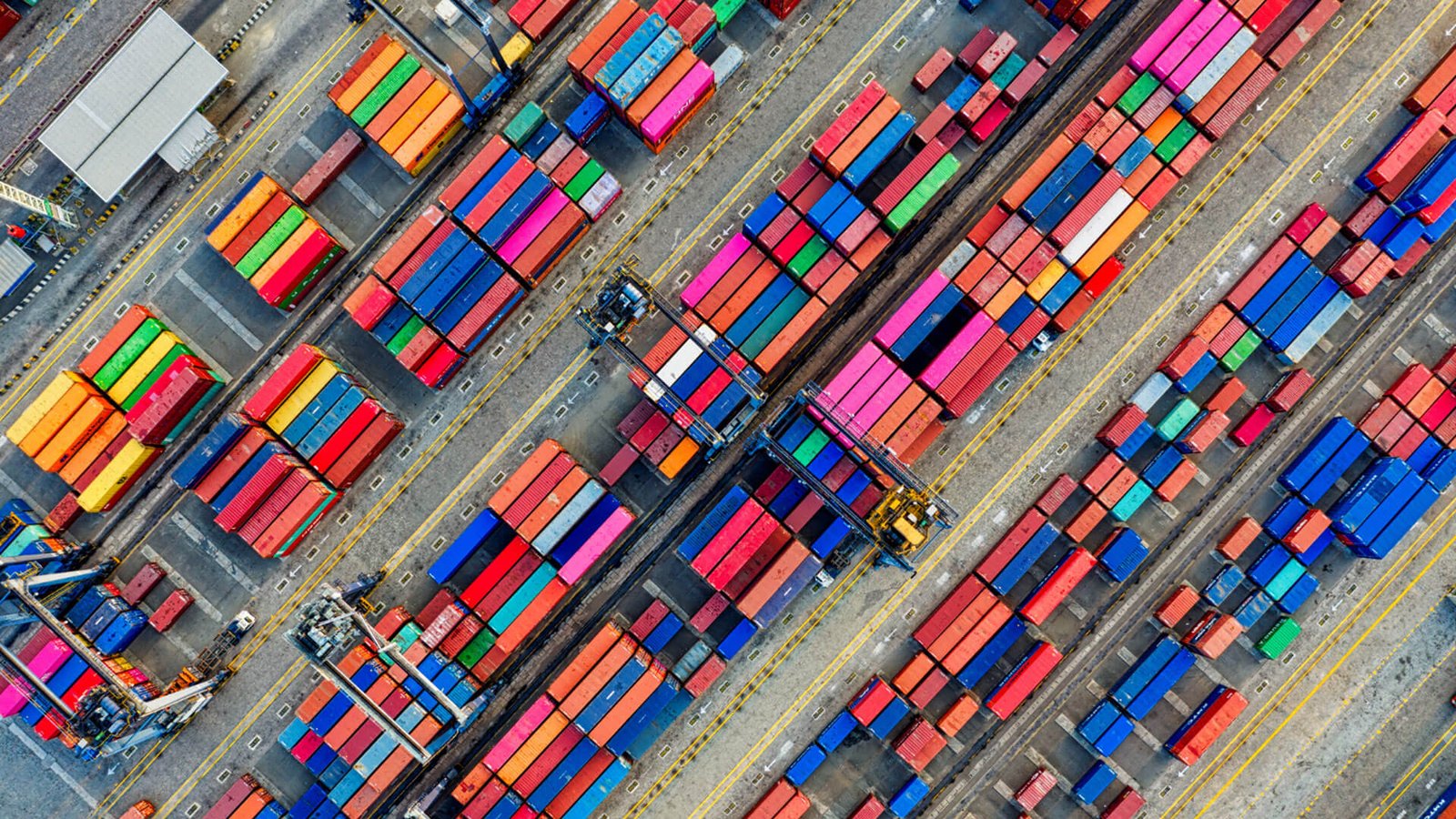
When preparing to import from South Korea, one of the first steps is understanding the shipping modes1 available. There are primarily three methods to consider: ocean freight7, air freight8, and express shipping9. Each mode of transport has its own pros and cons. Ocean freight is often more cost-effective for larger shipments but can take longer. Air freight is faster but typically more expensive. Express shipping is ideal for urgent deliveries but comes at a premium price.
Documentation is also critical. Importers need to ensure that all documents, including commercial invoices10 and bills of lading11, are in order. Missing or incorrect paperwork can delay shipments or result in fines.
What Products the U.S. Imports From South Korea and Which Shipments Face Higher Customs Scrutiny?
The U.S. imports a variety of goods from South Korea. Understanding what these products are can help you plan your shipments.
The U.S. commonly imports electronics, automotive parts, machinery, chemicals, and consumer goods from South Korea. Products subject to FDA, EPA, DOT, or anti-dumping controls often face higher customs scrutiny12, making accurate classification, valuation, and supporting documentation essential for smooth clearance.
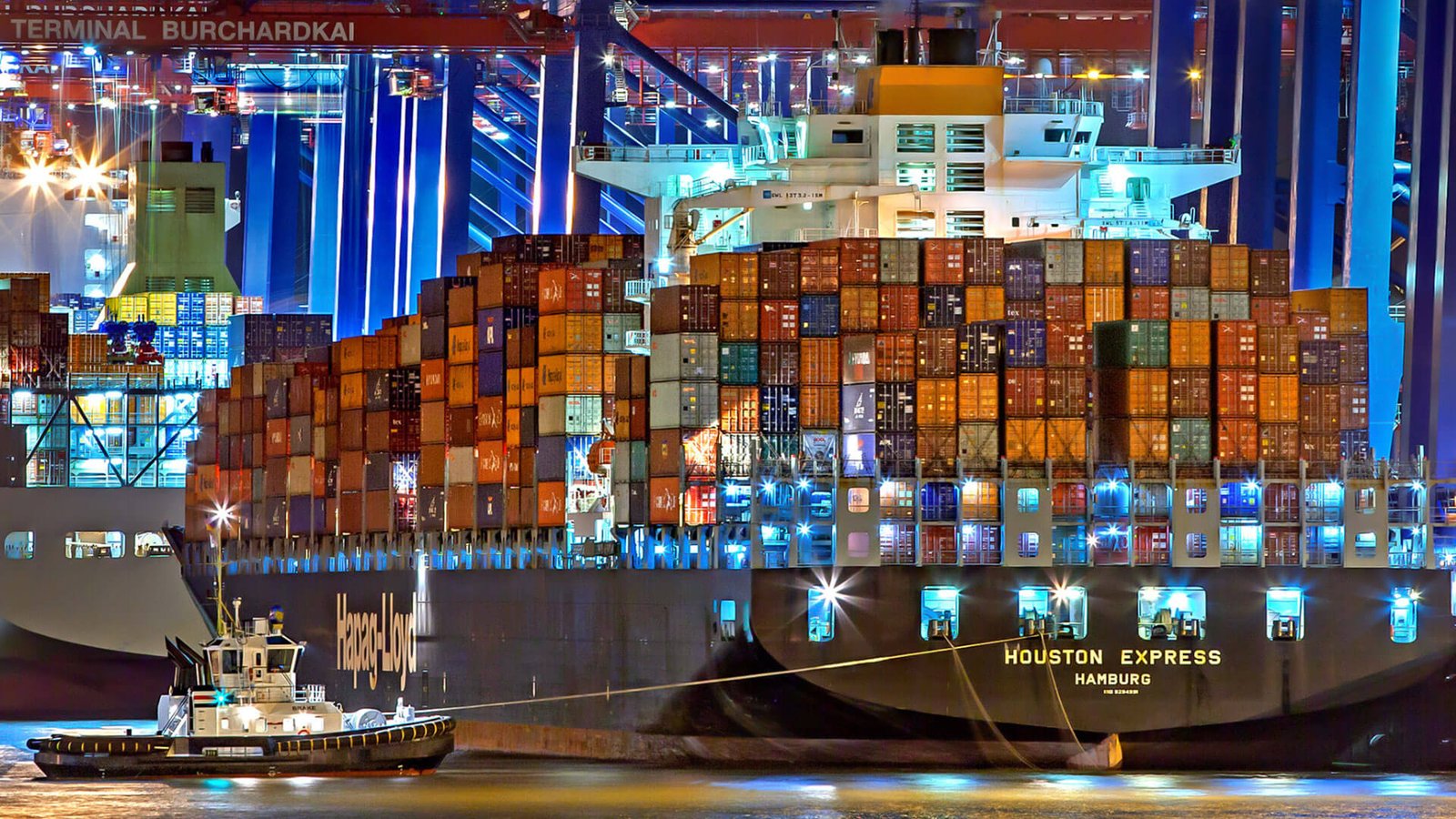
Electronics are among the top imports, including items like smartphones and semiconductors. Automotive parts also play a significant role, as many U.S. car manufacturers source components from South Korea. Understanding which products face additional scrutiny is essential. For example, items regulated by the FDA, such as food products, often require extra documentation and inspections.
To facilitate a smooth customs process, accurate classification of products is vital. Misclassifying goods can lead to delays and potential fines. Therefore, working with a knowledgeable customs broker can help ensure compliance and prevent problems at the border.
Shipping Methods From South Korea to the U.S.: Ocean vs Air vs Express and How to Choose
Choosing the right shipping method is essential for U.S. importers. Each option has its benefits and drawbacks.
Importers can ship from South Korea to the U.S. by ocean freight7, air freight8, or express courier depending on cargo size, urgency, and cost tolerance. Ocean freight offers the lowest unit cost, while air and express provide faster delivery for high-value or time-sensitive shipments.
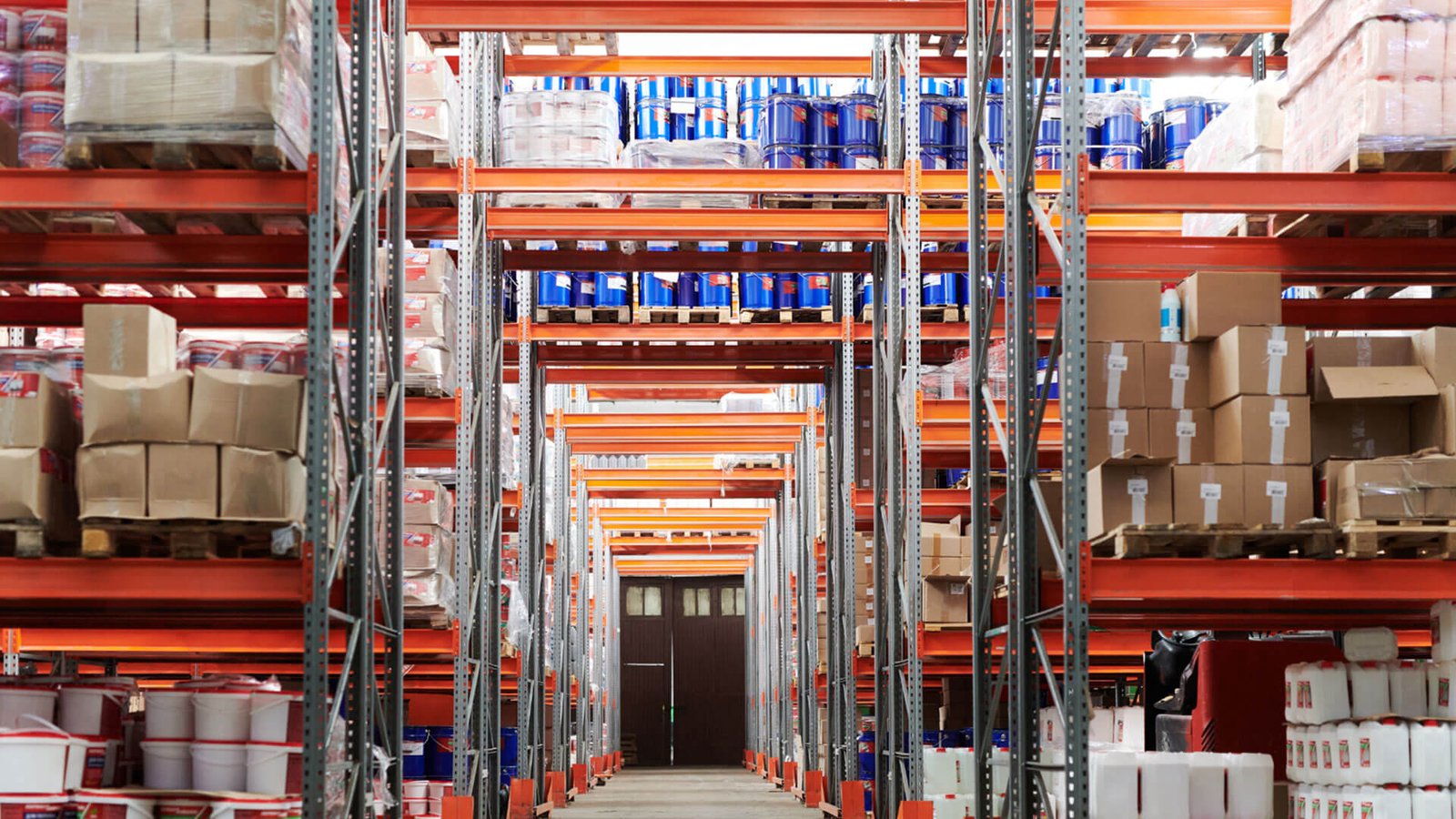
When deciding between these options, consider the urgency and nature of your cargo. Ocean freight is ideal for larger shipments that don’t require immediate delivery. However, if time is a concern—such as for high-demand electronics—air freight8 or express shipping9 may be necessary.
Costs also vary significantly between these methods. Ocean freight typically has a lower unit cost, making it more suitable for bulk shipments. On the other hand, air and express shipping9, while faster, can significantly increase overall shipping costs. Analyzing these factors and aligning them with your business needs is essential.
How Long Shipping From South Korea to the U.S. Takes and What Causes Transit Delays
Understanding transit times2 is crucial for planning and customer satisfaction.
Shipping from South Korea to the U.S. typically takes 10–25 days by ocean and 2–5 days by air. Delays are often caused by port congestion, vessel scheduling changes, customs inspections, or documentation errors, making proactive coordination and real-time monitoring critical for importers.
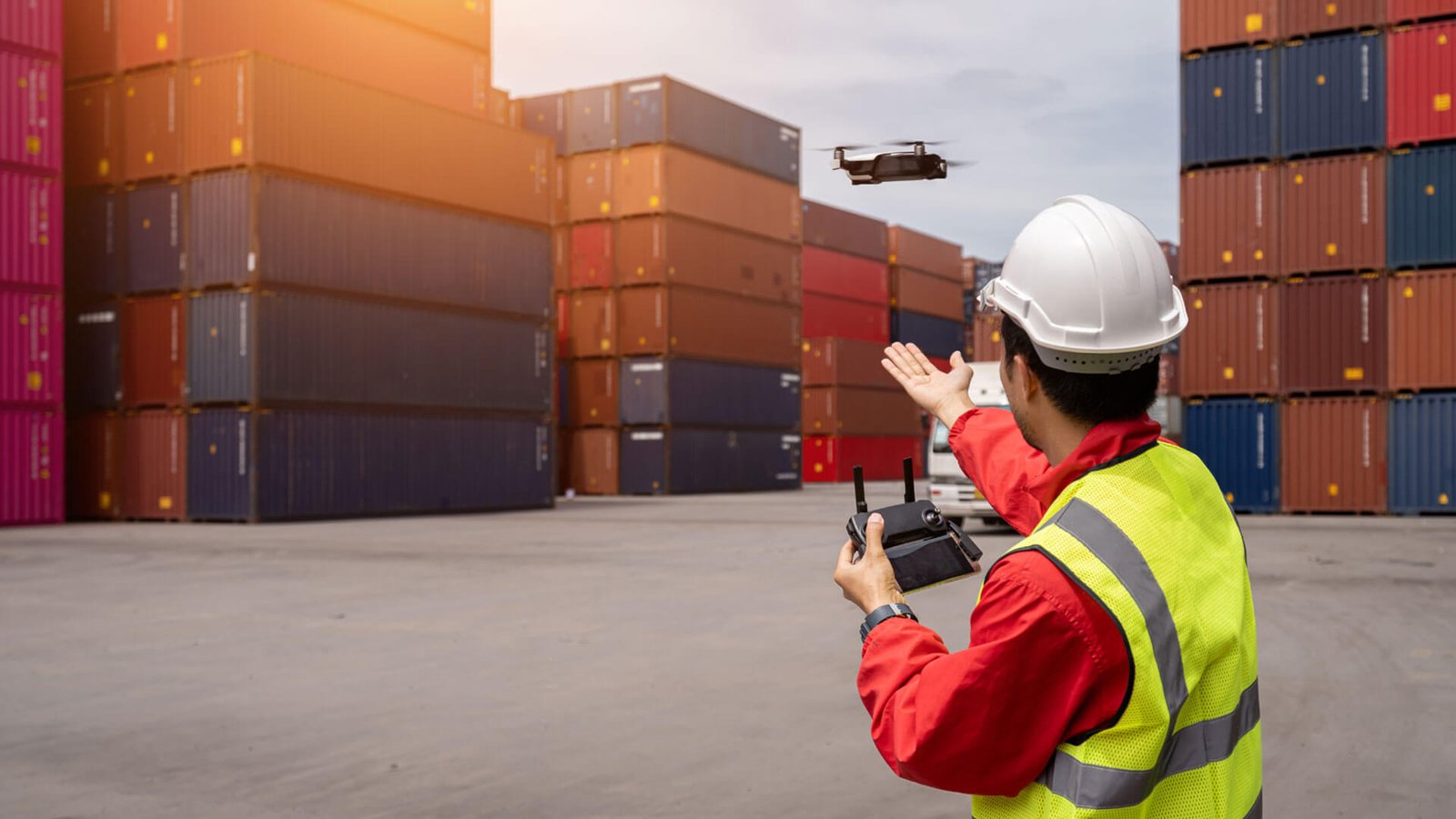
As a U.S. importer, it's vital to know that various factors can impact shipping times. Weather conditions, port congestion, and customs inspections can create delays. For instance, if a vessel is delayed at a port, the entire shipment timeline is affected. Real-time tracking and strong communication with freight forwarders13 can help mitigate these delays.
In some cases, documentation errors can also lead to significant delays. Having a reliable customs broker who understands the intricacies of customs processes can help you navigate these challenges smoothly.
Duties, Taxes, and Customs Clearance When Importing From South Korea to the U.S.
Duties and taxes are a significant aspect of the import process.
U.S. importers may owe duties, taxes, and fees depending on product classification, value, and eligibility under the U.S.–Korea Free Trade Agreement14. Incorrect valuation or documentation can trigger penalties or audits, making accurate customs entry and broker oversight essential for compliant clearance.

The U.S.–Korea Free Trade Agreement14 offers certain benefits to eligible goods. However, understanding the correct classification and valuation of your products is crucial. Misvaluing your imports can lead to fines and complications with customs. Partnering with a customs broker can assist in navigating these challenges and ensuring compliance with all regulations.
It’s also critical to be aware of any specific customs fees associated with your products. This may include additional tariffs for certain goods. Due diligence in understanding these costs helps in accurate pricing and budgeting for your imports.
How Freight Forwarders and Customs Brokers Manage Korea–U.S. Shipments End to End
Freight forwarders and customs brokers15 play an essential role in the shipping process.
Freight forwarders and customs brokers15 manage Korea–U.S. shipments by coordinating origin pickup, export documentation, international transport, customs clearance, and final delivery. This end-to-end oversight helps importers reduce delays, control costs, and ensure compliance across every stage of the shipping process.
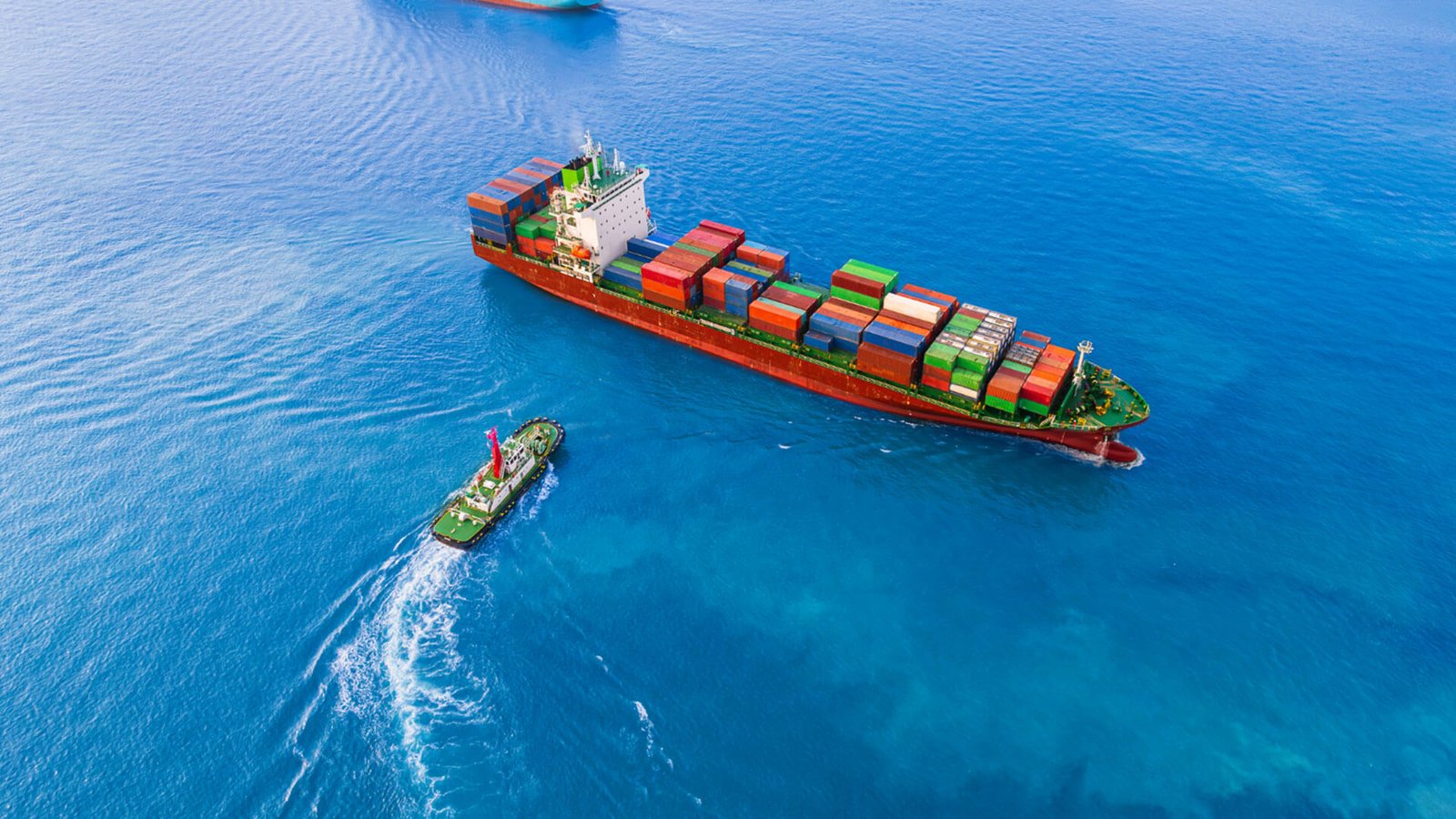
A proficient freight forwarder acts as the main point of contact. They handle everything from the initial pickup of goods in South Korea to navigating customs processes in the U.S. This reduces the risk of errors and delays, allowing you to focus on your core business.
Customs brokers are particularly important to ensure compliance. They help in preparing necessary documents and ensuring that your shipments meet all legal requirements. This partnership not only facilitates smoother shipping but also ensures that you can avoid costly customs issues.
Conclusion
Understanding the intricacies of shipping from South Korea to the U.S. is crucial for importers. Proper planning, compliance, and choosing the right partners can lead to a smoother shipping experience.
Understanding shipping modes helps importers choose the best option for their needs, balancing cost and delivery time. ↩
Knowing transit times aids in planning and managing customer expectations for delivery schedules. ↩
Proper documentation prevents delays and fines, ensuring smooth customs clearance. ↩
Identifying cost drivers helps importers budget effectively and avoid unexpected expenses. ↩
Understanding Incoterms clarifies responsibilities and risks between buyers and sellers, preventing disputes. ↩
Proper customs preparation avoids delays and compliance issues, ensuring timely delivery. ↩
Ocean freight is cost-effective for large shipments, making it a popular choice for importers. ↩
Air freight offers faster delivery, ideal for high-value or time-sensitive shipments. ↩
Express shipping is best for urgent deliveries, despite its higher cost. ↩
Commercial invoices are crucial for customs clearance, detailing the transaction and value of goods. ↩
A bill of lading serves as a receipt and contract, essential for tracking and claiming goods. ↩
Knowing which products face scrutiny helps in preparing accurate documentation and avoiding delays. ↩
Freight forwarders manage logistics, reducing the risk of errors and ensuring efficient shipping. ↩
The agreement can reduce duties and taxes, making imports more cost-effective. ↩
Customs brokers ensure compliance with regulations, preventing costly delays and fines. ↩