Shipping goods from China to Mexico can be a complex and daunting process for U.S. importers. Understanding the logistics involved is crucial to ensure timely and cost-effective delivery.
U.S. importers shipping from China to Mexico typically rely on ocean freight1 for cost efficiency or air freight2 for time-sensitive cargo. The right choice depends on shipment size3, urgency, port congestion, and risk tolerance, making shipping mode selection a strategic decision.
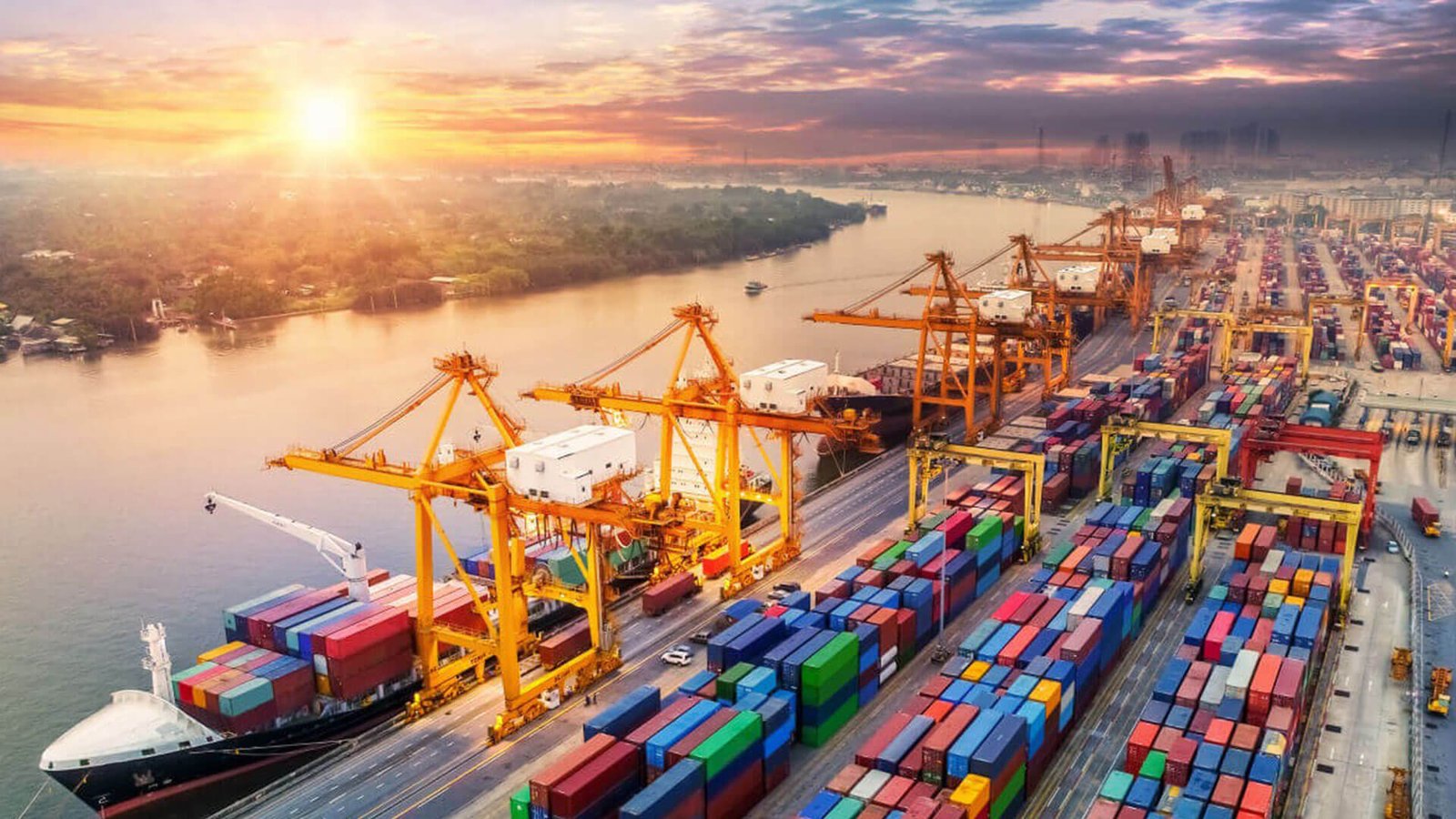
Finding the best shipping method requires balancing cost, transit time, and reliability. Many U.S. importers face challenges in choosing the ideal approach. A wrong decision can lead to unnecessary delays and increased costs. Let’s explore the options available.
What Shipping Methods from China to Mexico Best Balance Cost, Transit Time, and Reliability for U.S. Importers?
Shipping from China to Mexico involves several methods, primarily ocean freight1 and air freight2. Each has its specific benefits and drawbacks.
Ocean freight is often the go-to choice for bulk shipments due to its cost-effectiveness. However, it typically requires longer transit times. On the other hand, air freight2 is faster but comes with higher costs. These options must be evaluated against factors like shipment size3, urgency, and overall budget constraints.
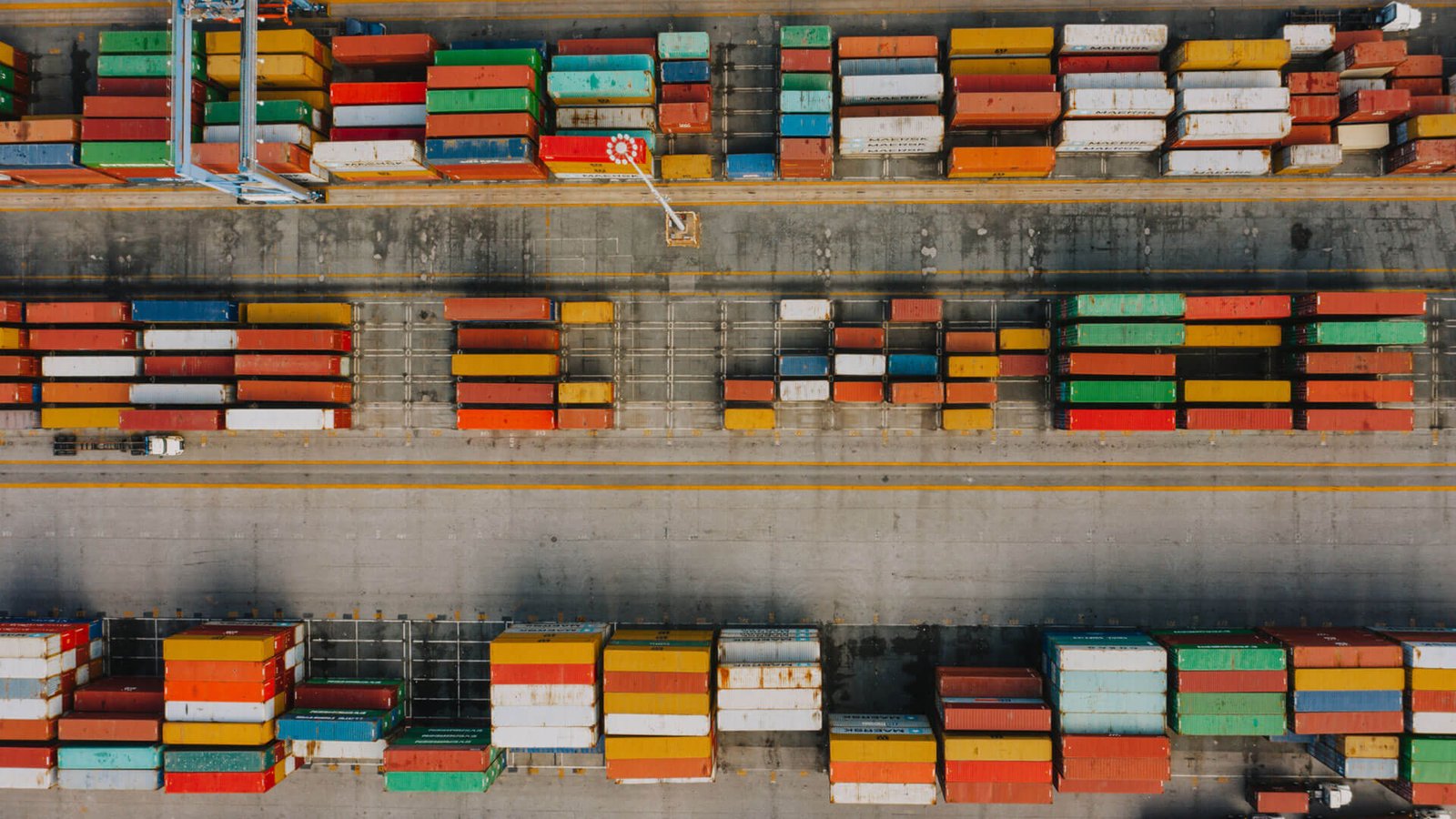
If you are shipping large containers, ocean freight1 will generally save you significant costs. For smaller, urgent shipments, consider air freight2 to meet tight deadlines. Regardless of your choice, ensure to work with a reliable logistics partner who understands the intricacies of both routes.
How Do Freight Rates, Fuel Surcharges, and Routing Choices Affect Shipping Costs from China to Mexico?
When calculating shipping costs, various factors come into play. Freight rates from China to Mexico are influenced by base charges, fuel surcharges4, and peak-season fees. Understanding these elements is essential for U.S. importers seeking to manage budgets effectively.
Shipping costs from China to Mexico are driven by base freight rates5, fuel and peak-season surcharges, carrier capacity, and routing decisions. Understanding these variables helps importers forecast budgets accurately and avoid unexpected landed-cost increases.
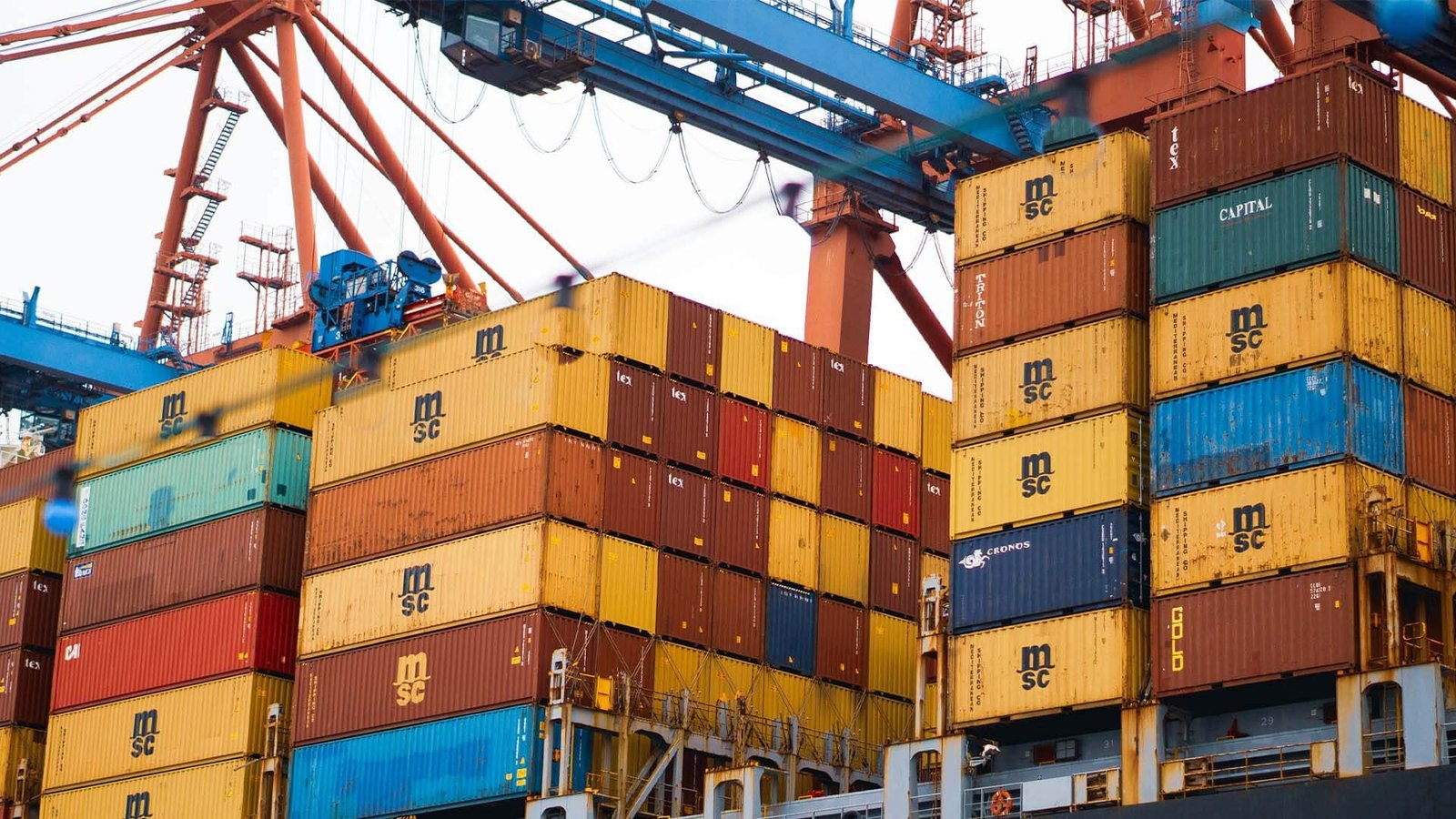
Freight rates fluctuate based on demand and shipping lanes. Fuel surcharges can add to the unpredictability of total shipping costs. Therefore, it’s wise to consider long-term contracts or partnerships with freight providers to lock in rates. Additionally, choosing direct routes can sometimes yield lower costs compared to longer, less efficient routes.
Understanding these cost drivers can significantly help in budgeting and planning. This knowledge allows for more accurate predictions of shipping expenses.
How Does Mexican Customs Clearance Work and What Import Duties, VAT6, and Documentation Are Required?
Navigating customs is a critical part of importing goods into Mexico. U.S. importers must understand the various requirements to avoid costly delays.
Imports into Mexico must clear customs through a licensed customs broker and are subject to import duties, VAT6, and regulatory documentation. Accurate classification, valuation, and compliant paperwork are critical to prevent delays, penalties, or cargo holds.
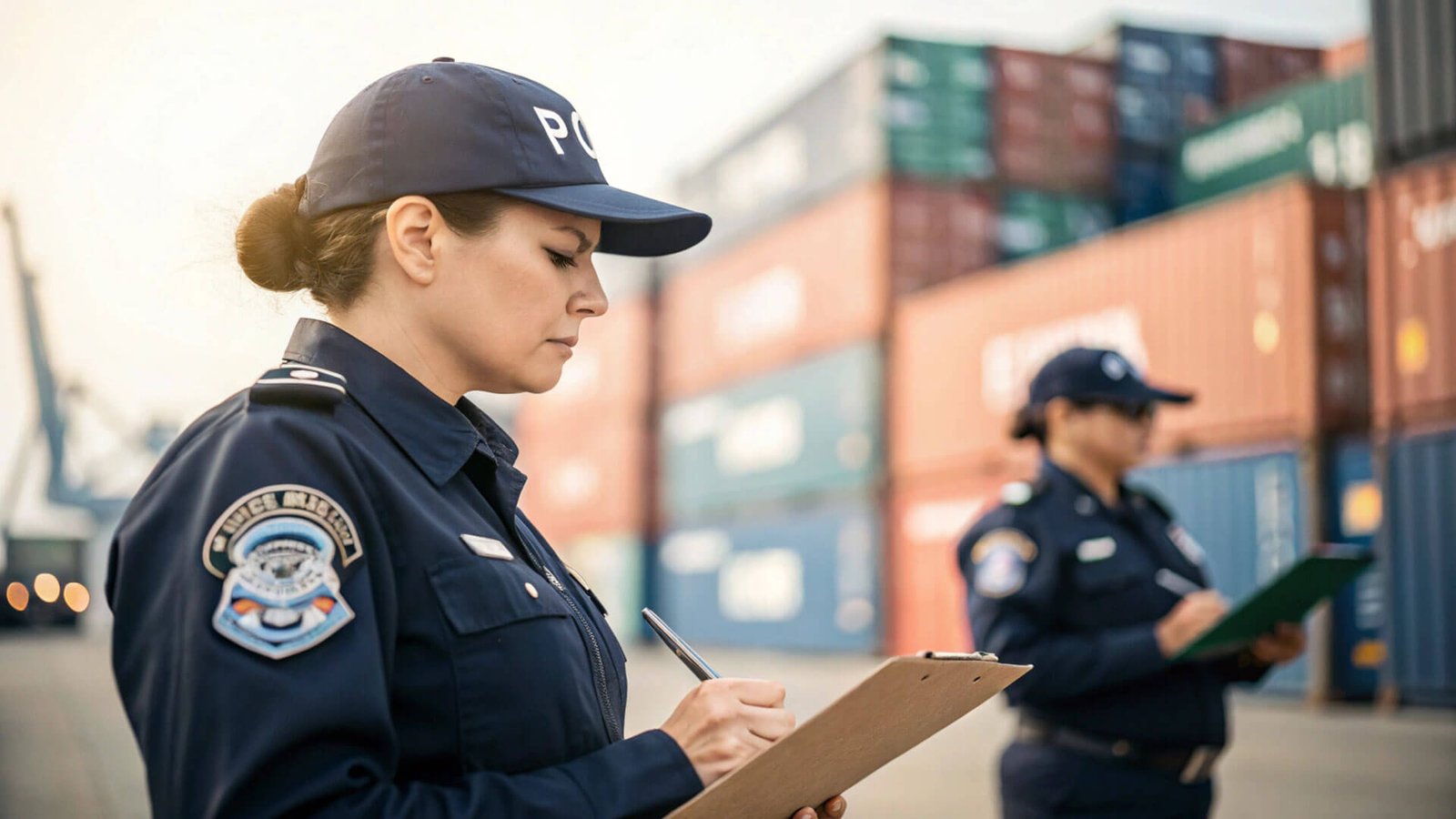
When goods arrive in Mexico, they must be declared properly to customs. Essential documents typically include the commercial invoice, bill of lading, and the pedimento form. Duties and VAT6 apply based on the type of goods and their declared value. Ensuring compliance with Mexico's customs laws is vital, as any lapse can lead to significant penalties.
Working with experienced customs brokers is highly advantageous. They can help navigate the complexities of Mexican customs and assist in ensuring all documentation is accurate and complete.
What Products Face Higher Compliance Risk, Restrictions, or Inspections When Entering Mexico from China?
Certain goods face stricter regulations when imported into Mexico. Recognizing these products can save U.S. importers time and money.
Certain goods entering Mexico from China—such as electronics, textiles, chemicals, and regulated materials—face higher compliance scrutiny7. These products may require permits, NOM certifications, or inspections, increasing risk if requirements are not addressed before shipment.
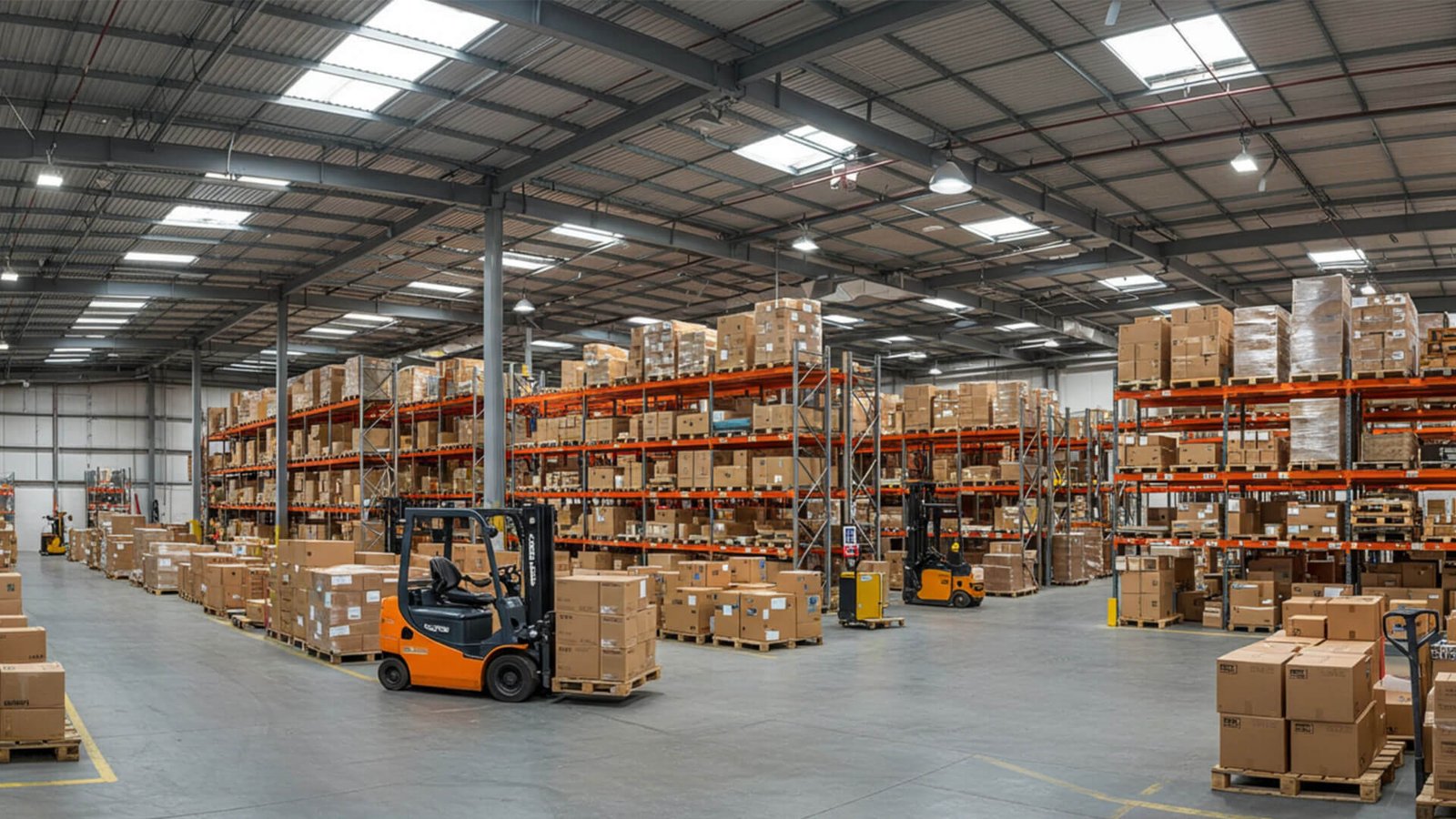
Products like electronics often require additional certifications. Meanwhile, chemicals may fall under specific environmental regulations. Understanding these restrictions helps in planning safe shipments and avoiding unnecessary inspections. Always check for the latest regulations based on the type of goods you are planning to import.
Failure to comply with these regulations can lead to cargo being held at customs or even returned to the origin. Importers should prepare in advance to mitigate these risks.
How Do Port Selection and Inland Transportation in Mexico Impact Delivery Speed and Total Landed Cost?
The choice of port can significantly influence the efficiency and cost-effectiveness of your shipments. U.S. importers must consider both port selection8 and inland transportation9 options.
Port selection and inland transportation9 play a major role in delivery speed and cost in Mexico. Choosing the right entry port and coordinating trucking or rail reduces congestion risk, improves transit reliability, and helps control total landed cost.
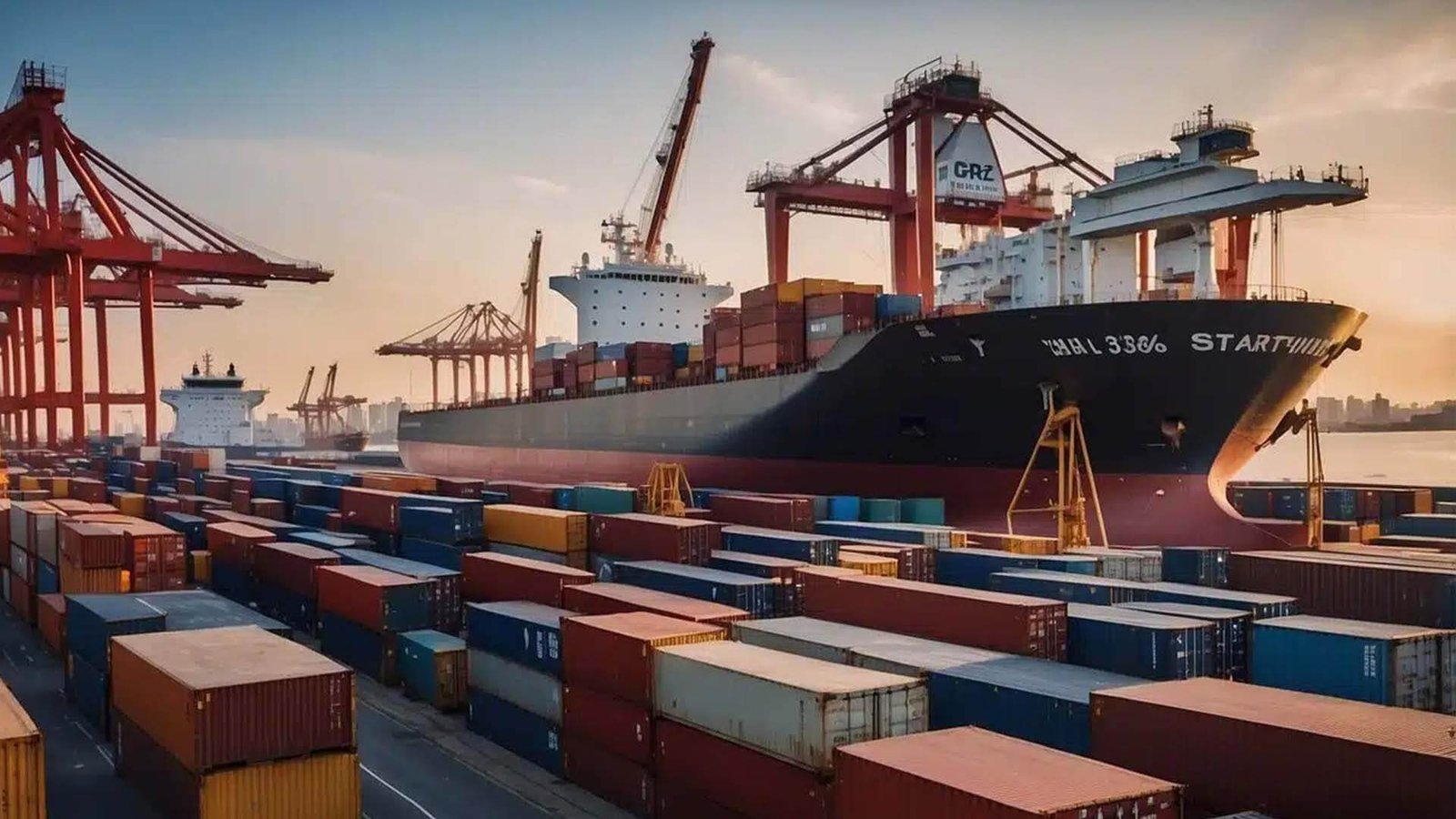
Ports like Veracruz or Altamira may offer better handling for certain cargo types, while Tijuana is more suitable for goods destined for the Northern U.S. border. Coordinating the inland transport effectively ensures that goods reach their destination on time and within budget.
Additionally, understanding local transportation networks can help in selecting optimal routes. This can significantly decrease delivery times and costs, enhancing overall supply chain efficiency.
How Can U.S. Importers Reduce Delays, Compliance Risk, and Supply Chain Disruption When Shipping from China to Mexico?
Streamlining your logistics processes is key to a smooth shipping experience. U.S. importers can take proactive steps to minimize risk and improve reliability.
U.S. importers reduce risk and disruption by consolidating shipments, pre-validating customs compliance, selecting optimal routes, and coordinating freight, customs, and inland delivery. Integrated logistics planning improves visibility and ensures predictable China-to-Mexico supply chains.
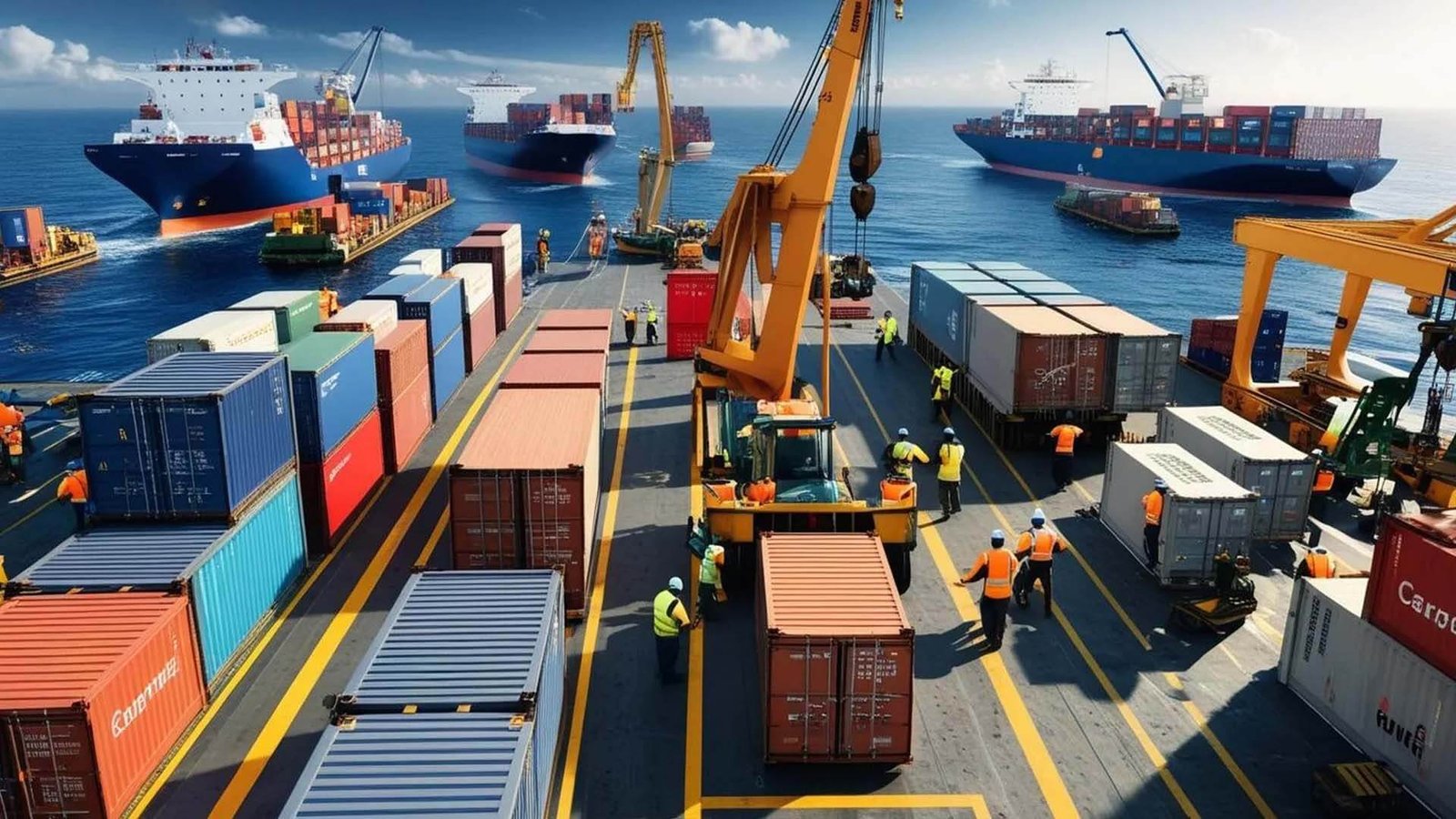
Consolidating shipments can lower costs and improve efficiency. Implementing integrated logistics solutions allows for better tracking and management of shipments. This visibility is essential in reducing delays and ensuring compliance with customs regulations.
Developing strong relationships with logistics providers can also enhance communication and coordination, leading to a more reliable supply chain.
Conclusion
In summary, understanding the complexities of shipping from China to Mexico can help U.S. importers navigate better logistics, reduce costs, and ensure compliance.
Explore how ocean freight can be a cost-effective solution for bulk shipments, helping you save on shipping costs. ↩
Learn why air freight might be the best option for urgent shipments, despite its higher costs. ↩
Understand how the size of your shipment influences the decision between ocean and air freight. ↩
Learn about the role of fuel surcharges in shipping costs and how to manage these expenses. ↩
Gain insights into the variables that affect freight rates, helping you budget more effectively. ↩
Learn about the VAT requirements for imports to ensure compliance and avoid unexpected costs. ↩
Identify products that require additional compliance measures to prevent delays and penalties. ↩
Find out how choosing the right port can impact delivery speed and overall shipping costs. ↩
Explore inland transportation options to ensure timely delivery and cost efficiency. ↩