The Shipper's Export Declaration (SED) was once a critical form for U.S. exports. But has it become a thing of the past?
The Shipper’s Export Declaration (SED)1 was a U.S. government form used to collect export data, enforce trade regulations, and monitor controlled goods leaving the country. It documented shipment value2, destination, and classification, helping authorities track exports for statistical, regulatory, and national security purposes.

The transition from SED to modern electronic systems marks a significant evolution in export compliance3. This article will explore the relevance of SED today and the compliance landscape for exporters.
What a Shipper’s Export Declaration (SED)1 Was and Why It Was Originally Required?
The SED served an important purpose. It was designed to ensure that exports complied with U.S. laws and regulations. As trade expanded, so did the need for accurate reporting. The SED provided a systematic way to collect data on exports, enabling the government to monitor trade patterns and enforce compliance.
The SED was a U.S. government form used to collect export data, enforce trade regulations, and monitor controlled goods leaving the country. It documented shipment value2, destination, and classification, helping authorities track exports for statistical, regulatory, and national security purposes.
The SED was crucial in establishing a framework for international trade. It allowed the U.S. government to analyze export trends and enforce export control laws4. Over time, however, as technology advanced, the need for a paper-based system became less efficient.
Is the SED Still Used Today or Has It Been Replaced by Electronic Export Information (EEI)5?
Today, we no longer use the SED. It has been officially replaced by Electronic Export Information (EEI)5. This transition reflects the shift toward digital reporting, which simplifies the export process.
The SED is no longer used in the United States. It was officially replaced by Electronic Export Information (EEI)5, which is filed electronically through the Automated Export System (AES)6. Today, exporters submit EEI instead of paper forms to comply with U.S. export reporting requirements7.

With the rise of the Automated Export System, exporters can electronically submit their export information. This method offers benefits, including reduced paperwork, increased accuracy, and faster processing.
When Export Filings Are Required Under Current U.S. Regulations—and When They Are Not
Export filings are crucial for compliance, but not every shipment requires them. Understanding when filings are needed can save exporters from costly mistakes.
EEI filings are required when shipment value2 exceeds regulatory thresholds, when exporting controlled items8, or when destination countries require reporting. Low-value shipments and certain exemptions may not require EEI, but incorrect assumptions can lead to violations, fines, or shipment delays if filings are missed or inaccurate.
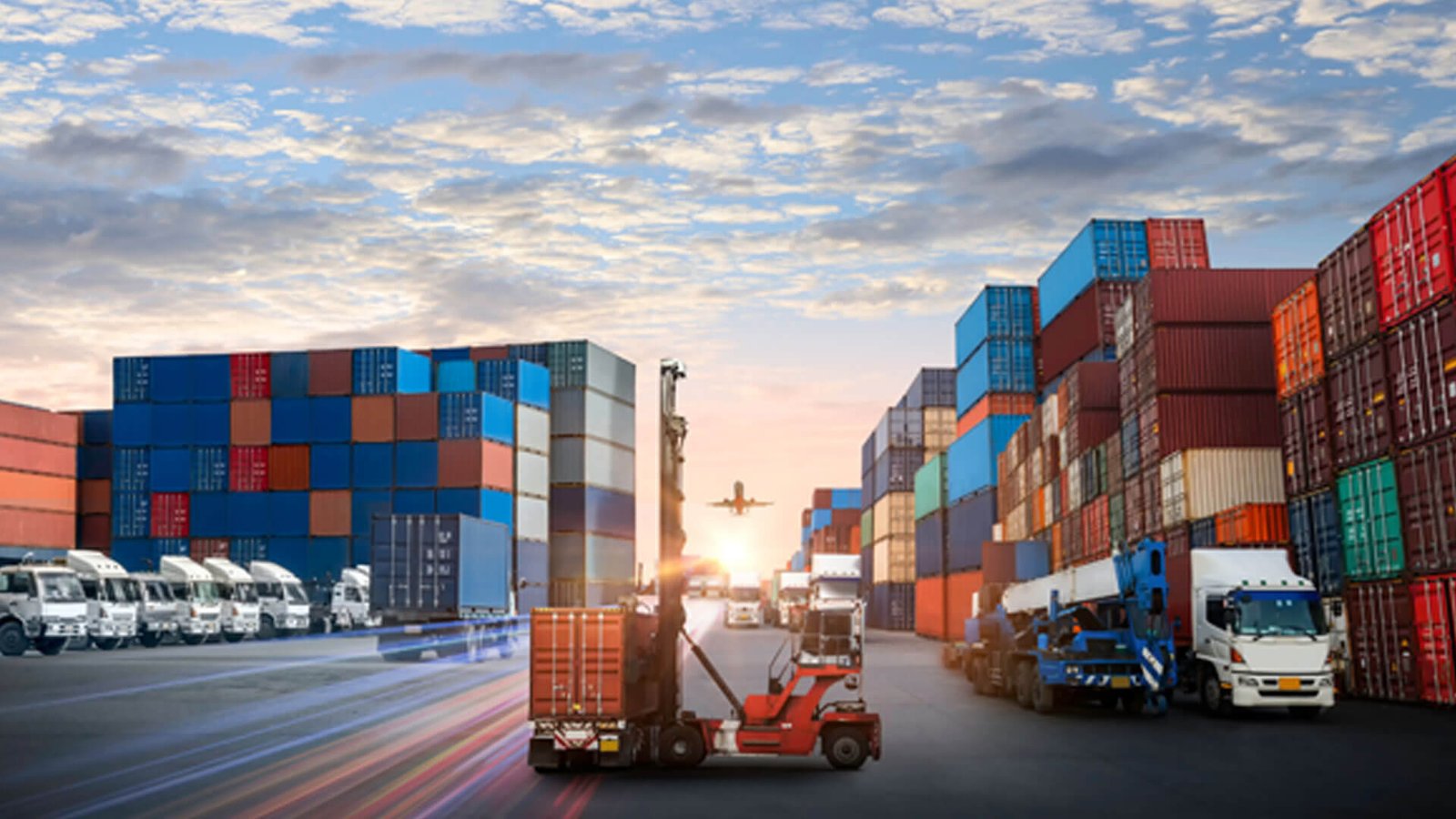
Generally, EEI filings are required for shipments exceeding $2,500. However, there are exceptions. For instance, specific items may need to be reported regardless of their value. Additionally, some low-value shipments, below the threshold, may not require an EEI filing. Understanding these nuances can help exporters navigate regulatory requirements effectively.
| Export Filing Scenarios | Requirement | Notes |
|---|---|---|
| Value > $2,500 | Required | Standard requirement. |
| Controlled items | Always Required | Must report regardless of value. |
| Low-value shipments | Not Required | If below the threshold, exemptions may apply. |
Who Is Responsible for Filing Export Information and What Data Must Be Accurate
Responsibility for filing EEIs lies with the U.S. Principal Party in Interest (USPPI)9. Whether the exporter files independently or delegates this task, they remain accountable for accuracy.
The U.S. Principal Party in Interest (USPPI)9 is ultimately responsible for EEI accuracy, even if filing is delegated to a freight forwarder or carrier. Key data includes exporter details, value, classification, destination, and licensing information, all of which must align with commercial and regulatory documents10.
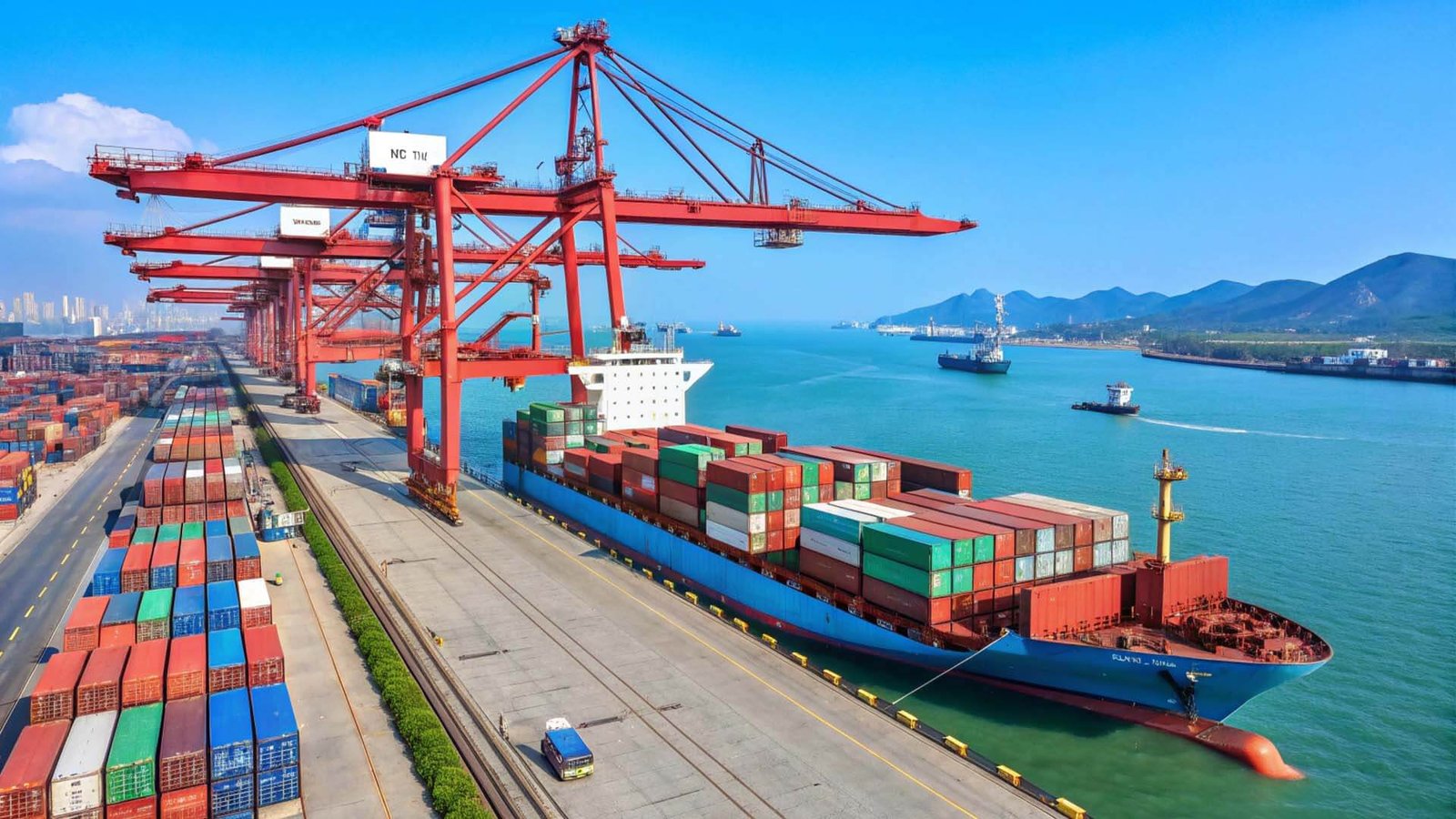
Exporters must ensure that all information filed is accurate, including values, classifications, and licensing details. Inaccurate data can lead to significant compliance risks11.
How Proper Export Filing Protects Companies From Penalties, Delays, and Compliance Risk
Properly filing export information is essential for avoiding costly penalties and maintaining smooth operations.
Accurate export filings reduce the risk of government penalties, shipment holds, and post-export audits. Proper EEI submission ensures smooth carrier acceptance, regulatory clearance, and foreign customs processing, protecting companies from costly compliance violations that can disrupt supply chains and damage trade privileges.
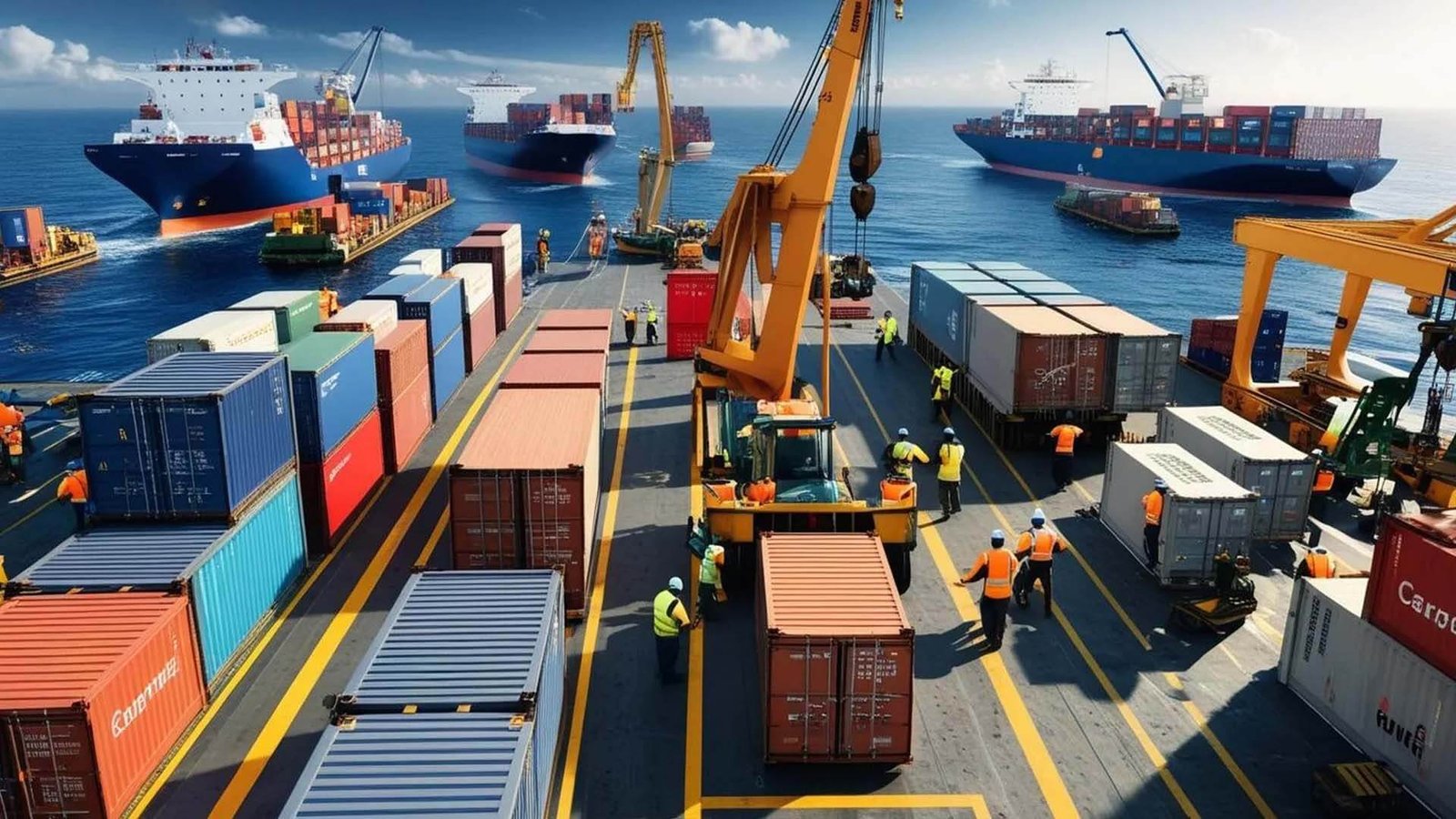
Filing errors can lead to delays in shipment, increased scrutiny from regulatory agencies, or even severe fines. By ensuring correct filings, companies can avoid these pitfalls and maintain a seamless export process.
| Document | Purpose | Still Used? | Filed With | Key Risk if Incorrect |
|---|---|---|---|---|
| SED | Export reporting (historical) | ❌ No | Paper (legacy) | Non-compliance |
| EEI (AES) | Mandatory electronic export filing | ✅ Yes | U.S. Customs and Border Protection (AES) | Fines, delays |
| Commercial Invoice | Transaction & customs valuation | ✅ Yes | Carrier & customs | Clearance delays |
Conclusion
Understanding the transition from SED to EEI is crucial for exporters today. Compliance and accuracy in filing ensure smooth operations and mitigate risks.
Learn about the historical significance and purpose of the SED in U.S. export compliance. ↩
Understand how shipment value affects the need for export filings and compliance. ↩
Explore the importance of adhering to export regulations to avoid penalties and ensure smooth operations. ↩
Learn about the regulations governing the export of controlled goods and their significance. ↩
Discover how EEI has replaced SED and its role in modern export reporting. ↩
Understand the benefits of using AES for electronic submission of export information. ↩
Stay informed about the necessary filings and thresholds for U.S. exports. ↩
Identify which items require special attention and reporting under export control laws. ↩
Find out the responsibilities of the USPPI in ensuring accurate export filings. ↩
Ensure you have the right documentation to support accurate and compliant export filings. ↩
Learn about the potential risks and consequences of inaccurate export filings. ↩