Struggling with unpredictable shipping timelines1 from Shanghai to New York? This uncertainty can disrupt your inventory planning2 and lead to surprise costs, hurting your bottom line and customer trust.
Yes, you can get control over your Shanghai to New York shipments. The key is understanding the two main routes: the all-water East Coast route3 (35-40+ days) and the faster West Coast route with rail transfer4 (25-30 days). Your final door-to-door time5 depends on your route, customs, and inland planning.
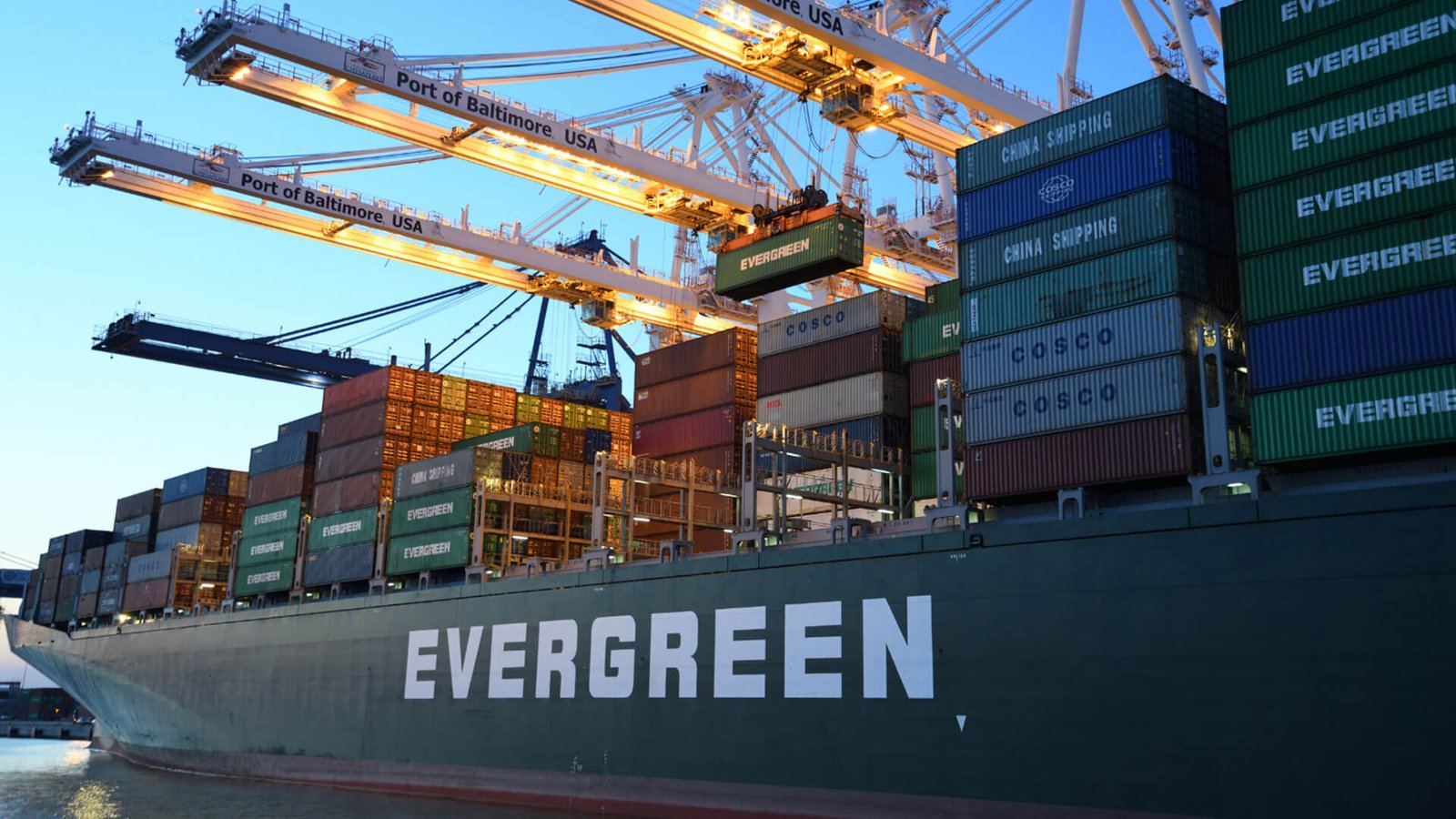
For years, I've helped U.S. importers like you navigate this exact shipping lane. The difference between an on-time delivery and a costly delay often comes down to the decisions you make before your container even leaves Shanghai. It's not about luck; it's about having a clear plan. Let's break down the details so you can build a reliable supply chain.
What the Typical Shanghai to New York Shipping Transit Time Looks Like by Ocean Route and Port Pair?
Do the transit times quoted by carriers seem too good to be true? They often are, representing only the ocean journey and leading to frustratingly missed delivery deadlines for your business.
A typical door-to-door shipment from Shanghai to New York takes 25 to 40+ days. This range depends entirely on whether you choose an all-water route to the Port of New York and New Jersey or a faster route to the West Coast with an inland rail transfer.
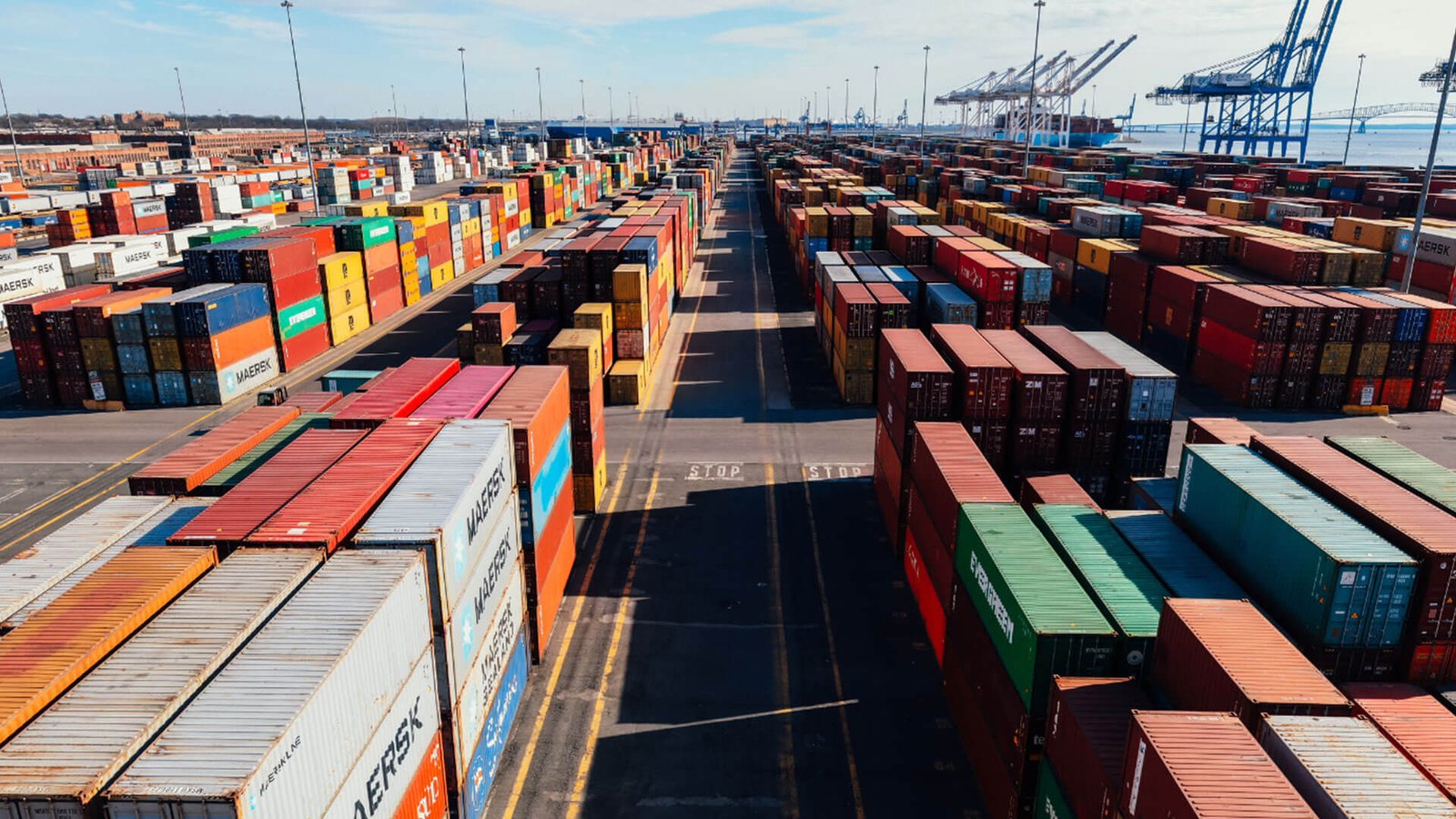
When we talk about shipping from Shanghai to New York, we're really talking about two different strategies. Each has its own timeline, cost structure, and risks. The transit times you see advertised are almost always "port-to-port," which is only one piece of the total journey. As an importer, you need to plan for "door-to-door" time.
Understanding the Main Routes
-
All-Water Route (Shanghai → Port of NY/NJ): This is the traditional sea route. A vessel departs from the Port of Shanghai, sails through the Panama Canal, and arrives directly at the Port of New York and New Jersey. While the ocean freight cost6 is often lower, the journey is longer, typically taking 35-40 days just for the ocean transit. Add in time for customs and inland delivery, and you're looking at a total door-to-door time5 of 40-50 days.
-
West Coast + Inland Rail (Shanghai → Port of LA/LB → New York): This is the faster, multi-modal option. A vessel takes a quicker transpacific route to a West Coast port like Los Angeles or Long Beach (about 14-18 days). From there, your container is transferred to a train for the cross-country journey to a rail ramp near New York. This can cut total transit time to around 25-30 days, but it introduces more complexity and higher inland transportation costs.
Your choice depends entirely on your priorities for a specific shipment.
How Shipping Method Choices (FCL vs LCL vs Air7) Change Cost and Transit Time From Shanghai to New York?
Trying to decide between FCL, LCL, and air freight feels complicated. Making the wrong choice can easily cost you thousands of dollars or add weeks of unexpected delay to your shipment.
Your shipping method directly impacts speed and cost. FCL (Full Container Load) is best for larger shipments. LCL (Less than Container Load) is for smaller volumes but often adds delays. Air freight is the fastest option but also by far the most expensive.
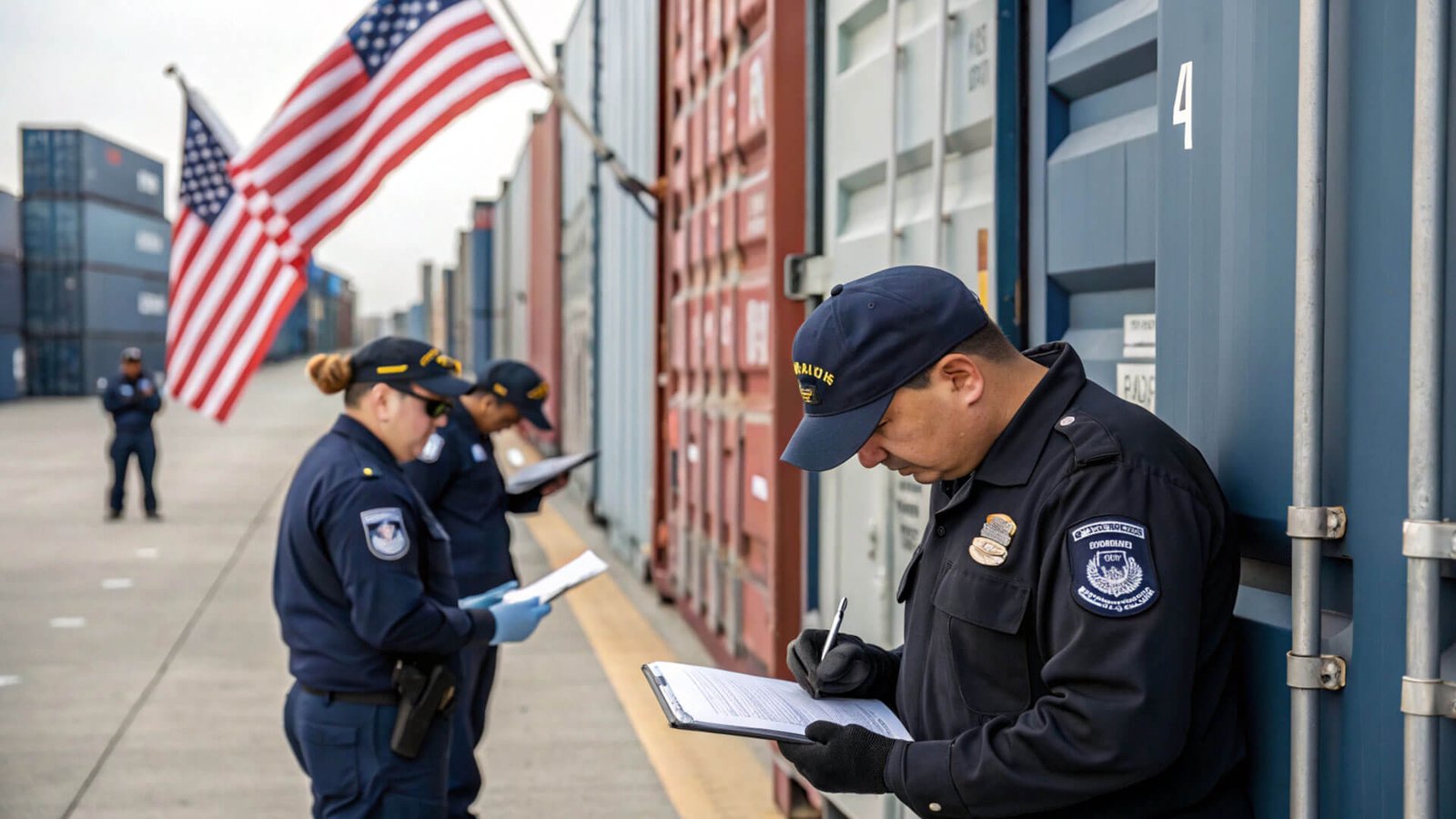
The choice between FCL, LCL, and air freight is one of the first and most important decisions you'll make. It’s a direct trade-off between speed, cost, and volume. I've seen many importers, especially those new to shipping, get tripped up here. For example, many assume LCL is just a cheaper version of FCL, but it comes with its own unique delays. Consolidation at the origin port in Shanghai can take an extra 7-10 days, and deconsolidation at the destination warehouse in New York can add another week. Suddenly, your "cheaper" LCL shipment takes 15 days longer than an FCL shipment on the same vessel.
Here’s how to think about it:
Shanghai → New York Transit Time Comparison
| Route Option | Typical Transit Time | Cost Level | Risk Level | Best For |
|---|---|---|---|---|
| All-Water (Shanghai → NY/NJ) | 35–40+ days | Lower ocean cost | Medium–High | Non-urgent FCL cargo |
| West Coast + Rail | 25–30 days | Higher inland cost | Medium | FCL with balanced speed & cost |
| West Coast + Truck | 22–28 days | Highest | Lower | Time-sensitive FCL |
| LCL via All-Water | 40–50+ days | Medium | High | Small, non-urgent shipments |
| Air Freight | 5–8 days | Very high | Low | Urgent / high-value goods |
This table helps illustrate the clear trade-offs. If cost is your primary concern and you can plan your inventory well in advance, the all-water route is a solid choice. If you need your goods faster, the West Coast route is superior, but you must be prepared for the higher inland freight costs.
What Shanghai to New York Shipping Really Costs and Which Charges Matter Beyond the Ocean Freight Rate?
You received a great ocean freight quote from Shanghai. But when the final bill arrived, it was loaded with extra fees that destroyed your profit margin on the shipment.
The ocean freight rate is just one part of your total landed cost8. A true door-to-door quote must also include origin charges, destination port fees, U.S. customs clearance9, duties, and final inland delivery charges10. These often add up to more than the ocean freight itself.
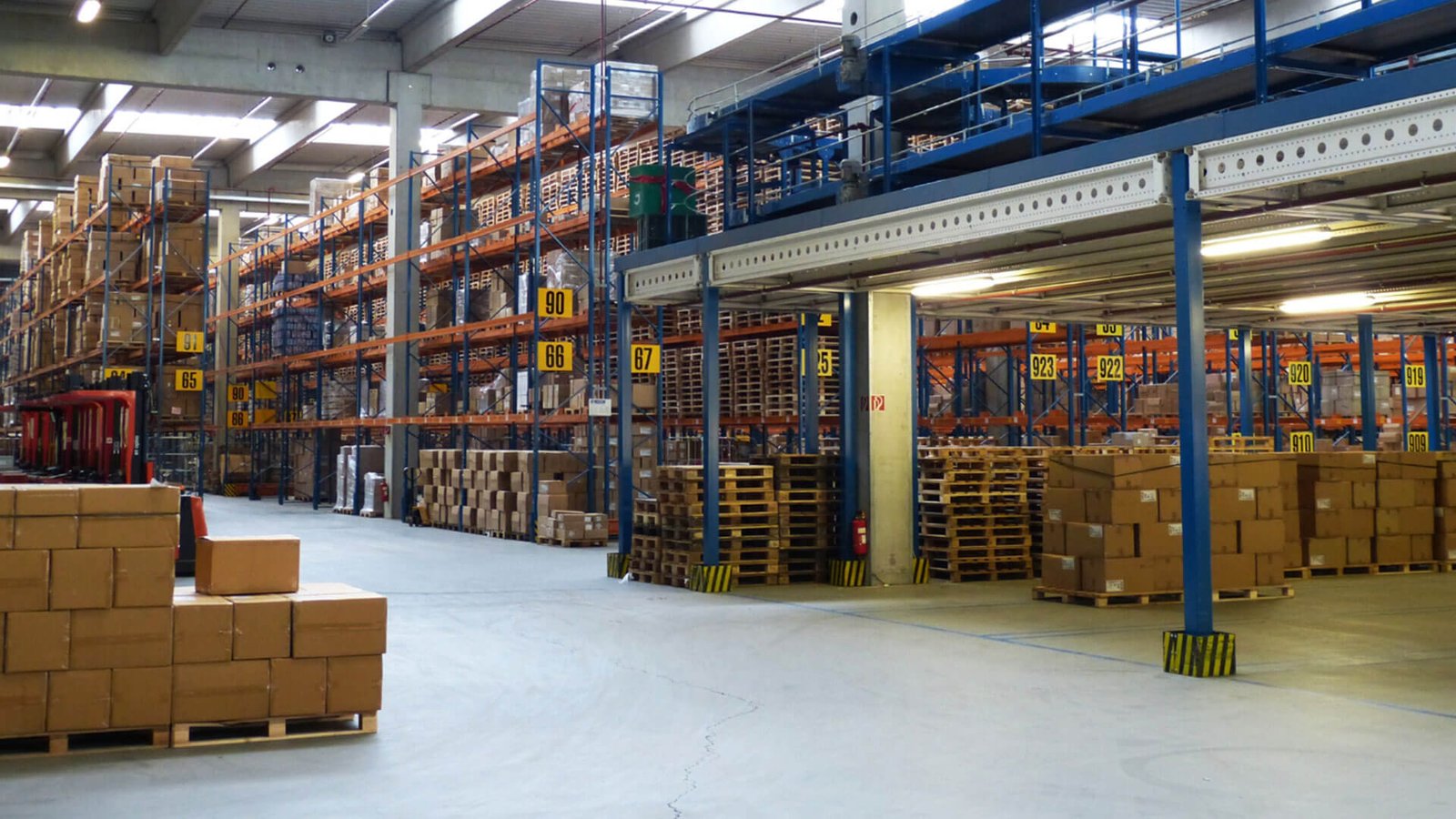
One of the biggest frustrations I hear from importers like Mark is the shock of the final invoice. The low "port-to-port" rate they were quoted by a supplier or an online platform was just a teaser. To accurately budget, you must account for every single touchpoint from the factory in China to your warehouse in the U.S. A reliable freight forwarder and customs broker will provide a detailed, all-in quote that covers these items. If a price seems too good to be true, it's likely missing some of these charges.
Here’s a breakdown of what you should always look for in a complete quote:
Key Cost Components
- Origin Charges: These are fees in China before the ship leaves. They include trucking from the factory to the port, export documentation, and terminal handling charges (THC) in Shanghai.
- Ocean Freight: The cost to move the container from the Port of Shanghai to the U.S. port (either NY/NJ or a West Coast port). This is the most volatile component.
- Destination Charges: Fees at the U.S. port. This includes U.S. terminal handling, port fees, and other surcharges.
- U.S. Customs: This covers the customs brokerage fee for filing your entry, as well as any duties and taxes owed to the U.S. government.
- Inland Delivery: The cost to move the container from the port or rail ramp to your final destination in the New York area. This could be by truck (drayage) or a combination of rail and truck.
Understanding this full cost structure is the only way to calculate your true landed cost8 per unit and ensure your business remains profitable.
Why Shanghai to New York Shipments Get Delayed and Where Time Is Most Commonly Lost?
Your container finally arrived at the U.S. port, right on schedule. But two weeks later, it's still stuck, and no one can give you a straight answer. This is incredibly frustrating.
Most significant shipping delays happen on the ground after the vessel docks, not during the ocean transit. The most common culprits are port congestion11, rail car shortages12, U.S. Customs exams13, and simple documentation errors14 that could have been prevented.

The ocean part of the journey is actually quite predictable. The real variables enter the picture once your container is on U.S. soil. This is where having a proactive logistics partner becomes critical. We don't just track the vessel; we manage the handoffs between the port, customs, rail lines, and truckers. This is where time is most often lost—or saved. Let's look at some real-world examples I've handled.
Case Study 1 – Delay: The Documentation Mistake
A client was shipping consumer goods via the all-water route to NY/NJ. The vessel arrived on its estimated date, but the commercial invoice provided by their supplier was incomplete. It was missing a detailed product description required by U.S. Customs. This triggered a documentation hold and then a physical customs (CBP) exam. By the time the container was inspected and released, it had missed its original rail booking. The result: a 12-day delay in final delivery and extra demurrage fees.
Case Study 2 – Delay: The LCL Trap
An Amazon seller used an LCL service for a small shipment of seasonal goods. The shipment was delayed by a week in Shanghai waiting for the container to be fully consolidated. When it finally arrived in New York, the container was flagged for a multi-lot exam (an exam on another importer's goods in the same container). It then got stuck in a massive deconsolidation backlog at the warehouse. The result: the delivery missed the prime retail window, leading to lost sales.
These scenarios show that the most dangerous delays are rarely caused by a slow ship. They are caused by a lack of planning on the ground.
How U.S. Customs Clearance and Port Congestion Impact Final Delivery Time to New York?
You assume customs clearance9 is a simple formality. But a sudden customs hold or port gridlock can turn your well-planned shipment into a logistical nightmare, adding weeks of delay.
The speed of your U.S. Customs clearance is often the single biggest factor determining if your shipment arrives on time or gets stuck for weeks. Delays at the port, whether from customs exams or congestion, have a cascade effect on your entire delivery schedule.
I can't stress this enough: managing U.S. Customs is not a passive activity. It's an active strategy. The difference between a smooth 24-hour release and a 14-day hold often comes down to who is managing your clearance and how early they start. When we handle a shipment, we act as your licensed U.S. Customs Broker. This means we prepare and file the crucial ISF (Importer Security Filing) and customs entry documents before your vessel even arrives. This process, known as pre-clearance15, allows CBP to review your shipment while it's still on the water.
Broker-Controlled vs. Carrier-Controlled Clearance
- Broker-Controlled (Our Method): We file your paperwork directly. We can answer CBP questions immediately and resolve issues quickly. If an exam is required, we are notified instantly and can coordinate with the terminal to minimize delays.
- Carrier-Controlled: Some services let the steamship line's back office handle clearance. This can create a communication gap. If CBP has a question, it goes to the carrier, who then has to find you. This slow process can turn a simple question into a multi-day delay.
When the Port of NY/NJ is congested, these delays are magnified. A container waiting for a customs release can lose its slot for a truck pickup or a train departure, pushing your delivery back even further. Proactive customs management is your best defense against port chaos.
How DDP vs Non-DDP Shipping Changes Risk, Cost Predictability, and Delivery Speed on This Lane?
DDP (Delivered Duty Paid) shipping sounds like the perfect solution—one price, no hassle. But if it's managed poorly by your supplier's agent, it can lead to major delays and risks.
DDP simplifies your invoice, but it also concentrates all the risk and control with your supplier's chosen freight forwarder. The quality of their execution, especially with U.S. Customs and inland delivery, determines if your DDP shipment is fast and predictable or a costly failure.
Many importers choose DDP because they want a single, all-in price. On paper, it's great. Your supplier handles everything. But here's the problem I see all the time: the Chinese forwarder your supplier hired may be excellent at China-side logistics but has little experience or control once the container hits the U.S. They might hand off the U.S. customs clearance9 and delivery to the cheapest agent they can find. This agent has no direct relationship with you.
When DDP Goes Wrong
If there's a customs issue, this agent isn't motivated to solve it quickly. If there's a drayage problem16 at the Port of New York, they might not have the relationships to secure a truck. Your shipment gets stuck, and you're left trying to get answers through your supplier, who is thousands of miles and many time zones away.
A better approach is what I call "Broker-Controlled DDP17." In this model, you still get a single DDP price, but you instruct your supplier to use your designated U.S. Customs Broker and forwarder (like us). This gives you the best of both worlds: price predictability from the DDP term and control over the most critical part of the journey—the U.S. arrival and delivery. This way, we manage the customs clearance9 and inland logistics, ensuring a smooth process because we are accountable directly to you.
How U.S. Importers Can Optimize Shanghai to New York Shipping for Faster Transit and Lower Landed Cost?
You feel like your shipping schedule is completely out of your hands. This reactive position leaves you constantly fighting fires instead of focusing on growing your business.
You can optimize this lane by making proactive decisions. The key is to choose the right route for your timeline, prepare all customs paperwork in advance, and coordinate the final inland delivery before the ship even docks. Planning is your most powerful tool.
The importers who succeed on this lane are the ones who treat logistics as a strategy, not an afterthought. They work with a partner who helps them plan from end to end. Let's look at what a successful, optimized shipment looks like.
Case Study 3 – On-Time: The Proactive Plan
An importer of industrial parts needed a reliable delivery window for their FCL shipment. We planned a West Coast + Rail route. Before the container even left Shanghai, we had all commercial documents and filed the ISF. While the vessel was en route, we pre-filed the full customs entry. The shipment was cleared by CBP two days before arrival. We had already reserved a rail slot, so the container moved directly from the port to the rail yard without delay. The result: the container was delivered to their New York facility exactly on schedule, within the planned 28-day door-to-door window.
This isn't luck. It's the result of a clear plan. Here is a checklist to help you make these decisions.
Which Shanghai → New York Route Should You Use? Checklist
| Question | Route Guidance |
|---|---|
| Is your delivery date fixed or flexible? | Fixed date → Use the faster West Coast + Rail/Truck route. |
| Is your cargo a full container (FCL)? | Yes → West Coast + Rail is a strong, balanced option. |
| Is minimizing cost more important than speed? | Yes → Use the slower All-Water route and plan for longer transit. |
| Is the shipment extremely time-sensitive? | Yes → West Coast + premium truck, or consider Air Freight. |
| Is all customs paperwork 100% ready? | If no, expect delays. A good broker helps you prepare this. |
| Is this a DDP shipment? | Validate who controls the U.S. clearance and delivery. |
| Is the final delivery in the NY metro area? | Plan the final drayage and warehouse appointment early. |
Conclusion
Shipping from Shanghai to New York depends on your decisions, not on luck. Importers who plan their route, customs, and delivery in advance ship faster and more predictably every time.
Understanding how to manage unpredictable shipping timelines can help businesses avoid disruptions and maintain customer trust. ↩
Effective inventory planning ensures that businesses can meet customer demands without overstocking or facing shortages. ↩
Exploring the East Coast route can help businesses decide if this longer but potentially cost-effective option suits their needs. ↩
Understanding the West Coast route can offer insights into faster shipping options, balancing speed and cost. ↩
Accurate door-to-door time calculations help businesses plan better and avoid unexpected delays. ↩
Understanding ocean freight costs helps businesses budget effectively and choose the most economical shipping route. ↩
Choosing the right shipping method can save costs and time, making it crucial for efficient logistics management. ↩
Accurate calculation of landed costs ensures profitability and helps in making informed shipping decisions. ↩
Efficient customs clearance is vital to avoid delays and ensure smooth delivery of goods. ↩
Knowing the factors affecting inland delivery charges helps businesses budget accurately and avoid unexpected costs. ↩
Knowing the impact of port congestion can help businesses plan for potential delays and adjust their logistics strategies. ↩
Understanding rail car shortages can help businesses anticipate delays and plan alternative logistics solutions. ↩
Understanding the impact of customs exams can help businesses prepare for potential delays and manage expectations. ↩
Avoiding documentation errors is crucial for timely customs clearance and delivery of shipments. ↩
Pre-clearance can significantly reduce customs processing time, ensuring faster delivery of goods. ↩
Understanding drayage problems can help businesses mitigate risks and ensure smooth inland delivery. ↩
Broker-Controlled DDP offers a balance of cost predictability and control, making it a valuable option for importers. ↩