Importing products for Amazon can feel overwhelming. But don't worry! By understanding the process and knowing the key steps, you can navigate the complexities of importing with ease.
Importing for Amazon FBA requires understanding international shipping regulations1, choosing the right suppliers, and ensuring compliance with U.S. Customs. U.S. importers must follow specific procedures, including submitting correct documentation2 and paying appropriate duties3 to ensure smooth customs clearance4 and efficient delivery5 to Amazon fulfillment centers.

When considering the process of importing for Amazon FBA, it’s easy to feel lost. However, laying out a clear path can help make it manageable. Let’s dive into the key areas that will help you successfully import your products.
Importing for Amazon FBA is not just about shipping a box from point A to point B. It involves many steps, each requiring careful attention. Knowing what you need to do can save you time and money.
Importing for Amazon FBA is about more than just shipping products. It's crucial to understand international shipping laws, choose the right suppliers, and comply with U.S. Customs regulations. Proper documentation and payment of duties are vital for smooth customs clearance4.

Navigating the world of importing can be tricky. With various rules and regulations, it can feel like a maze. Here’s what you need to keep in mind:
-
Understand International Shipping Regulations: Familiarize yourself with the laws governing shipping from your chosen country to the USA, like weight limits and packaging requirements.
-
Select Reliable Suppliers: Choose suppliers who have experience with Amazon FBA and understand its requirements. This can prevent potential pitfalls.
-
Comply with U.S. Customs: Make sure you know what documentation is needed. This includes invoices, bills of lading6, and other necessary paperwork.
-
Prepare for Duties and Fees: Be aware of any duties and fees associated with your imports. Keeping track of these costs can save you from unpleasant surprises down the road.
By following these steps, you can simplify your importing process and help ensure your products reach Amazon's fulfillment centers without a hitch.
What U.S. Importers Need to Know About Import Duties and Fees for Amazon Products?
Understanding import duties can be the difference between a successful shipment and a costly mistake. Knowing how to calculate these fees is essential for every U.S. importer.
Import duties and fees depend on the product’s classification, country of origin, and shipping method. U.S. importers need to know how to calculate these costs to avoid unexpected charges when importing products to sell on Amazon FBA. Proper tariff classification and accurate valuations are key to managing these expenses.
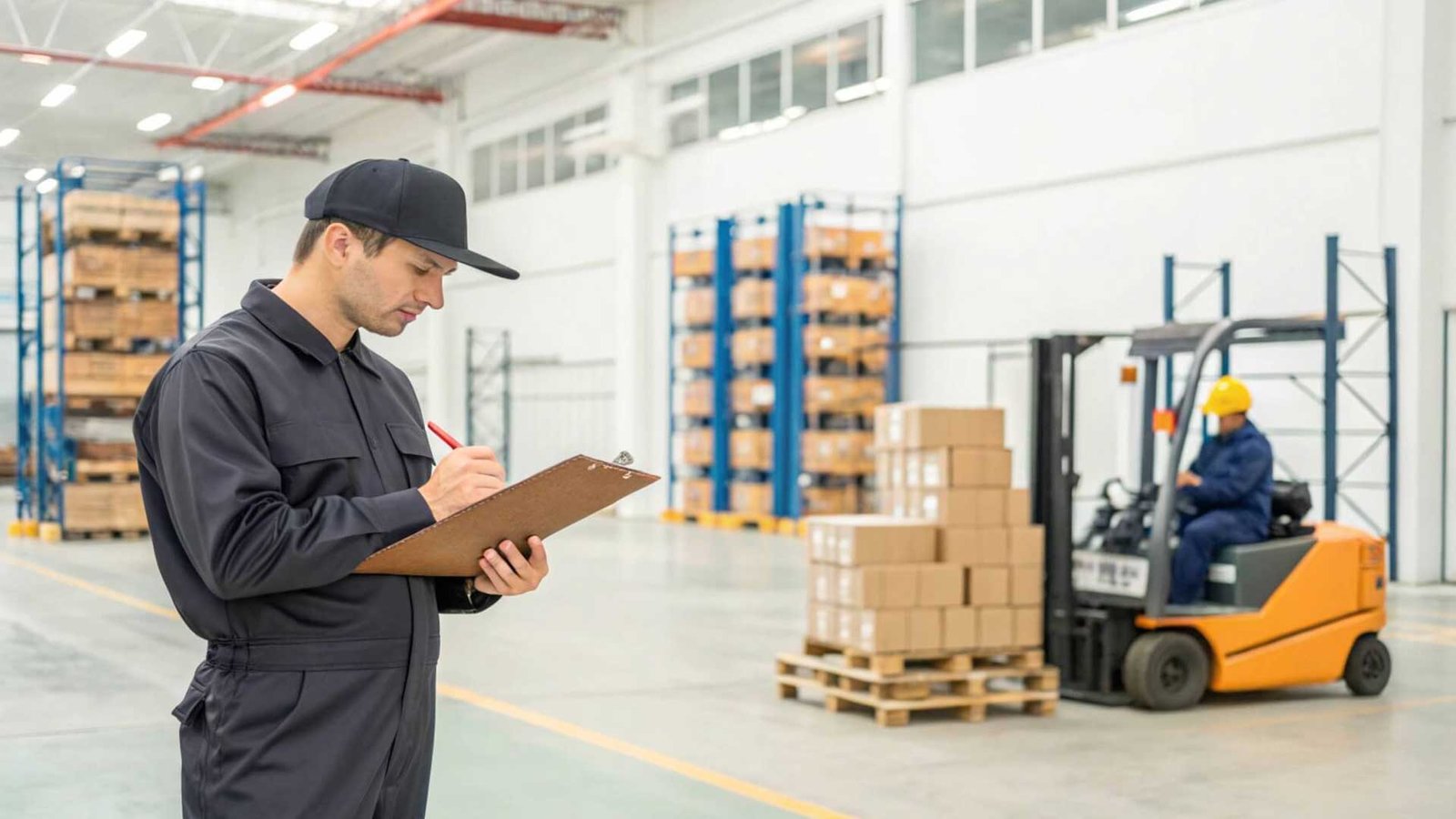
Import duties are an essential consideration in your importing journey. Here’s how to manage them effectively:
-
Know the Product Classification: Each product falls under a specific classification that determines its duty rate. Research this classification to understand the associated costs.
-
Calculate Based on Origin and Shipping: Different countries may have different duty rates. Additionally, the shipping method can impact the fees, so be sure to include this in your calculations.
-
Maintain Accurate Valuations: Ensure that you declare the correct value of your products. Misrepresenting the value can lead to penalties and shipment delays.
By taking the time to understand import duties, you can better manage your costs and avoid unexpected surprises.
The Key Documentation and Compliance Steps for Importing to Amazon FBA
Documentation is critical for a smooth importing process. Without the right papers, your shipment can be delayed, or worse, rejected at customs.
U.S. importers must submit various documents such as commercial invoices7, bills of lading6, and certificates of origin8. Compliance with customs regulations, including adherence to the U.S. Customs’ Automated Export System (AES)9 and other import requirements, ensures timely customs clearance and avoids penalties or shipment delays.

To facilitate successful importing, consider the following documentation steps:
-
Commercial Invoices: This is your primary document. Ensure it is detailed, including the product description, quantity, and pricing.
-
Bills of Lading: This document proves the shipment and must match your invoices. Keep it accurate to avoid issues during customs clearance.
-
Certificates of Origin: Depending on your product, you may need to provide proof of origin. This can help with tariff reductions as well.
-
Adhere to Automated Export System (AES)9: If applicable, ensure compliance with AES regulations to avoid issues with your shipment.
By staying organized and ensuring you have the necessary documents, you can streamline the customs process.
How to Choose the Best Suppliers for Amazon FBA Imports and Avoid Common Mistakes?
Choosing the right supplier is crucial. The wrong one can lead to quality issues and compliance problems. Knowing how to vet suppliers can save you headaches down the line.
Choosing the right supplier for Amazon FBA involves vetting potential partners for reliability, product quality, and compliance with regulations. U.S. importers should focus on obtaining product samples, reviewing supplier certifications, and ensuring clear communication about shipping terms, labeling, and compliance with Amazon’s FBA requirements.
When selecting a supplier, keep these tips in mind:
-
Check Reliability: Look for suppliers with a strong track record. Reviews and feedback from other importers can be invaluable.
-
Product Quality Assurance: Request samples before making a large order. This helps ensure the quality meets your standards.
-
Compliance with Regulations: Ensure your supplier understands Amazon's FBA requirements. This includes labeling and packaging standards.
-
Clear Communication: Discuss shipping terms upfront to avoid surprises. Make sure both parties understand the agreement.
By following these steps, you can avoid common pitfalls and choose a supplier that meets your needs.
The Importance of Understanding the De Minimis Rule for Amazon Product Imports
The De Minimis rule10 can offer significant savings for importers. Knowing how it works can benefit your bottom line.
The De Minimis rule10 allows U.S. importers to bring in goods valued up to $800 without paying duties or taxes. Understanding this rule can help Amazon sellers reduce shipping costs and speed up the importation process. However, it’s crucial to ensure that shipments remain below the threshold to avoid unexpected fees.
To leverage the De Minimis rule10 effectively, consider the following:
-
Know the Value Threshold: Goods valued under $800 can be imported duty-free. Keep your shipments within this limit to maximize savings.
-
Plan Shipments: If you anticipate a shipment exceeding this threshold, plan accordingly. Splitting orders or adjusting quantities can help you stay under the limit.
-
Documentation Accuracy: Be sure to document the value correctly. Misrepresenting the value can lead to penalties and negate the duty-free allowance.
Understanding the De Minimis rule10 can provide a competitive edge and help reduce expenses.
Best Practices for Shipping Products to Amazon FBA: From Supplier to Warehouse
Shipping to Amazon FBA requires careful planning. Following best practices can help ensure your products arrive on time and in perfect condition.
The best practices for shipping to Amazon FBA include selecting reliable freight carriers, ensuring proper labeling and packaging11, and understanding Amazon’s specific FBA guidelines. U.S. importers should also manage shipping logistics12 to minimize delays and ensure products arrive at Amazon’s fulfillment centers on time and in compliance with their requirements.

Here are some best practices for shipping your products:
-
Select Reliable Freight Carriers: Choose carriers with proven reliability and good customer service. This can help prevent shipping delays.
-
Proper Labeling and Packaging: Consistently adhere to Amazon’s labeling and packaging requirements. This ensures compliance and smooth processing at the fulfillment center.
-
Understand FBA Guidelines: Familiarize yourself with Amazon’s specific shipping requirements. Keeping up-to-date on any changes can keep your shipments compliant.
-
Manage Logistics: Plan your shipping timeline carefully. Aim for timely deliveries to meet Amazon’s requirements and avoid delays.
By applying these best practices, you can enhance your shipping experience and ensure your products reach Amazon efficiently.
Conclusion
Importing for Amazon FBA doesn’t have to be complicated. With the right knowledge and planning, you can navigate the process successfully.
Understanding these regulations is crucial for ensuring compliance and avoiding legal issues when importing products for Amazon FBA. ↩
Proper documentation is vital for customs clearance and avoiding shipment delays when importing products for Amazon FBA. ↩
Knowing how to calculate duties helps importers manage costs and avoid unexpected charges when importing products for Amazon FBA. ↩
Ensuring smooth customs clearance is crucial for timely delivery of products to Amazon fulfillment centers. ↩
Efficient delivery is key to maintaining inventory levels and meeting customer demand on Amazon. ↩
Bills of lading serve as proof of shipment and must match invoices to ensure smooth customs clearance. ↩
Detailed commercial invoices are crucial for customs clearance and avoiding shipment delays. ↩
Certificates of origin can help with tariff reductions and are necessary for certain products during the import process. ↩
Compliance with AES regulations is crucial for avoiding issues with shipments and ensuring timely customs clearance. ↩
The De Minimis rule allows duty-free imports up to $800, offering significant savings for Amazon sellers. ↩
Adhering to Amazon's requirements ensures compliance and smooth processing at fulfillment centers. ↩
Effective logistics management minimizes delays and ensures timely delivery to Amazon fulfillment centers. ↩